


Chef’s Notes
Mason Bostwick · Executive Chef
Eastern oyster
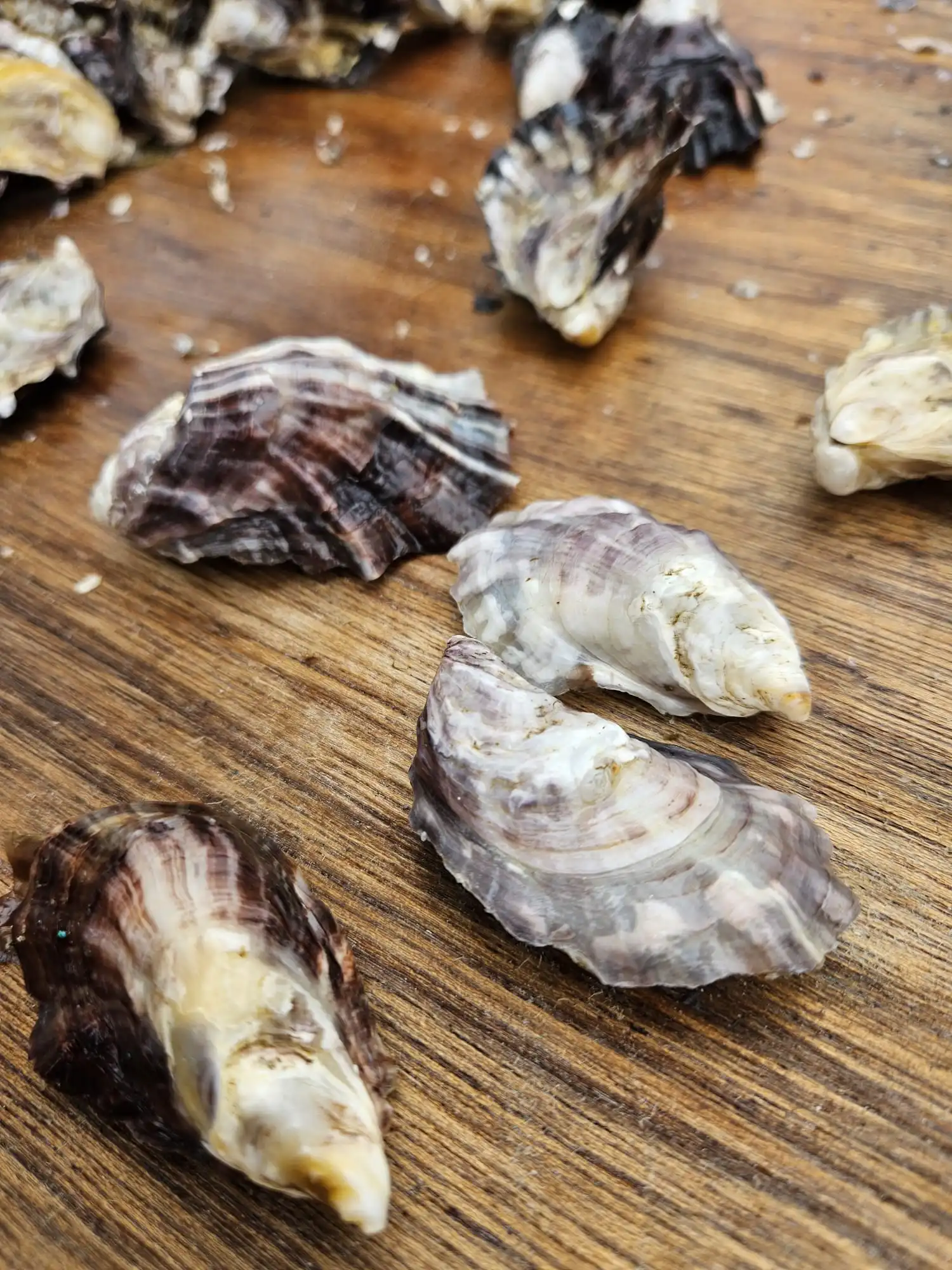
Plockton Pacific — Plockton Pacific — Notable sweetness — briny and creamy white interior. A solid farmed pacific oyster.
Flavor chart
Chef palate read
Shuckability
Shell & line performance
When I buy it
Look for Plockton Pacific Oyster in peak season when salinity peaks.
How I serve it
On the half shell with minimal garnish — let the oyster speak.
What to watch for
Full brine with creamy finish. Reject any with broken shells or milky liquor.
My read
Notable sweetness — briny and creamy white interior. A solid farmed pacific oyster.
What Are Plockton Pacific Oysters?
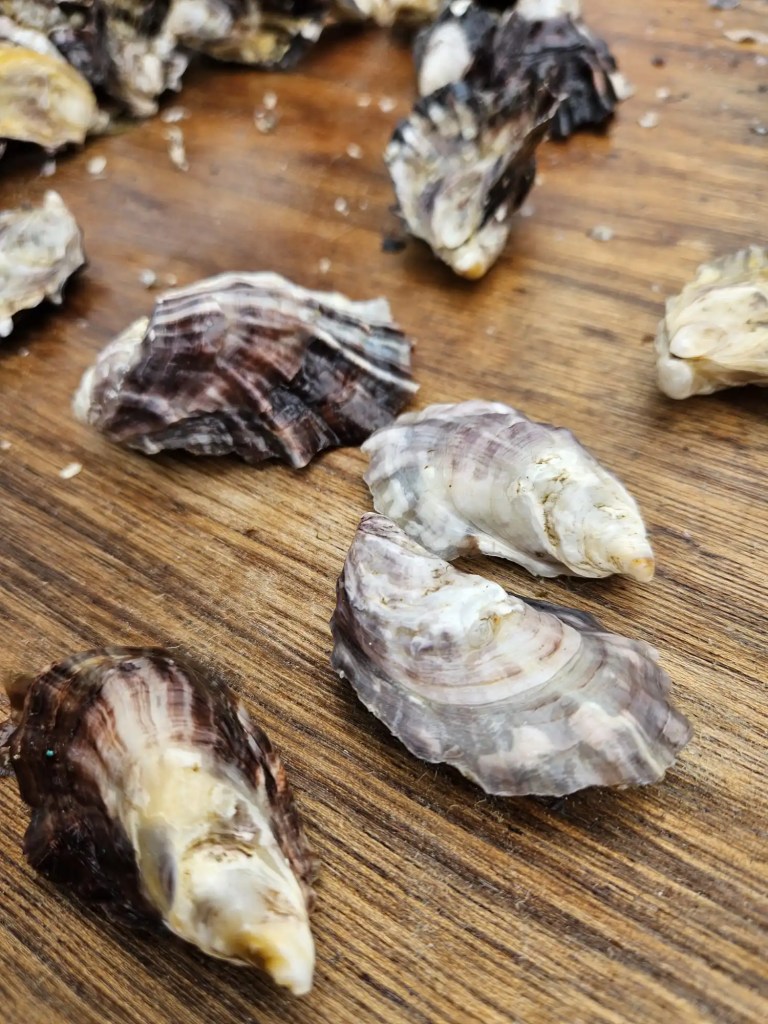
Plockton Pacific Oysters are a variety of Crassostrea gigas, renowned for their exceptional quality and flavor. These oysters thrive in the pristine waters of Plockton, Scotland, benefiting from the region’s unique environmental conditions. The cold, clean waters support slow maturation, ensuring a consistent and high-quality product throughout the year. Plockton Pacific Oysters are cultivated using sustainable methods, contributing to their popularity among seafood enthusiasts.
Plockton’s unique location provides an ideal setting for oyster farming. The area’s natural conditions, including abundant plankton and moderate water temperatures, enhance the oysters’ growth and flavor profile. This combination of factors makes Plockton Pacific Oysters a sought-after choice for those seeking a superior oyster experience.
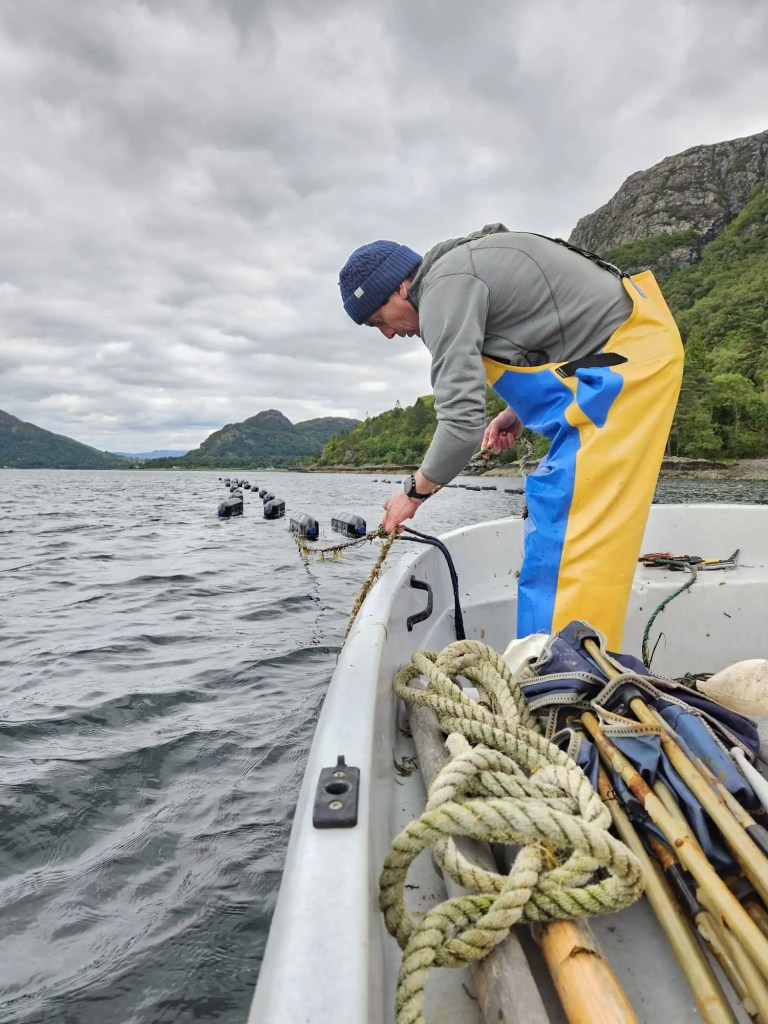
The cultivation process for Plockton Pacific Oysters involves careful attention to detail. Oyster larvae are initially bred in hatcheries and then transferred to grow-out sites in coastal waters. The use of off-bottom cultivation methods, such as racks or cages, helps maintain oyster health and quality by minimizing exposure to predators and fouling organisms.
How Did Plockton Pacific Oysters Get Their Name?
Plockton Pacific Oysters take their name from Plockton village on Loch Carron in the Scottish Highlands. The Pacific label marks Crassostrea gigas grown by local aquaculture crews rather than native flat stock. Buyers see Plockton Pacific on tags from Scottish seafood distributors and farm direct sales.
Pacific oysters were introduced to Scotland to diversify shellfish farming in cold coastal lochs. Plockton’s sheltered water and plankton supply made Loch Carron a practical grow-out site. The trade name now signals rack-and-bag Pacific cups from the same operator as Plockton natives.
About Plockton Oyster Company
Plockton Oyster Company farms Pacific oysters on suspended lines in Loch Carron near Plockton village. The site sits within a marine protected area with lease planning that limits seabed impact. Pacific stock typically reaches market size in two to three years.
Teams use rack-and-bag culture that keeps oysters off the bottom while limiting fouling. Regular grading builds deeper cups suited to half-shell service. Farm sales and Scottish distributors route Plockton Pacific oysters to restaurants across the Highlands and United Kingdom.
About Plockton Oyster Company
Plockton oysters are cultivated by local farmers such as Alexander Mackenzie, who established the Plockton Oysters site in Loch Carron. The farm began operations in 2022 and currently uses two lines of oyster-rearing equipment. Plans are underway to expand the farm, which could increase production capacity significantly.

The cultivation process involves deploying oysters in the loch and monitoring their growth. Native oysters are more challenging to cultivate due to their slower growth rate and specific environmental requirements. However, they are crucial for re-establishing native oyster beds and supporting biodiversity in the area.
Challenges in cultivating Plockton oysters include maintaining optimal water conditions and managing disease. The farm must also navigate regulatory requirements and ensure sustainable practices to protect the local ecosystem.
Follow Them
Ready to dive deeper into the world of Plockton oysters? Visit the Plockton Oyster Company’s official website for more information on their sustainable farming practices and delicious native oysters. You can also stay updated on their latest news and behind-the-scenes insights by following their social media profiles.
Plockton Pacific Oysters Information

Pacific oyster
If you like Plockton Pacific Oyster, then check out these similar varieties!
If you like Plockton Pacific Oysters, then check out these similar varieties!
Location
Plockton Pacific Oysters are cultivated in Loch Carron, a picturesque location on the west coast of Scotland. This marine environment provides ideal conditions for oyster farming due to its clean waters and moderate climate. The area’s natural beauty and biodiversity contribute to the oysters’ unique flavor and quality, making it an attractive site for sustainable aquaculture.
Environmental Factors
The environmental factors in Loch Carron support oyster growth through several key elements. The cold, clean waters are rich in plankton, which serves as a primary food source for oysters. This abundance of high-quality plankton is crucial for the growth and health of Pacific oysters, allowing them to thrive in the region’s cool temperatures. Additionally, the low risk of pollution and disease in this area ensures that the oysters remain healthy and robust, contributing to their superior quality.
The location is particularly beneficial for oyster growth due to its stable water temperatures and salinity levels. Pacific oysters in this region cannot breed due to the cold water temperatures, which helps maintain ecological balance by preventing the spread of non-native species 3. The use of the Oystergro system for farming minimizes visual impact and ensures that the equipment blends into the background, reducing disturbance to the marine environment 2. This approach not only supports the growth of oysters but also enhances the local ecosystem by maintaining water quality and biodiversity.
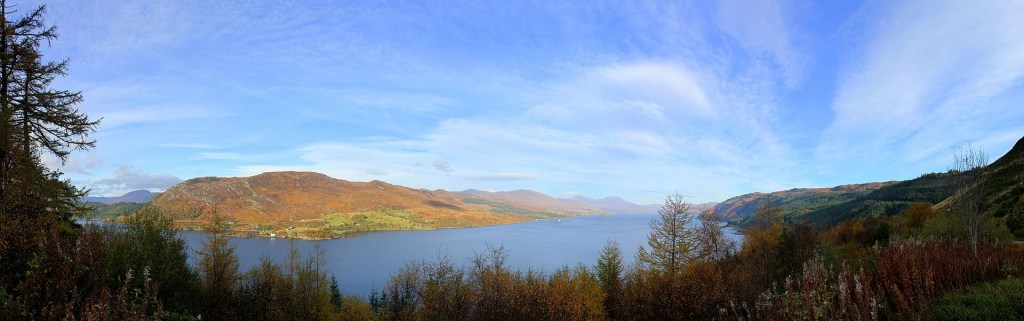
The combination of these environmental factors makes Loch Carron an ideal location for sustainable oyster farming. The area’s natural conditions support both the quality of the oysters and the sustainability of the farming practices. As filter feeders, oysters help keep the water clean by removing algae and excess nutrients, which benefits the overall marine environment. This ecological benefit, coupled with the economic advantages of sustainable aquaculture, makes Plockton a prime site for cultivating high-quality Pacific oysters.
Suggested Beverage Pairings
Negroni Sbagliato adds bitter-sweet depth and Prosecco effervescence beside Plockton Pacific brine. The cocktail refreshes the palate while enhancing savory cup character. Serve over ice for relaxed raw-bar service.
Hendrick’s Gin Martini highlights cucumber and rose beside Plockton Pacific salinity. Crisp botanicals sharpen brine while keeping the pairing elegant and dry. Serve ice-cold with a cucumber garnish.
Stiegl Grapefruit Radler adds sweet citrus acidity beside Plockton Pacific cups. Light beer carbonation refreshes the palate without masking briny depth. Ideal for casual half-shell gatherings.
A Bellini with Prosecco and peach purée contrasts Plockton Pacific creaminess with fruity brightness. Crisp bubbles cut through rich meat while adding celebratory lift. Serve chilled in flutes between shells.
Kim Crawford Sauvignon Blanc adds Marlborough citrus beside Plockton Pacific oceanic flavor. Grassy notes complement brininess while brisk acidity keeps each slurp clean. A popular white for seafood enthusiasts.
Where Can I Buy Plockton Pacific Oysters?
- Plockton Oyster Company – Plockton Oyster Company sells Pacific and native oysters direct from Loch Carron when seasonal supply allows.
- The Scottish Shellfish Company – The Scottish Shellfish Company routes Highland farm oysters to retailers across Scotland and the United Kingdom.
- Plockton Inn Seafood Restaurant – Plockton Inn serves local shellfish including Plockton-area oysters on its Highland seafood menu.
- Scotland’s Aquaculture Site Facilities – Scotland’s Aquaculture publishes licensed shellfish site records for Loch Carron and Plockton farm locations.
Stay Connected with The Oyster Encyclopedia!
Follow us on social media to get the latest updates, oyster recipes, and behind-the-scenes glimpses into the world of oysters:
Stay tuned for exclusive content, oyster trivia, and more! Engage with our vibrant community of oyster enthusiasts by liking, commenting, and sharing our posts. Your support helps us continue providing valuable oyster knowledge to fellow seafood lovers worldwide.
References
- NOAA Fisheries. “Sustainable Pacific Oyster Farming.” NOAA Fisheries, www.fisheries.noaa.gov/feature-story/sustainable-pacific-oyster-farming. Accessed 3 Mar. 2024.
- NIWA. “Pacific Oyster.” NIWA, niwa.co.nz/aquaculture/pacific-oyster. Accessed 3 Mar. 2024.
- Lobsters Online. “Our Top Picks for Oyster Beverage Pairings.” Lobsters Online, www.lobsters-online.com/top-oyster-beverage-pairings.html. Accessed 3 Mar. 2024.
Discover more from The Oyster Encyclopedia
Subscribe to get the latest posts sent to your email.