



Chef’s Notes
Mason Bostwick · Executive Chef
Eastern oyster
Plockton Native — Plockton Native — Strong minerality — briny flavor and creamy texture. A solid farmed eastern oyster.
Flavor chart
Chef palate read
Shuckability
Shell & line performance
When I buy it
Look for Plockton Native Oysters in peak season when salinity peaks.
How I serve it
On the half shell with minimal garnish — let the oyster speak.
What to watch for
Full brine with creamy finish. Reject any with broken shells or milky liquor.
My read
Strong minerality — briny flavor and creamy texture. A solid farmed eastern oyster.
What Are Plockton Native Oysters?
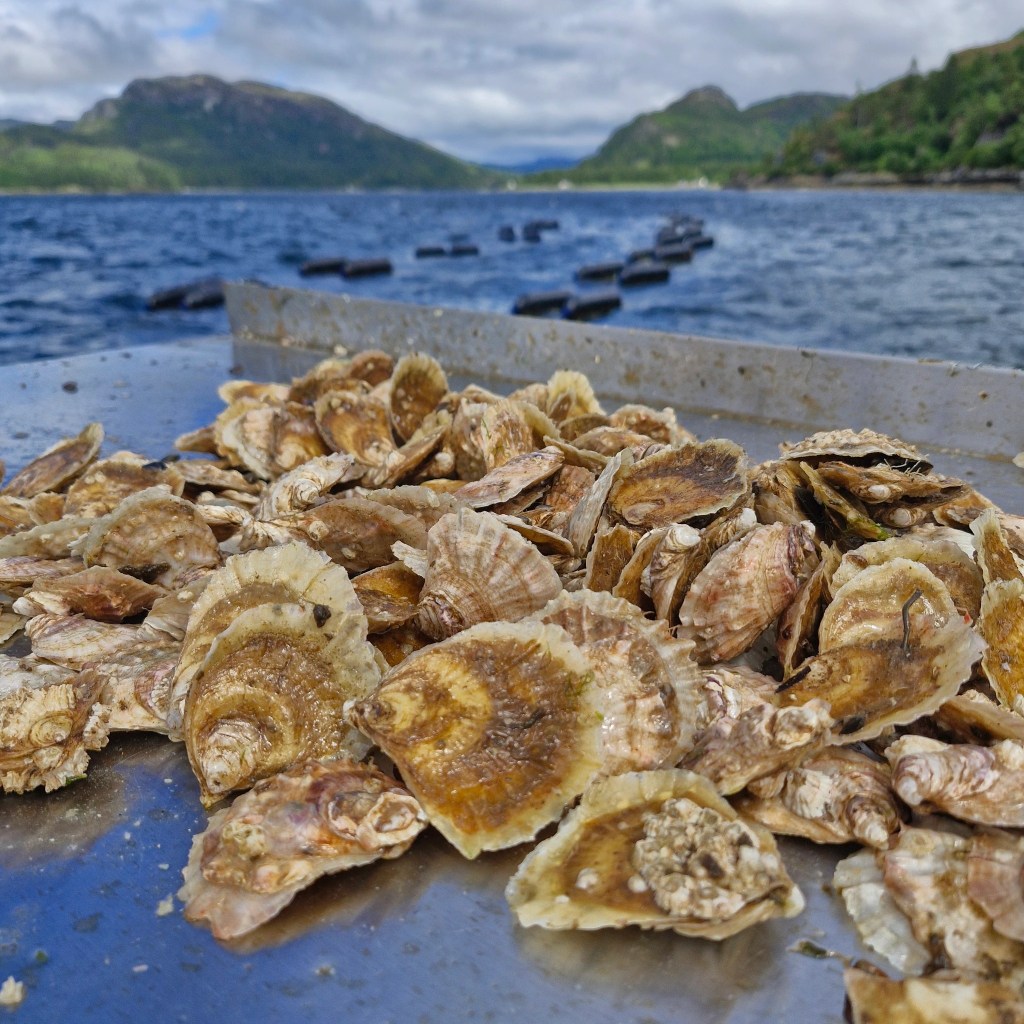
Plockton Native Oysters are European flat oysters from Loch Carron near Plockton in the Scottish Highlands. Plockton Oyster Company raises native Ostrea edulis on suspended lines in the loch. Market size runs three to four inches after up to four years in the water.
On the half shell the line reads rich brine with mineral and nutty notes. Salinity near thirty to thirty-five ppt drives firm meats and an intense finish. The profile suits raw bars that want a Scottish native flat oyster.

Shells show rough oval exteriors with cream and gray bands typical of Loch Carron stock. Slow native growth builds dense cups prized on half-shell menus. Plockton Native supports Scotland’s flat-oyster restoration and local aquaculture goals.
How Did Plockton Native Oysters Get Their Name?
Plockton Native Oysters take their name from Plockton village on Loch Carron in the Scottish Highlands. The trade label marks native Ostrea edulis grown by local aquaculture crews. Buyers see Plockton on tags from Scottish seafood distributors and farm sales.
The name ties the oyster to community-led restoration of native beds in Wester Ross. Branding highlights local origin for chefs seeking Scottish flat oysters. That label distinguishes loch-grown natives from imported Pacific lines.
About Plockton Oyster Company
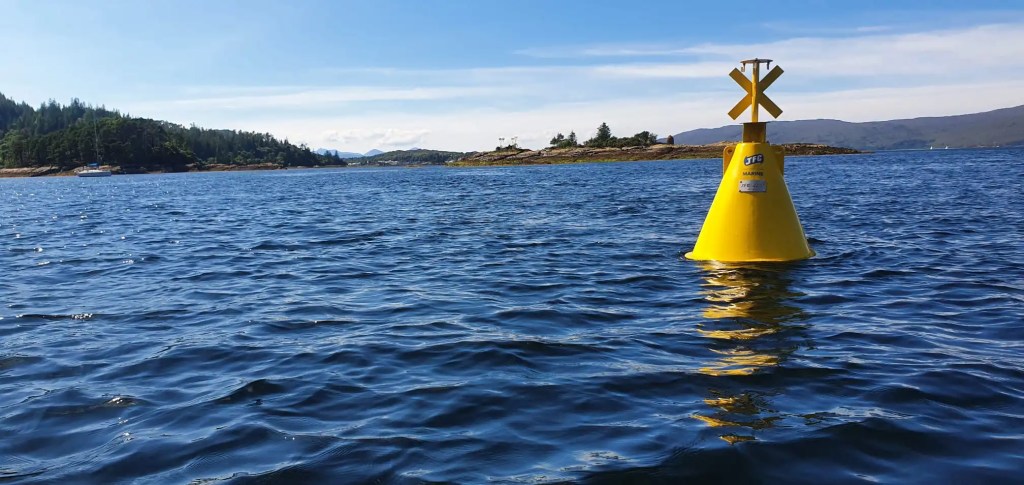
Plockton Oyster Company farms native and Pacific oysters on suspended lines in Loch Carron. The site sits within a marine protected area with careful lease planning to limit seabed impact. Native stock can take up to four years to reach market size.
Teams use Oystergro and line systems that minimize disturbance on subtidal bottom. Filter feeding by oysters supports water quality and local biodiversity goals. Farm sales and regional vendors route Plockton natives to Scottish restaurants and export buyers.
About Plockton Oyster Company
Plockton oysters are cultivated by local farmers such as Alexander Mackenzie, who established the Plockton Oysters site in Loch Carron. The farm began operations in 2022 and currently uses two lines of oyster-rearing equipment. Plans are underway to expand the farm, which could increase production capacity significantly.

The cultivation process involves deploying oysters in the loch and monitoring their growth. Native oysters are more challenging to cultivate due to their slower growth rate and specific environmental requirements. However, they are crucial for re-establishing native oyster beds and supporting biodiversity in the area.
Challenges in cultivating Plockton oysters include maintaining optimal water conditions and managing disease. The farm must also navigate regulatory requirements and ensure sustainable practices to protect the local ecosystem.
Follow Them
Ready to dive deeper into the world of Plockton oysters? Visit the Plockton Oyster Company’s official website for more information on their sustainable farming practices and delicious native oysters. You can also stay updated on their latest news and behind-the-scenes insights by following their social media profiles.
Plockton Native Oysters Information

Eastern oyster
If you like Plockton Native Oysters, then check out these similar varieties!
Location
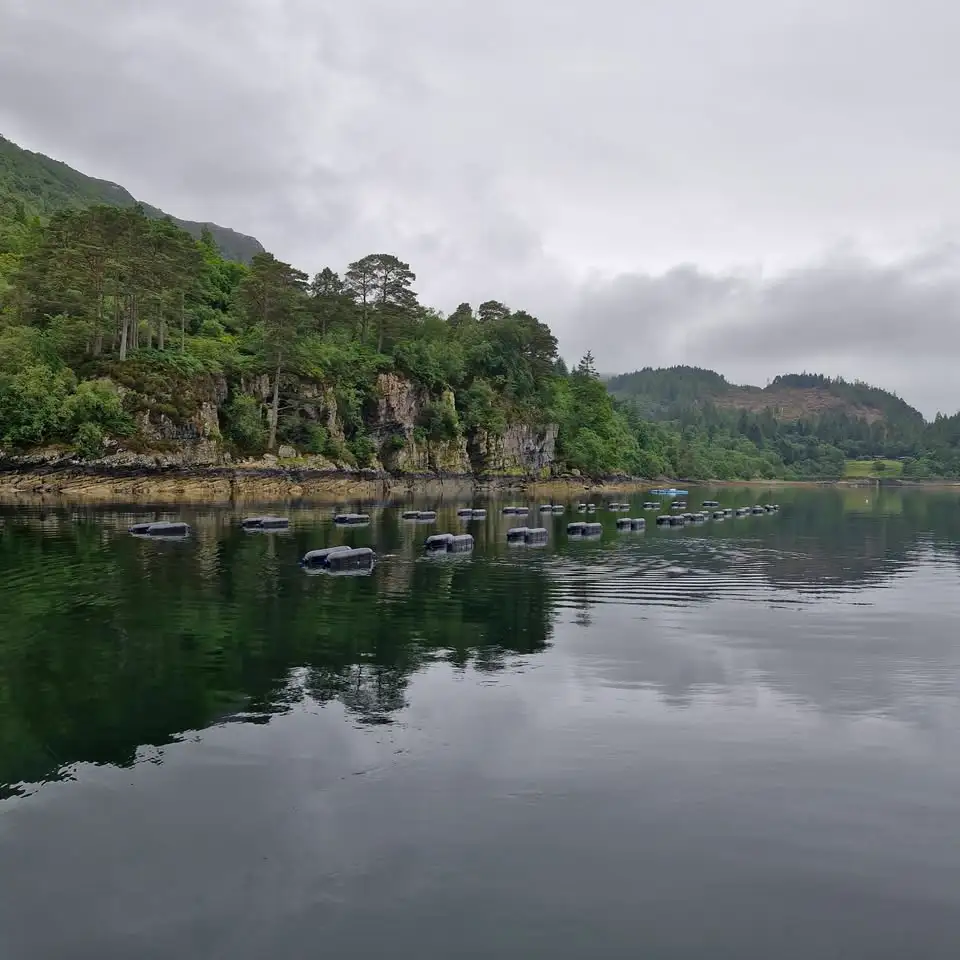
Plockton Native oysters grow in Loch Carron near Plockton village in the Scottish Highlands. The loch opens to the Inner Sound with strong tidal exchange from the Atlantic. That cold water defines native flat-oyster growing conditions.
Farm lines sit in subtidal water within Loch Carron’s marine protected area. Planners set lease sites to avoid sensitive maerl and seagrass beds nearby. Moderate salinity and year-round access support steady husbandry.
Salinity typically runs ten to thirty-five ppt depending on rainfall and tidal phase. Suspended culture keeps oysters off the bottom while preserving loch habitat. Harvest crews grade for half-shell service before trucks leave Wester Ross.
Scottish shellfish regulators monitor Loch Carron under national food-safety programs. Plockton Oyster Company aligns with marine licence conditions for the east-shore farm site. That oversight keeps natives on approved lists when beds are open.
Suggested Beverage Pairings
Billecart-Salmon Brut Rosé adds crisp acidity and subtle fruit beside Plockton native brine. Effervescence cleanses the palate between Scottish half shells without overpowering delicate liquor. Serve very cold on the raw bar.
Allagash White brings coriander and orange peel beside Plockton native salinity. Crisp wheat body enhances freshness while citrus notes keep each slurp invigorating. A refreshing ale for West Coast cups.
A dry Hendrick’s Gin martini with lemon twist highlights Plockton native brine. Botanical gin and citrus balance richness while refreshing the palate between bites. Serve ice-cold for refined half-shell service.
Louis Jadot Chablis adds flinty minerality beside Plockton native freshness. Crisp acidity complements rich oyster flavor and creates harmonious balance on the half shell. Serve chilled for wine-focused pairings.
Guinness Draught brings roasted malt and creamy body against Plockton native brininess. Bitterness cuts through velvety meat while leaving a clean finish between shells. A classic stout-and-oyster match.
Where Can I Buy Plockton Native Oysters?
- Plockton Oyster Company – Plockton Oyster Company sells native and Pacific oysters direct from Loch Carron when seasonal supply allows.
- Plockton Inn Seafood Restaurant – Plockton Inn serves local shellfish including Plockton-area oysters on its Highland seafood menu.
- The Scottish Shellfish Company – The Scottish Shellfish Company routes Highland farm oysters to retailers across Scotland and the United Kingdom.
- Scotland’s Aquaculture — Site Facilities – Scotland’s Aquaculture publishes licensed shellfish site records for Loch Carron and Plockton farm locations.
Stay Connected with The Oyster Encyclopedia!
Follow us on social media to get the latest updates, oyster recipes, and behind-the-scenes glimpses into the world of oysters:
Stay tuned for exclusive content, oyster trivia, and more! Engage with our vibrant community of oyster enthusiasts by liking, commenting, and sharing our posts. Your support helps us continue providing valuable oyster knowledge to fellow seafood lovers worldwide.
References
- Additional Notes for Marine Licence Application. Marine Scotland, https://marine.gov.scot/sites/default/files/additonal_notes_for_marine_licence_application_redacted.pdf.
- Scottish Oysters to Be Served Up in Highland Village, Voted the Most Scenic Place to Eat Fish and Chips. The Scotsman, 20 Jan. 2024, https://www.scotsman.com/news/environment/scottish-oysters-to-be-served-up-in-highland-village-voted-the-most-scenic-place-to-eat-fish-and-chips-4485769.
- Marine Licence – Marine Farm – East Shore of Outer Lochcarron. Marine Scotland, 14 Sept. 2024, https://marine.gov.scot/ml/marine-licence-marine-farm-east-shore-outer-lochcarron-0000914800010748.
- Our Seafood Restaurant. Plockton Inn, 29 Jan. 2025, https://plocktoninn.co.uk/food-and-drink/seafood-restaurant.
- Site Facilities – Scotland’s Aquaculture. Marine Scotland, 2 Mar. 2025, https://aquaculture.scotland.gov.uk/data/site_facilities_record.aspx?stock_line_no=20002856.
Discover more from The Oyster Encyclopedia
Subscribe to get the latest posts sent to your email.