

Chef’s Notes
Mason Bostwick · Executive Chef
Eastern oyster
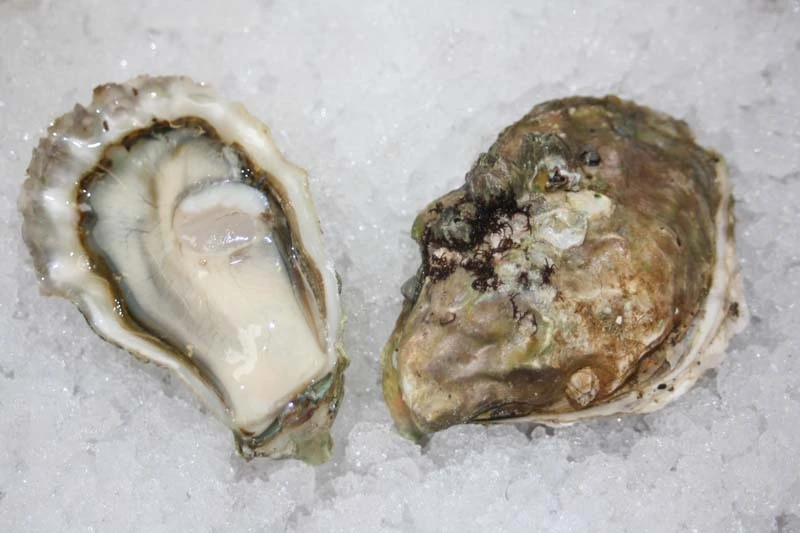
Pickering Pass — Pickering Pass — Strong minerality — cucumber finish. A solid tumbled pacific oyster.
Flavor chart
Chef palate read
Shuckability
Shell & line performance
When I buy it
Look for Pickering Pass Oysters in peak season when salinity peaks.
How I serve it
On the half shell with minimal garnish — let the oyster speak.
What to watch for
Full brine with creamy finish. Reject any with broken shells or milky liquor.
My read
Strong minerality — cucumber finish. A solid tumbled pacific oyster.
Pickering Pass oysters come from Pickering Passage in Washington State. The waters there nurture the Pacific species Crassostrea gigas with swift currents and rich plankton. Ultimately helping the oysters grow to about 3 inches in 2 to 3 years.
What Are Pickering Pass Oysters?
Pickering Pass Oysters are farmed Eastern oyster tied to Pickering Passage is a strait. located in the southern Puget Sound region of Washington State,. entirely within Mason County. It extends from Case Inlet in the north to Peale and Squaxin Passages and Hammersley Inlet at the southern end. The passage has fast currents during maximum flow and ebb,. reaching depths of about 100 feet at the north end near McLane Cove. McLane Cove is mostly shallow with some depth at the entrance and receives weak flushing from Pickering Passage..
On the half shell the line reads Medium brine with a bright cucumber finish. Their plump, full, mildly salty flavor transitions into somewhat sweet and finishes with a fruity aftertaste, making them well-known. with salinity near 28 ppt.
What Makes Pickering Pass Oysters So Unique?
They grow the oysters in the nutrient-rich waters of Pickering Passage in southern Puget Sound, Washington.. The swift currents and significant tidal range bring plankton-rich waters over the oysters, promoting rapid growth. This allows the oysters to reach market size in about one year and contributes to their plump, whole meats.
The cultivation method used for Pickering Pass oysters is the bag-to-beach method. This involves growing the oysters in bags staked to the beach, where they are naturally tumbled by wave action and tidal cycles. This process helps develop a firm texture and a deep fluted, ridged cup, ideal for serving on the half-shell.
Flavor-wise, Pickering Pass oysters offer a distinctive medium brine and a bright cucumber finish. This unique taste profile results from the specific maritime conditions of Pickering Passage, including water temperature, salinity, and the abundance of algae. These factors contribute to the oysters’ “well-fed” South Sound profile, described as full, sweet, and complex.
A Quick History
Pickering Pass Oysters has a rich history in the marine environment of Pickering Passage in Washington State’s southern Puget Sound. The passage is known for its nutrient-rich waters, ideal for oyster cultivation. The oysters grown in this area are Crassostrea gigas, also known as Pacific oysters.
Charles Wilkes named Pickering Passage during the Wilkes Expedition of 1838–1842 to honor Charles Pickering, one of the expedition’s naturalists. The area has a rich marine ecosystem supporting robust oyster growth and a long history of shellfish harvesting.
The “bags-to-beach” method involves cultivating Pickering Pass Oysters by growing them in bags staked to the beach. This method benefits from the 20-foot tidal range and slower currents in Pickering Passage, which shape and flavor the oysters. The narrow channel also brings plankton-rich waters over the oysters, enhancing their growth and taste.
Washington State’s unique legal framework also influences the history of oyster farming in the state, including Pickering Passage. In 1889, Washington legalized private ownership of tidelands, allowing for private oyster cultivation. This unique legal structure has been crucial for developing the local oyster farming industry.
How Did Pickering Pass Oysters Get Their Name?
Pickering Pass Oysters take their trade name from Puget Sound, which buyers see on tags and distributor manifests.
Pickering Pass Oysters Information

Pacific oyster
Location
Pickering Passage is a strait located in the southern Puget Sound region of Washington State, entirely within Mason County. It extends from Case Inlet in the north to Peale and Squaxin Passages and Hammersley Inlet at the southern end. The passage has fast currents during maximum flow and ebb, reaching depths of about 100 feet at the north end near McLane Cove. McLane Cove is mostly shallow with some depth at the entrance and receives weak flushing from Pickering Passage.
The passage separates Hartstine Island from the mainland and connects Totten Inlet with the north end of Case Inlet. The area around Hammersley Inlet, Totten Inlet, and Eld Inlet is perfect for oyster growth, including the Pickering Pass Oysters.
Suggested Beverage Pairings
Its subtle citrus notes from coriander and Curacao orange peel, pairs beautifully with these oysters. The beer’s light, refreshing character and a hint of citrus complement the bright cucumber finish and balance their brininess.
Muscadet Sèvre et Maine is a classic pairing for oysters. This is due to its high acidity, minerality, and green fruit notes, which enhance the natural salinity and complement their mildly salty flavor. This wine’s crispness also provides a refreshing counterpoint to its sweetness.
A gin martini made with Hendricks complements oysters well. The martini’s clean, botanical flavors echo the bright cucumber finish, while the alcohol’s sharpness cuts through the richness..
The creamy, roasted flavors of Guinness Draught offer a rich contrast to the briny and sweet notes. The stout’s smooth texture and slight bitterness complement the plump, full meats, creating a harmonious balance.
Sauvignon Blanc is fresh with grapefruit flavors and mineral notes. It has a mouthwatering finish with vibrant acidity and a citrusy profile, making it a perfect match for these oysters.
Where Can I Buy Pickering Pass Oysters?
- Seafoods of the World – This fresh fish market based in Billings, MT, lists Fresh Pickering Pass Oysters for sale on their website.
- Wild Salmon Seafood Market – Located in Washington, they offer Pickering Pass Oysters live in the shell, farmed and raised in South Puget Sound, Washington8.
- W.H. Stiles Fish Camp – A modern urban fish shack located in Ponce City Market’s Central Food Hall, Atlanta, which features a raw shellfish bar with a rotating selection of oysters.
References
- Seafoods of the World. Web. Accessed 30 May 2026. https://www.seafoodsoftheworld.com/product/fresh-pickering-pass-oysters/
- W.H. Stiles Fish Camp. Web. Accessed 30 May 2026. https://www.starprovisions.com/whstilesfish-camp
Discover more from The Oyster Encyclopedia
Subscribe to get the latest posts sent to your email.