


Chef’s Notes
Mason Bostwick · Executive Chef
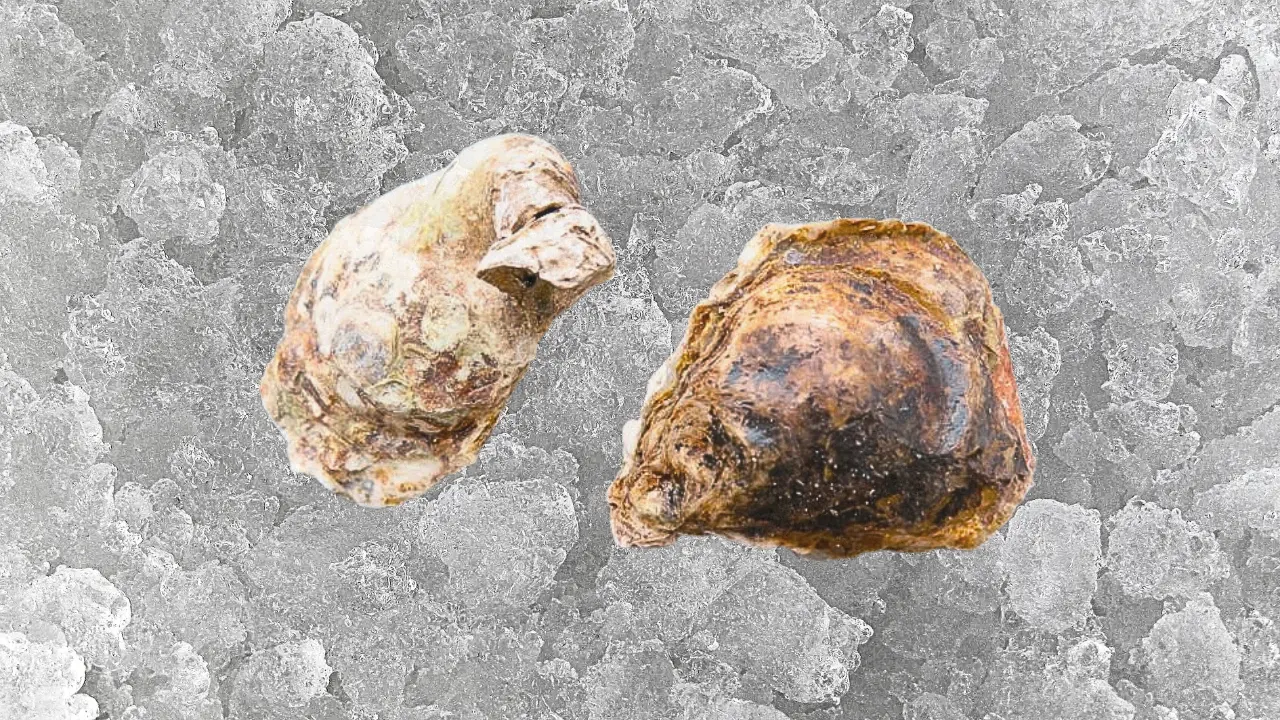
Eastern oyster
Pine Island — Pine Island — Strong minerality — mineral finish and slightly sweet. A solid farmed eastern oyster.
Flavor chart
Chef palate read
Shuckability
Shell & line performance
When I buy it
Look for Pine Island Oysters in peak season when salinity peaks.
How I serve it
On the half shell with minimal garnish — let the oyster speak.
What to watch for
Full brine with clean finish. Reject any with broken shells or milky liquor.
My read
Strong minerality — mineral finish and slightly sweet. A solid farmed eastern oyster.
What Are Pine Island Oysters?
Pine Island Oysters are farmed Eastern oysters from Oyster Bay on Long Island’s North Shore, New York. Flowers and Sons uses bottom-culture ranching over eighteen to twenty-four months on leased bay bottomlands. Market size runs three to four inches with year-round harvest when beds are open.
On the half shell the line reads sweet and salty with a mineral finish. Salinity near 28 ppt drives full meats and a rich brine similar to nearby Blue Point cups. The profile suits raw bars that want a classic Long Island Eastern oyster.
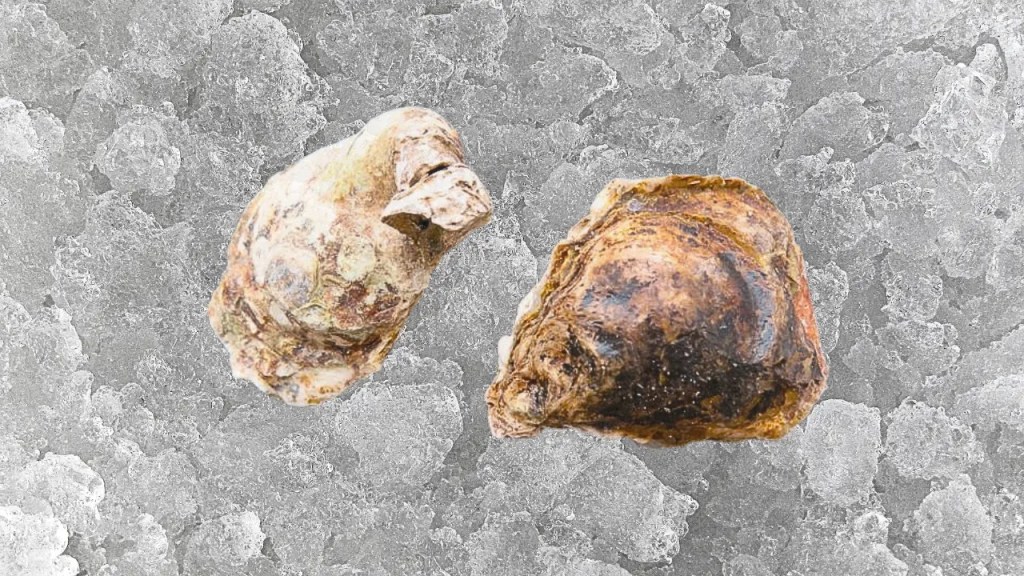
Shells show large ridged cups with sturdy exteriors built for half-shell service. Vacuum dredge harvest crews have worked these beds since the 1930s. Pine Island remains a Flowers and Sons trade label on New York and tri-state lists.
How Did Pine Island Oysters Get Their Name?
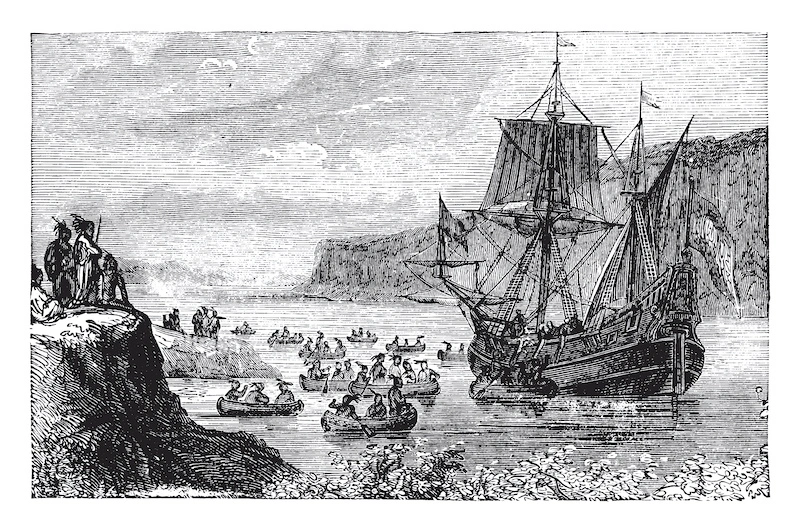
Pine Island Oysters take their name from Pine Island in Oyster Bay on Long Island’s North Shore. Flowers and Sons uses the place name for bottom-cultured cups from family leases in the bay. Buyers see Pine Island on tags from New York distributors and raw-bar programs.
Oyster Bay oystermen have ranched named bottomlands since the nineteenth century. Pine Island signals Flowers and Sons handling rather than a generic Long Island sack. That label marks local hatchery seed and bay-floor finish culture.
About Flowers and Sons
Flowers and Sons is among the last old-line New York oystermen working Oyster Bay on Long Island. The family launched Long Island’s first commercial oyster hatchery in 1962 after decades of bay harvesting. Hatchery, nursery, and bottomland sit nearby for a fully local ranching pipeline.
Crews grow seed in algae tubs before planting millions of oysters on leased bottomlands. Vacuum dredges pick mature cups for culling and half-shell grade when tides allow. That ranching model keeps Pine Island on menus across the metropolitan market.
Pine Island Oysters Information

Eastern oyster
If you like Pine Island Oysters, then check out these similar varieties!
Location
Pine Island oysters grow in Oyster Bay on Long Island’s North Shore in New York. The bay sits east of the Bronx and north of the Long Island Sound opening. Plankton-rich tidal exchange defines the ranching environment.
Flowers and Sons holds hatchery, nursery, and bottom leases around Bayville and Oyster Bay Cove. Seed stays local before crews plant on hard bay bottom for finish culture. Salinity typically runs twenty-five to thirty ppt through the season.
New York regulators classify Oyster Bay under state shellfish sanitation rules. Closed periods follow rainfall and water-quality sampling across the estuary. Responsible harvest keeps Pine Island on approved raw-bar lists when beds reopen.
Long Island Sound and inner-bay circulation deliver cold Atlantic water to the lease sites. Bottom culture on hard sand builds deep cups over two growing seasons. That geography shapes the sweet, salty Pine Island flavor signature.
Suggested Beverage Pairings
Wolffer Estate No. 139 Dry Rosé from Long Island mirrors Pine Island local provenance. Strawberry and citrus lift Oyster Bay salinity without overpowering mineral finish. Hamptons rosé style suits summer raw-bar service.
Domaine de la Pépière Muscadet Sèvre-et-Maine Sur Lie matches Long Island Eastern brine with lean acidity. Saline mineral notes echo Pine Island twenty-eight ppt cup character. Sur lie texture adds weight beside Flowers and Sons ranch cups.
Hendrick’s Gin Martini with a lemon twist frames Pine Island sweet and salty balance. Cucumber and rose notes soften Oyster Bay minerality while citrus brightens the swallow. Clean spirit pairing for classic Northeast half-shell programs.
Grey Goose vodka soda with lemon keeps Pine Island brine crisp and unfussy. Bubbles and citrus cut through creamy Eastern meats from bottom-cultured beds. Simple highball service works for large raw-bar pours.
Avion Silver Tequila Paloma adds grapefruit bitterness and lime acid to Pine Island cups. Agave sweetness rounds Oyster Bay salinity without hiding mineral finish. Southwestern twist suits adventurous pairing menus.
Where Can I Buy Pine Island Oysters?
- Fortune Fish & Gourmet – Fortune Fish distributes Pine Island oysters to wholesale buyers across the Midwest and East Coast.
- Island Seafood Market – Island Seafood Market lists Pine Island oysters among its fresh local seafood selection in Florida.
- Oysterater – Oysterater profiles Pine Island origin and flavor for enthusiasts sourcing through regional distributors.
- Oyster Tasting Guide – Oyster Tasting Guide indexes Long Island and Oyster Bay producers including Flowers and Sons labels.
References
- Fortune Fish & Gourmet :. Web. Accessed 30 May 2026. https://www.fortunefishco.net/oysters-east-coast/pine-island
- Oysterater :. Web. Accessed 30 May 2026. https://www.oysterater.com/oyster/pine-island/
- Island Seafood Market :. Web. Accessed 30 May 2026. http://islandseafood.net/about-us/
Discover more from The Oyster Encyclopedia
Subscribe to get the latest posts sent to your email.