


Chef’s Notes
Mason Bostwick · Executive Chef
Eastern oyster
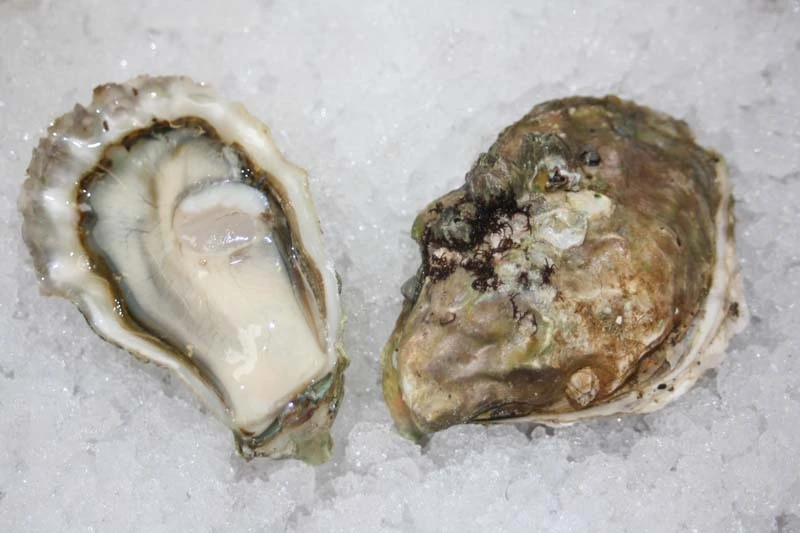
Pickering Pass — Pickering Pass — Strong minerality — cucumber finish. A solid tumbled pacific oyster.
Flavor chart
Chef palate read
Shuckability
Shell & line performance
When I buy it
Look for Pickering Pass Oysters in peak season when salinity peaks.
How I serve it
On the half shell with minimal garnish — let the oyster speak.
What to watch for
Full brine with creamy finish. Reject any with broken shells or milky liquor.
My read
Strong minerality — cucumber finish. A solid tumbled pacific oyster.
What Are Pickering Pass Oysters?
Pickering Pass Oysters are farmed Pacific oysters from Pickering Passage in southern Puget Sound, Washington. Growers use bag-to-beach culture in swift tidal currents across Mason County leases. Market size runs near three inches after one to three years in the water.
On the half shell the line reads medium brine with a bright cucumber finish. Salinity near 28 ppt balances mildly salty meats with sweet and fruity notes. The profile suits raw bars that want a classic South Sound Pacific cup.
Shells develop deep fluted cups from wave tumbling on staked beach bags. Plump whole meats fill each cup for half-shell presentation. Pickering Pass remains a well-known Washington appellation on West Coast oyster lists.
How Did Pickering Pass Oysters Get Their Name?
Pickering Pass Oysters take their name from Pickering Passage in southern Puget Sound. Charles Wilkes named the strait during the U.S. Exploring Expedition of 1838–1842. He honored naturalist Charles Pickering, who served on that voyage.
Washington oyster farmers adopted the place name for Pacific cups grown in the passage. Tags and distributor manifests use Pickering Pass to signal South Sound origin. The label marks geography rather than a single company brand.
About Pickering Pass Oyster Farms
Growers stake mesh bags on tidelands along Pickering Passage for bag-to-beach production. A twenty-foot tidal range and plankton-rich currents tumble shells into deep ridged cups. Many farms reach market size in about one year under those conditions.
Washington’s 1889 tideland ownership law enabled private oyster cultivation on these shores. Bag-to-beach methods remain common across Mason County and neighboring inlets. That framework supports the Pickering Pass trade label seen on half-shell menus nationwide.
Pickering Pass Oysters Information

Pacific oyster
If you like Pickering Pass Oysters, then check out these similar varieties!
Location
Pickering Passage lies in southern Puget Sound within Mason County, Washington. The strait runs from Case Inlet north toward Peale Passage and Hammersley Inlet south. Fast ebb and flood currents move plankton-rich water across farm bags.
The passage separates Harstine Island from the mainland near Olympia and Shelton. Depths reach about one hundred feet near McLane Cove at the north end. Shallower coves along the route hold many staked beach-culture leases.
Salinity near 28 ppt and cool Pacific Northwest water shape Pickering Pass flavor. Totten Inlet, Hammersley Inlet, and Case Inlet feed the same South Sound growing district. Wave action on beaches builds the cucumber finish chefs expect from the name.
State shellfish managers classify much of the passage under Washington growing-area rules. Farms coordinate harvest timing with rainfall and red-tide closures. That oversight keeps Pickering Pass oysters on approved lists for raw service year-round.
Suggested Beverage Pairings
Allagash White adds coriander and Curacao orange peel beside Pickering Pass cucumber finish. Light citrus and refreshing wheat body balance brininess on New Zealand half shells. Serve cold for casual raw-bar service.
Domaine de la Pépière Muscadet frames Pickering Pass salinity with mineral green fruit and high acidity. Crisp Loire character complements mildly salty cups while refreshing sweetness on the finish. A classic white for Pacific oysters.
A Hendrick’s Gin martini adds clean botanicals beside Pickering Pass bright cucumber finish. Sharp spirit cuts richness while cucumber echoes the cup’s clean marine close. Serve extra dry with a lemon twist.
Guinness Draught brings creamy roasted malt beside Pickering Pass briny sweet notes. Smooth bitterness complements plump full meats and creates harmonious balance on the half shell. Serve cold for stout-and-oyster fans.
Chateau Ste. Michelle Sauvignon Blanc adds grapefruit and mineral notes beside Pickering Pass cups. Vibrant acidity and citrus profile match fresh Pacific liquor on the raw bar. Serve well chilled between shells.
Where Can I Buy Pickering Pass Oysters?
- Seafoods of the World – Seafoods of the World in Billings, Montana lists fresh Pickering Pass oysters for online and in-store buyers when West Coast supply is available.
- Wild Salmon Seafood Market – Wild Salmon Seafood Market in Washington sells Pickering Pass oysters live in the shell from South Puget Sound farms.
- W.H. Stiles Fish Camp – W.H. Stiles Fish Camp at Atlanta’s Ponce City Market rotates Pickering Pass oysters on its raw shellfish bar during peak Pacific Northwest seasons.
- Pacific Coast Shellfish Growers Association – The Pacific Coast Shellfish Growers Association connects retailers with licensed Washington growers harvesting Pickering Passage stock.
References
- Seafoods of the World. Web. Accessed 30 May 2026. https://www.seafoodsoftheworld.com/product/fresh-pickering-pass-oysters/
- W.H. Stiles Fish Camp. Web. Accessed 30 May 2026. https://www.starprovisions.com/whstilesfish-camp
Discover more from The Oyster Encyclopedia
Subscribe to get the latest posts sent to your email.