



Chef’s Notes
Mason Bostwick · Executive Chef
Eastern oyster
Pickle Point — Pickle Point — Bold brine — umami. A solid farmed eastern oyster.
Flavor chart
Chef palate read
Shuckability
Shell & line performance
When I buy it
Look for Pickle Point Oysters in peak season when salinity peaks.
How I serve it
On the half shell with minimal garnish — let the oyster speak.
What to watch for
Full brine with creamy finish. Reject any with broken shells or milky liquor.
My read
Bold brine — umami. A solid farmed eastern oyster.
What Are Pickle Point Oysters?
Pickle Point Oysters are farmed Eastern oysters from New London Bay on Prince Edward Island, Canada. Raspberry Point Oyster Company finishes cups in rack-and-bag gear at Pickle Point after seed from cold PEI waters. Market size runs near three inches with year-round harvest.
On the half shell the line reads bold brine with umami depth and a creamy finish. Salinity near 28 ppt drives firm, plump meats with ivory-lipped cups. The profile suits raw bars that want a premium cold-water Eastern oyster.
Shells show robust deeply cupped exteriors that resist chipping on the shuck line. Rack-and-bag tumbling in New London Bay polishes edges and builds select-grade shape. Pickle Point sits among Raspberry Point’s most sought-after Prince Edward Island labels.
How Did Pickle Point Oysters Get Their Name?
Pickle Point Oysters take their name from Pickle Point in New London Bay, Prince Edward Island. Raspberry Point Oyster Company uses the place name for oysters finished on leases at that bay site. Buyers see Pickle Point on tags from the farm’s premium PEI lineup.
The label marks a specific grow-out site rather than a generic Prince Edward Island sack. Rack-and-bag culture at Pickle Point shapes the deep cup and bold brine chefs expect. That geography signals Raspberry Point handling from seed to select-grade harvest.
About Raspberry Point Oyster Company
Raspberry Point Oyster Company is a family-owned farm James and Marlene Power founded in 1992 on Prince Edward Island. The operation expanded into one of North America’s largest premium oyster producers with daily harvest from New London Bay. Pickle Point is among its rack-and-bag labels for select Eastern cups.
The farm holds provincial and federal licenses and CFIA accreditation for shellfish safety. Teams offer farm tours where visitors learn PEI cultivation and shucking. Ocean Wise recommends Raspberry Point oysters for sustainable sourcing on raw-bar menus.

Other Oysters from Raspberry Point Oyster Company
Pickle Point Oysters Information

Eastern oyster
If you like Pickle Point Oysters, then check out these similar varieties!
Oyster: Pickle Point
Species: Crassostrea Virginica
Cultivation Method: Pickle Point Oysters are grown using a rack-and-bag cultivation method. This method involves placing the oysters in bags held above the seabed on racks.
Seasonality:
Size: 3-3.5″
Culture Method: The cultivation of these oysters begins with raking them as seeds from the remote icy waters of Prince Edward Island (PEI). Once they reach a specific size, they transfer to Pickle Point in New London Bay for further growth.
Salinity: Early June – Fall
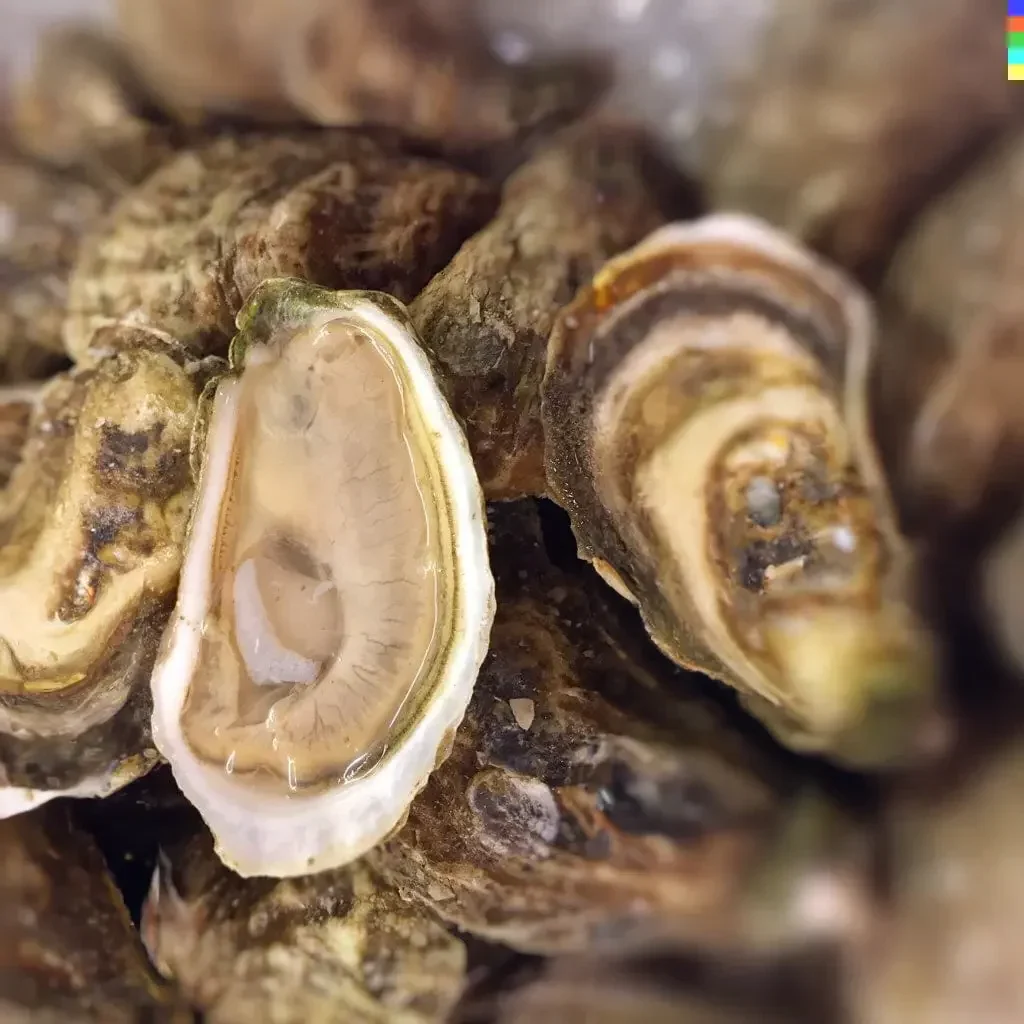
Appearance: Robust, deeply cupped shells that are chip and splinter-resistant, with a heavy, thick shell and ivory lips with glistening meats
Flavor Profile: Balanced brine with a distinct salty taste and a hint of umami flavor, making them a delightful choice for seafood enthusiasts.
Location
Pickle Point oysters grow in New London Bay on the north shore of Prince Edward Island, Canada. The bay sits near Hope River and Raspberry Point leases in cold Gulf of St. Lawrence water. That setting defines the line’s firm meats and high salinity.
Prince Edward Island’s red sandstone coast and shallow bays create strong tidal exchange for rack-and-bag gear. Seed starts in remote PEI waters before transfer to Pickle Point for finish culture. Cold nutrient-rich flow supports year-round harvest when ice allows.
Salinity near 28 ppt and cold Atlantic influence shape Pickle Point flavor through the grow-out season. New London Bay stays protected enough for rack-and-bag work yet open to clean Gulf exchange. Harvest crews grade for chip-resistant shells before trucks leave the island.
Canadian shellfish regulators monitor PEI bays under federal inspection programs. Raspberry Point coordinates handling and cold chain logistics for North American distributors. That infrastructure keeps Pickle Point on approved lists for raw service year-round.
Suggested Beverage Pairings
Domaine de la Pépière Muscadet frames Pickle Point brine with mineral citrus and lees texture. Bright Loire acidity keeps each slurp crisp on the half shell. A classic white for Atlantic virginica raw bars.
William Fèvre Chablis adds stony minerality beside Pickle Point salinity. Unoaked Chardonnay acidity complements brininess without masking sweet finish. Serve well chilled with minimally dressed cups.
Billecart-Salmon Brut Réserve adds fine bubbles and crisp acidity beside Pickle Point oysters. Yeasty brioche notes frame creamy meat while keeping brine forward. Serve ice-cold for celebratory half-shell service.
Porterhouse Oyster Stout brings roasted malt and subtle brininess beside Pickle Point cups. Creamy body balances opposites like spicy and salty raw-bar flavors. A stout match for firm Eastern meats.
Foggy Ridge Serious Cider adds apple acidity beside Pickle Point brinier cups. Refreshing carbonation cleanses the palate between shells without cloying sweetness. Serve chilled for casual oyster gatherings.
Where Can I Buy Pickle Point Oysters?
- Raspberry Point Oyster Company – Raspberry Point sells Pickle Point oysters direct from Prince Edward Island with shipping across Canada on qualifying orders.
- Seacore Seafood Inc. – Seacore Seafood distributes fresh Pickle Point oysters to wholesale and retail buyers from its Canadian seafood supply network.
- Ocean Wise Seafood – Ocean Wise recommends Raspberry Point oysters including Pickle Point for sustainable half-shell programs at partner restaurants.
- Oyster Tasting Guide — Raspberry Point – Oyster Tasting Guide profiles Raspberry Point Oyster Company and lists distributor contacts for Pickle Point PEI oysters.
References
- Raspberry Point Oyster Company. “Pickle Point Oysters.” Web. Accessed 12 Jun 2026. https://raspberrypoint.com/products/pickle-point-oysters/
- Seacore Seafood Inc. “Pickle Point Oysters.” Web. Accessed 12 Jun 2026. https://www.seacoreseafood.com/product/Pickle_Point_Oysters
- Ocean Wise. “Seafood Search.” Web. Accessed 12 Jun 2026. https://www.oceanwise.org/
- Oyster Tasting Guide. “Raspberry Point Oyster Co.” Web. Accessed 12 Jun 2026. https://oystertastingguide.com/farms/raspberry-point-oyster-co/
Discover more from The Oyster Encyclopedia
Subscribe to get the latest posts sent to your email.