

Chef’s Notes
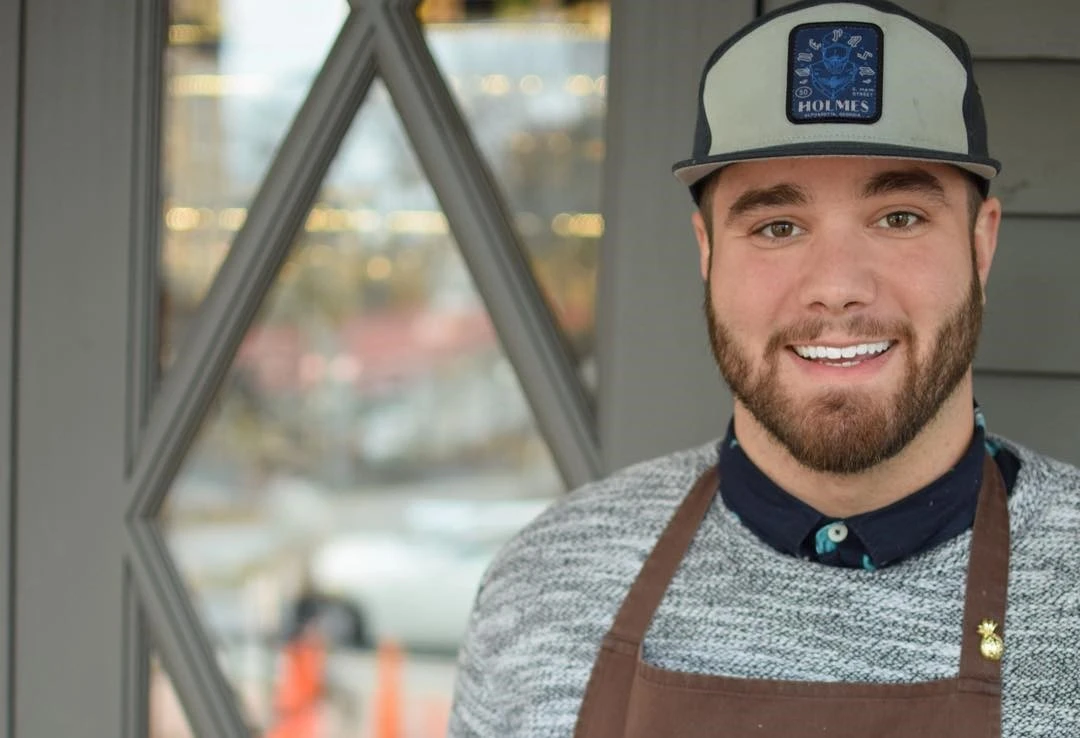
Mason Bostwick · Executive Chef
Eastern oyster
Perky Sea Cup — Perky Sea Cup — Strong minerality — earthy. A solid farmed eastern oyster.
Flavor chart
Chef palate read
Shuckability
Shell & line performance
When I buy it
Look for Perky Sea Cup Oysters in april when salinity peaks.
How I serve it
Raw on the half shell or briefly grilled with compound butter.
What to watch for
Full brine with creamy finish. Reject any with broken shells or milky liquor.
My read
Strong minerality — earthy. A solid farmed eastern oyster.
If you like Perky Sea Cup Oysters, then check out these similar varieties!
What Are Perky Sea Cup Oysters?
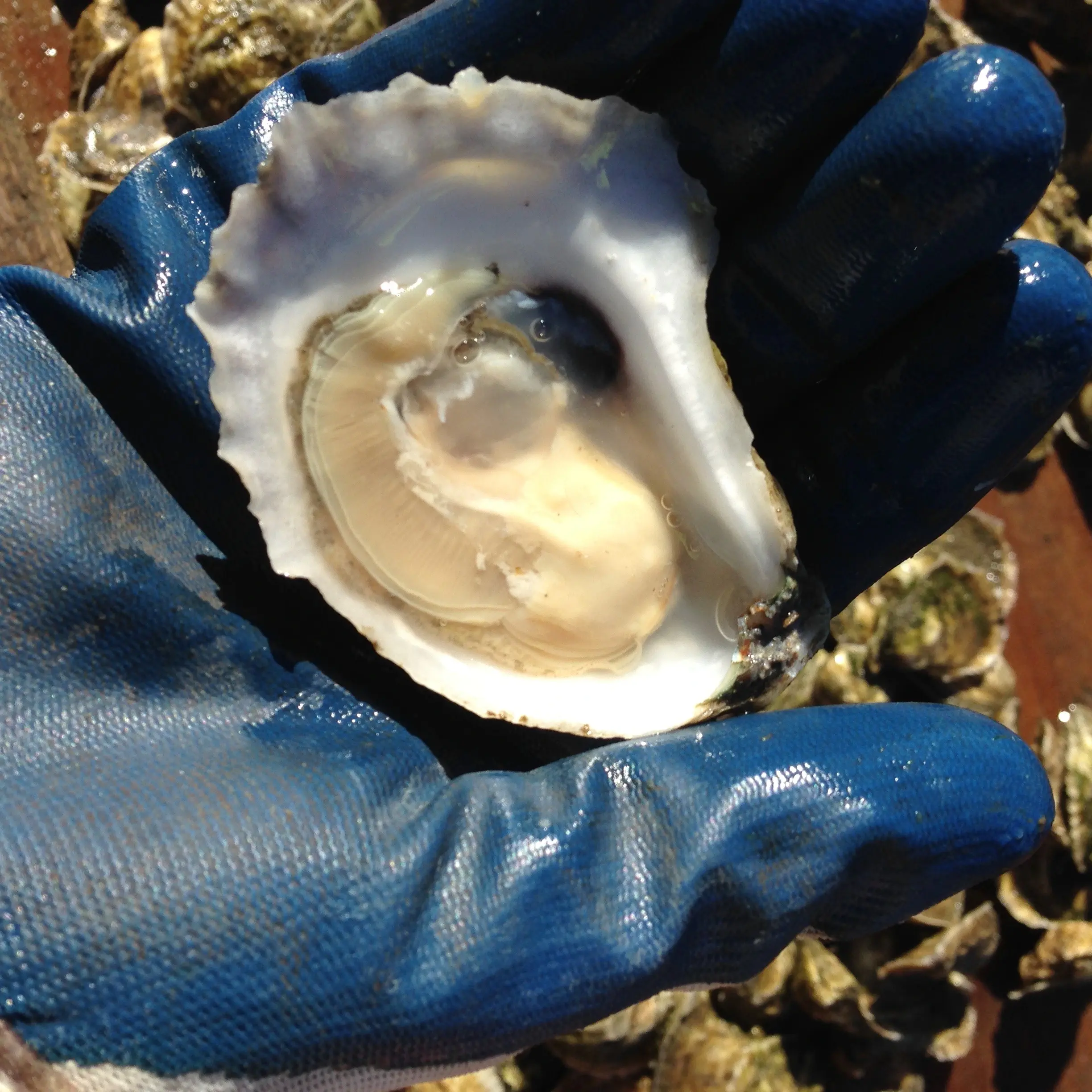
Perky Sea Cup Oysters are farmed Eastern oysters from the Stono River near Charleston, South Carolina. Charleston Oyster Farm bottom-plants cups for twelve to eighteen months in high-salinity marsh water. Market size runs three to four inches with year-round harvest when conditions allow.
On the half shell the line reads bold brine with vegetal and earthy notes. Salinity near 32–34 ppt drives a clean mineral finish on creamy meats. The profile suits raw bars that want a salty Lowcountry cup.
Shells show smooth gray-white exteriors with deep rounded cups. Barnacles and marine growth often mark beach-planted stock from open-cage culture. Perky Sea Cup remains a flagship label for Charleston Oyster Farm half-shell programs.
How Did Perky Sea Cup Oysters Get Their Name?
Perky Sea Cup Oysters take their trade name from Charleston Oyster Farm branding on the Stono River. The Perky Sea Cup label highlights deep cups and lively salinity from Lowcountry marsh water. Buyers see the name on tags from Charleston-area raw bars and farm-direct sales.
Charleston Oyster Farm coined the playful Perky Sea Cup name for its largest select grade. The label signals premium size and strong brine rather than a separate reef appellation. That branding helps chefs distinguish farm cups from generic South Carolina sacks.
About Charleston Oyster Farm
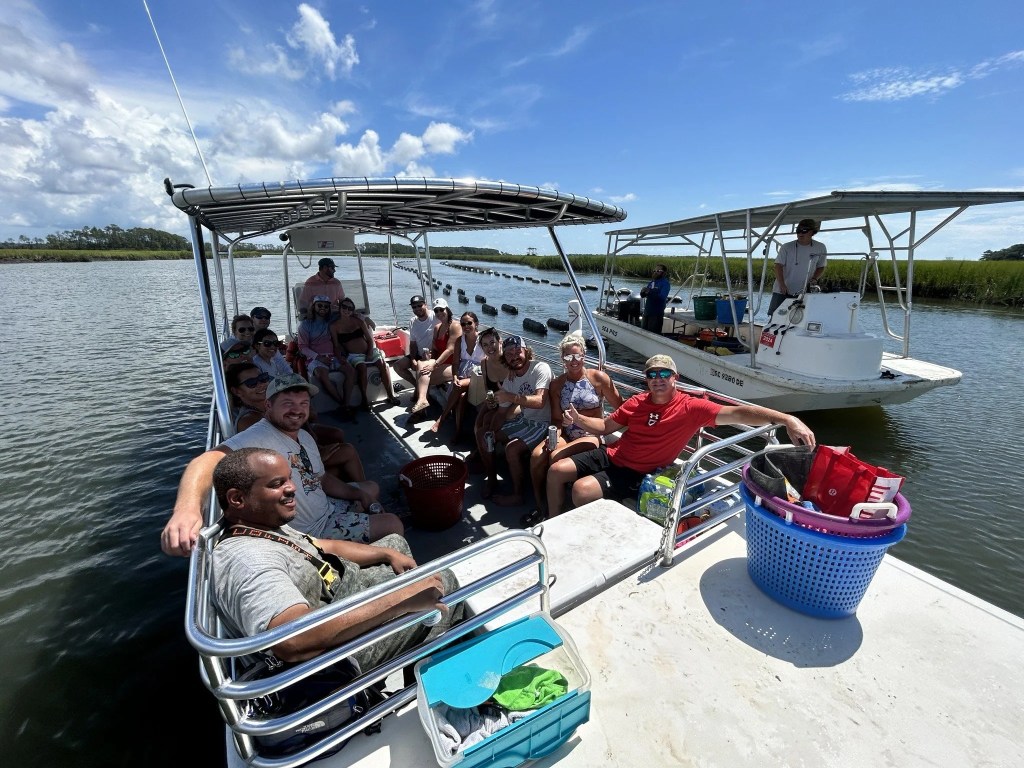
Charleston Oyster Farm launched in 2013 on the Cooper and Stono rivers near Charleston, South Carolina. Growers use open-cage systems and local seed from Lady’s Island Oysters to maximize tidal flow. A grader-sorter-tumbler separates sizes and limits biofoul on each crop.
The farm supplies The Darling Oyster Bar and other Charleston restaurants with marsh-to-table oysters. Teams partner with Oyster South and the South Carolina Aquarium on sustainable aquaculture outreach. Perky Sea Cup sits among the farm’s best-known trade labels for half-shell service.

Perky Sea Cup Oysters Information

Eastern oyster
Location
Perky Sea Cup oysters grow in the Stono River near Folly Beach and Charleston, South Carolina. The estuary mixes Atlantic saltwater with Lowcountry marsh outflow through daily tidal exchange. That placement shapes the line’s high salinity and vegetal finish.
Salinity in the Stono River typically runs 32–34 ppt through much of the year. Water temperatures from 50°F to 80°F support steady growth across seasons. Low sediment loads help keep meats clean for raw service.
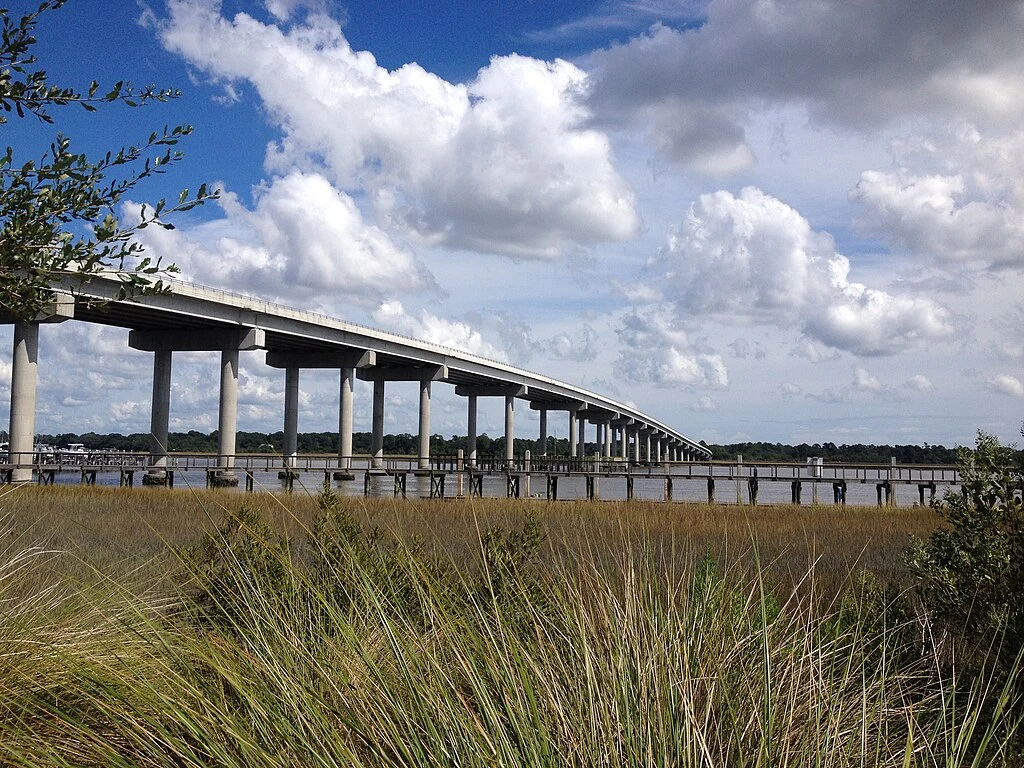
Tidal cycles flush nutrients and oxygen across Charleston Oyster Farm leases. Soft muddy bottom gives young oysters stable footing for filter feeding. Those conditions define the Perky Sea Cup flavor signature on Lowcountry menus.
Charleston-area farms sit within a growing South Carolina mariculture corridor. State programs promote sustainable shellfish growth along working waterfronts. Perky Sea Cup buyers benefit from short farm-to-table routes through local distributors.
Suggested Beverage Pairings
This Belgian-style white ale complements the salty flavor of East Coast oysters. It has a crisp, refreshing taste. Subtle spices enhance the oyster’s natural flavors without overpowering them.
This champagne’s effervescence and acidity cut through the oysters’ richness. At the same time, its delicate fruit notes complement their saltiness. On the other hand, the champagne’s minerality also enhances the oyster’s natural flavors.
This dry and crisp white wine from the Loire Valley is a classic pairing for oysters. It has high acidity and mineral notes that balance the oyster’s saltiness, creating a refreshing and harmonious taste experience.
This grapefruit-based cocktail pairs well with creamy West Coast oysters. The citrus and tequila in the Paloma cut through the richness of the oysters. At the same time, the grapefruit’s sourness enhances their natural flavors.
This Belgian lambic beer blends aged and young lambic. It offers a tart and fruity flavor profile. As a result, its acidity and minerality complement the saltiness of oysters, while its fruit notes enhance their natural flavors.
Where Can I Buy Perky Sea Cup Oysters?
- Charleston Oyster Farm – Charleston Oyster Farm sells Perky Sea Cup oysters direct with a marsh-to-table delivery model for docks and doorsteps in the Lowcountry.
- The Darling Oyster Bar – The Darling Oyster Bar in Charleston lists farm-direct oysters from Charleston Oyster Farm on its raw bar when season and supply allow.
- Explore Charleston — Restaurants – Explore Charleston lists partner restaurants across the city that feature Lowcountry oysters from area farms including Charleston Oyster Farm labels.
- Oyster South – Oyster South connects Gulf and South Atlantic growers with chefs and retailers. Use their network to locate Charleston Oyster Farm stock outside South Carolina.
Stay Connected with The Oyster Encyclopedia!
Follow us on social media to get the latest updates, oyster recipes, and behind-the-scenes glimpses into the world of oysters:
Stay tuned for exclusive content, oyster trivia, and more! Engage with our vibrant community of oyster enthusiasts by liking, commenting, and sharing our posts. Your support helps us continue providing valuable oyster knowledge to fellow seafood lovers worldwide.
References
- Charleston Oyster Farm. Web. Accessed 30 May 2026. https://www.charlestonoysterfarm.com/
Discover more from The Oyster Encyclopedia
Subscribe to get the latest posts sent to your email.