


Chef’s Notes
Mason Bostwick · Executive Chef
Eastern oyster
Pelican Reef — Pelican Reef — Strong minerality — buttery and clean. A solid long-line eastern oyster.
Flavor chart
Chef palate read
Shuckability
Shell & line performance
When I buy it
Look for Pelican Reef Oysters in peak season when salinity peaks.
How I serve it
On the half shell with minimal garnish — let the oyster speak.
What to watch for
Full brine with creamy finish. Reject any with broken shells or milky liquor.
My read
Strong minerality — buttery and clean. A solid long-line eastern oyster.
What Are Pelican Reef Oysters?
Pelican Reef Oysters are farm-raised Eastern oysters from Cedar Key Seafarms off Cedar Key, Florida. Growers raise them on long-line leases in off-bottom cages. Cups reach 2–3 inches with year-round availability.
On the half shell the line reads buttery and clean with salinity near 25–30 ppt. Meats stay plump with a briny, slightly sweet finish. Strong minerality comes through with a creamy note typical of Gulf spring-fed estuary oysters.
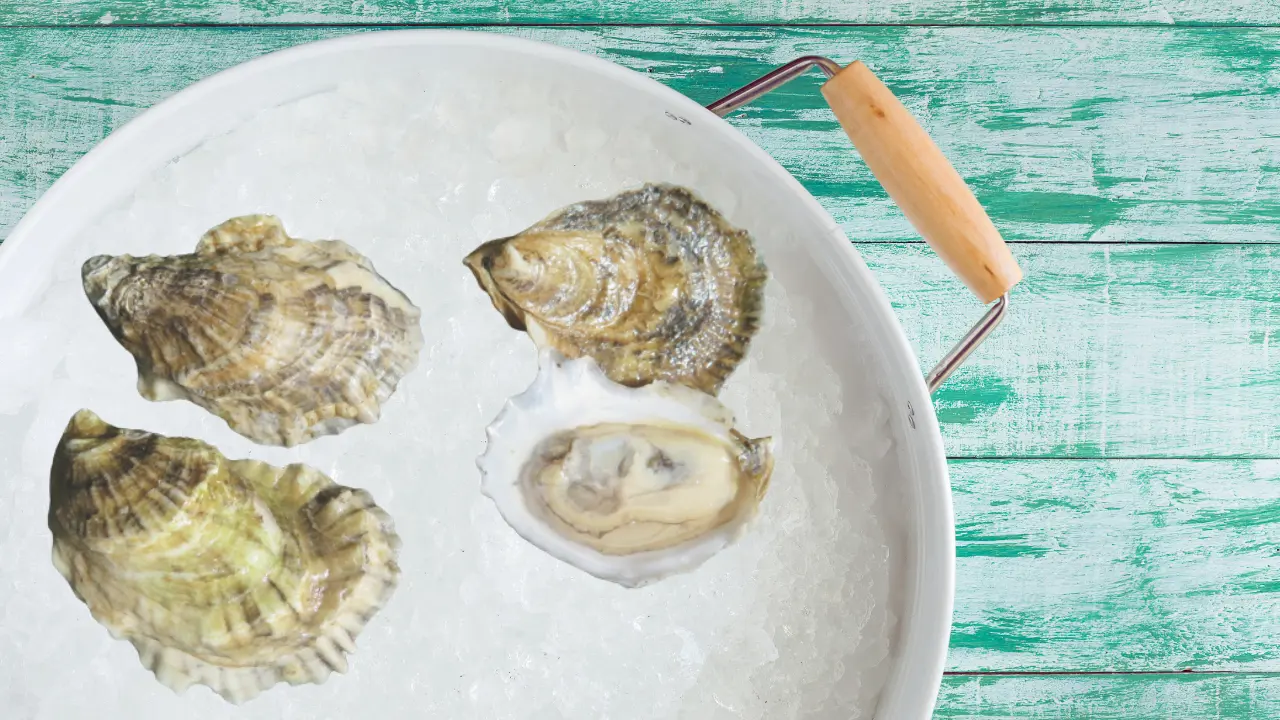
Shells show a classic teardrop shape and a deep cup. Rippled edges often carry green or brown fluting. The profile suits raw service and simple chilled platters where Gulf sweetness can shine.
How Did Pelican Reef Oysters Get Their Name?
Pelican Reef Oysters take their name from the nearshore reef zone off Cedar Key where the farm sites its leases. Cedar Key Seafarms chose the reef name to tie the SKU to that productive Gulf patch. Buyers see Pelican Reef on tags and distributor manifests.
Pelicans are common over the oyster grounds along this barrier island chain. The brand signals place rather than a generic Florida Gulf tag. That reef identity helps chefs and retailers distinguish the line from other Gulf Eastern oysters.
About Cedar Key Seafarms
Cedar Key Seafarms is a family-owned wholesale grower based on Cedar Key, Florida. Mike and Heath Davis shifted the Davis seafood legacy from wild harvest toward clam farming after the 1995 net ban. By 2012 the team added Pelican Reef oysters as a premium Eastern line on long-line leases.

Growers use off-bottom cages and boat-based long-line gear to harvest clean, uniform cups. Rowan Jacobsen rated Pelican Reef four out of five stars on Oysterater for plump meats and Gulf sweetness. The operation remains wholesale-only while routing shellfish through partners such as Publix and Cedar Key restaurants.
Pelican Reef Oysters Information

Eastern oyster
If you like Pelican Reef Oysters, then check out these similar varieties!
Name: Pelican Reef
Species: Crassostrea Virginica
Cultivation Method: Farmed for 12-24 months
Culture Method: Off-bottom cages
Seasonality: Oct-Apr
Size: 2-3″ (cocktail size) 3-4″ (select size)
Salinity: 25-30 ppt
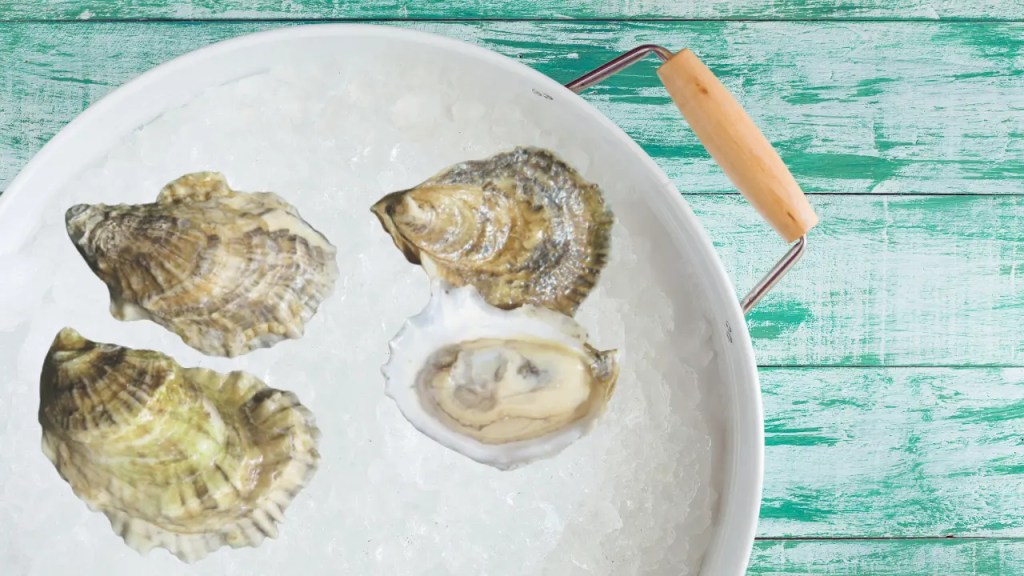
Appearance: Classic teardrop shape and a deep cup. They have a rippled shell with fluted edges often tinged with green or brown.
Flavor Profile: Briny, buttery, and slightly sweet, with a clean, crisp finish
Location
Pelican Reef oysters are cultivated in the waters off Cedar Key, Florida. Cedar Key sits on a small Gulf island roughly three miles from the mainland. Farm leases sit in estuaries fed by the Suwannee, Withlacoochee, and Waccasassa rivers.
Florida designates these waters among its Outstanding Florida Waters. River flow mixes with Gulf salinity to hold brininess near 25–30 ppt across much of the year. Nutrient-rich plumes help Eastern oysters grow fast, plump, and clean.
Long-line off-bottom cages keep shells off the muddy bottom while allowing strong tidal exchange. That method shapes the deep cups and striped shells Rowan Jacobsen praised on Oysterater. Harvest teams use boat-based gear to pull cages on a steady year-round schedule.
The island community shifted from wild harvest stress toward shellfish aquaculture in the late 1990s and 2000s. Pelican Reef production began in 2012 as Cedar Key rebuilt its oyster reputation. Today the reef name marks one of the Gulf Coast lines chefs watch each spring.
Suggested Beverage Pairings
This lager balances malt sweetness and hop bitterness. Caramel notes complement Gulf oyster sweetness. Hop bite cuts through the brine cleanly.
This wine is crisp, dry, and has a bright acidity, which can balance the saltiness of the oysters. Its subtle fruit flavors can also enhance the natural sweetness of the oysters, making it a harmonious pairing.
This Chablis brings minerality and bright acidity. Those traits lift brine and highlight sweet Eastern meat.
This dry and pale Spanish coastal wine pairs well with the oyster’s salt brine and earthy tones. Its nutty and yeasty flavors can add complexity to the pairing.
This Chardonnay shows buttery texture and tropical fruit. It mirrors the creamy Gulf cup on the half shell.
Where Can I Buy Pelican Reef Oysters?
- Cedar Key Seafarms – Contact Cedar Key Seafarms for wholesale distribution and regional availability. The Davis family operates as a wholesale distributor and routes Pelican Reef oysters through partner retailers.
- Publix Online – Publix lists Pelican Reef oysters on its online shop. Select a local store to check live inventory in your area.
- Steamers Clam Bar & Grill – Steamers in Cedar Key serves farm-raised Pelican Reef oysters on the half shell at its raw bar. The dockside spot is a reliable place to taste the line at source.
- Florida Publix seafood counters – Cedar Key Seafarms notes that its shellfish reach Publix stores across Florida. Ask the seafood counter to confirm Pelican Reef tags when Gulf oysters are in stock.
References
- Cedar Key Seafarms. Web. Accessed 12 Jun 2026. https://cedarkeyseafarms.com/
- Florida Shellfish Aquaculture Online Resource Guide. “Oysterater Features Cedar Key Oysters.” Web. Accessed 12 Jun 2026. https://shellfish.ifas.ufl.edu/news/oysterater-features-cedar-key-oysters/
- Publix. “Pelican Reef Oysters Live.” Web. Accessed 12 Jun 2026. https://www.publix.com/pd/pelican-reef-oysters-live/RIO-FNU-591994
- Steamers Cedar Key. Web. Accessed 12 Jun 2026. https://www.steamerscedarkey.com/
Discover more from The Oyster Encyclopedia
Subscribe to get the latest posts sent to your email.