


Chef’s Notes
Mason Bostwick · Executive Chef
Pacific oyster
Pearl Bay — Pearl Bay — Strong minerality — clean and cucumber finish. A solid farmed pacific oyster.
Flavor chart
Chef palate read
Shuckability
Shell & line performance
When I buy it
Look for Pearl Bay Oysters in may when salinity peaks.
How I serve it
On the half shell with minimal garnish — let the oyster speak.
What to watch for
Full brine with creamy finish. Reject any with broken shells or milky liquor.
My read
Strong minerality — clean and cucumber finish. A solid farmed pacific oyster.
Pearl Bay Oysters are a distinctive variety of Pacific Oysters (Crassostrea gigas) cultivated in. the deep, cold waters near Vancouver Island, British Columbia, specifically in the Jervis Inlet. This method ensures that the oysters are never exposed to air. Therefore, they maintain their medium-high brininess, smooth, sweet flavor, and refreshing cucumber finish.
The suspension tray farming technique protects oysters from predators, mud, sand, and silt. This results in oysters with beautiful shells and deep cups. However, this method makes their shells brittle, challenging oyster shuckers. These oysters are available from September to July. They offer a unique taste experience that confidently reflects the purity and richness of their growing environment.

Distinguishing Pearl Bay Oysters from other Pacific Oysters involves considering their flavor profile,. cultivation method, and the environmental conditions of their habitat. Pearl Bay oysters boast a unique taste, including a mild watermelon flavor and a clean finish. The general Pacific Oyster varieties typically have a sweeter taste. They also have a less salty flavor, with nuances that range from creamy to herbaceous.
The specific conditions of Pearl Bay, characterized by its deep,. cold, and nutrient-rich waters, influence the flavor of these oysters significantly. This environment contrasts with the range of habitats across which Pacific Oysters are cultivated. The adaptability of Pacific Oysters to various environmental conditions is remarkable. This, combined with the distinct “merroir” of Pearl Bay, highlights the uniqueness of Pearl. Bay Oysters within the broader Pacific Oysters category.
Mac’s Oysters Ltd., a family-owned and operated company with a rich history in the. oyster farming industry, expertly manages the cultivation and distribution of Pearl Bay Oysters. They operate in the heart of the region they harvest. Mac’s is committed to sustainable farming practices that not only ensure the health. and quality of the oysters but also protect the natural environment of Pearl Bay. This dedication to excellence and sustainability is what allows Pearl Bay Oysters to stand out. It reflects the company’s deep understanding of the intricate balance required to produce oysters. These oysters are genuinely exceptional in flavor and quality.
What Are Pearl Bay Oysters?
Pearl Bay Oysters are a farmed Pacific oyster (Crassostrea gigas) from British Columbia. Mac’s Oysters raises them in suspended trays in Jervis Inlet. The trays keep oysters submerged and off the bottom. That method protects meat quality through the grow-out cycle.
On the half shell they show moderate salinity near 20–24 ppt. The flavor reads clean and sweet with a cucumber finish. Cold, nutrient-rich inlet water shapes that profile directly. Chefs often note a mild watermelon nuance as well.
Tray culture yields thin shells with deep cups and vivid color. Shells can show gray-green, purple, gold, or jade tones. Brittle shells demand careful shucking but reward with full cups. Year-round availability makes Pearl Bay a steady West Coast choice.
How Did Pearl Bay Oysters Get Their Name?
The Pearl Bay name reflects the oyster lease and inlet site on British Columbia’s coast. Mac’s Oysters markets this line under the Pearl Bay label for chefs and distributors. Tags reference the bay name rather than a single beach trademark. That helps buyers match invoices to the correct Jervis Inlet stock.
Pearl evokes the clean, lustrous cups tray culture can produce in cold water. Bay ties the oyster directly to its sheltered inlet habitat. Together the words signal Pacific oysters from a named British Columbia site. The label distinguishes this Mac’s line from their broader Fanny Bay offerings.
About Mac’s Oysters LTD.
Mac’s Oysters is a family-owned shellfish company founded in 1947. The McLellan family pioneered modern Pacific oyster farming in British Columbia. Joseph McLellan brought Japanese oyster seed to beaches around Fanny Bay. That move helped build the region’s shellfish industry.

Today the company operates from Baynes Sound near Fanny Bay. It processes a major share of British Columbia’s farmed oysters and clams. Gordy McLellan continues the family tradition with rigorous safety standards. The Canadian Shellfish Sanitation Program oversees their harvest protocols.
Mac’s distributes Pearl Bay oysters domestically and internationally. The team maintains its reputation through sustainable farming and careful handling. Visit the Mac’s Oysters website for updates and harvest news. Follow their Instagram for recipes and behind-the-scenes farm content.
Pearl Bay Oysters Information

Pacific oyster
Location
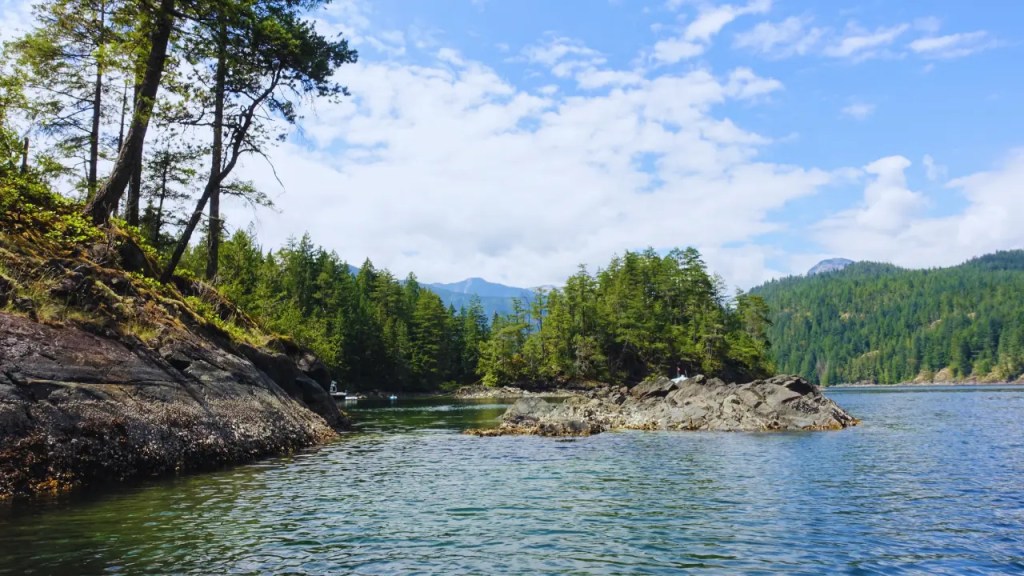
Pearl Bay oysters grow in Jervis Inlet on British Columbia’s Sunshine Coast. Mac’s Oysters farms suspended trays in this deep, cold water body. The inlet sits on the province’s central coast near Vancouver Island. That geography defines the line’s flavor and handling profile.
Cold inlet temperatures stay steady without harmful swings for Pacific oysters. Freshwater input helps keep salinity within the ideal grow-out range. Phytoplankton-rich water supplies steady food for tray-held stock. Those factors support healthy shell growth and firm meat.
Pristine water quality limits pollution and heavy sediment in the lease area. Tidal flow refreshes food and oxygen around each tray depth. Farmers adjust suspension depth to limit stress from blooms or heat. Those conditions make Jervis Inlet a strong site for Pearl Bay oysters.
Suggested Beverage Pairings
The creamy, roasted flavors of Guinness Stout make it a classic pairing for oysters. The beer’s earthy intensity is a perfect foil for the oysters’ briny and slightly gamey flavors. As a result, creating a harmonious balance between the two.
This Belgian-style Tripel, with its notes of passion fruit and herbs, offers a sublime contrast to the mineral taste of East Coast oysters. The beer’s fruitiness and slight sweetness can enhance the oysters’ natural flavors without overpowering them.
A gin martini, especially one made with cucumber-infused Hendrick’s Gin, can amplify Pacific oysters’ unique characteristics. The gin’s juniper berry and herbal notes make the seafood flavors pop, providing a refreshing and elegant pairing.
Brewed with dill and spicy red pepper flakes, this beer can replace accouterments. Sauces like hot sauce and vinegar-based mignonette when paired with standard East Coast oysters. Its unique flavor profile complements the oysters’ taste, adding an exciting twist to the pairing.
Muscadet, particularly from the Loire Valley, is often considered the ultimate wine pairing for oysters. This is due to its light body, crisp acidity, and mineral notes. The wine enhances the oysters’ sweetness while muting their salinity, resulting in a clean and refreshing finish.
Where Can I Buy Pearl Bay Oysters?
- Mac’s Oysters LTD – Mac’s Oysters Ltd. is a fourth-generation family-owned business based in Fanny Bay, British Columbia, specializing in the cultivation and distribution of shellfish, including oysters and clams. Established in 1947, the company has grown to become one of the leading shellfish processors in the region, known for its commitment to sustainable farming practices and producing high-quality, flavorful oysters like the Pearl Bay Oysters.
References
- Pearl Bay Oyster. Vendor listing referenced in Where Can I Buy section. Accessed 30 May 2026.
Discover more from The Oyster Encyclopedia
Subscribe to get the latest posts sent to your email.