



Chef’s Notes
Mason Bostwick · Executive Chef
Eastern oyster
Paramour — Paramour — Strong minerality — clean finish and crisp citrus. A solid farmed eastern oyster.
Flavor chart
Chef palate read
Shuckability
Shell & line performance
When I buy it
Look for Paramour Oysters in peak season when salinity peaks.
How I serve it
Raw on the half shell or briefly grilled with compound butter.
What to watch for
Full brine with clean finish. Reject any with broken shells or milky liquor.
My read
Strong minerality — clean finish and crisp citrus. A solid farmed eastern oyster.
Paramour oysters are a unique and sought-after variety that stands out from other oysters due to their distinct characteristics. Hailing from the West Passage of Narragansett Bay, these thick-shelled gems are effortless to. shuck and boast a classic Maritime flavor profile. Their robust and salty taste is balanced by a slightly sweet finish, making them a delight for oyster enthusiasts.
The unique terroir of Paramour oysters is shaped by the crisp,. cold waters of Narragansett Bay, setting them apart from others. This environment imparts a distinct flavor profile that is both robust and refined. Unlike other oysters, Paramour oysters are known for their firm meat. and clean, fruity finish due to their slow growth rate. and careful cultivation.
Paramour oysters possess high value for their versatility, making them enjoyable in various ways. Whether served raw on the half shell, grilled, or baked, these oysters are sure to impress. Their unique flavor profile and firm texture make them an excellent choice for oyster enthusiasts and novices. With their rich, oceanic flavor and satisfying bite, Paramour oysters are a true delicacy that will leave a lasting impression.

What Are Paramour Oysters?
Paramour Oysters are farmed Eastern oysters from the West Passage of Narragansett Bay in Rhode Island. They belong to Crassostrea virginica, the classic Atlantic species prized on raw bars. Growers use bottom culture to raise deep-cupped shells in the bay rocky passages. The line is known for thick shells that shuck cleanly and hold a firm bite.
On the half shell, Paramour oysters show notes of sweet honey, crisp citrus, and a hint of smoky undertones. Brininess is balanced by subtle fruitiness for a harmonious taste. The finish stays long and clean with lingering sweetness. Salinity near 28 ppt gives a classic Maritime snap without harsh salt.
Shells run dark rugged green from 2 ¾″ to 3 ¼″ with white-to-brown iridescent cups. A firm texture and deep cup make them ideal for raw service or gentle heat. Chefs value their versatility on platters, grills, and baked preparations. The profile suits both oyster novices and seasoned raw-bar regulars.
How Did Paramour Oysters Get Their Name?
The name “Paramour” is derived from the French word “paramour,” meaning “lover” or “sweetheart.” This name reflects the oyster’s ability to captivate and delight even the most refined palates. The term also evokes sophistication and elegance for an oyster with firm texture and crisp brininess. A clean, honeyed finish makes the romantic label feel earned on the plate.
The Paramour oyster’s unique name is a testament to its exceptional quality and the allure it holds for oyster enthusiasts. Whether enjoyed raw on the half shell or prepared in various culinary ways, the Paramour oyster will leave a lasting impression. Its name promises a delightful and memorable dining experience, making it a true delicacy in the world of oysters.
“Paramour” also hints at the oyster’s exclusive and refined nature. As an oyster that is carefully cultivated and harvested, the Paramour is a treasure cherished by those who have the privilege of savoring it. The name “Paramour” thus becomes a badge of honor, signifying the oyster’s exceptional quality and unique place in the hearts of oyster connoisseurs.
About American Mussel Harvesters
American Mussel Harvesters, Inc. (AMH) was founded in 1986 with humble beginnings, starting with just one phone, truck, and mussel boat. The company established a few core ideas and committed to providing high-quality shellfish. Over the years, AMH has become one of North America’s largest producers of mussels, expanding its offerings to include clams and oysters.

AMH operates farms in Narragansett Bay and Rhode Island Sound, where they cultivate their shellfish using sustainable and ecologically sensitive practices. The company has formed strategic alliances with independent shellfish farmers, allowing them to focus on growing while AMH handles the marketing and distribution. This collaboration ensures a steady supply of fresh, flavorful shellfish that meets the high standards of their Restaurant Ready® line.
The company’s commitment to sustainability extends to its processing facilities, which have significantly reduced freshwater consumption and implemented water recirculation systems. AMH’s dedication to quality and sustainability has made it a trusted supplier for restaurants and seafood enthusiasts, providing live shellfish that are both delicious and environmentally friendly
Follow Them
Stay up-to-date on when these sought-after oysters will be released by following American Mussel Harvesters on Facebook and Instagram. You won’t miss your chance to get a batch of these rich, briny beauties with their distinctive dark shells and harmonious blend of bold and sweet flavors. Head to their website now to learn more about Midnight Kiss and American Mussel Harvesters’ full range of premium oyster varieties. Don’t let this fleeting opportunity to experience oyster perfection pass you by!
About the Paramour Farm
Paramour oysters are farmed in Narragansett Bay using bottom culture across the West Passage. Growers follow site-specific handling that shapes shell depth and meat quality. Each stage reflects conditions noted on distributor tags for this SKU.
Culture relies on bottom culture across the production cycle. Seasonality runs year-round once cups reach 3 inches. The approach keeps flavor aligned with the location section below.
Paramour Oysters Information

Eastern oyster
If you like Paramour Oysters, then check out these similar varieties!
Location
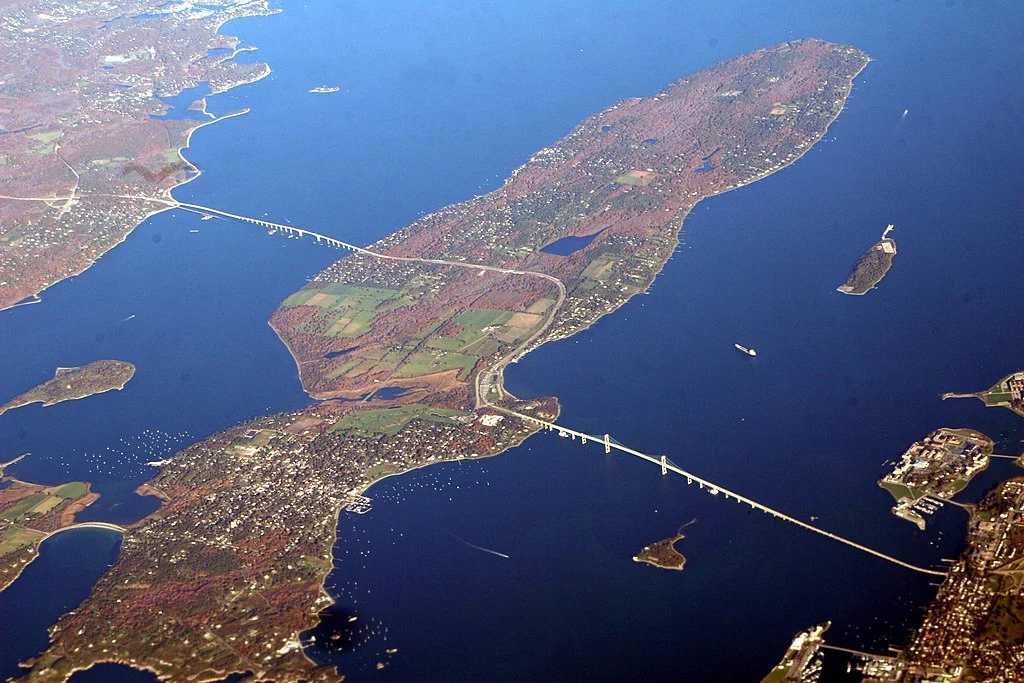
Paramour Oysters grow in the West Passage of Narragansett Bay in Rhode Island. This location provides a unique combination of environmental factors that support oyster growth. Cold Atlantic influence and protected bay geometry shape the West Passage microclimate.
The character of the bottom in Narragansett Bay is particularly suitable for oyster cultivation. The bay’s glacially cut West Passage provides a rugged, rocky bottom that allows oysters to grow well. This bottom type is ideal, as oysters can thrive on hard, rocky surfaces or semihard mud that can support their weight. Shifting sand and soft mud are the only types of bottoms that are unsuitable for oyster communities.
Water movements in the bay also play a crucial role in oyster growth. The bay’s tidal currents help maintain a consistent water flow, which is essential for oysters to filter food and maintain their health. Additionally, the bay’s salinity levels are suitable for oyster growth, with a mix of fresh and saltwater that creates a salty environment. This salinity balance is critical, as oysters require a certain level of saltiness to thrive.
The temperature and food availability in Narragansett Bay also contribute to the ideal conditions for Paramour oyster cultivation. The bay’s temperature ranges are suitable for oyster growth, and the abundance of phytoplankton and other food sources ensures that the oysters have a consistent supply of nutrients. These environmental factors combined create an ideal environment for Paramour oysters to grow and flourish.
Suggested Beverage Pairings
Gueuze Tilquin adds tart fruity funk beside Paramour brininess and sweetness. Crisp carbonation cleanses the palate between bites while lambic acidity keeps cups vivid. A sour-beer match for West Coast oysters.
Allagash Tripel brings passion fruit and herbs beside Paramour sweet fruity finish. Complex ale body balances brine while keeping each slurp lively on the half shell. Serve cold for beer-forward pairings.
Pierre Peters Blanc de Blancs adds crisp minerality beside Paramour cup richness. Fine bubbles and citrus cut through liquor while enhancing sweet close. Serve ice-cold for celebratory raw-bar flights.
Casamigos Blanco margarita adds lime acidity beside Paramour brininess and sweetness. Agave earthiness complements cup character while citrus keeps the pairing sharp. Serve on the rocks with a salted rim optional.
Vesper cocktail adds crisp herbal gin beside Paramour briny sweetness. Lillet Blanc and vodka keep the pour elegant while citrus cleanses between shells. Serve stirred and ice-cold in coupes.
Where Can I Buy Paramour Oysters?
- American Mussel Harvesters: Offers Paramour oysters in 25-count quantities for $31.25.
- JJ McDonnell: Provides Paramour oysters from Narragansett Bay with a complete ocean brine flavor profile and a slightly sweet finish.
Stay Connected with The Oyster Encyclopedia!
Follow us on social media to get the latest updates, oyster recipes, and behind-the-scenes glimpses into the world of oysters:
Stay tuned for exclusive content, oyster trivia, and more! Engage with our vibrant community of oyster enthusiasts by liking, commenting, and sharing our posts. Your support helps us continue providing valuable oyster knowledge to fellow seafood lovers worldwide.
Disclosure: This post contains affiliate links, which means that if you click on one of the product links and make a purchase, I may receive a commission. This does not affect the price you pay for the product. Thank you for supporting my blog.
References
- American Mussel Harvesters. Web. Accessed 30 May 2026. https://www.americanmussel.com/shop/oysters/
- :. Web. Accessed 30 May 2026. https://www.americanmussel.com/shop/oysters/
- JJ McDonnell. Web. Accessed 30 May 2026. https://www.jjmcdonnell.com/oysters-at-j-j/paramour
Discover more from The Oyster Encyclopedia
Subscribe to get the latest posts sent to your email.