


Chef’s Notes
Mason Bostwick · Executive Chef
Pacific oyster
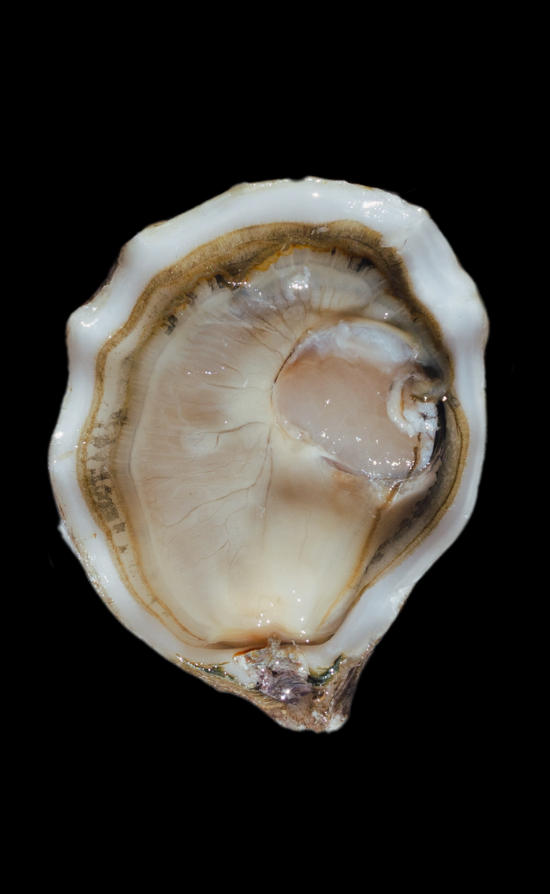
Pai Pai — Pai Pai — Strong minerality — cucumber and umami. A solid farmed pacific oyster.
Flavor chart
Chef palate read
Shuckability
Shell & line performance
When I buy it
Look for Pai Pai Oysters in peak season when conditions are optimal.
How I serve it
On the half shell with minimal garnish — let the oyster speak.
What to watch for
Mild salinity with creamy finish. Reject any with broken shells or milky liquor.
My read
Strong minerality — cucumber and umami. A solid farmed pacific oyster.
Quick Facts
- Pai Pai oysters are meticulously farmed using basket cultivation methods.
- They are a premium variety of Pacific oysters known for their high quality and flavor.
- These oysters tumble naturally with ocean currents in their baskets during growth.
- They are cultivated by Baja Shellfish Farms, located in Baja California.
- Pai Pai oysters thrive in nutrient-rich, brackish waters ideal for oyster growth.
What Are Pai Pai Oysters?
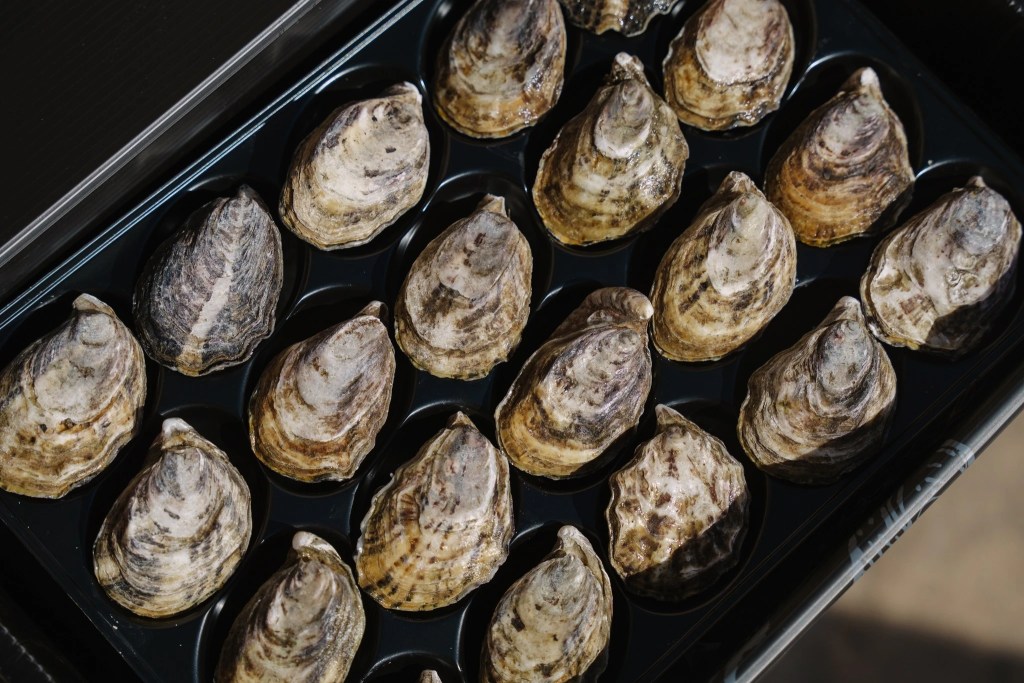
Pai Pai oysters stand out because they grow in a unique way that influences their shape and flavor. These oysters are raised using a special basket cultivation method, where they constantly tumble with ocean currents. This movement polishes their shells, making them smoother than most oysters. It also helps them develop a strong shell and a juicy meat-to-shell ratio that is rare in other oysters.
Their petite size makes them ideal for a perfect single bite, unlike bigger oysters that can feel heavy or difficult to eat. Another reason Pai Pai oysters are unique is their complex flavor. They offer a rich umami taste with notes that resemble salted egg yolk and a long-lasting sweet and buttery finish. This deep flavor profile contrasts with many oysters that only offer simple briny or mineral tastes.
The Pai Pai’s crisp texture and distinct flavor make it a favored choice for oyster lovers looking for something different in their raw oyster experience. Finally, Pai Pai oysters come from nutrient-rich, clean waters in Baja California, which contributes to their superior quality. The environment provides optimal temperatures and salinity that support healthy growth and vibrant flavors. The farm’s dedication to meticulous handling and rigorous quality control ensures consistent excellence.
How Did Pai Pai Oysters Get Their Name?
Pai Pai oysters are named to honor the Paipai (also spelled Pai Pai) Indigenous people of northern Baja California, Mexico. The Paipai are a native community with a rich cultural history and traditional territory located between the Kiliwa to the south and the Kumeyaay to the north. Naming the oysters after this group pays tribute to the area’s Indigenous heritage. It recognizes their longstanding ties to the land and waters where the oysters are farmed.
The oyster farm vessels and products reflect this homage by proudly bearing the names of local Indigenous groups, such as Pai Pai and Kiliwa. This naming reflects respect for the cultural significance and traditions of these communities. It blends local identity with sustainable oyster farming practices in Baja California.
Thus, the Pai Pai oyster name connects the premium shellfish to the historical and cultural roots of Baja California. It highlights the natural environment where these oysters thrive. It honors the people who have lived alongside these ecosystems for centuries.
About Baja Shellfish Farms
Baja Shellfish Farms raises Pai Pai oysters in Australian-style baskets suspended in Baja California waters. Oysters tumble naturally with currents to polish shells and limit lateral growth. The off-bottom method protects oysters from sediment and many bottom predators. Grow-out runs about eighteen to thirty-six months depending on target size and grade.
The farm uses suspended bags and rack systems in nutrient-rich, clean waters to optimize growth. Teams monitor salinity, temperature, and oyster health for consistent premium quality. This careful handling produces polished shells, firm texture, and the complex flavor profile Pai Pai is known for.
The Cultivation Process
Pai Pai oysters are cultivated using a specialized basket method that helps create their unique characteristics. The oysters sit inside Australian-style baskets suspended in the ocean and tumble naturally with currents. This movement polishes shells and promotes strong shell development. The off-bottom culture method also protects oysters from sediment build-up and many bottom predators.
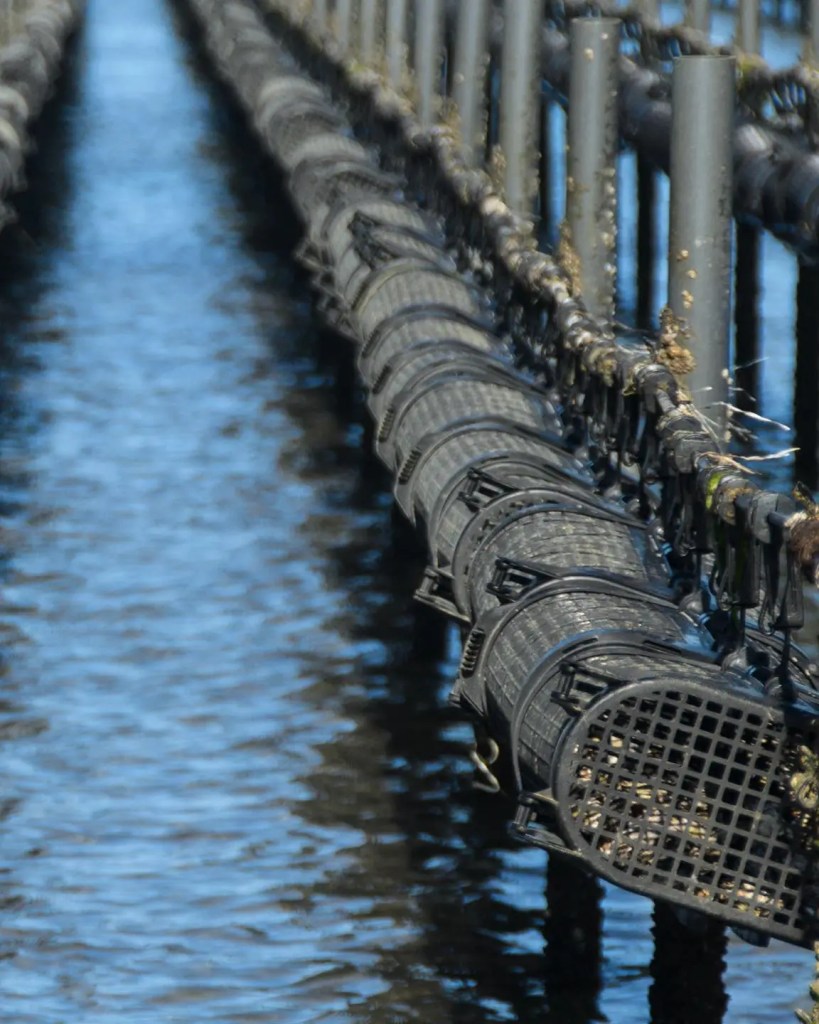
The cultivation process at Baja Shellfish Farms involves growing Pai Pai oysters for around eighteen to thirty-six months. Suspended bags and rack systems sit in nutrient-rich, clean waters of Baja California to optimize growth conditions. These waters provide ideal salinity and temperature for healthy oyster development. This careful handling produces oysters with polished shells, firm texture, and a complex flavor profile.
About Baja Shellfish Farms

Baja Shellfish Farms is a leading aquaculture company located near Ensenada, Baja California. Founded in 1991 by oceanologist Sergio Guevara, the company started as a small, focused effort to raise shellfish sustainably. From the beginning, its goal has been to produce high-quality oysters while protecting the surrounding marine environment. This commitment to sustainability and quality has earned Baja Shellfish Farms a strong reputation nationwide and internationally among seafood buyers and chefs alike.
The farm benefits from the nutrient-rich coastal waters influenced by cool upwelling currents from the Pacific Ocean. These natural conditions promote healthy growth and robust flavor in shellfish. Baja Shellfish Farms uses off-bottom culture systems, which suspend oysters in the water to keep them safe from predators and sediment. The farming gear is carefully positioned to maximize tidal flow, which strengthens oyster shells and supports consistent meat quality. Workers handle the oysters with care to ensure each one develops a deep cup and firm, plump texture.
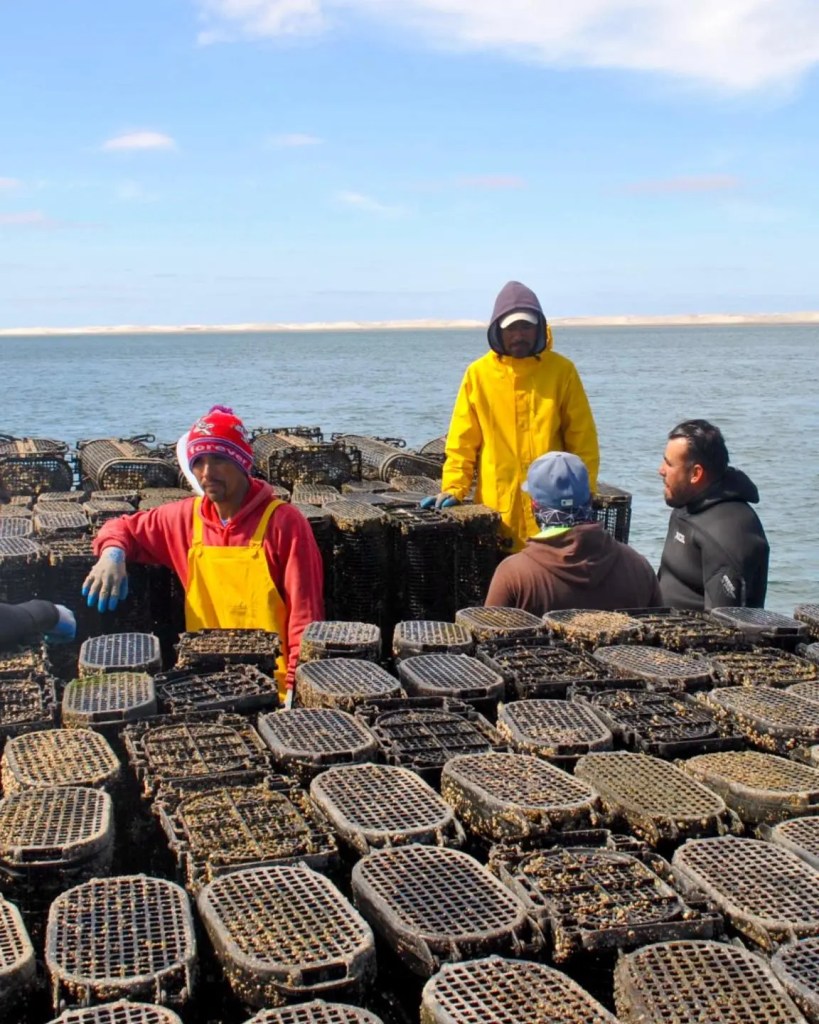
Baja Shellfish Farms runs daily operations with strict environmental safeguards. Staff monitor water quality regularly, checking salinity, pH, and potential contaminants to ensure clean conditions. They carefully time farming activities with changing tides, seasons, and plankton availability to keep oyster growth steady and healthy. The company also invests in scientific research, collaborating with oceanographers to improve farming techniques and sustainability practices. This blend of science, careful stewardship, and hands-on expertise has helped Baja Shellfish Farms position their Pacific oysters among the top premium shellfish varieties worldwide.
Follow Them
Follow Baja Shellfish Farms for harvest updates, farm news, and Pacific oyster releases from their Baja California sites. Their site covers sustainable grow-out methods, wholesale channels, and the full farmed lineup. Stay current on social for behind-the-scenes farming notes and seasonal availability from the same Baja Shellfish Farms operation that grows these cups.
Pai Pai Oysters Information

Pacific oyster
If you like Pai Pai Oysters, then check out these similar varieties!
Location
Farmers cultivate Pai Pai oysters in coastal waters of Baja California, Mexico. Sites sit in the Ojo de Liebre Biosphere Reserve, including Laguna Guerrero Negro. This location is federally protected, ensuring pristine water conditions ideal for shellfish farming. Strong ocean upwelling brings nutrient-rich waters that feed healthy Pacific oyster growth.
The reserve benefits from cold, nutrient-rich tides that promote steady oyster development year-round. Waters typically hold salinity around twenty-five to thirty-two parts per thousand, which is ideal for Pacific oysters. Continuous ocean exchange prevents sediment buildup and maintains sufficient oxygen levels. Protected status limits human interference and pollution across the lagoon system.
Environmental Factors
The environmental factors supporting oyster growth here include optimal water temperature, salinity, and nutrient availability. Cold tides and currents in this region maintain steady conditions that promote healthy oyster development. The consistent flow of ocean water helps prevent sediment buildup and ensures sufficient oxygen levels. Protected reserve status further enhances water quality for shellfish farming.
Baja California geography shields farms from harsh storms while allowing continuous water exchange. Mangrove-framed bays and lagoons create calm environments with stable marine ecosystems. Suspended basket cultivation lets oysters tumble naturally in these sheltered waters. That synergy supports the premium quality chefs expect from Pai Pai.
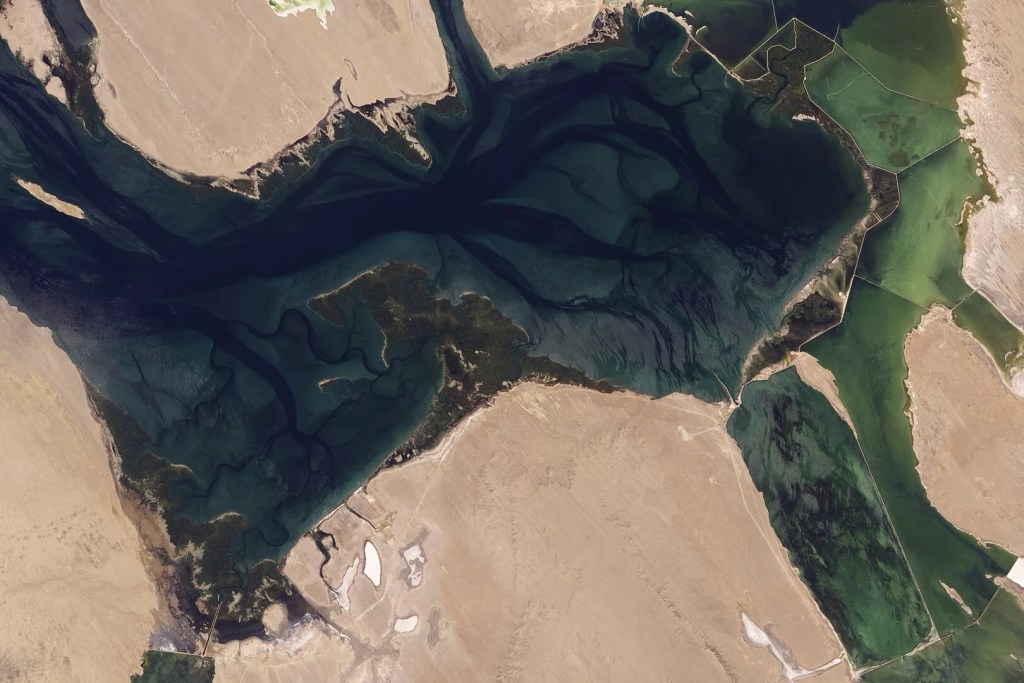
Baja Shellfish Farms monitors water quality, disease, and predators throughout each grow-out cycle. Combined with natural advantages of the peninsula’s coastal waters, these efforts sustain distinctive Pai Pai flavor and texture. The lagoon habitat remains one of Mexico’s most productive shellfish growing regions.
Suggested Beverage Pairings
Chablis is renowned among sommeliers for its pure minerality, brisk acidity, and citrus notes. These qualities sharpen the oyster’s briny flavors and provide a refreshing, clean finish that highlights its sweet, vegetal undertones.
The elegant bubbles, bright acidity, and hints of brioche create exciting texture and flavor contrast with Pai Pai’s creamy, rich profile. Champagne’s complexity and effervescence amplify both the briny freshness and the buttery finish of the oysters.
The botanicals in Hendrick’s Gin, especially cucumber and rose, tease out the snap pea and cucumber notes in the oysters. Its crisp, clean character refreshes the palate while subtly enhancing the shellfish’s mineral taste.
Lambic’s tart, funky effervescence complements both the sweetness and saltiness of Pai Pai oysters. The high acidity and bold bubbles cut through their creamy texture, leaving the palate awake for the next bite.
The cocktail’s blend of bourbon and sherry brings gentle sweetness and salinity, while apple and honey mellow the oyster’s marine character. This layered drink brings out buttery and umami notes for a sophisticated pairing.
Each pairing is chosen to match the oyster’s complexity on the half shell. These options balance acidity, minerality, botanicals, and savory elements. Together they amplify Pai Pai’s unique salted-egg and cucumber finish.

Where Can I Buy Pai Pai Oysters?
- Baja Shellfish Farms – The main producer of Pai Pai oysters. Offers direct ordering and wholesale options.
- Pacific Seafood – Major seafood distributor with a wide selection of premium oysters. Contact for Pai Pai inventory.
- The Shellfish Affair – San Diego-based oyster catering and delivery service offering select premium varieties.
- Paia Fish Market – Vendor featuring Hawaiian seafood and oysters; check for current oyster availability.
Stay Connected with The Oyster Encyclopedia!
Follow us on social media to get the latest updates, oyster recipes, and behind-the-scenes glimpses into the world of oysters:
Stay tuned for exclusive content, oyster trivia, and more! Engage with our vibrant community of oyster enthusiasts by liking, commenting, and sharing our posts. Your support helps us continue providing valuable oyster knowledge to fellow seafood lovers worldwide.
References
- Baja Shellfish Farms. “Premium Pacific Oysters.” Baja Shellfish, www.bajashellfish.com. Accessed 15 Aug. 2025.
- Pacific Seafood. “Home.” Pacific Seafood, www.pacificseafood.com. Accessed 15 Aug. 2025.
- The Shellfish Affair. “Fine Oyster Catering in San Diego County.” The Shellfish Affair, theshellfishaffair.com. Accessed 15 Aug. 2025.
- “Top 6 Wine Pairings for Fresh Oysters.” LWOysters, lwoysters.com/blogs/news/top-6-wine-pairings-for-fresh-oysters. Accessed 15 Aug. 2025.
- “The Best Oyster and Wine Pairings, According to Experts.” Forbes, 4 Aug. 2025, www.forbes.com/sites/jilliandara/2025/08/04/best-oyster-and-wine-pairing/.
- “Oyster and Beer Pairings: A Perfect Match for Seafood Lovers.” Global Seafoods, globalseafoods.com/blogs/news/oyster-and-beer-pairings-a-perfect-match-for-seafood-lovers. Accessed 15 Aug. 2025.
- “Wine and Oyster Pairings.” Hamp & Harrys, 27 Jan. 2023, www.hampandharrys.com/wine-and-oysters. Accessed 15 Aug. 2025.
- “Oyster Wine Pairing: The Ultimate Guide.” Armchair Sommelier, armchairsommelier.com/food-and-pairings/oyster-wine-pairing. Accessed 15 Aug. 2025.
Discover more from The Oyster Encyclopedia
Subscribe to get the latest posts sent to your email.