

Chef’s Notes
Mason Bostwick · Executive Chef
Eastern oyster
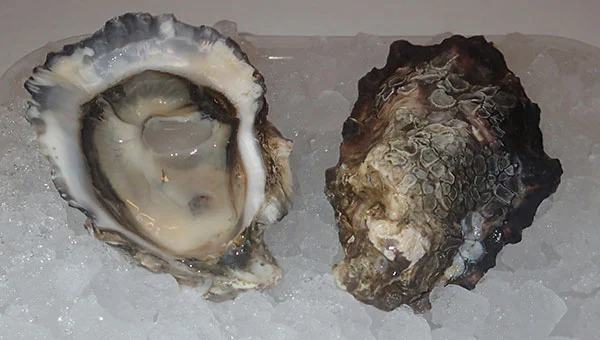
Wildcat Cove — Wildcat Cove — Strong minerality — melon finish and subtle sweetness. A solid farmed pacific oyster.
Flavor chart
Chef palate read
Shuckability
Shell & line performance
When I buy it
Look for Wildcat Cove Oysters in peak season when conditions are optimal.
How I serve it
On the half shell with minimal garnish — let the oyster speak.
What to watch for
Mild salinity with creamy finish. Reject any with broken shells or milky liquor.
My read
Strong minerality — melon finish and subtle sweetness. A solid farmed pacific oyster.
What Are Wildcat Cove Oysters?
Wildcat Cove oysters are farmed Eastern oysters from Penn Cove Shellfish in South Puget Sound. Growers raise Crassostrea virginica on Kamilche Point near Shelton, Washington. Bag-to-beach culture runs eighteen to twenty-four months before harvest. The line ships year-round to raw bars and retail buyers.
On the half shell Wildcat Cove opens with moderate brine near twenty-eight parts per thousand. Firm meats deliver sweet vegetal notes and a melon rind finish. Mild saltiness gives way to grassy sweetness in each slurp. Chefs prize the balanced cup on Pacific Northwest raw-bar lists.
Purple-tinged shells form deep cups with clean edges suited to half-shell service. Penn Cove bag raising builds plump meats before beach finishing hardens the shell. Market size runs near three inches on distributor sheets year-round. The cove terroir shapes a distinctive South Puget Sound flavor profile.
How Did Wildcat Cove Oysters Get Their Name?
Wildcat Cove oysters take their trade name from Wildcat Cove on Kamilche Point. The cove sits in South Puget Sound southeast of Shelton, Washington. Penn Cove Shellfish farms the shoreline where the geographic label originated. Buyers read Wildcat Cove on tags across Northwest wholesale channels.
The name signals sheltered South Sound waters rather than a separate oyster species. Marinelli Shellfish and other distributors use the Wildcat Cove label on farmed cups. Together the branding ties each tag to Penn Cove Shellfish bag-to-beach production.
About Penn Cove Shellfish
Penn Cove Shellfish is the oldest and largest mussel farm in the United States. The Jefferds family established the company in 1975 in Coupeville, Washington, on Whidbey Island. The operation grew into a premier producer of sustainably farmed shellfish across Puget Sound.

In 1996 Penn Cove formed a joint venture with Coast Seafoods Company, America’s largest oyster farm. The partnership expanded oyster production while keeping mussel farming at the Coupeville dock. Sustainable practices earned Best Choice ratings on major seafood sustainability guides.
Penn Cove Shellfish cultivates Wildcat Cove oysters using bag-to-beach methods on Kamilche Point leases. Beach finishing hardens shells and concentrates brine in the half-shell cup. Visit penncoveshellfish.com for farm updates, markets, and direct ordering options.
Wildcat Cove Oysters Information

Eastern oyster
If you like Wildcat Cove Oysters, then check out these similar varieties!
Location
Wildcat Cove oysters grow on Kamilche Point in South Puget Sound near Shelton, Washington. Penn Cove Shellfish leases sit along SE Wildcat Cove Road in Mason County. Sheltered cove waters limit heavy swell while maintaining steady tidal exchange daily.
Nutrient-rich South Sound currents deliver phytoplankton that feeds filter-feeding oysters year-round. Steady water flow supplies oxygen without smothering beds in heavy sediment. Moderate temperatures support growth without exposing shells to damaging heat extremes.
Salinity near twenty-eight parts per thousand suits Eastern virginica across the Kamilche Point site. Stable brine supports meat development and the line signature melon finish. Minimal freshwater influx keeps salinity consistent through seasonal rain cycles.

Bag-to-beach culture starts oysters in mesh bags before transfer to beach finishing plots. Tidal tumbling shapes deep cups and smooth purple-tinged shells before harvest. Clean water quality and low industrial runoff protect these South Sound farm sites.
Suggested Beverage Pairings
Hardywood Oyster Stout adds earthy saline notes beside Wildcat Cove mild brine. Dark-fruit malt balances sweet vegetal flavor and melon rind finish.
Goose Island Bourbon County Stout brings chocolate and vanilla richness to firm Wildcat Cove meats. Oak and molasses notes frame grassy sweetness on the half shell.
William Fèvre Chablis Champs Royaux cuts through moderate brine with bright citrus acidity. Minerality highlights melon finish without masking vegetal sweetness.
Land’s End Cape Agulhas Sauvignon Blanc mirrors grassy vegetal notes in the Wildcat Cove cup. Zesty citrus refreshes the palate between each briny slurp.
Junípero Gin pairs juniper and herbal notes with melon rind finish on Wildcat Cove cups. Forest botanicals sharpen mild saltiness for a crisp raw-bar contrast.
Where Can I Buy Wildcat Cove Oysters?
- Penn Cove Shellfish – Penn Cove Shellfish sells Wildcat Cove oysters direct from Kamilche Point with nationwide online ordering when inventory allows.
- Marinelli Shellfish – Marinelli Shellfish distributes farm-raised Wildcat Cove oysters to wholesale and retail buyers across the Pacific Northwest.
- Fortune Fish & Gourmet – Fortune Fish & Gourmet lists Penn Cove Shellfish oysters including Wildcat Cove tags for Midwest foodservice and retail programs.
- Pike Place Fish Market – Pike Place Fish Market stocks Penn Cove Shellfish oysters in Seattle when South Puget Sound seasonal tags arrive on the dock.
References
- Penn Cove Shellfish. Web. Accessed 16 Jun 2026. http://www.penncoveshellfish.com/wildcat-cove
- Marinelli Shellfish. Web. Accessed 16 Jun 2026. https://www.marinellishellfish.com/articles/oysters/wild-cat-cove-oyster.html
- Fortune Fish & Gourmet. Web. Accessed 16 Jun 2026. https://www.fortunefishco.net
- Pike Place Fish Market. Web. Accessed 16 Jun 2026. https://www.pikeplacefish.com/
Discover more from The Oyster Encyclopedia
Subscribe to get the latest posts sent to your email.