


Chef’s Notes
Mason Bostwick · Executive Chef
Eastern oyster
White Stone — White Stone — Strong minerality — earthy and mild brine. A solid farmed eastern oyster.
Flavor chart
Chef palate read
Shuckability
Shell & line performance
When I buy it
Look for White Stone Oysters in peak season when salinity peaks.
How I serve it
On the half shell with minimal garnish — let the oyster speak.
What to watch for
Full brine with creamy finish. Reject any with broken shells or milky liquor.
My read
Strong minerality — earthy and mild brine. A solid farmed eastern oyster.
What Are White Stone Oysters?
White Stone Oysters are farmed Eastern oysters from Chesapeake Bay waters near the Rappahannock River in Virginia. Growers raise Crassostrea virginica in suspended rack-and-bag culture at Windmill Point. Market oysters typically measure near three inches with year-round availability.
On the half shell they open with clean brine, earthy mushroom notes, and a sweet finish. Salinity near eighteen to twenty-two ppt reflects the bay blend of river freshwater and Atlantic salt. The profile suits raw-bar service on chilled platters.
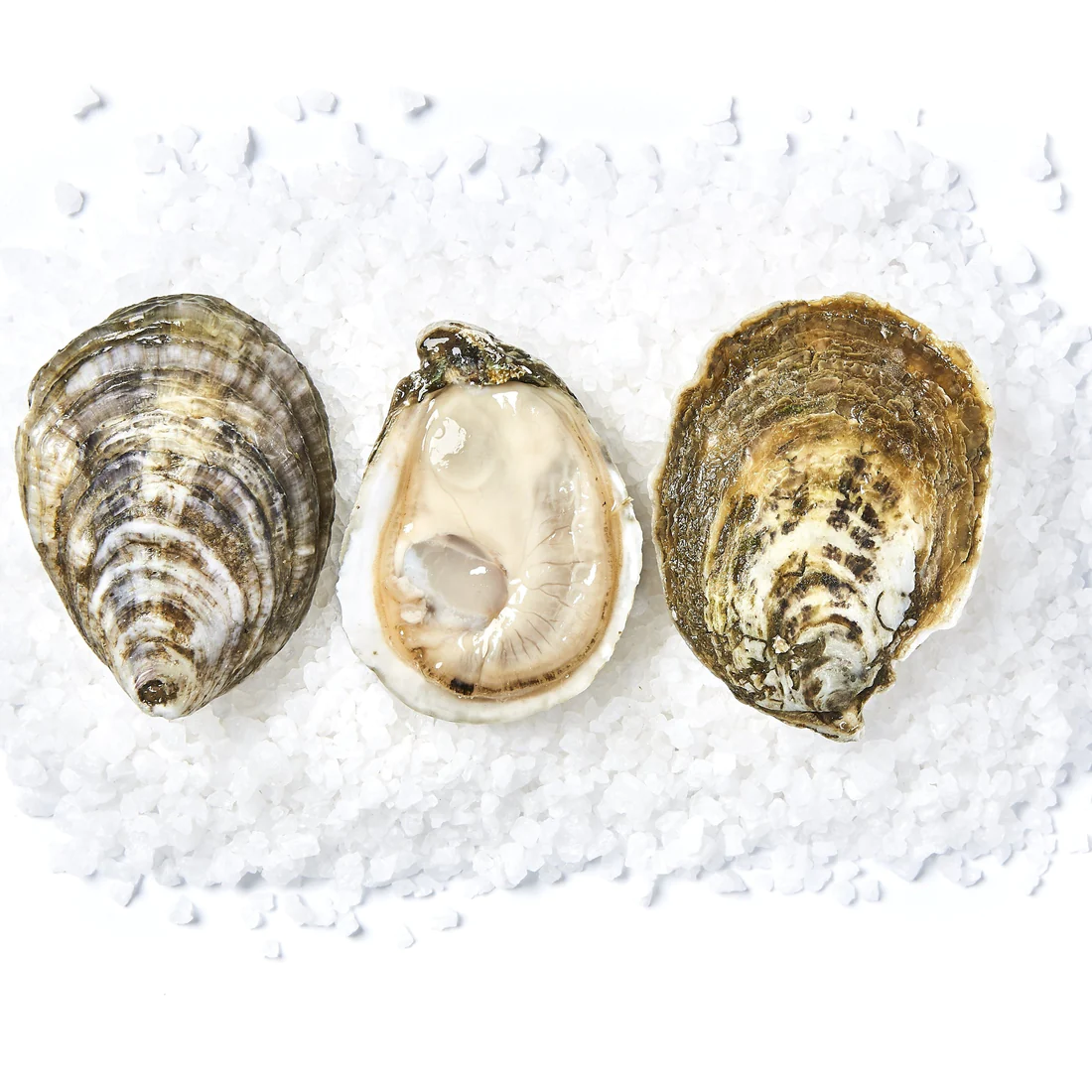
Shells show deep cups, polished edges, and plump meats without grit or sand. White Stone Oyster Company pioneered open-bay floating cultivation on these grounds. The line remains a benchmark Virginia Eastern oyster for chefs and seafood markets.
How Did White Stone Oysters Get Their Name?
White Stone oysters take their name from the town of White Stone, Virginia on the Chesapeake Bay. The community sits near the Robert O. Norris Bridge and the Rappahannock River mouth. Buyers see the name on tags tied to that Lancaster County shore.

The town’s waterborne heritage shaped how growers market these cups today. Farmers adopted White Stone as a trade label for bay-grown Eastern oysters with local roots. That geography signals Chesapeake merroir rather than a generic Virginia tag.
About White Stone Oyster Company

White Stone Oyster Company was founded in 2015 by Tom Perry at Windmill Point, Virginia. It was among the first farms to grow oysters entirely in open Chesapeake Bay surf. The team focuses on how water quality shapes shell form and flavor.
Growers use suspended rack-and-bag floats that keep oysters tumbling in nutrient-rich surface water. That motion builds deep cups and polished shells while limiting bottom disturbance. Pristine bay water supports the earthy, herbaceous cup profile buyers expect.
The company ships live oysters direct to homes, restaurants, and events across the region. Recognition grew quickly through farm-to-table sales and wholesale partners. White Stone remains a flagship Chesapeake farm tag on East Coast raw bars.
Follow Them
Visit White Stone Oysters’ website and follow them on social media. Explore their farm-to-table offerings. Stay updated on seasonal harvests, special deals, and expert oyster tips.
White Stone Oysters Information

Eastern oyster
Oyster: White Stone
Species: Eastern Oyster (Crassostrea virginica)
Cultivation Method: Combination of suspended cage method with rack and bag.
Seasonality: Year- Round
Size: 3”-4”
Culture Method: Off-bottom aquaculture. This method places oyster larvae in mesh bags or cages suspended in the water column.
Salinity: Approximately 18-22 ppt
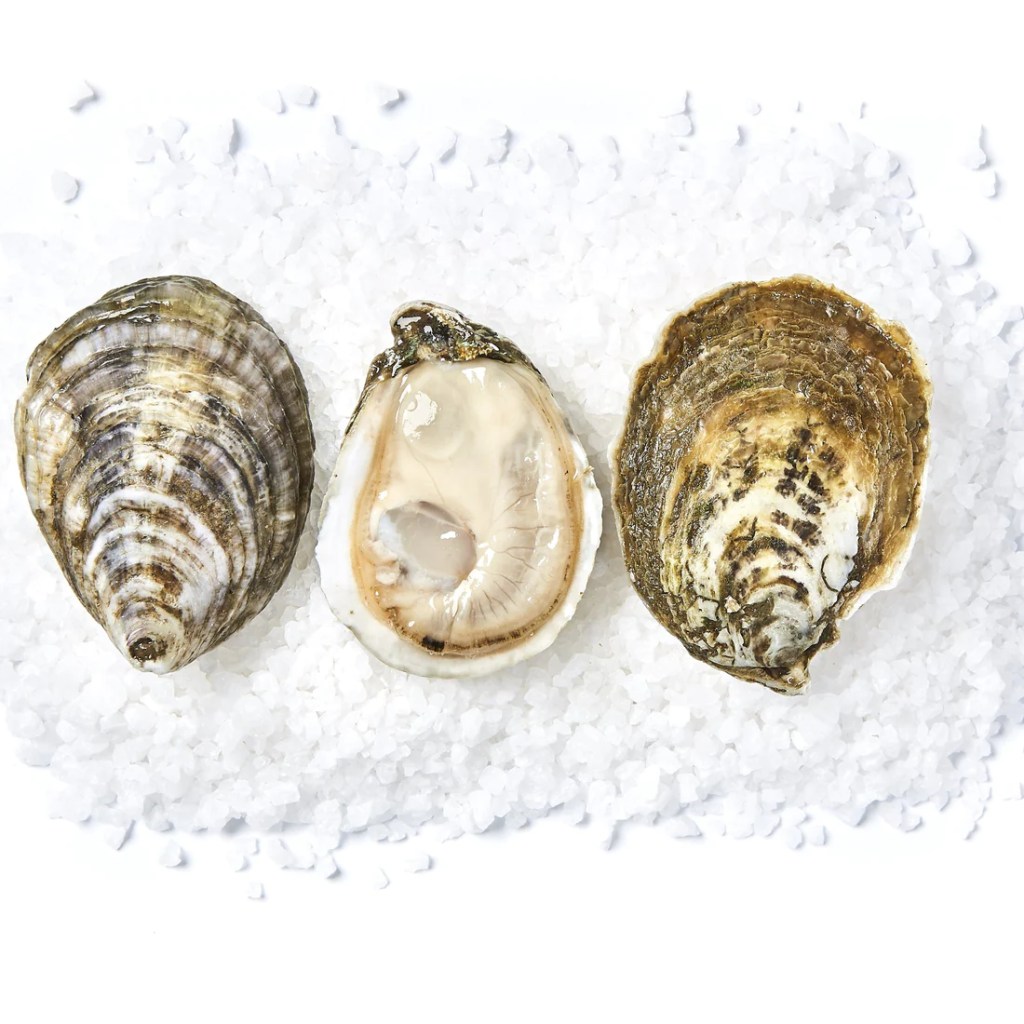
Appearance: Known for their deep cup, thick polished shell, and plump meat, with no grit, mud, or sand. A pure white shell with green and brown coloration and almost perfectly formed.
Flavor Profile: The oysters have a distinct earthy flavor reminiscent of mushrooms and fresh herbs. They offer a balanced combination of oceanic saltiness and savory umami.
If you like White Stone oysters, then check out these similar varieties!
Location
White Stone oysters are cultivated north of the Rappahannock River in Lancaster County, Virginia. Farm floats sit in Chesapeake Bay water with steady tidal exchange and strong salinity. The mapped site anchors production near White Stone Oyster Company’s shore base.
Salinity near eighteen to twenty-two ppt blends freshwater river outflow with Atlantic influence. Floating cages keep oysters in constant motion at the food-rich surface layer. Wave tumbling shapes deep cups and firm meats across seasons.

Seasonal water shifts bring sweet mushroom and vegetal notes to the cup. Harvest teams purge and grade oysters under state shellfish regulations before sale. Each crop also filters nitrogen and phosphorus from bay water as it grows.
Bay grasses and natural reefs remain under the farm floats with minimal bottom impact. Cold-chain handling moves harvest quickly to restaurants and direct buyers. That logistics discipline supports year-round availability on premium raw bars.
Suggested Beverage Pairings
This golden ale creates a remarkable balance with Northeastern oysters. Its honey, herb, and passion fruit notes interact beautifully with the oyster’s briny sweetness.
Hendricks gin has subtle cucumber notes. It is served as a classic martini with a twist of lemon peel. Together, these provide a crisp bite. This enhances the oyster’s natural brine.
Made from Chardonnay grapes grown in mineral-rich soil containing marine fossils. This wine’s natural acidity and mineral characteristics create a perfect harmony with oysters.
This lighter stout offers a pillowy mouthfeel. Its roasted malt notes provide an unexpected but pleasant counterpoint to the oyster’s salinity.
This $15 bottle offers crisp lime, apple, and lemon flavors. It also has a hint of saltiness that mirrors the oyster’s natural brine. The wine comes from a region famous for oyster cultivation, making it a historically perfect match.
Where Can I Buy White Stone Oysters?
- White Stone Oyster Company: You can purchase 50-count and 100-count packages of these Chesapeake Bay oysters.
- Goldbelly: White Stone Oyster Company also ships its oysters nationwide through Goldbelly.
- Island Creek Oysters: The nation’s best chefs and restaurants typically reserve these oysters. Now, you can order them for delivery at wholesale pricing.
- Local seafood markets and restaurants: These establishments often source their oysters directly from oyster farms. They provide a fresh and high-quality product.
Stay Connected with The Oyster Encyclopedia!
Follow us on social media to get the latest updates, oyster recipes, and behind-the-scenes glimpses into the world of oysters:
Stay tuned for exclusive content, oyster trivia, and more! Engage with our vibrant community of oyster enthusiasts by liking, commenting, and sharing our posts. Your support helps us continue providing valuable oyster knowledge to fellow seafood lovers worldwide.
References
- “Our Farm.” White Stone Oysters Heritage, White Stone Oyster Company, 2023, www.whitestoneoysters.com/pages/oyster-farm.
- “Oyster Fact Sheet.” Chesapeake Bay Foundation, Chesapeake Bay Foundation, 2023, www.cbf.org/about-the-bay/chesapeake-wildlife/eastern-oysters/oyster-fact-sheet.html.
- “Tasting Excellence: What to Look for in Flavorful Oysters.” White Stone Oysters Blog, White Stone Oyster Company, 2023, www.whitestoneoysters.com/blogs/an-oyster-life/tasting-excellence.
- “Chesapeake Oyster Recovery Key to Climate Resilience, Community Vitality and Bay’s Future.” Chesapeake Bay Foundation, 15 Feb. 2024.
- “Oyster and Beer Pairings: A Perfect Match for Seafood Lovers.” Global Seafoods, 1 Nov. 2024.
Discover more from The Oyster Encyclopedia
Subscribe to get the latest posts sent to your email.