


Chef’s Notes
Mason Bostwick · Executive Chef
Eastern oyster
Bullseye — Bullseye — Bold brine — cucumber finish and mild brine. A solid farmed eastern oyster.
Flavor chart
Chef palate read
Shuckability
Shell & line performance
When I buy it
Look for Bullseye Oysters in peak season when salinity peaks.
How I serve it
On the half shell with minimal garnish — let the oyster speak.
What to watch for
Full brine with creamy finish. Reject any with broken shells or milky liquor.
My read
Bold brine — cucumber finish and mild brine. A solid farmed eastern oyster.
What Are Bullseye Oysters?
Bullseye oysters are cultivated by the Shooting Point Oyster Company in Nassawadox Creek. They have a distinctive flavor influenced by the specific environmental conditions of their habitat. Nassawadox Creek is located in the lower Chesapeake Bay.
It features a combination of salty Atlantic waters and the creek’s marshy, less salty waters, resulting in a moderate salinity of 20 to 25 parts per thousand. This environment imparts a sweet, cucumber-like flavor to the Bullseye oysters, distinguishing them from other varieties. Shooting Point raises them in wire cages in Nassawadox Creek for 16 to 24 months.
Their growing area’s cultivation method and historical significance further enhance the distinctiveness of Bullseye oysters. Shooting Point uses techniques developed over the past 20 years. This has contributed to the region’s rich heritage and expertise in oyster farming.
The Bullseye oysters offer a consistent and exceptional taste experience. We can attribute this to the creek’s traditional cultivation techniques and unique merroir.
Compared to other oysters, Bullseye oysters offer a balanced, moderately salty, and sweet flavor. This makes them a versatile choice for various culinary applications. Their unique taste profile is shaped by the specific salinity and environmental conditions of Nassawadox Creek.
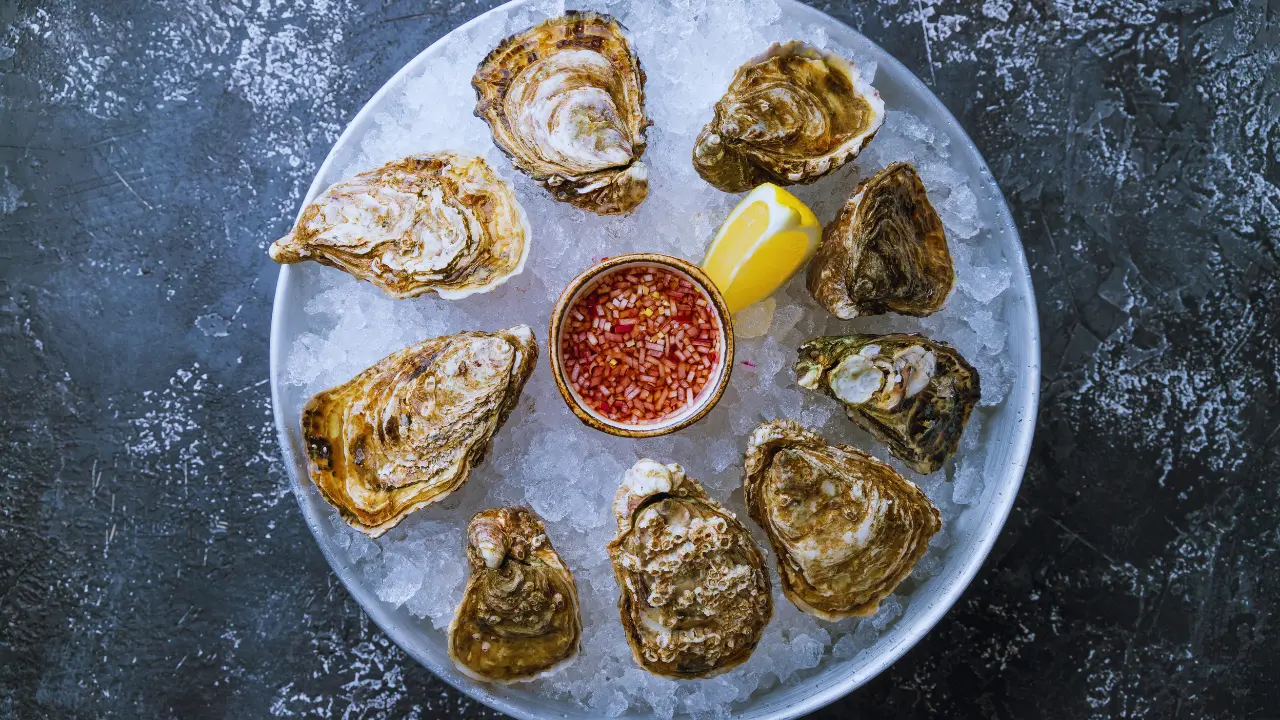
This differentiates them from oysters grown in regions with varying salinity levels and water compositions. This makes Bullseye oysters a sought-after delicacy for oyster enthusiasts looking to explore diverse and nuanced flavors. Their deep cups and well-formed shells reflect careful cultivation in Nassawadox Creek wire cages.
How Did Bullseye Oysters Get Their Name?
Bullseye oysters derive their name from their precise and balanced flavor profile. The name is akin to hitting the center of a target, or bullseye. The name reflects the meticulous cultivation process and the unique environmental conditions of Nassawadox Creek. That precision matches the sweet, cucumber-like flavor diners expect from Nassawadox Creek harvests.
“Bullseye” has historical connotations of accuracy and hitting the mark. This ultimatley aligns with these oysters’ consistent quality and taste. Shooting Point markets Bullseyes alongside Church Creek Corks and Shooting Point Salts.
The name also emphasizes the heritage and expertise involved in their production. The Bullseye oysters benefit from this rich tradition.
Combining traditional methods and modern techniques ensures that each oyster meets high standards. It’s like achieving a bullseye in archery or shooting.
Furthermore, the name Bullseye oysters highlights the balance between the salty Atlantic waters and the creek’s marshy, less salty waters. This balance creates a unique, sweet, and slightly salty flavor, making Bullseye oysters a standout choice among oyster varieties. The name encapsulates the precision and care taken to produce oysters that consistently hit the mark in taste and quality.
Follow Shooting Point Oyster Company
Bullseye Oysters Information

Eastern oyster
If you like Bullseye Oysters, then check out these similar varieties!
Location
Due to several key factors, the Nassawadox Creek watershed on Virginia’s Eastern Shore provides an ideal environment for oyster growth and life. The mix of salty Atlantic waters and marshy creek water supports moderate salinity for Eastern oysters. Bullseye oysters from Shooting Point grow here in wire cages for 16 to 24 months.
The mix of salty Atlantic waters and the marshy, less salty waters of the lower Eastern Shore creates a moderate salinity level. This level is optimal for oyster development. Eastern oysters (Crassostrea virginica) have an ideal salinity range. The Nassawadox Creek typically falls within this range, providing a balanced environment that supports healthy oyster growth and reproduction.
Secondly, the water quality in this region is conducive to oyster farming. The area benefits from good water circulation, which ensures a steady supply of nutrients and oxygen, essential for oyster health. The presence of phytoplankton, which oysters filter from the water, is abundant, providing a rich food source.
The relatively low levels of pollutants and sedimentation in the creek help maintain a clean habitat. Ultimatley, this reduces disease risk and promotes robust oyster populations. That clean habitat supports the sweet, cucumber-like merroir Bullseyes are known for on the half shell.

The historical and ongoing efforts in oyster restoration and sustainable aquaculture in the Chesapeake Bay region have significantly supported oyster farming. These efforts include using protective cages to minimize predation and environmental stressors. Continuous monitoring and management are also implemented to ensure optimal conditions for oyster growth. These natural and managed factors make the Nassawadox Creek watershed an ideal location for cultivating high-quality Bullseye oysters.

This guide is part of the Raw Bar Bible — chef-level technique, safety, and gear so you can shuck and serve oysters with confidence.
Suggested Beverage Pairings.
The Allagash Tripel offers notes of honey, herbs, and passion fruit, complementing the sweet, cucumber-like flavors of Bullseye oysters. The beer’s light and dry finish enhances the oyster’s salty and sweet profile, creating a balanced and refreshing pairing.
with its high acidity and citrusy notes, Sauvignon Blanc cuts through the richness of Bullseye oysters. The wine’s herbaceous and lemon flavors complement the natural sweetness and saltiness of the oysters. Thus creating a classic and delightful pairing.
Guinness Draught, with its creamy texture and roasty malt flavors, contrasts beautifully with the sharp brine of Bullseye oysters. The stout’s smooth mouthfeel and subtle bitterness enhance the oyster’s delicate seaweed-like notes, providing a rich and satisfying experience.
The Negroni Sbagliato is made with Prosecco. It offers a bubbly and lightly bitter profile. This pairs well with the fresh, salty flavor of Bullseye oysters. The cocktail’s effervescence and slight sweetness balance the oyster’s brininess. This makes it a refreshing and sophisticated choice.
Muscadet is known for its high acidity and bone-dry texture. It features green fruit notes like lime and apple that complement the sweet and briny flavors of Bullseye oysters. This wine’s crisp and clean finish enhances the oyster’s natural merroir, making it an excellent pairing.
Where Can I Buy Bullseye Oysters?
Shooting Point Oyster Company – You can purchase Bullseye oysters through the Shooting Point Oyster Company. They distribute their oysters through a network of wholesalers and do not ship directly to individuals. For more information on purchasing, you can visit their website or contact their wholesale partners.
References
- Shooting Point Oyster Company. Vendor listing referenced in Where Can I Buy section. Accessed 30 May 2026. shootingpointoysters.com
- Reece, Kator, et al. “Method and Concept Evaluation of Relaying Oysters from Chesapeake Bay to High Salinity Water.” Virginia Institute of Marine Science / Virginia Sea Grant, Final Report.
Discover more from The Oyster Encyclopedia
Subscribe to get the latest posts sent to your email.