



Chef’s Notes
Mason Bostwick · Executive Chef
Pacific oyster
Marin Miyagi — Marin Miyagi — Notable sweetness — clean finish and sweet. A solid long-line pacific oyster.
Flavor chart
Chef palate read
Shuckability
Shell & line performance
When I buy it
Look for Marin Miyagi Oysters in peak season when salinity peaks.
How I serve it
On the half shell with minimal garnish — let the oyster speak.
What to watch for
Full brine with creamy finish. Reject any with broken shells or milky liquor.
My read
Notable sweetness — clean finish and sweet. A solid long-line pacific oyster.
Marin Miyagi oysters, cultivated in the high brine waters of Tomales Bay,. California, stand out due to their unique growing conditions and cultivation methods. These oysters are grown in floating bags attached to longlines,. which allows them to develop deep-cupped shells through the natural tumbling action of the. choppy waters. This method polishes the shells and contributes to the oysters’ firm texture and plump whole meats. As a result, the oysters look as good as they taste.
What sets Marin Miyagi oysters apart is their flavor profile. This distinct flavor results from the nutrient-rich waters of Tomales Bay,. which flood the farm and nourish the oysters as they mature. The combination of the bay’s high salinity and the cold oceanic waters creates an. ideal environment for these oysters to thrive, resulting in a product. that is both exquisite and consistent in quality.
Additionally, Marin Miyagi oysters are environmentally friendly and sustainable. Each oyster can filter up to 50 gallons of seawater daily, helping maintain clean and healthy waterways. The farms that produce these oysters adhere to responsible practices,. ensuring that the estuaries remain clean and suitable for nurturing young marine life. This commitment to sustainability benefits the environment and ensures that the oysters are of. the highest quality, making them a preferred choice for chefs. and oyster enthusiasts.
What Are Marin Miyagi Oysters?
Marin Miyagi oysters are farmed Pacific oysters from Marin Oyster Company in northern Tomales Bay, California. Growers raise Magallana gigas on longlines in floating bags for three to four years. The bay’s high-brine water shapes the cup and meat before harvest.
On the half shell the line reads clean finish and sweet with notable sweetness. Salinity runs thirty to thirty-five ppt from nutrient-rich estuary water. Full brine meets a creamy finish on the palate.
Marin Miyagi oysters have deep-cupped shells with a smooth, polish-like appearance. Choppy Tomales Bay water tumbles gear and polishes each shell naturally. The result is a visually appealing oyster with a smooth, well-formed cup.
How Did Marin Miyagi Oysters Get Their Name?
Marin Miyagi oysters take their name from Miyagi Prefecture in Japan, the country’s largest oyster-producing region. The Pacific species Crassostrea gigas translates to giant deep cups, describing large, deep-cupped shells. Although the oysters grow in Tomales Bay, the Miyagi name honors the species’ Japanese roots.
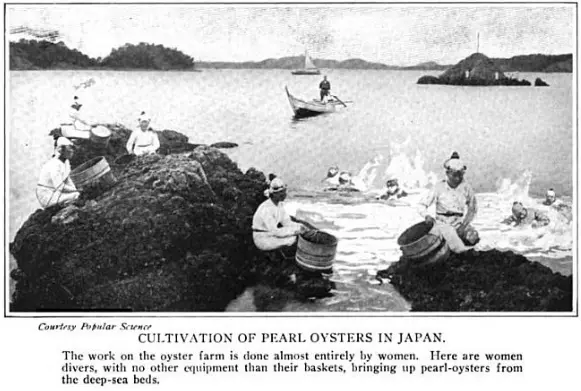
Regional and grower brand names often distinguish Pacific oyster varieties on menus and tags. Tomales Bay cultivation reflects the high standards tied to Miyagi Prefecture heritage. The Miyagi label signals quality and tradition linked to esteemed Japanese oyster farming.
About Marin Oyster Company
Marin Oyster Company, Inc. has been farming oysters since 1999 and is renowned for producing high-quality, California-grown oysters. The company is mainly known for its signature Marin Miyagi™ oysters cultivated in northern Tomales Bay. These oysters are celebrated for their briny flavor with subtle notes of melon and cucumber, making them a local staple for over two decades. Marin Oyster Company offers these oysters in various sizes, catering to different culinary needs, from extra small to BBQ-sized oysters.
In addition to Marin Miyagi™ oysters, the company also produces Marin Gems™ and Marin Pearls™. Marin Gems™ are grown in southern Tomales Bay on a floating farm, where constant wind and waves naturally tumble the oysters, resulting in a sweeter and more flavorful bite-sized oyster. Marin Pearls™, the company’s newest offering, is cultivated in specialized baskets that flip with the tide, leading to perfectly smooth shells due to continuous natural polishing.
Discover the exceptional quality and sustainable practices of Marin Oyster Company! Visit their website and follow their social media pages to learn more about their delicious Marin Miyagi oysters and their commitment to environmental stewardship. Dive into the world of premium oysters today!
About Marin Oyster Company
Marin Oyster Company is deeply committed to sustainable farming that protects the environment and oyster quality. Floating bags on longlines minimize seabed impact and improve water circulation for oysters and the ecosystem. The farm avoids chemicals, fertilizers, or feed, keeping the operation inherently sustainable.
The company adheres to strict regulatory standards and works with local and state agencies on permits and environmental rules. Regular monitoring and reporting ensure operations do not harm Tomales Bay. That compliance helps maintain pristine conditions essential for high-quality oysters.
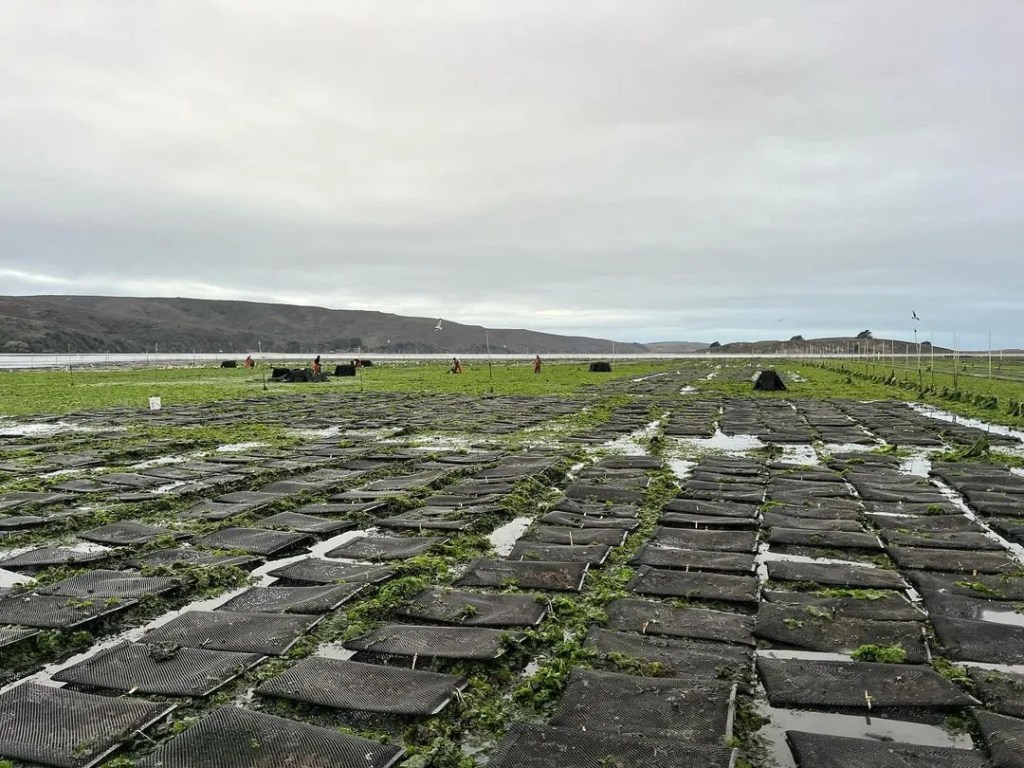
Marin Oyster Company employs sustainable harvesting for continuous production without depleting natural resources. Their methods promote natural oyster growth and health while keeping farming economically viable. The company also participates in community conservation and aquaculture programs. That engagement protects the local ecosystem and supports long-term farming viability.
Marin Miyagi Oysters Information

Pacific oyster
If you like Marin Miyagi Oysters, then check out these similar varieties!
Location
The oyster farmers cultivate Marin Miyagi oysters in northern Tomales Bay, California. Marin Oyster Company works lease sites along the bay’s protected inlet. Point Reyes Peninsula shelters the farm from open-ocean swell.
Tomales Bay is an ideal location for oyster farming due to its unique environmental factors. Nutrient-rich freshwater from streams mixes with cold, well-oxygenated Pacific seawater in the estuary. This combination supports phytoplankton growth, the primary food source for oysters.
Constant upwelling supplies nutrients essential for oyster development and flavor. The bay’s productivity creates conditions oysters need to thrive. Farmers here rely on that steady food supply year-round.
The Geography
The geography also contributes to its suitability for oyster farming. It is a long, narrow inlet protected from open-ocean currents and waves by the Point Reyes Peninsula. This sheltered environment provides a calm, stable habitat for oyster cultivation. Shallow waters, often just ten feet deep, make gear easier to manage and harvest.
Tomales Bay has been a significant site for oyster farming since the late 19th century. The area’s clean estuarine waters and proximity to San Francisco made it an attractive alternative to the more polluted San Francisco Bay. The introduction of the Pacific oyster from Japan in the 1920s further boosted the local oyster industry. This production resulted in high-quality oysters that became the West Coast standard.

The bay’s long history of oyster farming has developed specialized techniques that benefit modern growers. Overall, Tomales Bay’s nutrient-rich waters and protected environment make it exceptional for aquaculture. Clean waters and sustainable practices ensure oysters of the highest quality. Tomales Bay remains a renowned destination for oyster enthusiasts.
Suggested Beverage Pairings
The notes of honey, herbs, and passion fruit in this golden ale would complement the oysters. This would create a harmonious blend of salt and sweetness across the palate.
This Sauvignon Blanc’s bright acidity and citrusy notes would cut through the oysters’ richness. All while enhancing their fresh sea breeze aroma and melon flavors.
This cocktail is bubbly, lightly bitter, and not too sweet. Therefore, it would pair well with the oysters’ sweetness and saltiness, creating a refreshing and balanced combination.
This lighter stout’s roasty aroma and flavor would provide an intriguing contrast. The oysters’ salinity and grassy notes would mesh well. At the same time, its creamy mouthfeel would complement its plump texture.
This martini’s tangy and salty notes harmonize with the oysters’ saltiness. At the same time, the feta-stuffed olives would offer a savory treat to accompany the oysters’ sweet and complex flavors.
The critical factors in these pairings complement or contrast the unique sweet, fruity, salty, and complex flavors of Marin Miyagi oysters. The beverages aim to either enhance or provide an interesting counterpoint to the oysters’ distinct characteristics. All in all, these pairings assist in creating a well-rounded and delightful taste experience.
Where Can I Buy Marin Miyagi Oysters?
- Royal Hawaiian Seafood– They offer Marin Miyagi oysters from California. These oysters have rugged, sturdy shells and whole meats with a crisp flavor and mild saltiness. The company emphasizes environmentally friendly and responsible practices in its oyster farming.
- Anna’s Seafood– This vendor sells Marin Miyagi oysters by the dozen. These small Pacific oysters are great for eating raw, featuring delicate meat with a salty flavor.
- Instacart – You can get Marin Miyagi oysters via Instacart delivery. They offer the convenience of contactless delivery, curbside, or in-store pickup, making it easy to enjoy fresh oysters quickly.
References
- Royal Hawaiian Seafood. Web. Accessed 30 May 2026. https://sfrhs.com/product/marin-miyagi-ca/
- Anna’s Seafood. Web. Accessed 30 May 2026. https://www.shopannasseafood.com/product/miyagi-oyster-small/92
- Instacart. Web. Accessed 30 May 2026. https://www.instacart.com/products/16617860-marin-miyagi-oysters-1-each
Discover more from The Oyster Encyclopedia
Subscribe to get the latest posts sent to your email.