


Chef’s Notes
Mason Bostwick · Executive Chef
Eastern oyster
Martha’s Vineyard — Martha’s Vineyard — Strong minerality — clean finish and creamy. A solid wild eastern oyster.
Flavor chart
Chef palate read
Shuckability
Shell & line performance
When I buy it
Look for Martha’s Vineyard Oysters in peak season when salinity peaks.
How I serve it
On the half shell with minimal garnish — let the oyster speak.
What to watch for
Full brine with creamy finish. Reject any with broken shells or milky liquor.
My read
Strong minerality — clean finish and creamy. A solid wild eastern oyster.
Martha’s Vineyard oysters, hailing from the beautiful Martha’s Vineyard, are a well-known variety of eastern oysters. These oysters, known as Martha’s Vineyard, are highly sought for their exceptional quality and unique flavor profiles. Whether wild or cultivated, Martha’s Vineyard oysters offer a delightful culinary experience.
Known for their plumpness and abundance of liquor, they are a true delight for oyster enthusiasts. They have a mild and smooth taste pleasing to the palate. These oysters grow in various salt ponds on the island, where fishermen skillfully harvest them from small skiffs.
Both wild and cultivated Martha’s Vineyard oysters are available, offering a range of flavors and textures. The island is home to different varieties of oysters, each with its unique characteristics. Some notable varieties include Sengekontacket Pond Oysters, Menemsha Creek Oysters, Blue Moon Oysters, Katama Signature Oysters, and Sweet Neck Oysters. These varieties showcase the diversity and richness of the oyster culture on Martha’s Vineyard.
Martha’s Vineyard oysters are grown using various methods, such as floating bins, off-bottom cages, and tidal-powered upwellers. The cold, clean, and crisp flowing waters of Vineyard Sound contribute to the exceptional quality of these oysters. The cultivation process ensures that the oysters develop a creamy texture. and a mild, clean flavor with varying levels of brininess.
Whether you’re a seasoned oyster connoisseur or a curious food lover, they offer a taste of the island’s coastal flavors. Their plumpness, mildness, and unique flavor profiles make them a delightful addition to any seafood feast or culinary exploration. So, if you have the opportunity, don’t miss the chance to savor the flavors. of Martha’s Vineyard through its exceptional oysters.
What Are Martha’s Vineyard Oysters?
Martha’s Vineyard Oysters are Eastern oysters tied to Martha’s Vineyard and Vineyard Sound. The stock is Crassostrea virginica grown wild and farmed around the island. Buyers find them on tags from October through May. Both wild and cultivated lots reach raw bars across the Northeast.
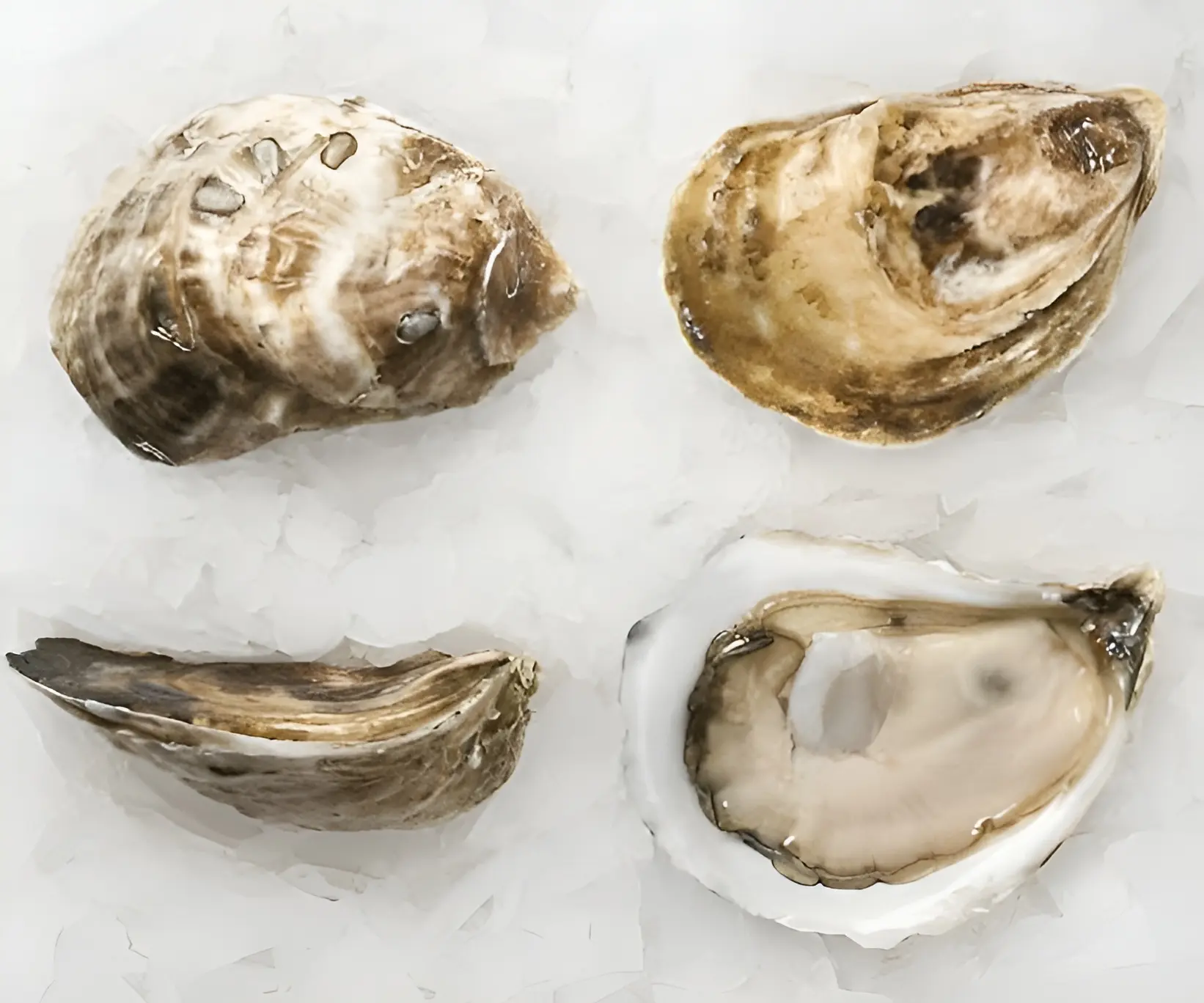
Known for plumpness and liquor, they read mild and smooth on the palate. Shells often show brown with white and purple highlights. The cup holds a creamy texture with a clean finish. Brininess can vary by pond, lease, and season.
On the half shell the line reads clean finish and creamy with salinity near 20–25 ppt. Signature lines include Sengekontacket Pond, Menemsha Creek, and Sweet Neck oysters. Katama Signature and Blue Moon varieties showcase the island’s diversity. Island growers use floating bins, off-bottom cages, and tidal upwellers.
Farms
- Eastville Beach Farm: Eastville Beach Farm is a 2-acre farm just off Eastville Beach at the entrance to Vineyard Haven harbor. They produce oysters and kelp.
- Signature Oyster Farm: Signature Oyster Farm is located in Katama Bay in Edgartown on the Island of Martha’s Vineyard. They specialize in delivering delicious and healthy oysters with a sweet, salty taste and rich texture. Their oysters are renowned for their hard shell and clean, easy opening.
- Cottage City Oysters: Cottage City Oysters is a 3D regenerative open ocean aquaculture farm off the coast of Martha’s Vineyard in Oak Bluffs. They cultivate oysters using sustainable and environmentally friendly methods.
Wild Harvest and Cultivation
Martha’s Vineyard oysters are grown using floating bins, off-bottom cages, and tidal-powered upwellers. Farmed lots include Eastville Beach Farm near Vineyard Haven harbor. Signature Oyster Farm works Katama Bay in Edgartown. Cottage City Oysters runs open-ocean aquaculture off Oak Bluffs.
Wild oysters grow in salt ponds across the island. Fishermen harvest them from small skiffs in traditional bottom culture. Cold, crisp Vineyard Sound water shapes flavor and texture. Cultivation methods vary by lease, pond, and season.
Farmed and wild Martha’s Vineyard oysters share a mild, creamy profile. Growers tumble and cage stock to deepen cups and harden shells. Peak market runs October through May on most island tags. The mix of methods keeps supply steady for chefs and distributors.
How Did Martha’s Vineyard Oysters Get Their Name?
Martha’s Vineyard Oysters take their trade name from Martha’s Vineyard and Vineyard Sound. Buyers see the label on tags and distributor manifests. The name ties the oyster to the island off Cape Cod in Massachusetts. Raw bars use it for wild and farmed lots from local waters.
Vineyard Sound lends its cold, clean flow to the island’s oyster culture. Growers also market pond and creek names on specialty lines. Sengekontacket, Menemsha, and Katama labels trace back to specific harvest areas. The Martha’s Vineyard name groups these regional stocks for buyers.
Martha’s Vineyard Oysters Information

Eastern oyster
If you like Martha’s Vineyard Oysters, then check out these similar varieties!
Oyster: Martha’s Vineyard
Cultivation Method: Farmed and Wild.
Farmed: Grown using various methods, such as floating bins, off-bottom cages, and tidal-powered upwellers
Wild: found growing in various salt ponds on the island, where fishermen skillfully harvest them from small boats.
Seasonality: October – May
Size: 3.5+
Culture Method: Bottom culture either in cages (farmed) or oyster beds (wild)
Salinity: 20-25 ppt

Appearance: Oysters can vary, but they typically have a rugged and irregular shell shape with a rough texture on the outside. They have brown shells with white and/or purple colorations.
Flavor Profile: Mild, smooth, creamy, fresh, and clean finish. They are also said to have “variable brininess”
Location
Martha’s Vineyard oysters are cultivated in ponds, creeks, and bays around the island. Vineyard Sound and Atlantic flushing set salinity near 20–25 ppt. Edgartown, Oak Bluffs, and West Tisbury anchor major growing areas. The map above marks Martha’s Vineyard Airport as a regional reference point.
Sengekontacket Pond, Menemsha Creek, and Katama Bay each host distinct oyster lines. Cold northern currents meet island salt ponds for clean, brisk growing water. Harvest crews work from small boats in wild ponds and near farm sites. Distributors move the catch to Boston, New York, and beyond.
Island Creek and local seafood shops sell Sweet Neck and signature farm lots online. Restaurants in Vineyard Haven and Edgartown feature Martha’s Vineyard oysters on raw bars. Seasonality runs strongest from October through May on most tags. The island’s coastal geography shapes every lot’s flavor.
Suggested Beverage Pairings
Veuve Clicquot Brut Yellow Label brings crisp fizz and acidity beside Martha’s Vineyard briny cups. Classic Champagne complements Katama Bay sweet salty Island half shells.
Domaine de la Pépière Muscadet brings lime, apple, and pear beside high-salinity Martha’s Vineyard oysters. Loire white matches Atlantic Island cup character.
Domaine Vacheron Sancerre offers bright citrus acidity beside plump creamy Martha’s Vineyard cups. Loire Sauvignon Blanc complements Island half-shell texture.
Guinness Draught brings roasted malt and creamy texture beside Martha’s Vineyard oyster richness. Classic stout complements Island Atlantic cups on the raw bar.
Cisco Brewing Double Citra Galaxy IPA brings citrus hop notes beside Martha’s Vineyard vegetal cups. Nantucket IPA contrasts deepwater Island salinity with hoppy refreshment.
Where Can I Buy Martha’s Vineyard Oysters?
- Island Creek Oysters: Island Creek Oysters offers Sweet Neck oysters from Martha’s Vineyard, MA. They are available for a limited time only and can be purchased from their website.
- Martino’s Seafood Online Store: Martino’s Seafood Online Store offers local seafood from the island of Martha’s Vineyard, including oysters, clams, scallops, kelp seaweed, and local produce. They can be purchased from their website.
- Signature Oyster Farm: Signature Oyster Farm is located in Katama Bay in Edgartown on the Island of Martha’s Vineyard. They offer oysters renowned for their sweet, salty taste and rich texture. They are available from October until May and can be purchased from their website.
References
- Island Creek Oysters :. Web. Accessed 30 May 2026. https://shop.islandcreekoysters.com/products/sweet-neck-oysters
- Martino’s Seafood Online Store :. Web. Accessed 30 May 2026. https://cottagecityoysters.com/new-products
- Signature Oyster Farm. Web. Accessed 30 May 2026. https://www.signatureoysterfarm.com/
Discover more from The Oyster Encyclopedia
Subscribe to get the latest posts sent to your email.