


Chef’s Notes
Mason Bostwick · Executive Chef
Eastern oyster
Indian River — Indian River — Bold brine — buttery and salty. A solid farmed eastern oyster.
Flavor chart
Chef palate read
Shuckability
Shell & line performance
When I buy it
Look for Indian River Oysters in peak season when salinity peaks.
How I serve it
On the half shell with minimal garnish — let the oyster speak.
What to watch for
Full brine with creamy finish. Reject any with broken shells or milky liquor.
My read
Bold brine — buttery and salty. A solid farmed eastern oyster.
Indian River oysters, primarily farm-raised Eastern oysters (Crassostrea virginica), stand out due to their. unique growth environment and the distinct flavors they develop. The oyster farmers cultivate these oysters in the mouth of the Hammonasset River,. where they expose them to a mix of fresh and salty water. This environment mainly benefits the oysters by providing nutrient-rich conditions during the growing season. This environment accelerates their growth and imparts a remarkable combination of sweet. and salty tastes, making them a delight for the palate.
Another unique aspect of Indian River oysters is the noticeable difference between farm-raised. and wild varieties, despite both being the same species and growing in the same. river. Farm-raised oysters are typically smaller and more suited for serving on the half shell. Wild oysters are more significant, meatier, and often require a knife and fork. This variation in size and texture offers a diverse culinary experience, catering to different preferences and uses in gastronomy.
Beyond their culinary appeal, Indian River oysters play a crucial ecological role in the Indian River Lagoon. As keystone species, they contribute significantly to maintaining the ecosystem’s balance by filtering water,. controlling harmful algae blooms, and supporting the growth of coastal marshes. Efforts to restore oyster populations in the lagoon, such as the use of gabion. reefs, have shown promising results, enhancing both the environmental health. and the sustainability of local oyster farming practices.
What Are Indian River Oysters?
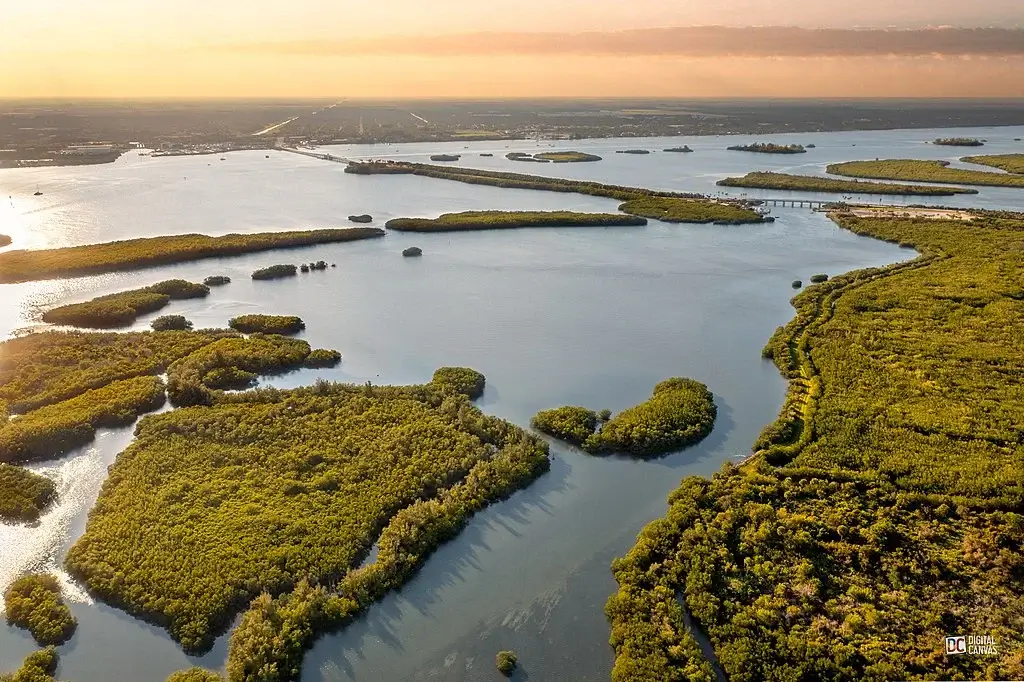
Indian River Oysters are farm-raised Eastern oysters (Crassostrea virginica) from Florida’s Indian River Lagoon. This diverse estuarine system stretches roughly 156 miles along the state’s Atlantic coast. It includes the Mosquito Lagoon, Banana River, and the Indian River itself. Leading growers such as Indian River Oyster Company and Treasure Coast Shellfish raise oysters here in floating gear and cages.
On the half shell, the cup opens with a bold salty burst from lagoon brine. A sweet, clean finish follows, balancing salinity and sweetness in each bite. The overall impression is briny yet buttery, with subtle sweetness on the close. Salinity near 20–28 ppt keeps the flavor refreshing rather than one-note.
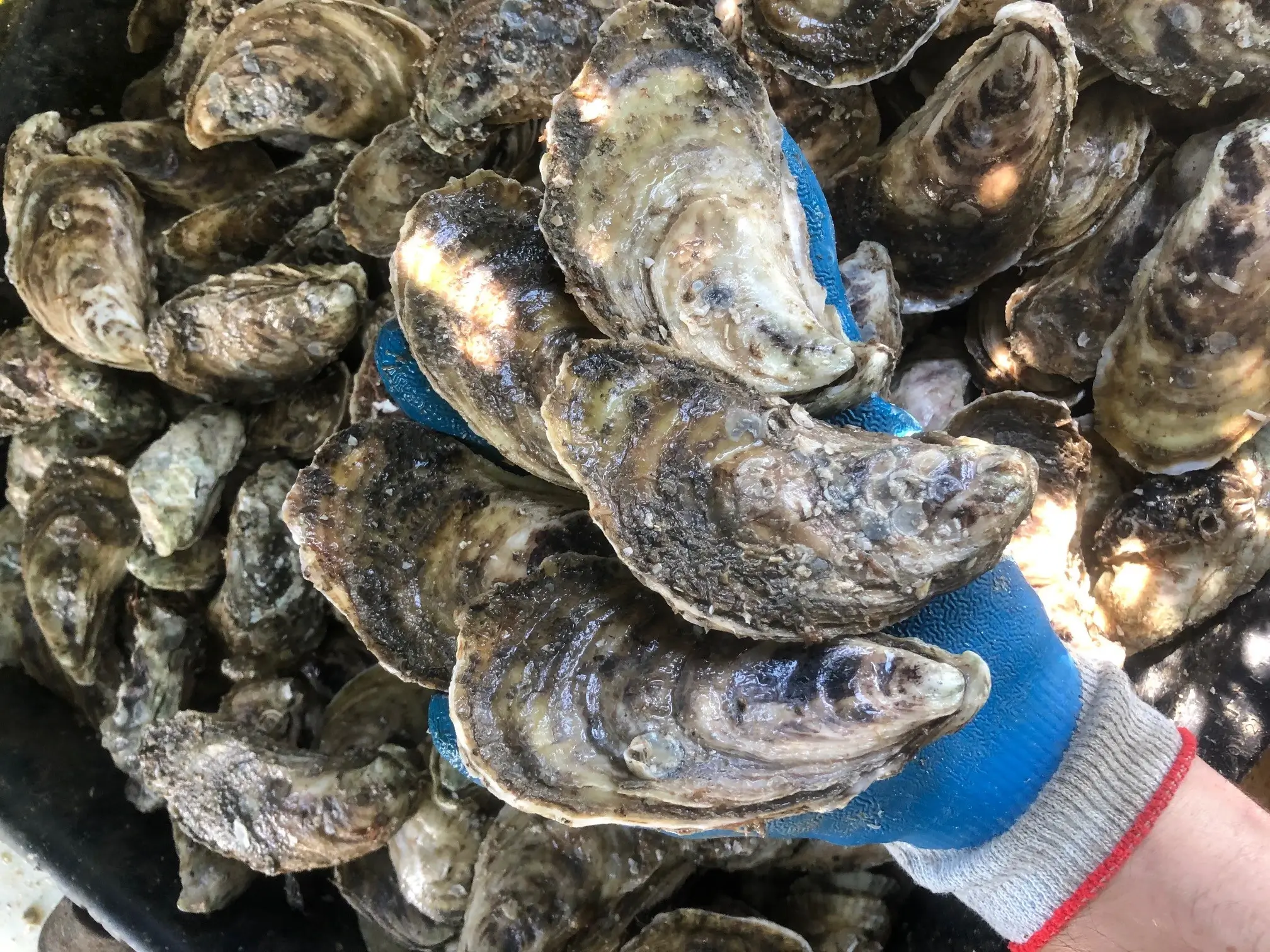
Shells are robust oval forms in gray-brown with a rugged, textured exterior. The interior cup is smooth and white to off-white, typical of lagoon-grown Eastern oysters. They are sized for raw service where brine and texture read clearly on the shell. Farm-raised pods deliver consistent presentation for restaurants and seafood counters.
How Did Indian River Oysters Get Their Name?
The Indian River oysters get their name from the Indian River Lagoon system, where farmers cultivate them. This expansive estuary stretches along Florida’s east coast, providing a unique environment for oyster growth. The name reflects the oysters’ geographical origin and the distinct ecosystem that shapes their characteristics.
The Indian River Lagoon, despite its name, isn’t a river. It’s a diverse estuarine system spans about 156 miles along Florida’s Atlantic coast. This misconception in the lagoon’s name carries over to the oysters, creating an intriguing misnomer that has become part of their identity.
About Indian River Oyster Company
The Indian River Oyster Company (IROC) was founded in 2017 by Dennis David and his family in New Smyrna Beach, Florida. The idea for the company originated from family kayak trips along the Indian River Lagoon, where they would collect and eat fresh oysters. Noticing the growth of oysters, where they discarded smaller ones, the family decided to venture into oyster farming. Dennis David, with over 30 years of experience as a wildlife biologist with the Florida Fish and Wildlife Conservation Commission, combined his expertise with his son-in-law’s background in biology and food inspection to establish the company.
IROC operates on two leased sites from the State of Florida, covering 7.5 acres in the Indian River Lagoon. The company employs floating mesh bags to cultivate Triploid oysters suspended near the water’s surface to maximize sunlight exposure, essential for their growth. These oysters are filter feeders, contributing significantly to the lagoon’s health by filtering nutrients and improving water quality. The company plants over half a million oysters annually and harvests them weekly, depending on wholesale orders from local restaurants and other clients.
The company’s commitment to sustainability and conservation is evident in its practices. IROC participates in the Marine Discovery Center’s Shuck & Share program, which recycles oyster shells for shoreline restoration projects. The company also offers educational kayak tours to the farm, providing insights into oyster farming and the importance of maintaining a healthy lagoon ecosystem. These tours include oyster tastings, allowing visitors to experience the product firsthand.

IROC’s oysters are known for their briny and sweet flavor profile, which is attributed to the lagoon’s high salinity levels, which are close to seawater. The company prides itself on producing high-quality oysters enjoyed locally and shipped to distant markets like Memphis and Atlanta. With a focus on environmental stewardship and delivering a premium product, Indian River Oyster Company has quickly gained a reputation for excellence in oyster farming.
Follow Them
Discover the exceptional taste and sustainability efforts of Indian River Oyster Company! Visit their official website to learn more about their premium oysters and farming practices. Don’t forget to follow them on social media for the latest updates and behind-the-scenes looks at their operations. Dive into the world of IROC today!
Indian River Oysters Information

Eastern oyster
If you like Indian River Oysters, then check out these similar varieties!

Location
Indian River Oysters are cultivated primarily in the Indian River Lagoon, a diverse estuarine ecosystem along Florida’s east coast. This lagoon stretches approximately 156 miles and includes various water bodies, such as the Mosquito Lagoon, Banana River, and the Indian River. Oyster farms in this region, like those managed by the Indian River Oyster Company and Treasure Coast Shellfish, utilize floating gear and cages to grow oysters in the nutrient-rich waters of the lagoon.
The Indian River Lagoon provides an ideal environment for oyster cultivation due to several key factors. Firstly, the lagoon’s brackish water, a mix of fresh and saltwater, creates optimal salinity levels for oyster growth. Additionally, the lagoon’s shallow depths and protected waters offer a stable environment that reduces the risk of damage from strong currents and waves.
Another significant environmental factor is the lagoon’s high nutrient availability, which supports the growth of phytoplankton—the primary food source for oysters. The lagoon’s waters are rich in organic matter and microalgae, allowing oysters to filter and feed efficiently. This abundant food supply promotes faster growth rates and enhances the overall health of the oyster population. Moreover, seagrasses and mangroves within the lagoon help stabilize the sediment, reduce erosion, and improve water quality, benefiting the oysters.
Lastly, the Indian River Lagoon’s biodiversity is crucial in supporting oyster farming. The lagoon is home to various species contributing to a balanced ecosystem, including fish, crustaceans, and other marine life. This biodiversity helps maintain a healthy oyster environment by controlling potential pests and diseases and providing additional habitat complexity. These environmental factors make the Indian River Lagoon an exceptionally beneficial location for cultivating high-quality oysters.
Suggested Beverage Pairings
This rosé offers edgy acidity and aromatic complexity, which complements the salty and sweet notes of Indian River Oysters. Its crispness and slight fruitiness enhance the oysters’ clean finish.
This champagne’s bracing citrus and melon flavors act like a spritz of lemon, enhancing the oysters’ natural saltiness and sweetness. Its yeasty undertones meld well with the oysters’ buttery texture.
This unfiltered wheat beer pairs excellently with the salty nature of Indian River Oysters. Its light, citrusy notes, and refreshing effervescence balance the oysters’ salty start and sweet finish.
Known for its saltiness, acidity, and citrus flavors, Muscadet is a classic pairing for oysters. It seamlessly matches the oysters’ briny and sweet profile, making each bite more vibrant and refreshing.
This traditional dry gin creates an ironic, sweet-briny contrast with its foresty juniper core and cucumber notes. The cucumber in the gin complements the oysters’ clean finish, making for an exciting and refreshing pairing.
Where Can I Buy Indian River Oysters?
- Indian River Oyster Company – Offers curbside pick-up every Friday with pre-order required. Provides 50-count bags for $60 and 100-count bags for $100. It is also available at local restaurants and events.
- Treasure Coast Shellfish – Sells Sebastian Silvers and Gold Doubloons in various quantities. Offers pick-up in-store or at prearranged pick-up locations.
- Island Creek Oysters – While primarily known for their oysters, Island Creek Oysters often feature a variety of oysters from different regions, including Indian River Oysters, available for online purchase and delivery.
Stay Connected with The Oyster Encyclopedia!
Follow us on social media to get the latest updates, oyster recipes, and behind-the-scenes glimpses into the world of oysters:
Stay tuned for exclusive content, oyster trivia, and more! Engage with our vibrant community of oyster enthusiasts by liking, commenting, and sharing our posts. Your support helps us continue providing valuable oyster knowledge to fellow seafood lovers worldwide.
References
- Indian River Oyster Company. Web. Accessed 30 May 2026. http://irocoysters.com
- Treasure Coast Shellfish. Web. Accessed 30 May 2026. http://treasurecoastshellfish.com
- Island Creek Oysters. Web. Accessed 30 May 2026. http://islandcreekoysters.com
Discover more from The Oyster Encyclopedia
Subscribe to get the latest posts sent to your email.