


Chef’s Notes
Mason Bostwick · Executive Chef
Pacific oyster
Claire Stripe from Farm Suzuki on Osaki Kamijima reads mild-brine and sweetness-forward with soft mineral notes. Claire-pond finishing in former saltpans blends mountain spring water with seawater for a lower-salinity, plump cup harvested before spawning. A striped, year-round Pacific built for half-shell service.
Flavor chart
Chef palate read
Shuckability
Shell & line performance
When I buy it
I look for Claire Stripe oysters from Farm Suzuki on Osaki Kamijima, where claire-pond finishing in former saltpans builds their signature vertical striping and sweet, lower-salinity cup. They run year-round, so I want heavy, tightly closed shells with a bright white stripe and clear liquor.
How I serve it
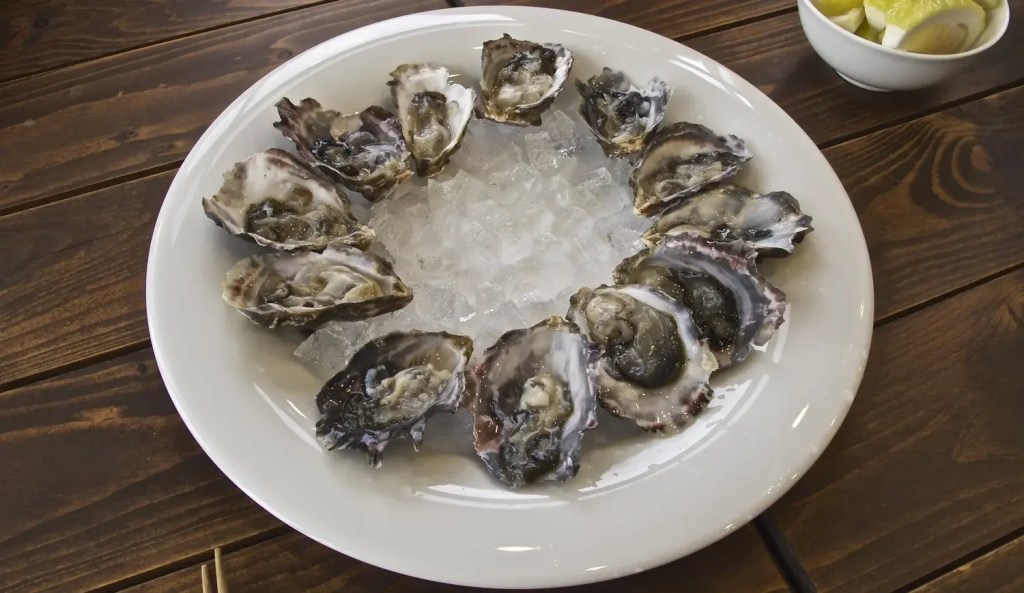
Raw on the half shell, served ice-cold, to show off the gentle mild brine and sweetness-dominant finish of a Claire Stripe. A squeeze of lemon or a light mignonette is plenty — the plump, pre-spawn meat carries the plate.
What to watch for
Full brine with creamy finish. Reject any with broken shells or milky liquor.
My read
Gentle mild brine opens each Claire Stripe cup, then sweetness from claire-pond finishing on Osaki Kamijima takes over with soft mineral notes underneath. Plump, pale meat stays clean and rich because Farm Suzuki harvests before spawning. A striped, year-round Pacific that eats sweeter than its 25–32 ppt range suggests.
What Are Claire Stripe Oysters?
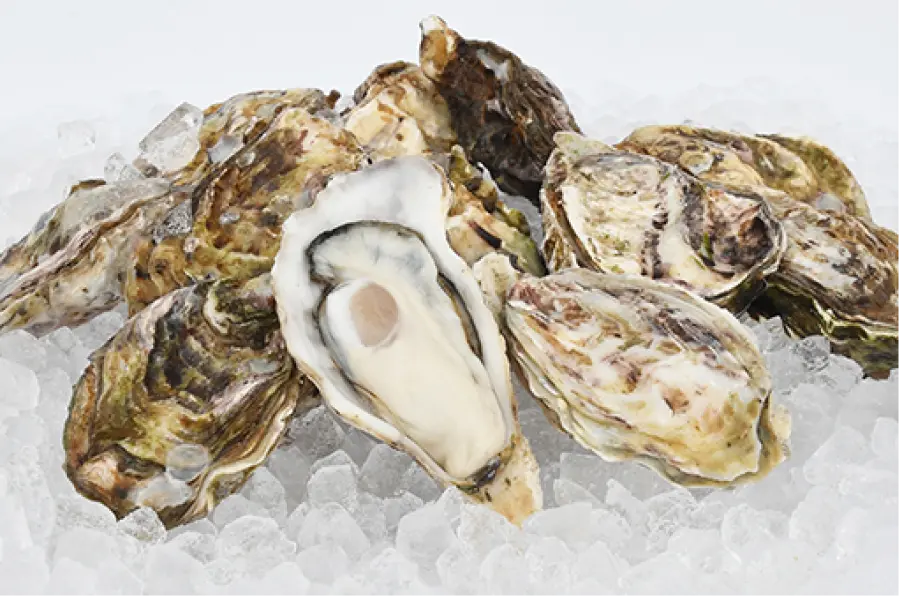
Claire Stripe oysters come from Hiroshima, Japan, and they stand out the second you see the shell. The name comes from the clean vertical stripes that run down the shell, which gives them a signature look compared to most smooth or heavily ridged oysters. They also trace back to a long local lineage in Hiroshima, so they carry a strong sense of place instead of feeling like a generic “farm oyster.”
Farm Suzuki grows Claire Stripe oysters in a rare setting: former saltpan ponds on Osaki Kamijima that blend mountain spring water with seawater. That mix creates a lower-salinity environment, which pushes the oyster toward a sweeter finish instead of sharp brine. The farm also runs a strict selection loop—raising them from hatchery seed and choosing only the strongest oysters each year as parent stock—so the line stays consistent and high quality.
They feel different in the mouth because the process targets sweetness and balance on purpose. The farm harvests them before spawning, which helps keep the meat clean, sweet, and rich rather than watery or chalky. This “pond finishing” also echoes the classic French idea of maturing oysters in shallow “claire” ponds where fresh and salt water mingle—an approach known for refining texture and flavor.
How Did Claire Stripe Oysters Get Their Name?
Farm Suzuki named them Claire Stripe to highlight two traits at once. “Claire” nods to French salt-pond finishing methods that Japanese growers adapted for former evaporation basins on Osaki Kamijima. The farm finishes Pacific oysters in those shallow ponds where mountain spring water blends with seawater.
“Stripe” describes the bold vertical shell lines that form as oysters grow in the controlled pond environment. Those patterns make Claire Stripe easy to recognize beside smoother Hiroshima cups. Together, the name signals both the claire-style process and the oyster’s signature look.
About Farm Suzuki
Pure claire oysters come from Farm Suzuki, an innovative shellfish farm on Osaki-Kamijima in Hiroshima Prefecture, Japan. The farm sits on former salt pans along the Seto Inland Sea. It specializes in finishing oysters in these shallow ponds to create “salt farm matured” claire oysters. Farm Suzuki focuses on smaller, raw-focused oysters with clean, refined flavors and exports a large share of its production to overseas markets.

Farm Suzuki’s story centers on its founder, Takashi Suzuki, who studied at Japan’s National Fisheries University and first worked in the seafood trade. He launched a seafood export company in 2008, then searched for the ideal site to grow premium oysters for global customers. Research trips to France’s Marennes-Oléron region exposed him to claire-style pond finishing, which inspired his vision for Japanese claire oysters. In 2011 he discovered disused salt ponds on Osaki-Kamijima and, seeing their clear water and strong phytoplankton, decided to build a new kind of farm there. Farm Suzuki formally started in 2015 and now produces several hundred thousand oysters a year.
The farm’s operating style blends French pond maturation with modern gear and export-focused logistics. Oysters start in baskets and other contemporary systems. They then move into the shallow salt ponds. This is where careful control of water exchange, stocking density, and feeding conditions shapes flavor and meat quality. Farm Suzuki sells live oysters, along with prawns. They sell to restaurants and markets in Japan and across East and Southeast Asia, supported by a strong cold chain. On site, the farm also runs a restaurant that serves oysters directly beside the ponds, turning the operation into both a production facility and a culinary destination.

Follow Farm Suzuki
Discover more about pure claire oysters straight from the source and support the farmers who raise them. Visit Farm Suzuki’s official website harvest updates and details on their “salt farm matured” oysters. Then follow their social media profiles to see behind-the-scenes farm footage, seasonal offerings, and new export destinations in real time.
Claire Stripe Oysters Information

Pacific oyster
If you like Claire Stripe Oysters, then check out these similar varieties!
Location
Farm Suzuki cultivates Claire Stripe oysters on Osaki Kamijima Island in Hiroshima Prefecture, within Japan’s Seto Inland Sea region. Instead of growing only in open coastal water, the farm uses ponds built on the site of a former salt field (“claire ponds”). Mountain spring water from the island mixes with seawater in those ponds, creating the lower-salinity finish that defines the Claire Stripe profile. For another farmed Pacific with a distinct regional profile, see Momokomachi Oysters.
Environmental Factors
This location supports oyster growth because the ponds naturally mix mountain spring water with seawater, which creates brackish, lower-salinity water. That steady blend supports strong feeding and growth conditions in a controlled environment rather than a fully exposed coastline. The farm describes the site as nutrient-rich, which helps oysters feed steadily through each grow-out cycle.
The former salt-field pond system also helps because it limits stressors that can slow growth. The farm describes the area as nutrient-rich and notes that the ponds have fewer natural predators, which reduces losses and helps oysters mature reliably. The broader Seto Inland Sea setting also provides gentle, sheltered waters, which historically supports oyster cultivation across Hiroshima’s bays and coves.
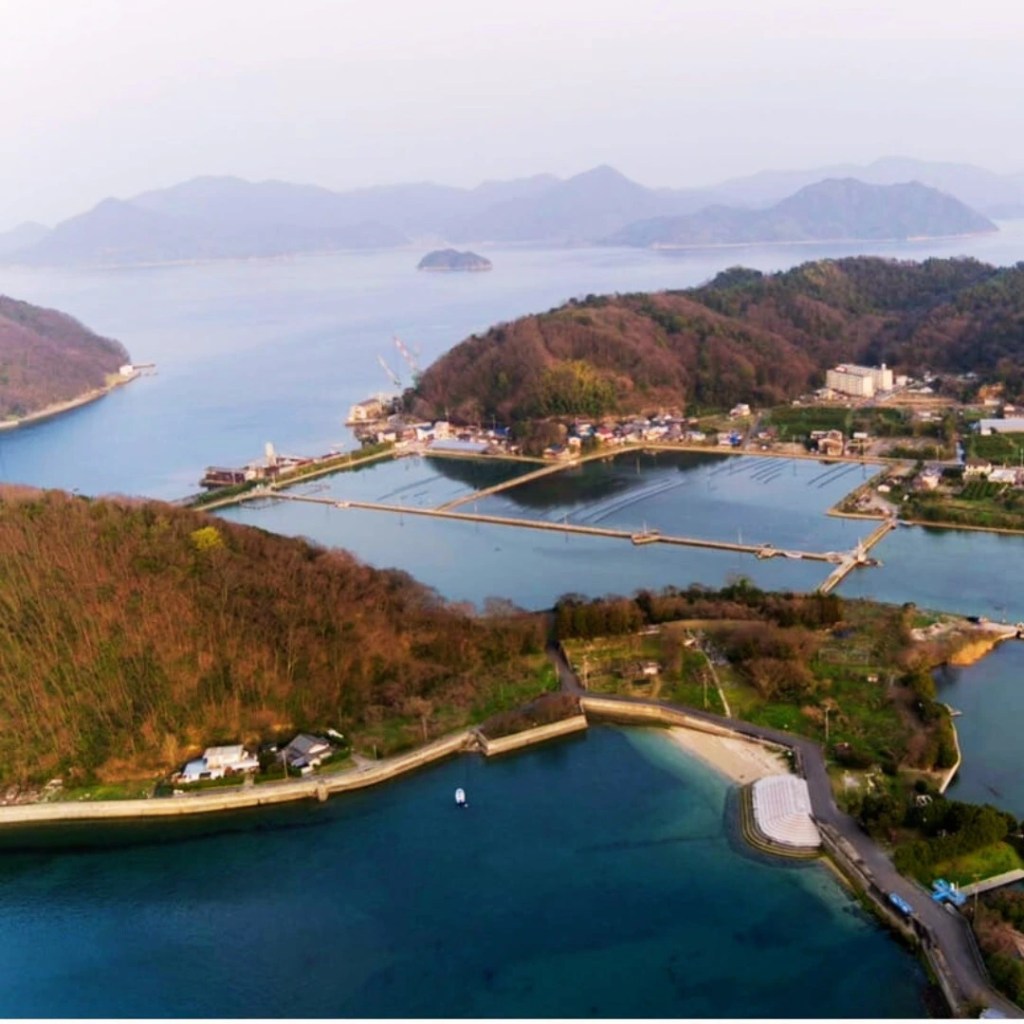
Finally, “claire pond” farming creates a productive micro-environment that oyster producers have used elsewhere for centuries. Farm Suzuki explicitly frames its ponds as “claires,” and outside reporting describes claire ponds as former salt-evaporation ponds used to finish oysters in brackish conditions. This combination of controlled water, steady nutrients, and reduced predation makes the site unusually favorable for consistent oyster growth.
The Raw Bar Bible
A deeper look into oysters, shucking technique, brine, knife choice, and real raw bar workflow — written from a chef’s point of view. Clear, practical, and built from actual service experience.
Suggested Beverage Pairings
Pierre Peters Cuvée de Réserve pours with tight bubbles and bright acidity that frame the gentle mild brine of a Claire Stripe. Its chalky, mineral edge echoes the oyster’s soft mineral notes without masking the sweetness-dominant finish. A Blanc de Blancs built for a clean, ocean-forward half shell.
Domaine de la Pépière Gras Moutons Muscadet drinks crisp and light beside a Claire Stripe, letting the claire-pond sweetness stay in the spotlight. Its salty-mineral vibe and subtle texture sharpen the oyster’s mellow, balanced finish. A Loire white that matches this lower-salinity Hiroshima cup.
Valdespino Fino Inocente tastes bone-dry and savory beside a Claire Stripe that leans sweet and clean from pre-spawn harvest. Its sharp, nutty-umami snap lengthens the oyster’s soft mineral close without adding sweetness. Pour it well-chilled between striped half-shell bites.
Guinness Extra Stout layers a creamy head and roasted depth against the sweetness-dominant meat of a Claire Stripe. The stout pulls more sea flavor forward from the mild-brine liquor and keeps the pairing balanced instead of harsh. A classic stout pour for a plump, pond-finished Pacific.
Lyon’s Martini x 2 stays crisp and savory, so it won’t bulldoze the delicate mild-brine opening of a Claire Stripe. Its seaweed-leaning Beefeater profile and clean finish make the oyster’s sweetness taste brighter and more focused. Serve it ice-cold beside striped Hiroshima half shells.
Where Can I Buy Claire Stripe Oysters?
- Farm Suzuki Online Store — Order Claire Stripe and other claire-finished oysters direct from Farm Suzuki with live chilled shipping from Hiroshima Prefecture.
- Farm Suzuki — Hiroshima Oysters — The Farm Suzuki export portal lists Claire Stripe, Pure Claire, and Hiroshima Pacific oysters for wholesale and international buyer inquiries.
- Oisix — Claire Stripe Mini Oysters — Japanese online grocer Oisix lists Claire Stripe mini oysters in twelve-piece packs when seasonal stock is available for domestic delivery.
- Rakuten — Fujiya Farm Osaki Kamijima — Rakuten Ichiba sellers on Osaki Kamijima Island list Farm Suzuki and regional Hiroshima oyster products for Japanese domestic orders.
References
- Demmond, Carson. “Best Wines to Pair with Oysters.” Food & Wine, 12 June 2017. Accessed 29 Dec. 2025. Food & Wine
- “Why Guinness Extra Stout Tastes So Good with Oysters.” IrishCentral, 19 June 2023. Accessed 29 Dec. 2025. IrishCentral.com
- Lyon, Anthony. “Cocktail of the Week: Lyon’s Martini x 2 – Recipe.” The Guardian, 22 Nov. 2024. Accessed 29 Dec. 2025. The Guardian
- Bernstein, Nils. “Four Tried-and-True Oyster and Wine Pairings.” Wine Enthusiast, 12 Dec. 2021. Accessed 29 Dec. 2025. Wine Enthusiast
- “Claire Stripe Mini Oysters (12 Count, クレールストライプミニオイスター).” Oisix, n.d. Accessed 29 Dec. 2025. Oisix
- “Claire Stripe Oysters, Half Shell (瞬間凍結 クレールストライプオイスター).” Giftpad eGift, n.d. Accessed 29 Dec. 2025. Giftpad eGift
- “クレールオイスター(塩田熟成牡蠣).” FARM SUZUKI 公式オンラインストア, n.d. Accessed 29 Dec. 2025. Farm Suzuki
- “広島県大崎上島町 ふじやファーム(カテゴリ一覧).” Rakuten Ichiba, n.d. Accessed 29 Dec. 2025. item.rakuten.co.jp
Discover more from The Oyster Encyclopedia
Subscribe to get the latest posts sent to your email.