

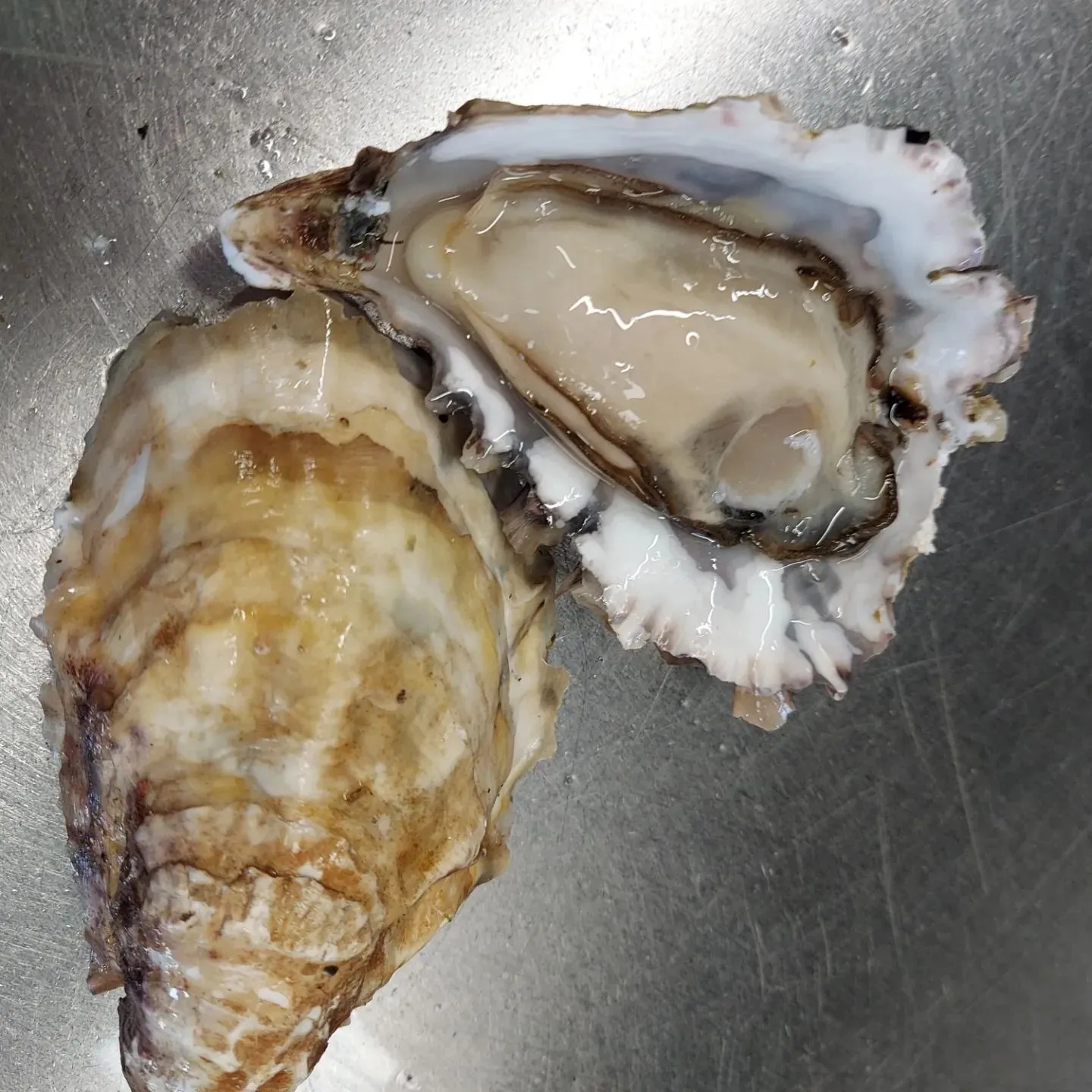

Chef’s Notes
Mason Bostwick · Executive Chef
Pacific oyster
Momokomachi from Toshijima reads gently sweet with deep umami and soft salinity rather than sharp brine. One-year suspended culture yields compact, plump cups marketed for export shucked service. The peach-fresh branding matches their clean, juicy liquor on the half shell.
Flavor chart
Chef palate read
Shuckability
Shell & line performance
When I buy it
Look for Momokomachi Oysters in peak season when conditions are optimal.
How I serve it
On the half shell with minimal garnish — let the oyster speak.
What to watch for
Reject shells with ammonia or iodine off-aromas, broken cups, or milky liquor. Peak lots show clear liquor and a sweet, umami-forward finish.
My read
Strong minerality — rich and subtle sweetness. A solid long-line pacific oyster.
What Are Momokomachi Oysters?
Momokomachi oysters are small Japanese oysters with a sweet, rich flavor and springy texture. Farmers in the Momotori area of Ise‑Shima grow them for just one year, then harvest them young and plump. Exporters ship these oysters already shucked in graded sizes, from small to extra large, which makes them easy to use in restaurants and home kitchens. Their “fresh like a peach” branding highlights how juicy and clean they taste, without strong odor or harsh brine.
That mix of sweetness, umami, and soft salinity sets them apart from many larger, saltier oysters. The info card notes year-round availability and graded export sizes from S to LL. Momokomachi oysters stand out because farmers design them as a one‑year product, not a slow‑grown, multi‑year oyster. A short grow‑out gives them a tender but springy bite, so they feel lively on the palate instead of heavy.
The waters around Momotori support this approach, since the coast near Toshijima is famous for active fisheries and rich marine life. Those conditions help oysters reach market size quickly while still packing their meats with flavor. The brand also focuses on odorless, clean product, which makes them especially attractive in export markets like Taiwan and Hong Kong. This combination of fast growth, careful handling, and export focus makes Momokomachi a modern, chef‑friendly oyster.
Their name and origin story add another unique layer. Momotori residents cultivate Momokomachi as a local brand oyster, tying it directly to community identity on this small fishing island area. The name “Momokomachi” connects to the idea of something small, pretty, and peach‑like, which matches their plump, neat appearance and sweet taste. Local tourism materials now promote Momokomachi oysters alongside wakame seaweed as signature products of Momotori, which builds strong place recognition.
How Did Momokomachi Oysters Get Their Name?
The name “Momokomachi” combines Japanese words that evoke fruit and charm. “Momo” means peach, a fruit associated with softness, sweetness, and freshness in Japanese culture. “Komachi” can reference a small town or, more commonly in branding, a graceful, beautiful girl, drawn from classical literature. Together, the name suggests a petite, pretty oyster that feels as fresh and appealing as a ripe peach.
That image fits a one‑year oyster marketed for its plump, springy texture and sweet flavor. Export labels pair the romantic name with the Momotori place identity on Toshijima Island. Producers lean into this name to communicate sensory expectations before anyone tastes the oyster. Calling the oyster “fresh like a peach” highlights both youth and juiciness.
The wording positions Momokomachi as approachable, playful, and high quality rather than rugged or austere. This branding also distinguishes it from more traditional regional labels that simply reference place. In export markets, the romantic name helps the oyster stand out on menus and raw bars. Buyers in Taiwan and Hong Kong often encounter that marketing on premium oyster lists.
The Cultivation Process
Momokomachi oysters grow in suspended farming systems that keep them off the seafloor and in steady, moving water. Farmers start with hatchery or nursery seed, then transfer the young oysters into mesh baskets, lantern nets, or similar containers that hang from rafts or longlines in protected inshore areas. These structures sit at set depths where currents bring a constant supply of plankton but waves do not batter the gear. The off‑bottom position keeps the oysters away from heavy silt, starfish, and many crabs, which cuts losses and keeps shells cleaner.
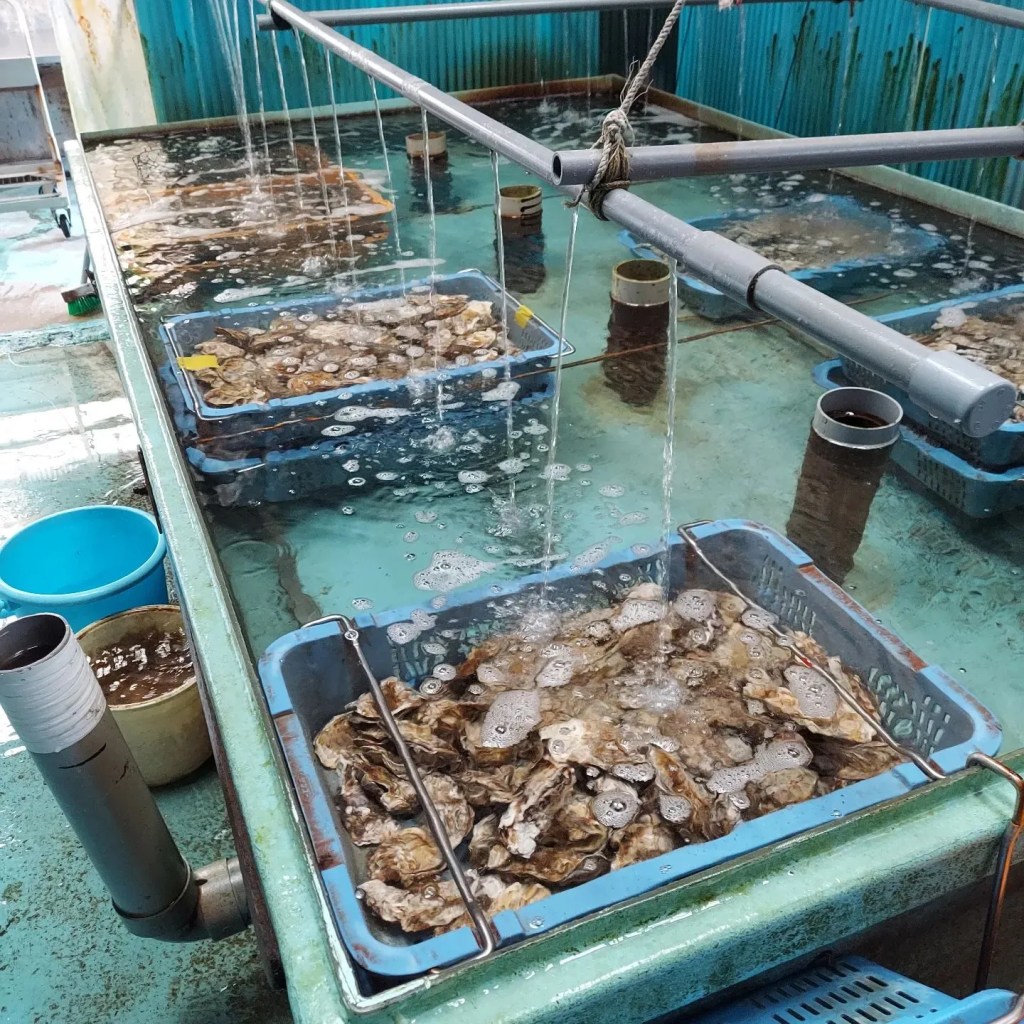
As the oysters grow, farmers sort and grade them by size to keep densities under control and avoid stunting. This regular handling also lets farmers check for mortality, shell damage, and biofouling from algae or other organisms. When fouling increases, they clean or air‑dry gear and shells so the oysters do not waste energy competing for oxygen and food. These husbandry steps help Momokomachi oysters stay plump, clean, and visually consistent.
Near harvest, farmers tighten quality control to hit the brand’s size grades and meat standards. They pull gear, give oysters time to purge grit in clean water, then sort again into export sizes like S, M, L, and LL. Because Momokomachi targets shucked export markets, workers open the oysters in controlled facilities and pack the meats with liquor under strict cold‑chain conditions.
This processing step demands careful timing so the oysters reach peak condition before shucking and chilling. Quick, cold handling preserves the sweet, umami‑forward flavor and springy texture that define the brand. The full cultivation method, from suspended gear choice to final grading and shucking, works together to deliver a young, clean, consistent oyster that feels distinct from slower, bottom‑grown styles.
About Kaneman Suisan Co. LTD
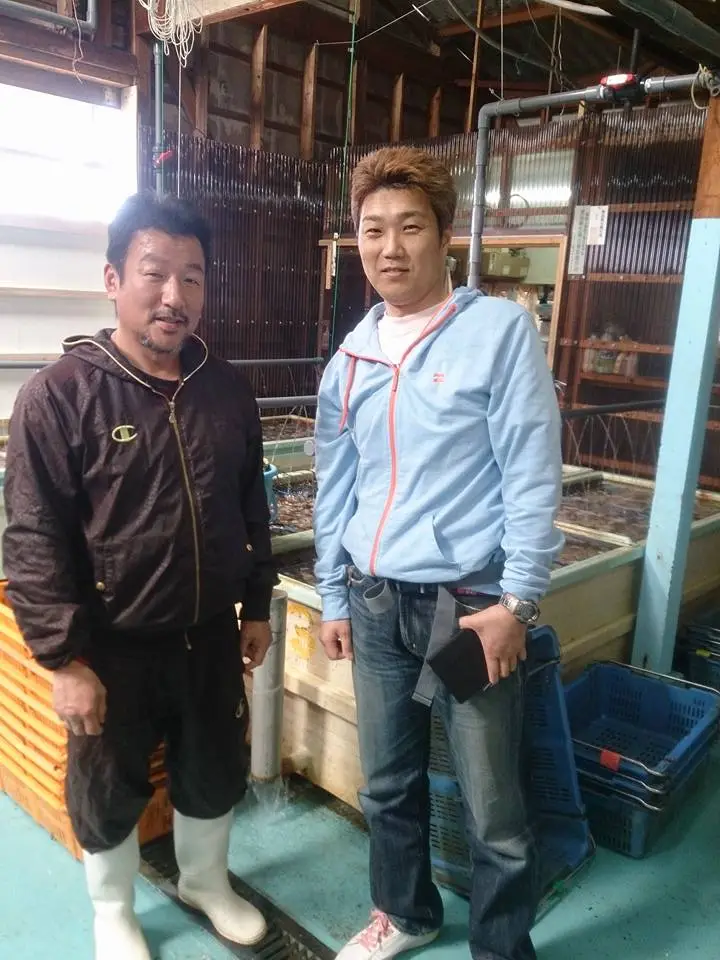
Momokomachi oysters come from Kaneman Suisan, a seafood company based around Toshijima in the Ise‑Shima region of Mie Prefecture, Japan. The company produces and sells oysters branded as Momokomachi, and it also exports these oysters overseas to international buyers and distributors. Kaneman Suisan focuses on high‑quality, locally grown shellfish that showcase the character of the small island fishing community. Its operations emphasize careful handling, grading, and packing so the oysters arrive in top condition for raw bars and restaurants. Local information from Toshijima highlights that people in the Momotori area cultivate Momokomachi as a named local brand, which ties the company’s work directly to the island’s identity and economy.
The company’s history fits within Ise‑Shima’s broader story as a long‑time center for marine products such as pearls, seaweed, and oysters. Toshijima is a small fishing island, and regional tourism and trade materials now mention Momokomachi oysters alongside other local specialties, which suggests that Kaneman Suisan helped formalize and market this brand as demand for premium oysters grew. Reporting on Momokomachi also profiles individual growers such as Masayoshi Saito, a farmer in the area who cultivates these oysters and has recently faced climate‑related challenges like mass die‑offs from higher sea temperatures. These stories show that the company and its partner farmers balance tradition with adaptation, investing in gear and methods that protect stock while responding to changing conditions and export needs.
Operationally, Kaneman Suisan runs a vertically integrated model that covers cultivation, processing, and sales. The company raises oysters in local waters, then handles shucking, packing, and export logistics, which allows it to control quality from sea to shipment.
Follow Them
Visit Kaneman Suisan (Momotorikaki) for Momokomachi product grades, export inquiries, and farm background on Toshijima Island in Ise-Shima. The company posts harvest and product updates on Facebook and Instagram under the Kaneman Momokomachi accounts. Setouchi Travel and Mie Prefecture tourism pages also list Momokomachi among Ise-Shima shellfish specialties. Contact Kaneman directly for wholesale shucked export availability in graded S through LL sizes.
Momokomachi Oysters Information

Pacific oyster
If you like Momokomachi Oysters, then check out these similar varieties!
Location
Farmers cultivate Momokomachi oysters in the sea off Momotori, a small coastal area on Toshijima Island in Toba, within the Ise‑Shima region of Mie Prefecture, Japan. Suspended longline culture keeps gear in these protected inshore waters near the Momotori coast. The Jetpack map pin marks the 517-0003 postcode area in Toba where this island fishery operates.
This setting combines a remote island feel with access to protected bays and inlets, where gear can hang in relatively calm water rather than open‑ocean swell. The brand’s producer describes the Momotori sea as very nutrient‑rich, which signals that local currents and geography concentrate food for filter feeders like oysters. Salinity in the info card reads about 28 ppt, which Pacific oysters handle well in these waters.
Environment Variables
Several environmental factors in this area support oyster growth. Fast‑flowing tides move through the straits and channels around Toshijima, bringing a steady supply of phytoplankton and oxygen while carrying away waste. At the same time, island topography shelters many culture sites from direct storm energy, so rafts and longlines can sit in stable water columns where oysters can feed almost continuously. This mix of flow and shelter helps oysters reach market size in about one year while staying clean and well shaped for half‑shell and shucked presentation.
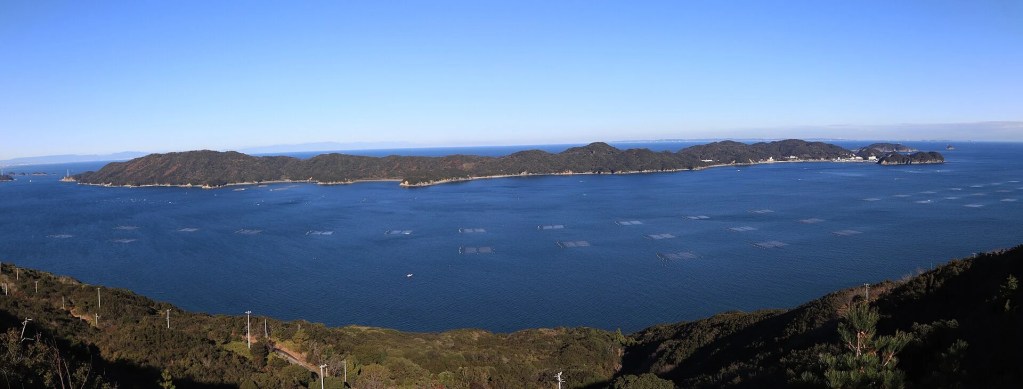
The broader Ise‑Shima environment also contributes to oyster prosperity. Forested and rural coastlines around Toba send nutrients downstream through rivers and runoff, which fuels primary productivity in the adjacent sea. Those nutrients support dense plankton communities, giving Momokomachi oysters abundant natural food.
Salinity stays close to normal ocean levels, which Pacific oysters handle well, while seasonal temperature swings remain moderate enough to support growth and maintain meat quality across much of the year. Together, these conditions make the Momotori waters a particularly favorable niche for producing small, sweet, fast‑grown oysters like Momokomachi. The info card lists year-round seasonality for this fast one-year grow-out cycle.
This guide is part of the Raw Bar Bible — chef-level technique, safety, and gear so you can shuck and serve oysters with confidence.
Suggested Beverage Pairings
This bright Prosecco brings lemon, green apple, and soft pear that echo Momokomachi’s gentle sweetness without adding weight. Its crisp bubbles cleanse the palate between oysters and keep the “fresh like a peach” impression feeling light and lifted.
This unoaked Chablis offers high acidity, citrus, and chalky minerality that frame the oyster’s sweet, umami core. The wine cuts through the rich liquor, then finishes clean so each new oyster still tastes vivid and delicate.
Fine bubbles and bright acidity in this Champagne balance Momokomachi’s soft salinity and plush texture. Subtle notes of apple and toast add complexity without overpowering the oyster’s gentle, fruity finish.
This New Zealand Sauvignon Blanc brings zesty citrus, tropical hints, and sharp freshness that play well with a sweet, low‑brine oyster. Its herbaceous snap keeps each bite feeling focused, lifting the umami while preventing the profile from turning heavy.
This very dry Japanese lager mirrors the oyster’s clean, precise profile and never competes with its flavor. Light malt, high carbonation, and a crisp finish rinse away richness and let Momokomachi’s sweet, savory notes stand out more clearly.
Where Can I Buy Momokomachi Oysters?
- Kaneman Suisan — Momokomachi Product List — Direct from the Toshijima grower; graded shucked export oysters in sizes S through LL with international cold-chain shipping inquiries.
- Kaneman Suisan — Export Inquiries — Company homepage for wholesale Momokomachi orders, farm background, and contact details for distributors and restaurants.
- Shibuya Oyster Restaurant (Spiral Parco) — Tokyo raw-bar venue that has featured Momokomachi on seasonal Japanese oyster menus when import stock is available.
- Setouchi Travel — Farm Suzuki — Regional tourism hub listing premium Setouchi and Ise-Shima oyster growers; useful for tracing Momokomachi within the broader Mie oyster trade network.
References
- “Japanese oysters made by Kaneman.” Momotorikaki.com, www.momotorikaki.com/en/]
- “Kumamoto Oysters – Chefs Resources.” Chefs Resources, 29 Apr. 2025, www.chefs-resources.com/seafood/oysters/pacific-northwest-oysters/kumamoto-oysters/.[4]
- “Frozen in time on Hiroshima’s oyster farms.” SilverKris, 4 Sept. 2023, silverkris.singaporeair.com/inspiration/food-drink/restaurants/frozen-in-time-on-hiroshimas-oyster-farms/.
- “Hiroshima oysters can be eaten even in summer.” Dive Hiroshima, 22 Mar. 2023, dive-hiroshima.com/en/feature/kaki-natsukaki/.
- “Momo Komachi —— 桃小町 在得天獨厚的海域中生長的”桃小町”是 …” Instagram, www.instagram.com/p/DK1qfnlhBA8/.[7]
- “Hiroshima | Farm Suzuki Cultivates Tasty Oysters and Seafood.” Setouchi Travel, www.setouchi.travel/en/see-and-do/spot/0106/.
- “Shibuya Oyster Restaurant Tokyo seafood Shibuya PARCO/Oyster …” Spiral Shibuya Parco, spiral-shibuya-parco.com/en_us/blog/post-0/990/.
- “Ise-Shima oyster “Momokomachi” Product List.” Momotorikaki.com, www.momotorikaki.com/en/item/]
Discover more from The Oyster Encyclopedia
Subscribe to get the latest posts sent to your email.