


Chef’s Notes
Mason Bostwick · Executive Chef
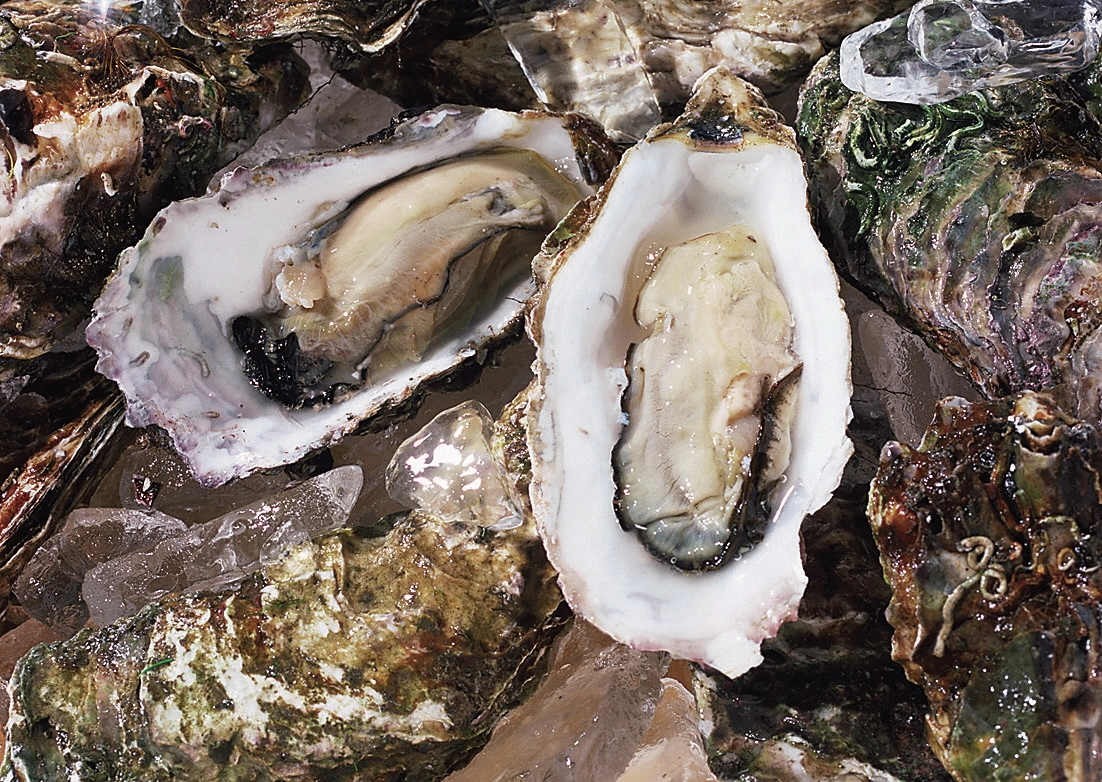
Pacific oyster
Noto Kaki from Nanao Bay are one-year Pacific cups with thick, glossy meats. Sweetness leads, umami runs deep, and a clean briny snap keeps the finish bright. A winter specialty from Ishikawa’s satoumi waters.
Flavor chart
Chef palate read
Shuckability
Shell & line performance
When I buy it
I buy Noto Kaki inside the October–April window, when cold Nanao Bay water sets thick winter meats. Kaki Wakate no Kai lists Shimomura Suisan packs shipped straight from Nanao Nishi Bay.
How I serve it
Raw on the half shell first — the sweet, umami-rich meat needs no sauce. These one-year Pacifics also hold up in kaki fry or a winter nabe.
What to watch for
Reject broken shells, milky liquor, or ammonia off-aromas. Thick, glossy meat filling a deep cup is the healthy Noto standard.
My read
Sweet up front, deep umami, and a clean briny snap. A compact one-year Pacific that outpunches its shell size.
What Are Noto Kaki Oysters?
Noto Kaki oysters come from the Noto Peninsula in Ishikawa Prefecture, Japan. They grow in Nanao Bay, which has cold, clean, and nutrient‑rich water. These conditions help the oysters grow slowly and become thick, sweet, and rich in umami. The region treats them as a winter specialty and often serves them very fresh.
Many local producers and restaurants highlight Noto Kaki as a symbol of Noto’s seafood culture. Noto Kaki stand out because farmers usually harvest them after only one year in the water. Most Pacific oysters need more time, but Nanao Bay holds so much plankton that these oysters fatten quickly. This short grow‑out still produces dense, springy meat that feels generous for the shell size.
Diners often describe them as small but powerful, with strong sweetness and rich flavor. That mix of compact shells and bold taste makes them feel different from many larger, milder oysters. Their home waters also make Noto Kaki unique compared to other Japanese oysters. Cold seas and forest‑fed bays slow growth and build up glycogen, which deepens sweetness and improves texture in winter.

This setting produces oysters that taste both clean and intense when eaten raw or cooked. Local guides and tourism materials frame Noto Kaki as a key way to experience Noto’s satoyama and satoumi landscape. Eating these oysters connects guests directly to the peninsula’s land‑and‑sea environment.
How Did Noto Kaki Oysters Get Their Name?
The name “Noto Kaki” links the oyster directly to its peninsula of origin and the Japanese word for oyster. “Noto” refers to the Noto Peninsula and its coastal communities, while “kaki” simply means oyster in Japanese. This straightforward naming follows a common pattern in Japan, where region‑plus‑kaki brands signal both place and style.
Over time, restaurants, markets, and tourism boards have promoted “Noto oysters” as a local specialty, building recognition across Hokuriku. As a result, Noto Kaki now function as both a product name and a symbol of the peninsula’s seafood identity. That regional branding helps diners link each shell to a specific corner of Ishikawa’s cold, food‑rich bays.
The Cultivation Process
Farmers cultivate Noto Kaki in the calm, semi‑enclosed waters of Nanao Bay, where rivers deliver nutrients from surrounding forests. Longlines, rafts, or other suspended systems hold the oysters in the water column. There they feed on abundant plankton while staying off the bottom. The region focuses on relatively fast one‑year oysters. Rich food and well‑managed gear bring them to market size in roughly a year.
Producers harvest during the cold season, when the meat is densest and the umami most pronounced. Some local companies also process Noto oysters into value‑added products, such as oysters pickled in soy‑and‑ginger‑accented oil. These items highlight their plump texture and deep flavor. Companies like Shimomura Suisan also pack these same farmed oysters for markets beyond Nanao Bay.

About Shimomura Suisan
Shimomura Suisan is a small, place‑based seafood company in Nanao City on the Noto Peninsula. The family‑run operation focuses on Noto Kaki oysters grown in Nanao Nishi Bay, a quiet inlet of Nanao Bay. The team works close to shore, which keeps the travel time from water to processing very short. This tight radius helps them protect freshness. It also maintains a consistent Noto Kaki identity tied to a specific corner of Ishikawa Prefecture.

Over time, Shimomura Suisan has shifted from only selling raw shellfish toward a more diverse product line. The company still harvests live oysters for local markets and restaurants. It also prepares packed items like Noto oysters pickled in oil. These products use the same farmed Noto Kaki and highlight their thick texture and rich umami. The move into processed goods lets the farm reach customers outside the immediate region.
It also extends the oyster season by offering shelf‑stable options when fresh shipping is harder. In daily operations, Shimomura Suisan manages the full chain from cultivation to finished product. Staff tend oyster racks in Nanao Nishi Bay, monitor growth, and time harvests to capture peak winter quality.
After landing, the company handles grading, shucking, and packing in‑house, which keeps oversight tight. This integrated approach supports consistent sizing, clean handling, and branded labeling under the Shimomura and Noto oyster names. By controlling each step, the farm protects both flavor and story. It presents Noto Kaki as a carefully managed regional specialty.
Follow Them
Follow Shimomura Suisan through the Kaki Wakate no Kai grower page. It lists their Nanao Nishi Bay oysters and pickled-oyster jars. The association posts seasonal availability and new releases from its young-grower members. For the wider Noto kaki season, the Ishikawa Food Culture guide tracks the regional harvest. Check both pages in autumn, when the first shipments of the new season open.
Noto Kaki Oysters Information

Pacific oyster

If you like Noto Kaki Oysters, Then Check out these Similar Varieties!
Location
Farmers cultivate Noto Kaki oysters in protected bays around the Noto Peninsula, mainly in Nanao Bay in Ishikawa Prefecture. Nanao Nishi Bay, a quiet inlet within Nanao Bay, holds many of the region’s grow-out sites. Shimomura Suisan and other local farms work these semi-enclosed waters where river nutrients meet cold Sea of Japan influence.
These semi‑enclosed waters stay calm, so rafts and hanging ropes remain stable and oysters avoid strong surf or heavy sediment. The bay’s depth and shape let oysters hang in the water column where they can filter clear, food‑rich water efficiently. Cold seawater slows growth and concentrates sweetness in the meat during the main winter harvest window.
Environmental Factors
Several key environmental factors support Noto Kaki growth in this area. Cold seawater slows growth and concentrates sweetness and glycogen in the meat during winter harvest. Rivers from forested hills bring nutrients into the bay, which fuel phytoplankton blooms that oysters graze on almost constantly. This blend of clear offshore water and land‑derived nutrients creates a productive feeding ground for dense, consistent oyster crops.
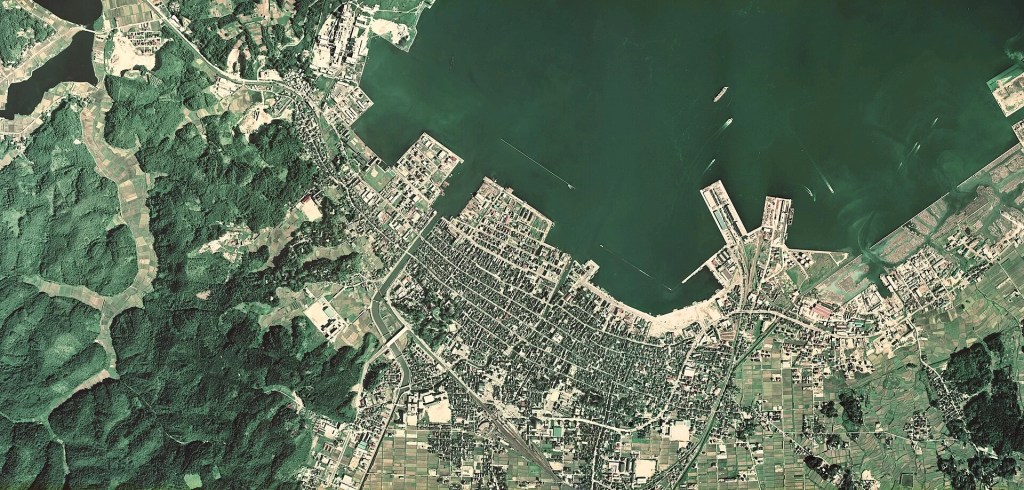
These same conditions make the region especially beneficial over the long term. Salinity stays close to open‑ocean levels, which supports oyster health and shell formation. The recognized “Noto no Satoyama Satoumi” landscape links forests, farms, and fisheries, which helps protect water quality and nutrient balance. Together, protected bays, rich yet clean water, and careful satoumi management allow Noto Kaki oysters to thrive year after year.
Suggested Beverage Pairings
Dassai 45 Junmai Daiginjo adds soft melon and pear beside Noto Kaki sweetness. Clean acidity and silky texture refresh the palate between rich, milky bites. Pour lightly chilled before any mignonette.
Kubota Senju Junmai Ginjo brings restrained rice sweetness and crisp finish beside Noto Kaki brine. Its elegant body mirrors creamy Japanese cup texture without heaviness. Serve chilled in small ochoko pours between shells.
Pierre Peters Blanc de Blancs adds chalky minerality and fine mousse beside Noto Kaki salinity. Bright citrus cuts through thick, creamy meat while brioche notes stay dry and focused. Serve ice-cold for special-occasion pairings.
Yo-Ho Yona Yona Ale brings American-style hop citrus beside Noto Kaki clean ocean profile. Moderate bitterness and lively carbonation rinse creaminess so each oyster tastes vivid. A craft beer option for Japanese raw-bar menus.
Asahi Super Dry mirrors Noto Kaki’s clean, oceanic profile with ultra-crisp malt. Gentle bitterness and strong carbonation reset the palate between milky bites. Serve ice-cold alongside classic kaki service.
Where Can I Buy Noto Kaki Oysters?
- Godaime Sanji (Noto Fudo) – Producer-direct online store in Nanao City selling shell-on Noto kaki by the can, packed chilled and shipped within Japan.
- Kaki Wakate no Kai Online Shop (Young Oyster Cultivators Association) – This marketplace carries Shimomura Suisan products, including jarred Noto oysters in oil sent directly from Ishikawa Prefecture.
- Weee! Japanese Oysters – This North America–focused Asian grocer sometimes lists Japanese kaki. Check titles for Noto or Ishikawa labeling and expect chilled, ice-packed delivery.
- Miyamoto Suisan – Producer-direct Noto kaki shop on Nanao Bay selling shell-on and shucked oysters. True oysters ship winter through spring with nationwide cool delivery inside Japan.
References
- Godaime Sanji (Noto Fudo). “Noto Kaki Online Store.” Notofood.jp, 2026, https://www.notofood.jp/.
- Ishikawa Food Culture Promotion Organization. “Noto-kaki Oyster.” Ishikawa Foods, 2025, https://ishikawafood.com/en/foods/763/.
- Ishikawa Prefecture Tourism Department. “Ishikawa Cuisine: A Treasury of Regional Flavors.” Ishikawa Travel, 2015, https://www.ishikawatravel.jp/stories/ishikawa-cuisine/.
- Japan News Staff. “Noto Oyster Back on Sale in Nanao, Ishikawa Pref. Back in Business.” The Japan News, 20 Feb. 2024, https://japannews.yomiuri.co.jp/society/noto-peninsula-earthquake/20240221-170206/.
- Kaki Wakate no Kai. “Noto Oysters Pickled in Oil Directly from the Farm – Shimomura Suisan.” Kakiwakatenokai.com, 14 Sept. 2023, https://kakiwakatenokai.com/en/products/notooyster-shimomurasuisan-pickled-oyster.
- Kaki Wakate no Kai. “Shimomura Fisheries Nanao City, Ishikawa Prefecture.” Kakiwakatenokai.com, 2023, https://kakiwakatenokai.com/en/collections/shimomurasuisan.
- Noto Satoyama Satoumi Promotion Council. “Oyster Racks.” Noto Satoyama Satoumi, 2023, http://noto-satoyamasatoumi.jp/detail_en.php?tp_no=156.
- Noto Satoyama Satoumi Promotion Council. “Oysters.” Noto Satoyama Satoumi, 2023, http://noto-satoyamasatoumi.jp/detail_en.php?tp_no=217.
- TripAdvisor Staff. “KAKI KAI, Nanao – Restaurant Reviews, Photos & Phone Number.” TripAdvisor, 11 June 2024, https://www.tripadvisor.com/Restaurant_Review-g1021236-d3788185-Reviews-Kaki_Kai-Nanao_Ishikawa_Prefecture_Hokuriku_Chubu.html.
- Miyamoto Suisan. “Noto Kaki — Fresh Oyster Direct Sales.” Notokaki.com, 2026, https://www.notokaki.com/.
Discover more from The Oyster Encyclopedia
Subscribe to get the latest posts sent to your email.