

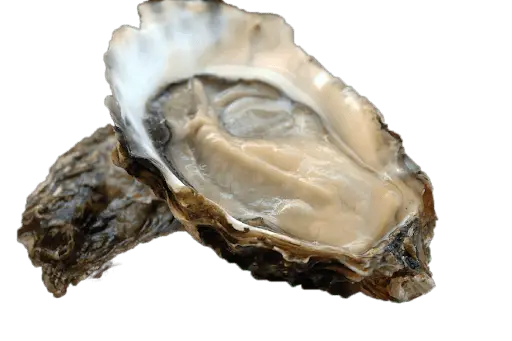

Chef’s Notes
Mason Bostwick · Executive Chef
Pacific oyster
Uramura — Uramura — Strong minerality — rich and sweet. A solid farmed pacific oyster.
Flavor chart
Chef palate read
Shuckability
Shell & line performance
When I buy it
Look for Uramura Oysters in winter when salinity peaks.
How I serve it
Raw on the half shell or briefly grilled with compound butter.
What to watch for
Full brine with creamy finish. Reject any with broken shells or milky liquor.
My read
Strong minerality — rich and sweet. A solid farmed pacific oyster.
What Are Uramura Oysters?
Uramura oysters come from the Uramura area of Toba City in Mie Prefecture, Japan. They grow in Onoura Bay, where clear Pacific water meets nutrient-rich freshwater from nearby rivers. This setting helps them grow quickly and reach harvest size in about one year. These oysters taste sweet, delicate, and mild, with less astringency than many Pacific oysters.

Uramura oysters stand out because people enjoy them right where they grow. In winter, simple oyster huts line the Pearl Road along the coast and offer all-you-can-eat grilled oysters. Guests sit at basic tables stacked with shellfish and cook them over hot grills while looking out at Toba Bay. Some floating restaurants even sit above active farming rafts, so the farm-to-table link feels direct and visible.
The main hut season runs only through the colder months, when meats are richest and demand peaks. Travelers time winter visits to eat dozens in a single sitting at these waterfront huts. Many locations also serve fried oysters, rice bowls, and oyster miso soup built around the same local catch. This focused, seasonal celebration turns Uramura oysters from a simple shellfish into a destination experience.
How Did Uramura Oysters Get Their Name?
Uramura oysters take their name from the Uramura area in Toba City, Mie Prefecture. This coastal town faces Toba Bay along the famous Pearl Road, a scenic route known for seafood restaurants and oyster huts. Producers ship these oysters under the regional name “Uramura Oysters,” which links the product directly to its origin. The name signals a specific merroir rather than a separate species.
Within Japan, many oysters carry place-based names that highlight their growing area. Uramura follows this pattern by branding oysters with the bay that shapes their character. Local tourism boards and oyster huts promote the term widely in winter, so visitors associate “Uramura oysters” with all‑you‑can‑eat grilled feasts along the coast. Over time, the name has come to represent both the shellfish and the dining experience around them.
The Cultivation Process
Uramura oysters grow in Onoura Bay in Mie Prefecture, where calm, semi-enclosed waters create a protected farm zone. Farmers use hanging cultivation from large wooden or metal rafts that float on the bay surface. They suspend ropes from these rafts, and each line carries clusters of oyster seed attached to shells or collectors. The bay clear Pacific water mixes with nutrient-rich river water to support fast one-year grow-out.
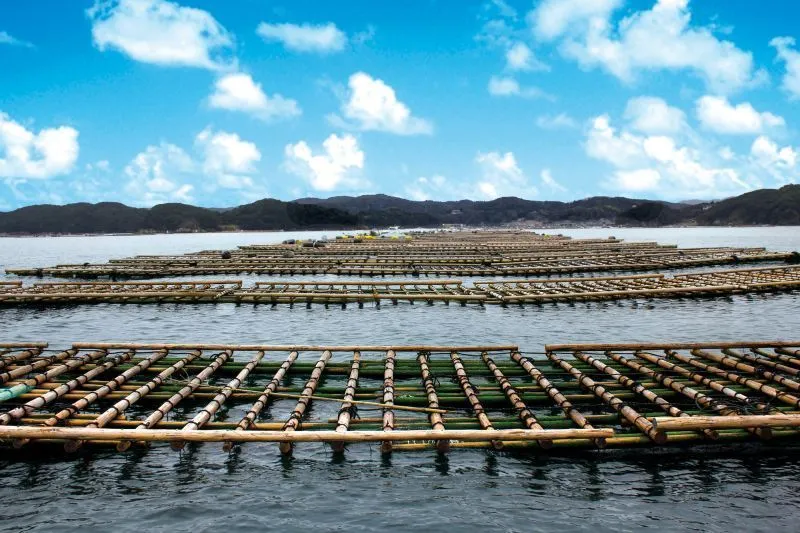
The cultivation process starts with seed collection or purchase of young oysters fixed to shells or specialized collectors. Lines extend several meters into the water column, keeping oysters off the bottom and away from heavy sediment. Farmers space ropes to avoid crowding, so each oyster receives enough water flow and plankton. They monitor shell growth and meat fill through the season, adjusting depth as temperatures shift.
Managing the bay environment and farm density forms a key part of the process. Producers rely on Onoura Bay natural mixing of seawater and freshwater, which delivers minerals and nutrients while keeping salinity optimal for Pacific oysters. This balance supports healthy growth, reduces stress, and helps preserve the sweet, mild flavor that defines Uramura oysters.
About Maruzen Oyster Farm
Maruzen Oyster Farm is a locally rooted oyster company based in Uramuracho, Toba City, in Mie Prefecture, Japan. It operates in a protected bay setting famous for calm waters and rich oyster grounds. The company focuses on cultivating oysters in nearby coastal waters and serving them directly through its own facilities. Maruzen connects its brand closely to the local seascape and to the winter oyster season that defines the area’s food culture.

The company’s history ties to Toba’s rise as an oyster destination and to the development of all‑you‑can‑eat oyster huts on the water. Over time, Maruzen built a floating restaurant model, where guests grill large quantities of oysters while surrounded by the bay. Travel features now highlight this experience as a signature winter activity in Mie, which has raised Maruzen’s profile beyond the region. The firm presents itself as a specialist in local oysters rather than a broad seafood conglomerate.
Operationally, Maruzen combines farming, tourism, and direct sales. It runs culture rafts in the calm bay and channels that harvest straight into an all‑you‑can‑eat format on a floating boathouse. The restaurant provides grills, tools, and simple instructions, and it limits the offer to the main oyster season from roughly late autumn through spring. This setup lets the company move high volumes of seasonal product, maintain freshness, and tie each oyster directly to the waters beneath the dining room.
Follow Them
Visit the Maruzen Oyster Farm website for hut hours, farm background, and seasonal oyster offerings in Uramuracho. The English pages describe the floating restaurant model and winter all-you-can-eat service on Onoura Bay. Local tourism boards such as Visit Mie and Ise-Shima Kanko also list Uramura oyster hut operators and reservation details. Plan ahead for peak winter weekends when hut seats fill quickly along the Pearl Road.
Uramura Oysters Information

Pacific oyster
If you like Uramura Oysters, then check out these similar varieties!
Location
Farmers cultivate Uramura oysters in Onoura Bay, located in Uramuracho, Toba City, Mie Prefecture, Japan. This semi-enclosed inlet along the Pearl Road offers calm waters protected from open Pacific surf. The bay geography supports stable raft culture and direct farm-to-table operations by local companies like Maruzen Oyster Farm. Salinity typically runs twenty-five to thirty parts per thousand across active parcels. For another farmed Pacific with a distinct regional profile, see Kanawa Oysters. For another farmed Pacific with a distinct regional profile, see Momokomachi Oysters.
Onoura Bay receives a steady mix of clear seawater from Toba Bay and nutrient-rich freshwater from surrounding mountain rivers. This blending creates brackish conditions with abundant plankton, the main food source for oysters. Strong but gentle currents ensure constant oxygen and food delivery to suspended gear, which promotes fast growth and healthy tissue development. Those site conditions concentrate sweet creamy notes with bright marine finish prized at local huts.
The bay sheltered position minimizes storm damage to rafts and lines while allowing regular tidal exchange to flush waste and maintain water quality. Moderate depths keep oysters in optimal temperature ranges year-round, with cooler winters concentrating glycogen for plump meats. These factors combine to support high yields and consistent quality across the Uramura growing district. Together they anchor Uramura merroir on Onoura Bay.

The Raw Bar Bible
A deeper look into oysters, shucking technique, brine, knife choice, and real raw bar workflow — written from a chef’s point of view. Clear, practical, and built from actual service experience.
Suggested Beverage Pairings
Hakkaisan Junmai Ginjo Sake adds floral apple notes beside Uramura sweetness. Smooth rice texture complements creamy oyster meat. Subtle umami depth extends the gentle finish.
Veuve Clicquot Yellow Label Brut Champagne brings bubbles and chalky minerality to delicate brine. Brioche hints match milky richness. Firm structure refreshes through multiple oysters.
Château de la Ragotiere Muscadet sharpens sweet notes with green apple acidity. Salty lees aging echoes marine purity. Lean body spotlights flavor clarity on the half shell.
Asahi Super Dry Beer adds dry malt crispness that cuts creaminess without dominating. Mild hops provide gentle contrast to sweetness. Effervescence cleanses the palate for the next bite.
Hendrick’s Gin Cucumber Soda brightens fresh sea tones with cucumber coolness. Floral gin lifts the delicate profile. Light fizz keeps pairings lively and simple.
Where Can I Buy Uramura Oysters?
Uramura oysters are a regional Japanese specialty sold mainly through local farms and oyster huts along the Pearl Road. Most vendors offer on-site purchase and all-you-can-eat grilling during the November through March season. International buyers rarely see the Uramura trade name on U.S. wholesale sheets. Chefs planning Japan visits should reserve hut seats well ahead of peak winter weekends.
Maruzen Suisan, Yamayasu Suisan, Hamahide Suisan, and Marugen Suisan all cultivate and sell Uramura oysters from Onoura Bay. Each operator runs reservation-based hut service with grilled, steamed, or raw options in season. Domestic pickup and on-site dining remain the primary purchase paths for this bay-specific label.
- Maruzen Suisan – Maruzen Suisan sells Uramura oysters at its floating oyster hut in Uramuracho with all-you-can-eat grilled service during the winter season.
- Yamayasu Suisan – Yamayasu Suisan offers Uramura oysters through its Pearl Road restaurant and direct farm sales with grilled and raw options for domestic visitors.
- Hamahide Suisan – Hamahide Suisan runs a reservation-only Uramura oyster hut in Uramuracho with farm-raised stock and multi-course grilled oyster menus each winter.
- Marugen Suisan – Marugen Suisan cultivates and sells Uramura oysters from its Onoura Bay farm with on-site grilled and steamed all-you-can-eat service plus seasonal retail sales.
References
“If you want to eat all-you-can-eat oysters, then you must visit Uramura Oyster Huts.” Visit Mie, explore.visitmie-japan.travel/en/report/detail_22.html. Accessed 1 Jan. 2026.
“Uramura oyster huts | What to See & Do.” Ise-Shima Kanko, www.iseshima-kanko.jp/en/see-and-do/1554. Accessed 1 Jan. 2026.
“Enjoy all-you-can-eat oysters in Toba and feast on fresh seafood.” Japan Travel, www.japan.travel/en/sg/jbyj-blog/enjoy-all-you-can-eat-oysters-in-toba-and-feast-on-fresh-seafood-while-communicating-wi. Accessed 1 Jan. 2026.
Discover more from The Oyster Encyclopedia
Subscribe to get the latest posts sent to your email.