



Chef’s Notes
Mason Bostwick · Executive Chef
Eastern oyster
Sumo Kumo — Sumo Kumo — Strong minerality — clean and versatile. A solid farmed pacific oyster.
Flavor chart
Chef palate read
Shuckability
Shell & line performance
When I buy it
Look for Sumo Kumo Oysters in may when conditions are optimal.
How I serve it
Raw on the half shell or briefly grilled with compound butter.
What to watch for
Mild salinity with creamy finish. Reject any with broken shells or milky liquor.
My read
Strong minerality — clean and versatile. A solid farmed pacific oyster.
What Are Sumo Kumo Oysters?
Sumo Kumo oysters are farmed Eastern oysters raised at Chapman’s Cove by Taylor Shellfish in western Washington. Growers cultivate them from heirloom Japanese seed imported in the late 1940s for up to four years. Market size runs two and a half to three inches with year-round availability.
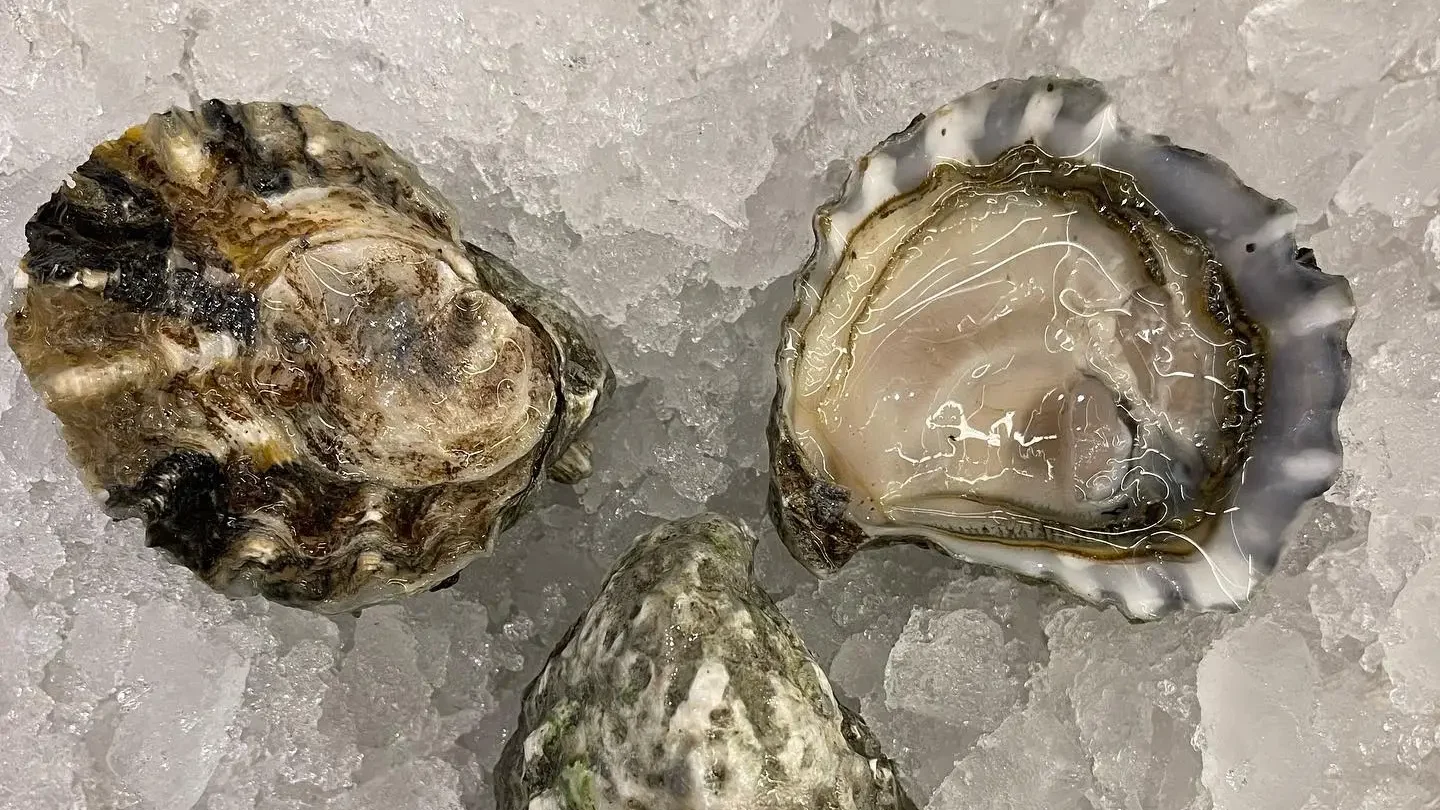
On the half shell Sumo Kumo opens with honeydew and sweet lime over gentle brine at twenty to twenty-eight parts per thousand. Plump meats fill deep cups with liquor often described as salted honeydew. The profile reads rich and refined compared with smaller Kumamoto cups.
Shells show smooth hard surfaces with fluted edges from extended grow-out in nutrient-rich cove waters. Meats stay robust through the long farming cycle at this single-site lease. The line remains rare outside Chapman’s Cove on Pacific Northwest raw bars.
What is The Difference Between Sumo Kumos and Kumamotos?
Sumo Kumo oysters and regular Kumamoto oysters differ primarily in size, age, and flavor profile. Sumo Kumo oysters are essentially the “bigger, older brothers” of the Kumamoto oysters, offering a larger size that ranges from 2.5 to 3 inches. This size difference results from allowing the Sumo Kumo oysters to grow for a more extended period compared to the Kumamotos.
The deep-cupped shells of Kumamoto oysters contain petite meats, mild saltiness, sweet flavor, and a honeydew finish. Their distinctive, highly sculptured, fluted shells and deep cups are highly regarded. For their consistent, mild flavor, Kumamotos are a favorite among new oyster eaters and connoisseurs.
To summarize, while both Sumo Kumo and Kumamoto oysters come from the same lineage, the Sumo Kumo oysters stand out due to their larger size. Due to their extended growth period, they are considered an excellent value for their price. With their smaller size and sweet, mild flavor, Kumamoto oysters remain popular for beginners and seasoned oyster enthusiasts.
How Did Sumo Kumo Oysters Get Their Name?
Sumo Kumo combines the Japanese word sumo, for heavyweight wrestling, with Kumo, slang for Kumamoto oysters. The name suggests larger size and heft like sumo wrestlers compared with standard Kumamotos. Taylor Shellfish chose the playful label for Chapman’s Cove oysters grown longer on the farm.
Kumo ties the brand to Kumamoto Prefecture in Kyushu where growers first cultivated this oyster line. Heirloom seed from Japan arrived in the late 1940s and still defines the harvest today. Buyers now read Sumo Kumo on tags as a premium Western Washington half-shell product.
About Taylor Shellfish Farms
Taylor Shellfish Farms traces its roots to 1890 when the Taylor family began farming shellfish in Puget Sound. The company started with Olympia oysters in Totten Inlet before expanding across Washington and British Columbia tidelands. Today Taylor Shellfish is the largest farmed shellfish producer in the United States.
Brothers Edwin and Justin Taylor formed Taylor United in 1969 and built modern aquaculture across Puget Sound. The family now farms more than eleven thousand acres of tidelands for oysters, geoduck, and mussels. Bill and Paul Taylor and Jeff Pearson lead a team of over five hundred employees.
Taylor Shellfish raises Sumo Kumo oysters at Chapman’s Cove using heirloom Japanese seed over a four-year grow-out. Farm teams emphasize water quality advocacy and sustainable handling from harvest through cold-chain shipping. Reach Taylor Shellfish on their company website or Instagram for seasonal availability.
Sumo Kumo Oysters Information

Eastern oyster
If you like Sumo Kumo Oysters, then check out these similar varieties!
Location
Taylor Shellfish Farms cultivates Sumo Kumo oysters in Chapman’s Cove near Shelton, Washington. This sheltered Western Washington inlet sits within Puget Sound south of Seattle. The cove is one of the few sites where this heirloom line is harvested today.
Salinity at Chapman’s Cove typically ranges twenty to twenty-eight parts per thousand across the season. Nutrient-rich Puget Sound waters feed plankton that supports the extended four-year grow-out. That exchange helps Sumo Kumo develop deep cups and full meats year-round.
Heirloom Japanese seed imported in the late 1940s still defines this rare single-site harvest. Extended farming time builds larger shells and richer flavor than standard Kumamoto cups. Sumo Kumo remains difficult to source outside Taylor Shellfish programs and select distributors.
Washington shellfish monitoring and farm best practices protect water quality across Chapman’s Cove leases. Harvest teams grade for half-shell presentation before shipping to wholesale and retail buyers. Those site conditions define the Sumo Kumo profile on Pacific Northwest raw bars.
Suggested Beverage Pairings
Domaine de la Pepière Muscadet adds mineral citrus beside Sumo Kumo honeydew finish. Bright Loire acidity balances gentle brine without masking sweet lime notes. Serve very cold alongside freshly shucked cups.
Champagne José Michel & Fils Brut brings fine bubbles and toasty acidity to deep-cupped Sumo Kumo meats. Effervescence refreshes salted honeydew liquor between bites. It suits celebratory raw-bar service.
Guinness Draught offers creamy malt and gentle roast against Sumo Kumo rich brine. Light bitterness adds depth without overpowering sweet mid-palate. The stout appeals to guests preferring beer over wine.
Domaine Vacheron Sancerre brings flinty citrus and brisk acidity to melon and lime notes. Clean Sauvignon Blanc character keeps salinity forward on the finish. It pairs well with mixed seafood platters.
A Tito’s Handmade Vodka Bloody Mary adds savory spice beside Sumo Kumo robust cups. Tomato acidity cuts through rich liquor and creamy texture. Serve over ice for brunch raw-bar programs.
Where Can I Buy Sumo Kumo Oysters?
- Taylor Shellfish Farms – Taylor Shellfish Farms sells Sumo Kumo oysters direct from the grower with overnight shipping across the United States.
- Seafood Connection – Seafood Connection lists Sumo Kumo oysters grown from heirloom Japanese seed for raw and grilled preparations.
- Taylor Shellfish Oyster Shop – Taylor Shellfish Oyster Shop offers Pacific Northwest oysters including Sumo Kumo through its online catalog when inventory allows.
- Taylor Shellfish Retail – Taylor Shellfish Retail locations and online shop connect buyers with Chapman’s Cove oysters and seasonal half-shell availability in Washington.
References
- Taylor Shellfish Farms. Web. Accessed 30 May 2026. https://buy.taylorshellfishfarms.com/oysters/
- Seafood Connection. Web. Accessed 30 May 2026. https://seafood-connection.com/index.php/product/sumo-kumo-oysters/
Discover more from The Oyster Encyclopedia
Subscribe to get the latest posts sent to your email.