


Chef’s Notes
Mason Bostwick · Executive Chef
Pacific oyster
Summer Ice — Summer Ice — Strong minerality — mild. A solid farmed pacific oyster.
Flavor chart
Chef palate read
Shuckability
Shell & line performance
When I buy it
Look for Summer Ice Oysters in summer when salinity peaks.
How I serve it
On the half shell with minimal garnish — let the oyster speak.
What to watch for
Full brine with creamy finish. Reject any with broken shells or milky liquor.
My read
Strong minerality — mild. A solid farmed pacific oyster.
What Are Summer Ice Oysters?
Summer Ice oysters are farmed Pacific oysters raised by Mac’s Oysters Limited in British Columbia. Growers suspend Crassostrea gigas in mesh trays sixty feet deep in Jervis Inlet. Cold bottom water suppresses summer spawning so the line ships year-round. Market size runs two point seven five to three point seven five inches after eighteen to thirty months.
On the half shell Summer Ice opens with mild clean salinity near twenty-eight parts per thousand. Firm somewhat translucent meats deliver creamy undertones rather than sharp brine. The deep-cold grow-out keeps texture tight and flavor approachable on Pacific Northwest raw bars. Chefs prize the gentle profile for guests who want Pacific flavor without aggressive salinity.
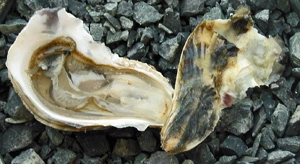
Shells show beautiful deep cups with clean delicate exteriors from tray suspension. Brittle chalk walls reflect the lack of natural beach tumbling in open inlet waters. Deep cups still hold full liquor suited to half-shell service and simple garnish. The line ranks among Mac’s Oysters signature Pacific tags on West Coast wholesale sheets.
How Did Summer Ice Oysters Get Their Name?
The Summer Ice trade name reflects oysters dropped sixty feet deep during summer months. Growers seek the coolest cleanest Jervis Inlet water beneath warmer surface layers. That depth mimics winter ice conditions and keeps meats firm through spawning season. The name signals cold-water culture rather than a separate oyster species.
Mac’s Oysters Limited coined Summer Ice to distinguish this deep-tray line from shallower tags. Buyers see the label on wholesale manifests and distributor sheets across North America. The branding pairs habitat character with year-round quality for restaurant raw-bar programs.
About Mac’s Oysters LTD.
Mac’s Oysters Limited is a family-owned shellfish company founded in nineteen forty-seven in British Columbia. The McLellan family pioneered modern Pacific oyster aquaculture across Baynes Sound and Fanny Bay. Joseph McLellan introduced Japanese oyster seed that helped establish the regional industry. Today the company remains a cornerstone of Canadian farmed oyster and clam production.

Mac’s Oysters Limited operates from Baynes Sound near Fanny Bay on Vancouver Island. The company farms clams and oysters using sustainable practices across productive nearshore leases. Summer Ice represents one specialty Pacific line grown in deep Jervis Inlet suspension trays. Rigorous handling follows Canadian Shellfish Sanitation Program standards before domestic and export shipping.
Follow Them
Visit Mac’s Oysters Ltd. for Summer Ice availability, wholesale vendor applications, and farm news. Follow Instagram for harvest updates from the Fanny Bay packing plant. The McLellan family team shares seasonal shellfish details and direct ordering options for approved buyers.
Summer Ice Oysters Information

Pacific oyster
If you like Summer Ice Oysters, then check out these similar varieties!
Location
Summer Ice oysters grow in Jervis Inlet on British Columbia’s Sunshine Coast near Vancouver Island. Mac’s Oysters Limited suspends mesh trays sixty feet deep in the inlet’s cold channel waters. That depth keeps oysters away from warmer surface layers that trigger summer spawning.
Cool clean bottom water supplies steady phytoplankton feed through tidal exchange year-round. Salinity near twenty-eight parts per thousand shapes mild flavor rather than sharp brine. Tray suspension limits wave tumbling so shells stay brittle but cups remain deep.
Protected inlet geography limits pollutant runoff and extreme weather across active grow-out zones. Deep-water culture defines the Summer Ice profile on West Coast raw bars and wholesale lists. Buyers source the line through Mac’s Oysters and partner distributors serving North American markets. Year-round harvest distinguishes Summer Ice from seasonal Pacific tags that pause during warm months.
Suggested Beverage Pairings
Valdespino Family Manzanilla Sherry adds dry almond notes beside Summer Ice mild Pacific salinity. Light maritime character highlights creamy undertones without masking delicate brine. Serve chilled alongside freshly shucked Jervis Inlet cups.
Pilsner Urquell brings crisp Czech hops and malt against Summer Ice clean mild finish. Balanced bitterness refreshes the palate between deep-cupped shells. The pilsner suits guests preferring beer over wine at the raw bar.
Domaine de la Bregeonette Folle Blanche adds tangy Loire acidity beside Summer Ice creamy meats. Mineral citrus notes underscore twenty-eight ppt salinity on the finish. Serve ice-cold with lightly dressed Pacific Northwest oysters.
Peak Organic Fresh Cut offers bready Bohemian malt beside Summer Ice gentle Pacific profile. Citrus hops add depth without overpowering mild clean salinity. The beer pairs well with creamy West Coast half-shell service.
Camino Roca Txakolina adds Basque effervescence and lime beside Summer Ice mild brine. Dry mineral acidity elevates translucent meats on the half shell. Zesty green apple notes balance creamy undertones through each bite.
Where Can I Buy Summer Ice Oysters?
- Mac’s Oysters Ltd. – Mac’s Oysters Ltd. cultivates Summer Ice oysters and sells them direct from its Fanny Bay operation on Vancouver Island.
- Mac’s Oysters Retail Store – Mac’s retail shop at seven one six two South Island Highway stocks in-shell oysters from the Fanny Bay packing plant when Summer Ice lots are available.
- Mac’s Oysters Wholesale Program – Approved North American distributors can order Summer Ice oysters through Mac’s twice-weekly wholesale shipping program after vendor approval.
- Oyster Tasting Guide — Mac’s Oysters Ltd. – Oyster Tasting Guide profiles Mac’s Oysters Ltd. and lists distributor contacts for Summer Ice Pacific oysters across North America.
References
- Summer Ice. Vendor listing referenced in Where Can I Buy section. Accessed 30 May 2026.
Discover more from The Oyster Encyclopedia
Subscribe to get the latest posts sent to your email.