



Chef’s Notes
Mason Bostwick · Executive Chef
Eastern oyster
Single Lady — Single Lady — Bold brine — clean finish and crisp flavor. A solid farmed eastern oyster.
Flavor chart
Chef palate read
Shuckability
Shell & line performance
When I buy it
Look for Single Lady Oysters in peak season when salinity peaks.
How I serve it
On the half shell with minimal garnish — let the oyster speak.
What to watch for
Full brine with creamy finish. Reject any with broken shells or milky liquor.
My read
Bold brine — clean finish and crisp flavor. A solid farmed eastern oyster.
What Are Single Lady Oysters?
Single Lady oysters are farmed Eastern oysters from Lady’s Island Oyster in Beaufort County, South Carolina. Growers raise Crassostrea virginica in individual floating bags on the Coosaw River for twelve to sixteen months. Market size averages three inches with year-round availability.
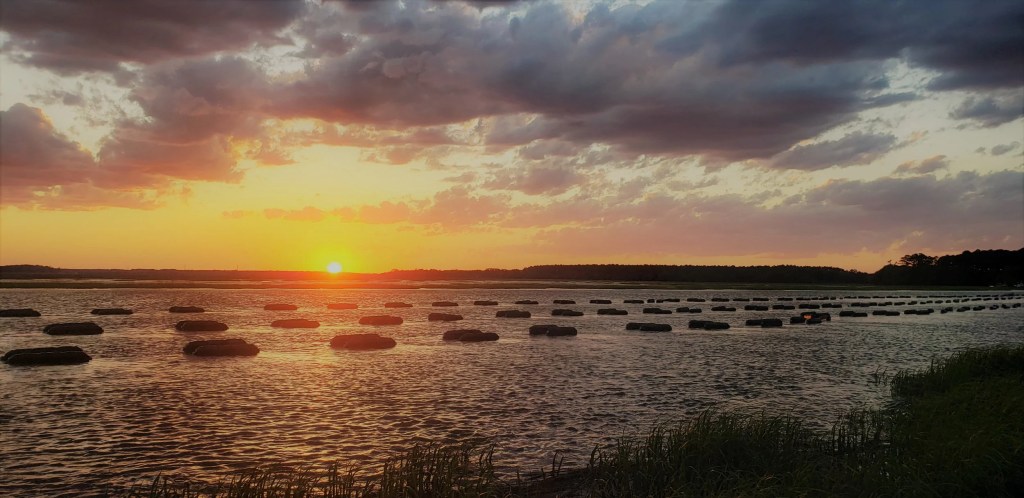
On the half shell Single Lady opens with intense brine often described as biting the ocean. Salinity near twenty-eight parts per thousand keeps the cup bright, clean, and extraordinarily salty. A subtle vegetal note and sweet finish balance the bold opening.
Shells show deep cups with smooth edges and attractive fan-shaped bills from individual mariculture. Firm white shells stay well-formed because each oyster grows alone rather than in clusters. The line has earned recognition across Charleston raw bars and Lowcountry restaurant programs.
How Did Single Lady Oysters Get Their Name?
Single Lady oysters take their trade name from individual mariculture rather than cluster harvest. Frank Roberts pioneered growing each Eastern oyster alone in floating bags on the Coosaw River. The label signals one oyster per cup and the careful attention given to every shell.
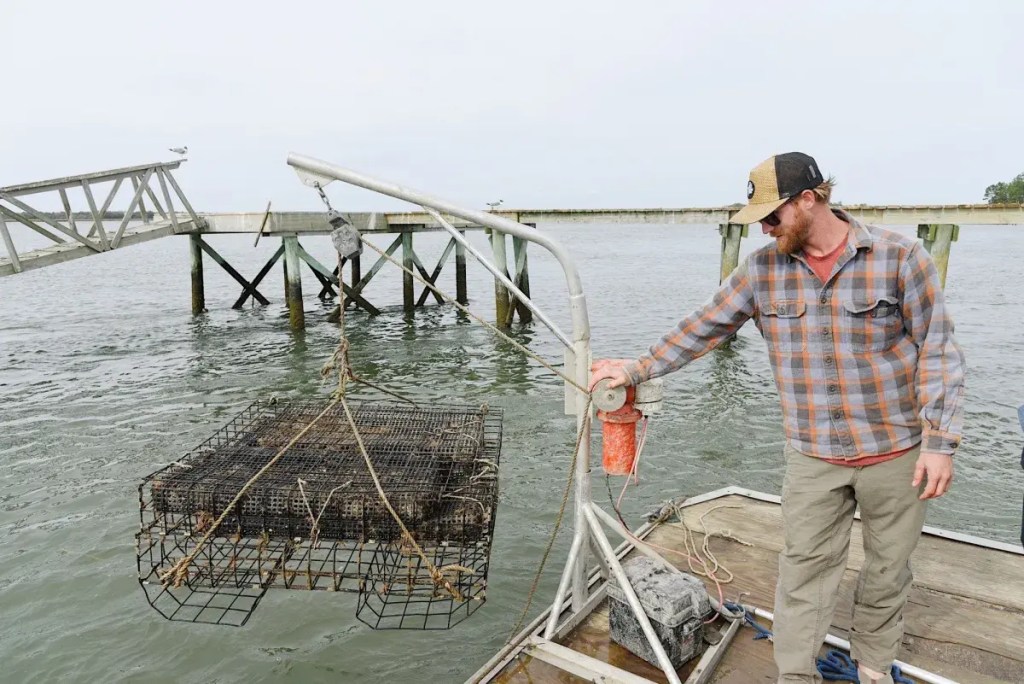
The name also reflects premium positioning for South Carolina’s first commercial oyster farm. Distributors list Single Lady on tags, menus, and wholesale sheets across the Lowcountry. Buyers recognize the brand as a flagship Beaufort County Eastern oyster line.
Single Lady has become emblematic of South Carolina’s growing mariculture industry along the ACE Basin coast. The trade label ties farming technique, place, and Frank Roberts’ Lady’s Island Oyster provenance in one recognizable name. Restaurants from Hilton Head to Charleston menu the line when harvest volume allows.
About Lady’s Island Oysters Inc.
Lady’s Island Oyster farms Single Lady oysters near the Coosaw River and Helena Sound in Beaufort County. Frank Roberts founded the company as South Carolina’s first oyster farmer and helped establish regional mariculture. The operation oversees hatchery work, nursery grow-out, and harvest under one roof.
The farm uses controlled spawning, land-based nursery stages, and floating bag finishing in open estuary water. Harvest teams tend bags weekly through a twelve-to-sixteen-month grow-out cycle before grading for market. That hands-on process keeps cups deep, meats firm, and salinity consistently high.
Follow Them
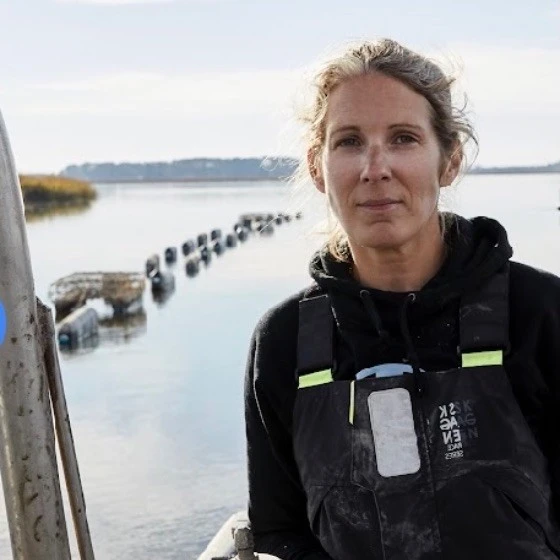
Craving the taste of the ocean? Don’t miss out on Lady’s Island Oysters’ premium Single Lady oysters. Visit their official website to learn more about sustainable mariculture practices and to place your order. For a behind-the-scenes look at oyster farming, follow their social profiles below.
Single Lady Oysters Information

Eastern oyster
If you like Single Lady Oysters, then check out these similar varieties!
Location
Single Lady oysters grow in the Helena Sound estuary near Seabrook, South Carolina. Lady’s Island Oyster farms leases where the Ashepoo, Combahee, and Edisto rivers meet Atlantic saltwater. The packing house at thirty-five Hutson Lane is the exclusive producer of this premium line. For another farmed Pacific with a distinct regional profile, see Perky Sea Cup Oysters.
The estuary blends freshwater inputs with direct Atlantic influx for nutrient-rich growing water. Typical salinity reaches twenty-eight parts per thousand across Lady’s Island leases. That balance shapes the briny opening and sweet finish defining Single Lady cups.
Growers start oysters in a land-based nursery before transferring them to floating mesh bags at sea. Weekly tending through roughly one year at lease keeps shells deep and meats plump. Protected ACE Basin shorelines limit runoff and support a healthy marine food web.

Wild oyster reefs nearby stabilize marsh edges and buffer the farm from heavy coastal disturbance. More than one hundred fish species share these waters, signaling a balanced ecosystem for shellfish culture. Those site traits keep Single Lady oysters bright, clean, and in steady demand across the Lowcountry.
Suggested Beverage Pairings
William Fèvre Chablis adds steely minerality beside Single Lady’s intense Lowcountry brine. Crisp acidity highlights sweet finish without masking firm Eastern meats. Serve chilled for classic Charleston raw-bar service.
Domaine de la Pepiere Muscadet brings bright lime and saline notes to Beaufort County cups. High acidity cleanses the palate between shells and keeps twenty-eight ppt salinity forward. This Loire white pairs reliably with Atlantic virginica oysters.
Louis Roederer Brut adds fine bubbles and citrus beside Single Lady’s clean mineral finish. Yeast notes complement creamy texture while preserving bold brine. Serve ice-cold alongside freshly shucked Lowcountry cups.
Freixenet Cordon Negro Brut offers zippy bubbles and refreshing acidity beside extraordinarily salty meats. Light toast notes balance sweet finish through each bite. The cava suits guests preferring sparkling wine at the raw bar.
A dry Hendrick’s martini with lemon twist emphasizes Single Lady’s ocean-forward salinity. Botanical gin keeps vegetal notes and sweet finish present through each slurp. Serve ice-cold for sophisticated half-shell pairings beyond wine service.
Where Can I Buy Single Lady Oysters?
- Lady’s Island Oyster – Lady’s Island Oyster sells Single Lady oysters direct from Seabrook with pick-up at thirty-five Hutson Lane and advance ordering by phone or email.
- Charleston Oyster Company – Charleston Oyster Company lists Single Lady oysters in its online shop with shipping options and gift cards for Lowcountry buyers.
- Lowcountry Oyster Trail – Lowcountry Oyster Trail profiles Lady’s Island Oyster with farm location, contact details, and tasting notes for Beaufort County visitors.
- Oysterater – Oysterater catalogs Lady’s Island Single Lady oysters with flavor descriptors and distributor context for restaurant buyers researching South Carolina lines.
References
- Lady’s Island Oyster. “Our Process.” Official Company Website, 2024.
- National Oceanic and Atmospheric Administration (NOAA). “Eastern Oyster Species Profile.” NOAA Fisheries, 2023.
- South Carolina Department of Natural Resources. “Lowcountry Oyster Trail Research Report.” Coastal Resources Division, 2023.
- Roberts, Frank. Personal Communication. Founder of Lady’s Island Oyster, January 2025.
- Charleston Oyster Company. Online Seafood Marketplace, 2024.
- St. Helena Sound Estuarine Research Foundation. “Ecosystem Dynamics of Coastal South Carolina.” Environmental Research Publication, 2023.
- American Malacological Society. “Crassostrea Virginica: Cultivation and Ecological Impact.” Marine Biology Journal, 2024.
Discover more from The Oyster Encyclopedia
Subscribe to get the latest posts sent to your email.