
Chef’s Notes
Mason Bostwick · Executive Chef
Royal Miyagi Oysters — Royal Miyagi oysters, originating from the pristine waters of British Columbia and the Sunshine Coast near Vancouver Island, stand out due to their unique cultivation method. Initially, farmers implement the suspended… The flavor profile of Royal Miyagi oysters is particularly noteworthy. They offer a smooth, creamy texture, mild brininess, and a unique kiwi-like finish. This combination of…
Flavor chart
Chef palate read
Shuckability
Shell & line performance
When I buy it
Look for Royal Miyagi Oysters in peak season when conditions are optimal.
How I serve it
On the half shell with minimal garnish — let the oyster speak.
What to watch for
Mild salinity with creamy finish. Reject any with broken shells or milky liquor.
My read
Strong minerality — creamy and earthy. A solid farmed pacific oyster.
Royal Miyagi oysters, originating from the pristine waters of British Columbia and the Sunshine Coast near Vancouver Island, stand out due to their unique cultivation method. Initially, farmers implement the suspended line technique to raise these oysters, allowing them to grow in a controlled environment. During the final six months before harvesting, they transfer the oysters to beach culture to help them develop stronger shells and firmer meats. This dual-method approach enhances their durability and contributes to their distinct texture and flavor profile, setting them apart from other oysters.
The flavor profile of Royal Miyagi oysters is particularly noteworthy. They offer a smooth, creamy texture, mild brininess, and a unique kiwi-like finish. This combination of flavors provides a refreshing and complex taste experience that is sweet and slightly astringent. The balance of brine and sweetness and the subtle fruity notes make them a favorite among seafood connoisseurs who appreciate nuanced flavors.
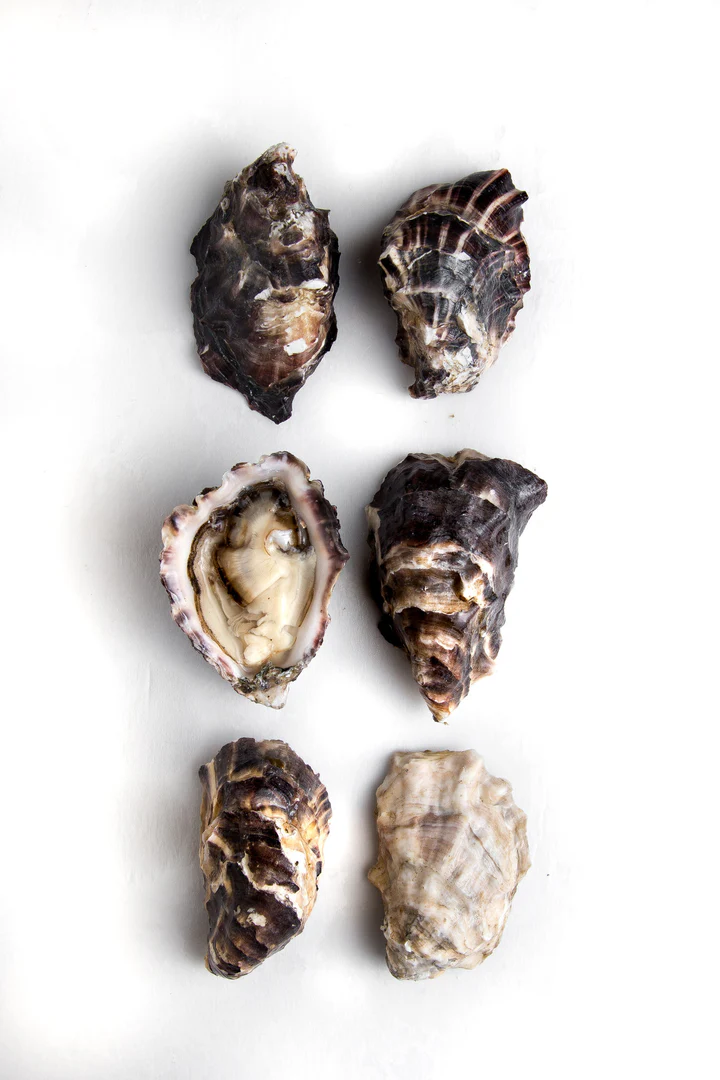
In addition to their taste, Royal Miyagi oysters are visually appealing, featuring well-rounded, uniform shells with intricate patterns and hues. Their plump, succulent meat and iridescent shells add to their allure, making them a culinary delight and a feast for the eyes. These characteristics, with their historical significance and cultural ties to the Miyagi Prefecture in Japan, contribute to their unique status in premium shellfish.
How Did Royal Miyagi Oysters Get Their Name?
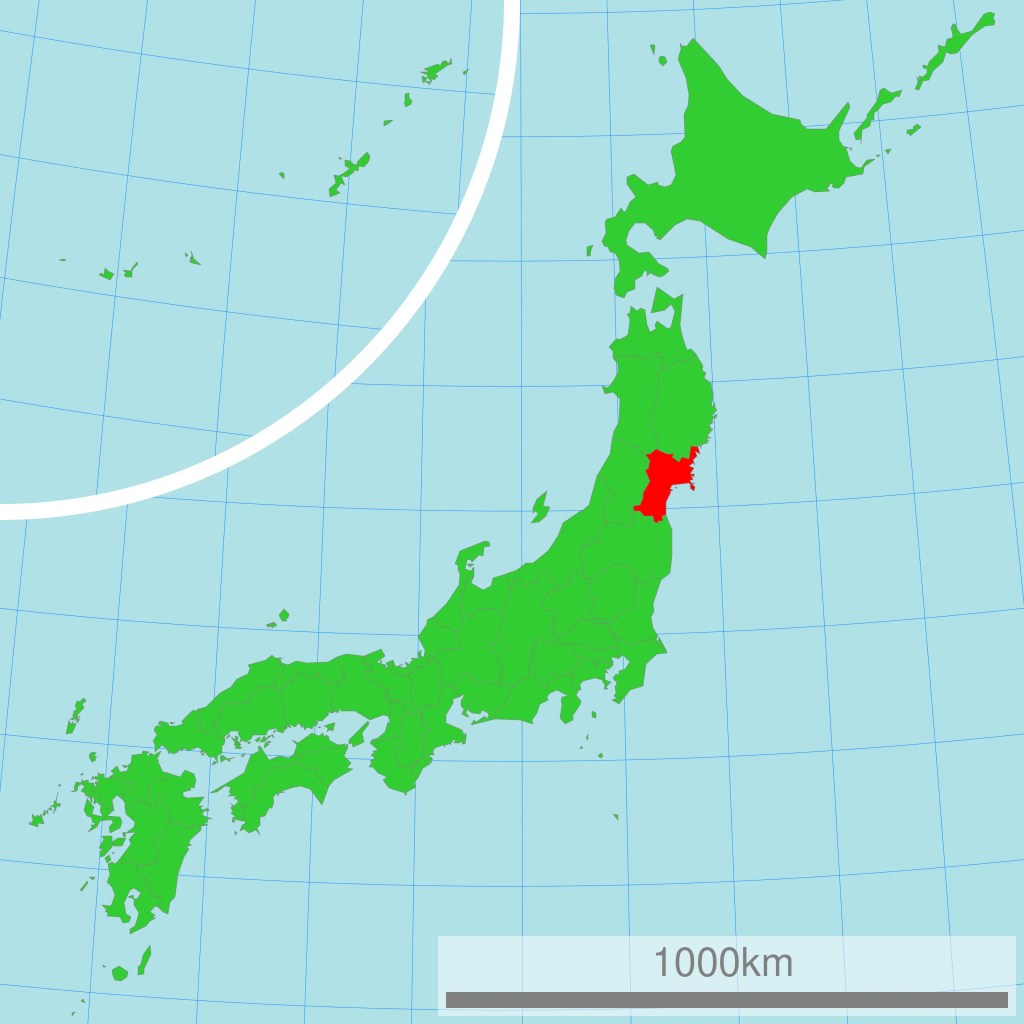
Royal Miyagi oysters get their name from the Miyagi Prefecture in Japan, renowned for its oyster production. The term “Miyagi” honors this region, reflecting the historical and cultural significance of the area in oyster farming. However, adding “Royal” is likely a marketing strategy to emphasize these oysters’ premium quality and superior characteristics. The “Royal” designation suggests a higher standard or a special status, appealing to consumers looking for top-tier seafood products.
About the Farms
Multiple farms cultivate Royal Miyagi oysters, each contributing to the unique qualities and flavors that make these oysters highly sought after. These farms employ suspended line and beach culture methods to ensure the oysters develop strong shells and firm, flavorful meats. Here are five notable farms that cultivate Royal Miyagi oysters:
- Penn Cove Shellfish – This company has a foothold in Baynes Sound, the Southern third of Vancouver Island.1
- Big Alaska Seafood – Cultivates Royal Miyagi oysters in Hood Canal, WA, and Vancouver Island, BC.
- Daily Seafood – Sources Royal Miyagi oysters from Vancouver Island.
Disclaimer: This list is not exhaustive, and other farms also cultivate Royal Miyagi oysters.
Royal Miyagi Oysters Information

Appearance: Well-rounded, uniform shells with intricate patterns and hues, often showcasing iridescent colors. The meat inside is plump, succulent, and creamy.
Flavor Profile: A smooth, creamy texture with a moderate brininess and a unique kiwi-like finish. They start with a light brininess on the nose, transition into a sweet creaminess on the body, and finish with a minerally-like crispness. The flavor profile also includes white sugar sweetness with earthy organic undertones.