


Quick Facts
- Location: Plockton, Scotland
- Species: Ostrea edulis
- Cultivation Method: Farmed
- Flavor Profile: Rich, briny flavor
- Seasonality: Year-round
What Are Plockton Native Oysters?
Plockton native oysters are cultivated in the picturesque village of Plockton, Scotland. These oysters are part of a broader effort to revive Scotland’s native oyster populations, which have declined significantly due to overfishing and environmental factors. Native oysters are particularly valued for their role in marine conservation, as they help filter pollutants and provide habitat for other marine life. They take up to four years to mature, making them a long-term investment for sustainable aquaculture.
Plockton native oysters are unique compared to other oysters due to their slow growth rate and specific environmental requirements. This slow growth contributes to their rich flavor profile and makes them highly prized by oyster enthusiasts. The cultivation process involves careful monitoring to ensure optimal growth conditions, which can be challenging due to the oysters’ sensitivity to environmental changes.

The cultivation of Plockton native oysters supports local employment and enhances the marine ecosystem. As “ocean superheroes,” oysters are recognized for their ability to filter water and sequester carbon, making them a sustainable choice for seafood enthusiasts. The farm’s focus on sustainable practices aligns with broader conservation efforts in Scotland.
How Did Plockton Native Oysters Get Their Name?
Plockton native oysters are named after their location in Plockton, a village in the Scottish Highlands. The name reflects the local origin and the community’s involvement in oyster farming. While there isn’t a specific story behind the name, it is closely tied to the village’s identity and its emerging role in Scotland’s oyster industry.
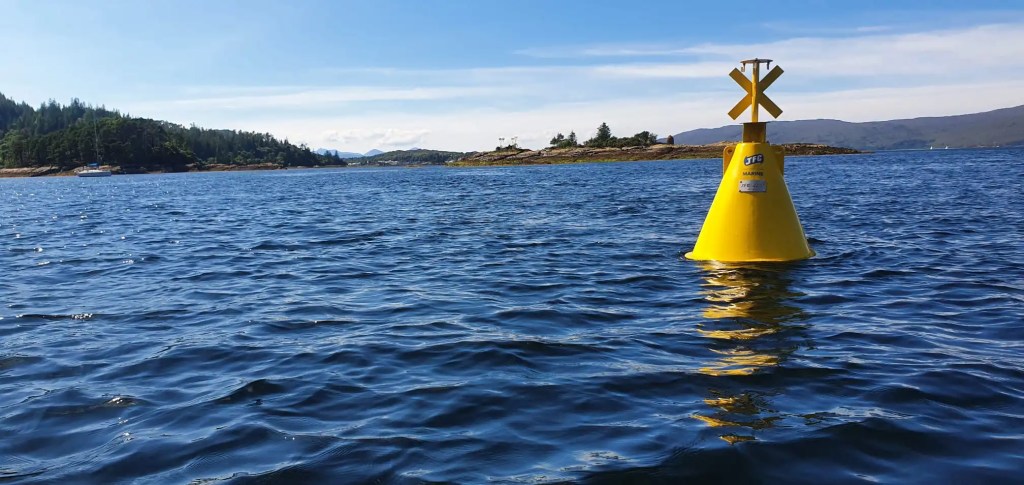
The name “Plockton Native Oysters” highlights the local initiative to restore native oyster beds and promote sustainable aquaculture practices. This branding emphasizes the connection between the oysters and their natural environment, appealing to consumers interested in supporting local and environmentally conscious products.
About Plockton Oyster Company
Plockton oysters are cultivated by local farmers such as Alexander Mackenzie, who established the Plockton Oysters site in Loch Carron. The farm began operations in 2022 and currently uses two lines of oyster-rearing equipment. Plans are underway to expand the farm, which could increase production capacity significantly.

The cultivation process involves deploying oysters in the loch and monitoring their growth. Native oysters are more challenging to cultivate due to their slower growth rate and specific environmental requirements. However, they are crucial for re-establishing native oyster beds and supporting biodiversity in the area.
Challenges in cultivating Plockton oysters include maintaining optimal water conditions and managing disease. The farm must also navigate regulatory requirements and ensure sustainable practices to protect the local ecosystem.
Follow Them
Ready to dive deeper into the world of Plockton oysters? Visit the Plockton Oyster Company’s official website for more information on their sustainable farming practices and delicious native oysters. You can also stay updated on their latest news and behind-the-scenes insights by following their social media profiles.
Plockton Oysters Information
Oyster: Plockton Oysters
Species: Native (Ostrea edulis) and Pacific (Crassostrea gigas)
Cultivation Method: Farmed, with a growout period of up to four years for natives and 18 months to two years for Pacifics
Size: 3 – 4+ inches
Seasonality: Year-round
Culture Method: Plockton oysters are cultivated using suspended lines in Loch Carron. The farm focuses on sustainable practices to enhance biodiversity. Regular monitoring ensures optimal growth conditions.
Salinity: 30-35 ppt
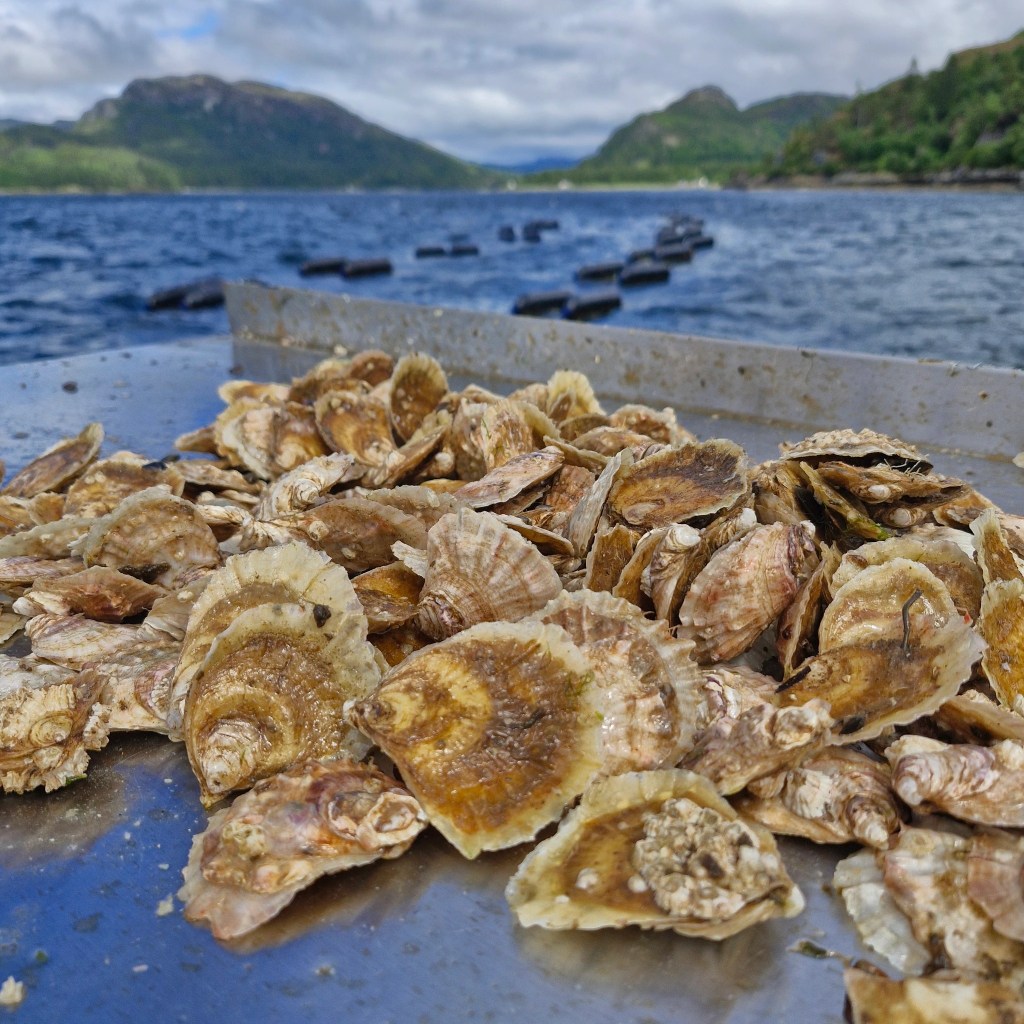
Apperance: rough, oval-shaped shells with irregular surfaces. Their outer shells are cream-colored or grayish, often featuring concentric brown or bluish bands. The inner shell is pearly white or bluish-gray, occasionally showing darker blue areas, adding to their visual appeal. Mature oysters typically range from 2 to 4 inches in size, with a distinctively rugged texture.
Flavor Profile: rich, briny flavor profile, which is often described as having a deep, ocean-like taste. They can also exhibit mineral and nutty notes, contributing to a complex and savory experience. The flavor is generally intense and pronounced, with a firm texture that enhances the overall dining experience.
If you Like Plockton Native Oysters, then check out these similar varieties!
Location
Plockton native oysters are cultivated in Loch Carron, near the village of Plockton in the Scottish Highlands.
This location is chosen for its unique combination of natural beauty and environmental conditions suitable for oyster farming. The farm is situated within Loch Carron’s Marine Protected Area, but careful planning ensures that the oyster cultivation does not impact the protected environment.
The environmental factors in Loch Carron make it an ideal site for oyster cultivation. The loch’s water quality and temperature support the growth of native oysters. Moderate salinity levels, typically ranging from 10 to 22 ppt, are suitable for oyster growth, and the loch’s subtidal conditions allow for year-round accessibility. Additionally, the absence of maerl or sea grass at the farm site reduces competition for space and resources, further supporting oyster growth.
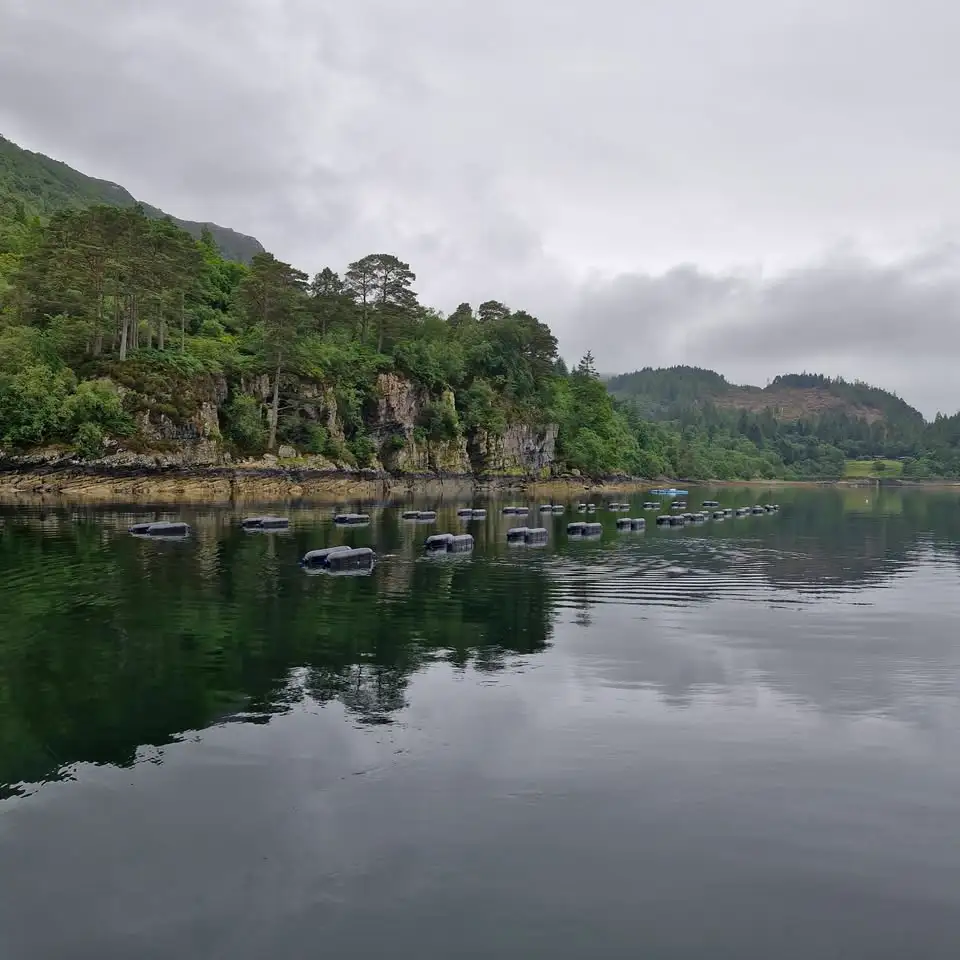
The location of Plockton native oysters in Loch Carron offers several benefits for their growth and prosperity. The subtidal environment minimizes disturbance from tidal exposure, which can be stressful for oysters. Moreover, the farm’s design, using suspended lines and Oystergro systems, ensures minimal impact on the seabed, preserving the natural habitat and biodiversity of the loch. The proximity to the open sea allows for natural tidal flows, maintaining water quality and promoting healthy oyster growth.
Oyster farming in Loch Carron not only supports the local economy but also enhances the marine ecosystem. Oysters are filter feeders, removing phytoplankton and other particles from the water, which helps improve water quality. They also contribute to carbon sequestration by building their shells from calcium carbonate, aiding in reducing atmospheric CO₂. The farm’s sustainable practices align with broader conservation efforts in Scotland, promoting biodiversity and supporting marine life in the area.
Suggested Beverage Pairings
- Champagne Billecart-Salmon Brut Rosé: This champagne pairs well with Plockton native oysters due to its crisp acidity and subtle fruit notes, which complement the oysters’ brininess without overpowering them. The champagne’s effervescence cleanses the palate, preparing it for the next oyster.
- Allagash White Beer: This Belgian-style wheat beer, brewed with coriander and orange peel, offers a crisp and refreshing taste that complements the oysters’ brininess. The citrus notes in the beer enhance the oysters’ freshness, creating a balanced and invigorating pairing.
- Gin Martini with a Twist: A classic Gin Martini, served with a twist of lemon peel, pairs well with Plockton native oysters. The botanicals in the gin complement the oysters’ brininess, while the lemon adds a touch of citrus, balancing the flavors and refreshing the palate.
- Chablis Chardonnay: This wine’s minerality pairs well with the oysters’ freshness, offering a sophisticated and refined dining experience. The crisp acidity of Chablis complements the rich flavor of the oysters, creating a harmonious balance of flavors.
- Guinness Stout: The dark, roasted flavors of Guinness Stout complement the oysters’ brininess, creating a rich and satisfying combination. The creamy texture of the stout enhances the oysters’ velvety feel, while its bitterness cuts through the richness, leaving a clean finish.
Where Can I Buy Plockton Oysters
- The Plockton Oysters Site: Directly from the farm, Plockton oysters can be purchased through local seafood markets or by contacting the farm directly.
- Loch Duich Shellfish: This local vendor often sources oysters from nearby farms and may offer Plockton oysters seasonally.
- The Scottish Shellfish Company: While not exclusively focused on Plockton oysters, this company may carry them as part of their broader Scottish oyster selection.
Stay Connected with The Oyster Encyclopedia!
Follow us on social media to get the latest updates, oyster recipes, and behind-the-scenes glimpses into the world of oysters:
Stay tuned for exclusive content, oyster trivia, and more! Engage with our vibrant community of oyster enthusiasts by liking, commenting, and sharing our posts. Your support helps us continue providing valuable oyster knowledge to fellow seafood lovers worldwide.
References
- Additional Notes for Marine Licence Application. Marine Scotland, https://marine.gov.scot/sites/default/files/additonal_notes_for_marine_licence_application_redacted.pdf.
- Scottish Oysters to Be Served Up in Highland Village, Voted the Most Scenic Place to Eat Fish and Chips. The Scotsman, 20 Jan. 2024, https://www.scotsman.com/news/environment/scottish-oysters-to-be-served-up-in-highland-village-voted-the-most-scenic-place-to-eat-fish-and-chips-4485769.
- Marine Licence – Marine Farm – East Shore of Outer Lochcarron. Marine Scotland, 14 Sept. 2024, https://marine.gov.scot/ml/marine-licence-marine-farm-east-shore-outer-lochcarron-0000914800010748.
- Our Seafood Restaurant. Plockton Inn, 29 Jan. 2025, https://plocktoninn.co.uk/food-and-drink/seafood-restaurant.
- Site Facilities – Scotland’s Aquaculture. Marine Scotland, 2 Mar. 2025, https://aquaculture.scotland.gov.uk/data/site_facilities_record.aspx?stock_line_no=20002856.
Discover more from The Oyster Encyclopedia
Subscribe to get the latest posts sent to your email.