

Quick Facts
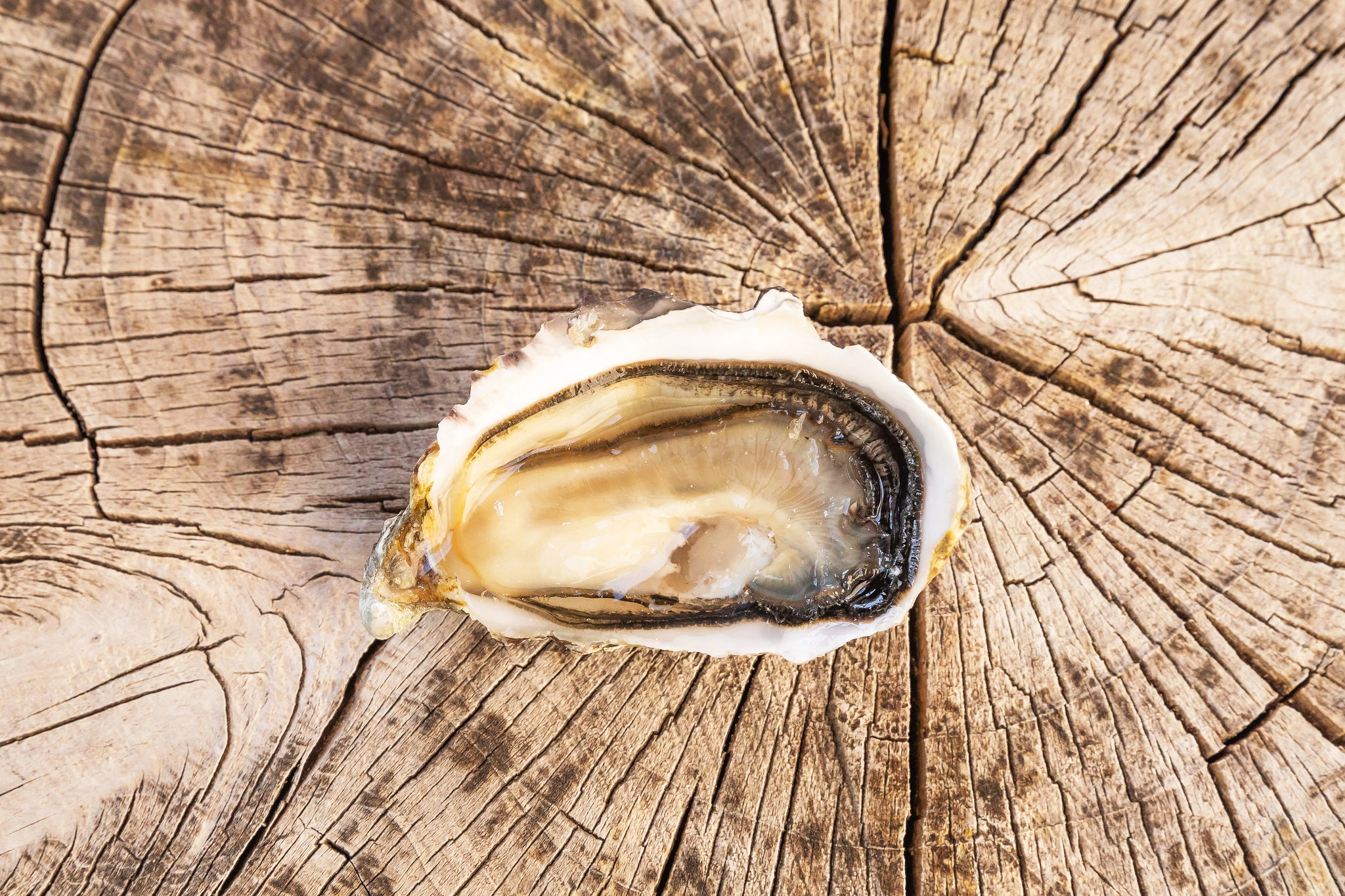
- Pearle Noire oysters are cultivated in France, mainly in Brittany and Normandy.
- They are refined for months in the Belon River, giving them distinct flavor notes.
- Pearle Noire oysters are known for their creamy, nutty, and slightly sweet taste.
- Their shells are elongated, uneven, and dark, with plump, crisp meat inside.
- They are farmed using a process perfected by the Cadoret family, oyster farmers since 1880.
What Are Pearle Noire Oysters?
Pearle Noire oysters stand out because of their connection to two French coastal regions, each adding something special to the oyster. Experts grow them in places where saltwater and freshwater meet, creating a taste found nowhere else. The gentle blend of ocean and river gives Pearle Noire oysters a delicate kick, different from regular oysters that stay in one habitat. Their final step, living in a well-known river, gives them unique hints of sweetness and a soft texture that draws in oyster lovers. This careful journey—across different waters—makes Pearle Noire oysters exceptional.
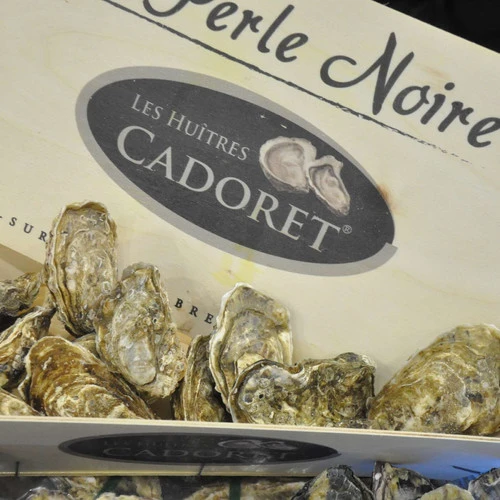
What also makes Pearle Noire oysters unique is their impressive appearance and mouthfeel. They offer more chew and a thicker bite compared to most oysters, making each taste linger just a bit longer. While some oysters have pale, shallow shells, Pearle Noire oysters display firm shells and full, thick bodies, which makes them a favorite among chefs who want both looks and flavor on the plate. Their natural strength reflects the expert care used in growing these oysters from young to mature.
Finally, Pearle Noire oysters earn praise for their sustainable and responsible farming practices. Oyster farms use methods that help protect and improve the environments where the oysters grow, keeping both the oyster and the sea healthy. By maintaining clean water and healthy growing spaces, these farmers make sure every Pearle Noire oyster is high quality. Choosing Pearle Noire oysters supports eco-friendly seafood, which helps both people and the planet in the long run.
How Did Pearle Noire Oysters Get Their Name?
The name “Pearle Noire” translates directly from the French as “Black Pearl”. Their shell exhibits a deep, dark hue reminiscent of precious black pearls, which inspired their naming. This striking appearance sets them apart from lighter-shelled varieties and adds allure for oyster enthusiasts and chefs alike.
The title isn’t only about appearance. The extraordinary refinement and prized status Pearle Noire oysters have in French oyster culture contributed to their elegant name. The Cadoret family crafted this reputation over generations, making the name “Pearle Noire” synonymous with luxury and exquisite flavor.
The Cultivation Process
Perle Noir oysters start their journey as spat, either collected from wild broodstock or produced in hatcheries, and are first grown in mesh bags or cages in tidal zones to ensure protection and optimal access to plankton. As they grow, these oysters are transferred to deeper subtidal environments, where they are continuously submerged in nutrient-rich waters and placed in bags or cages suspended from longlines. This continuous immersion ensures steady feeding and contributes to the development of a plump body and clean, briny flavor profile. Farm workers regularly clean the bags to remove algae and barnacles, maintaining prime conditions and protecting the oysters from predators throughout the grow-out phase, which usually lasts several years.
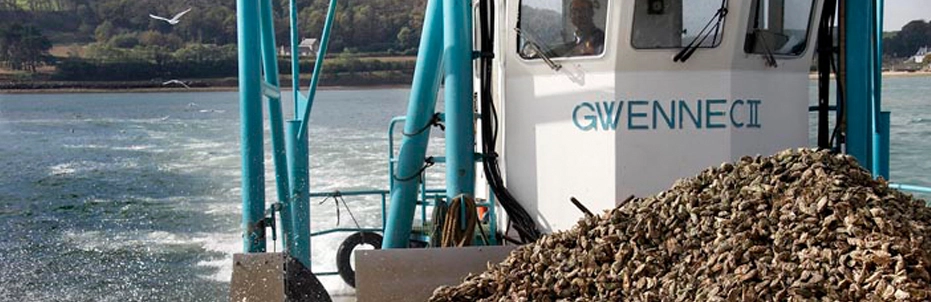
When the oysters reach marketable size, typically after 3 to 4 years, the final refinement stage takes place in carefully chosen marine zones—selected to further enhance flavor and shell quality. The oysters are harvested by hand, thoroughly washed, and sorted for size, appearance, and shell integrity before branding. This hands-on process, from regular maintenance to selective harvest, results in Perle Noir oysters known for firm meat, distinctive minerality, and consistent premium quality.
About Huitres Cadoret
Huîtres Cadoret has become the most well-known cultivator of Plate du Belon oysters, operating along the Belon River in southern Brittany, France. The company started in 1880, when François Cadoret recognized the river’s unique blend of salty and fresh water as the perfect environment for growing oysters with a memorable chestnut taste. Since then, five generations of the Cadoret family have passed down their expertise, blending old-world traditions with innovative farming techniques to deliver oysters coveted by top chefs worldwide.

The Cadoret operation grows both flat and rock oysters, producing over 2,000 tons annually. The farming method starts with raising oysters in the ocean before transferring them to the Belon River for their final maturation. Here, the oysters absorb minerals from the riverbed and develop their exclusive flavor profile. Each oyster spends months refining in these nutrient-rich waters, and the process is supervised with a mix of new technology and hands-on labor. The company’s success is driven by its dedication to preserving natural quality while keeping pace with modern demands (2).
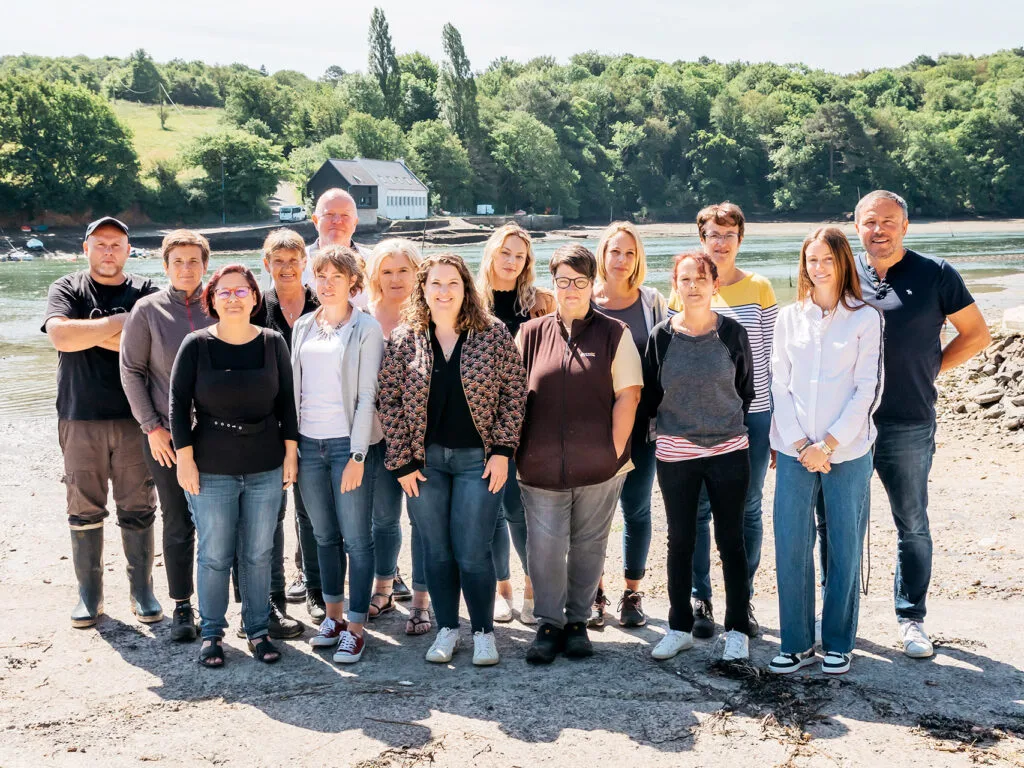
Huîtres Cadoret employs around 60 permanent workers throughout the year. During holiday peaks, the workforce swells to over 200 to meet the increased market demand. With a turnover near 10 million euros, Cadoret exports 60% of its oysters across Europe, Asia, the Middle East, and Africa. Every step–from sorting and grading to packaging–is handled with care to protect the unique characteristics and reputation of the Plate du Belon oyster. Today, the business thrives by honoring family tradition, respecting the local ecosystem, and ensuring the consistency that global customers expect.
Follow Them
Discover more about Plate du Belon oysters by exploring Huitres Cadoret’s official website. Follow their social media for behind-the-scenes stories, exclusive product launches, and seasonal oyster news straight from Brittany’s oyster farms. Stay connected and be the first to know about special offerings and fresh harvest updates from one of France’s most celebrated oyster producers.
Oysters Information
Oyster: Pearle Noire
Species: Crassostrea gigas (Pacific oyster)
Cultivation Method: Farmed for 3 – 4 years.
Size: Typically 2–4 inches
Seasonality: Available year-round
Culture Method: Deep-water farming followed by river refinement
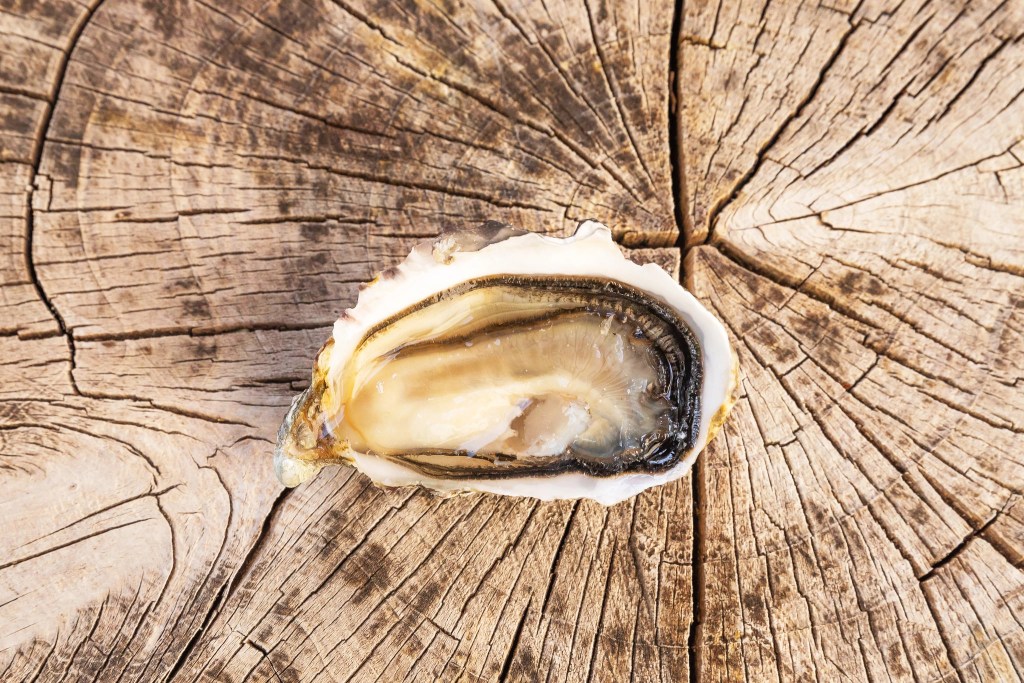
Appearance: long, dark shells with uneven surfaces that reflect their rugged coastal origins. The inside reveals full and smooth oyster meat with a glossy finish, making them visually striking on any platter. Their wild appearance stands out among other oysters, highlighting both their strength and distinctive character.
Flavor Profile: Sweet and creamy with soft undertones of hazelnut and fresh iodine. Their meat delivers a crisp bite and leaves a gentle, lingering sweetness on the palate. Each oyster balances savory richness with a clean and mild mineral note that makes the flavor feel fresh and lively.
If You Like Pearle Noire Oysters, Then Check Out The Similar Varieties!
Location
Farmers cultivate Pearle Noire oysters along the northern coast of France, especially in the regions of Brittany and Normandy.
These oysters start their life in open sea farms, then move to protected estuaries and river mouths such as the Belon River for their final refinement. Brittany offers legendary oyster habitats, featuring shallow bays and estuaries like Carantec, where unique mixes of salt water and fresh water create the perfect environment for healthy oyster growth.
Environmental Factors
Several environmental factors in Brittany and Normandy make these locations ideal for farming Pearle Noire oysters. The coastline has strong tidal flows that sweep in clean, plankton-rich seawater twice daily, providing a continuous supply of oxygen and essential food for oysters. Mild year-round temperatures keep fluctuations minimal, reducing stress so oysters grow steadily throughout every season. The combination of stable salinity from ocean tides and freshwater input maintains the delicate balance needed for both texture and flavor. Clean water and nutrient-rich mud or soft sand in these estuaries also enhance shell quality and meat development.
These prime habitats support oyster health and prosperity in natural ways. Tidal cycles help clean and aerate oyster beds, removing waste and supplying fresh nutrients in every cycle. The cold temperatures slow growth, making each oyster’s flesh denser and the taste more concentrated. Local expertise and hands-on management add another layer of protection, ensuring farmers closely monitor water quality and oyster health through every stage. Regional knowledge also ensures farming methods can adapt quickly to changing weather, tides, or water quality.
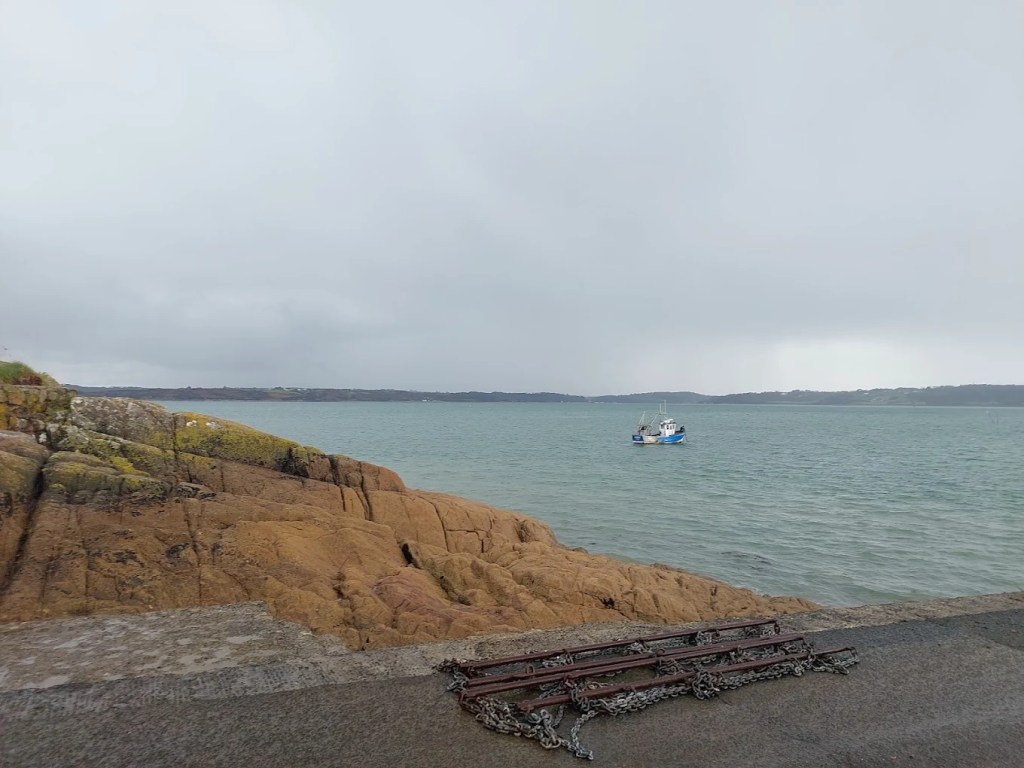
In summary, Brittany and Normandy’s balance of tidal flow, stable salinity, clean waters, and traditional stewardship offer all the ingredients for successful Pearle Noire oyster cultivation. These environmental conditions encourage healthy shell development, concentrated flavors, and consistent harvests. The result is a reliable supply of high-quality oysters from farms deeply rooted in the Atlantic coastal tradition
Suggested Beverage Pairings
- Billecart-Salmon Brut Reserve Champagne – The fine bubbles and bright acidity cleanse the palate and highlight the creamy, nutty flavors of Pearle Noire oysters, adding freshness with every bite.
- Domaine Laroche Saint Martin Chablis – This classic Chablis amplifies the oyster’s sweetness and mineral character with crisp citrus and high minerality, making for a balanced combination.
- Giesen Sauvignon Blanc – Zesty citrus, lively acidity, and herbaceous notes in this wine refresh the palate and enhance the oyster’s lingering sweetness and mineral tones.
- Weez Ale by Maine Beer Company – This hoppy, malty ale brings out the umami and briny notes in dense sweet oysters like Pearle Noire, making the flavors especially savory.
- Tanqueray No. Ten Gin Martini – Botanical freshness and a crisp finish from Tanqueray No. Ten cut through the oyster’s creaminess, drawing out sweet and savory tones for a sophisticated pairing
Where Can I Buy Pearle Noire Oysters?
- Zouf.biz – Zouf.biz ships Pearle Noire oysters internationally, offering fresh, farm-direct oysters delivered chilled in 6–20 days.
- OysterCaviar.com – OysterCaviar specializes in high-end oysters, including Pearle Noire, sent live to keep them at peak quality.
- Saltz.app – Saltz offers Cadoret Perles Noires “The Black Pearl,” an oyster well-known for flavor and texture, with convenient online ordering.
- Gourmet Grove Foods – Gourmet Grove Foods delivers Perles Noires oysters sourced from pristine French waters, guaranteeing deep, complex flavors at your door.
Stay Connected with The Oyster Encyclopedia!
Follow us on social media to get the latest updates, oyster recipes, and behind-the-scenes glimpses into the world of oysters:
Stay tuned for exclusive content, oyster trivia, and more! Engage with our vibrant community of oyster enthusiasts by liking, commenting, and sharing our posts. Your support helps us continue providing valuable oyster knowledge to fellow seafood lovers worldwide.
References
- “Our oysters.” Huitres Cadoret, https://huitres-cadoret.fr/our-oysters/
- “French Black Pearl (Perles Noires) Live Oyster.” Worldwide Seafood, https://worldwide-seafood.net/product/french-black-pearl-perles-noires-live-oyster-item-no/
- “Perles Noires – East Pacific Ocean International Corporation.” East Pacific, http://east-pacific.com/
- “OYSTERS GUIDE.” House of Oysters, https://houseofoysters.com/oysters-guide/
- “Fresh Oysters Imported to Finland – Gillardeau, Carina & More.” Finlandia Caviar, https://finlandiacaviar.fi/fresh-oysters-imported-to-finland/
- “La Perle Noire No 2 Oyster | OysterCaviar.” https://oystercaviar.com/la-perle-noire-no-2-oyster/
- “What it’s like to visit an oyster farm in Brittany.” France.fr, https://france.fr/
- Zouf.biz, https://zouf.biz/
Discover more from The Oyster Encyclopedia
Subscribe to get the latest posts sent to your email.