


Chef’s Notes
Mason Bostwick · Executive Chef
Eastern oyster
Katama Bay from Edgartown reads bold Atlantic brine with sweet-salty mid-palate and velvety texture. Off-bottom tumbling in strong tidal currents deepens cups on this farmed Eastern line. A reliable Martha’s Vineyard raw-bar cup year-round.
Flavor chart
Chef palate read
Shuckability
Shell & line performance
When I buy it
Look for Katama Bay Oysters in peak season when salinity peaks.
How I serve it
On the half shell with minimal garnish — let the oyster speak.
What to watch for
Reject shells with ammonia or iodine off-aromas, broken cups, or milky liquor. Peak cups show deep brine with a clean, balanced finish.
My read
Bold brine — clean and versatile. A solid farmed eastern oyster.
What Are Katama Bay Oysters?
Katama Bay Oysters are farmed Eastern oysters from Katama Bay in Edgartown, Massachusetts. The bay sits on the south shore of Martha’s Vineyard. Signature Oyster Farm cultivates the line in off-bottom cages with tidal tumbling.
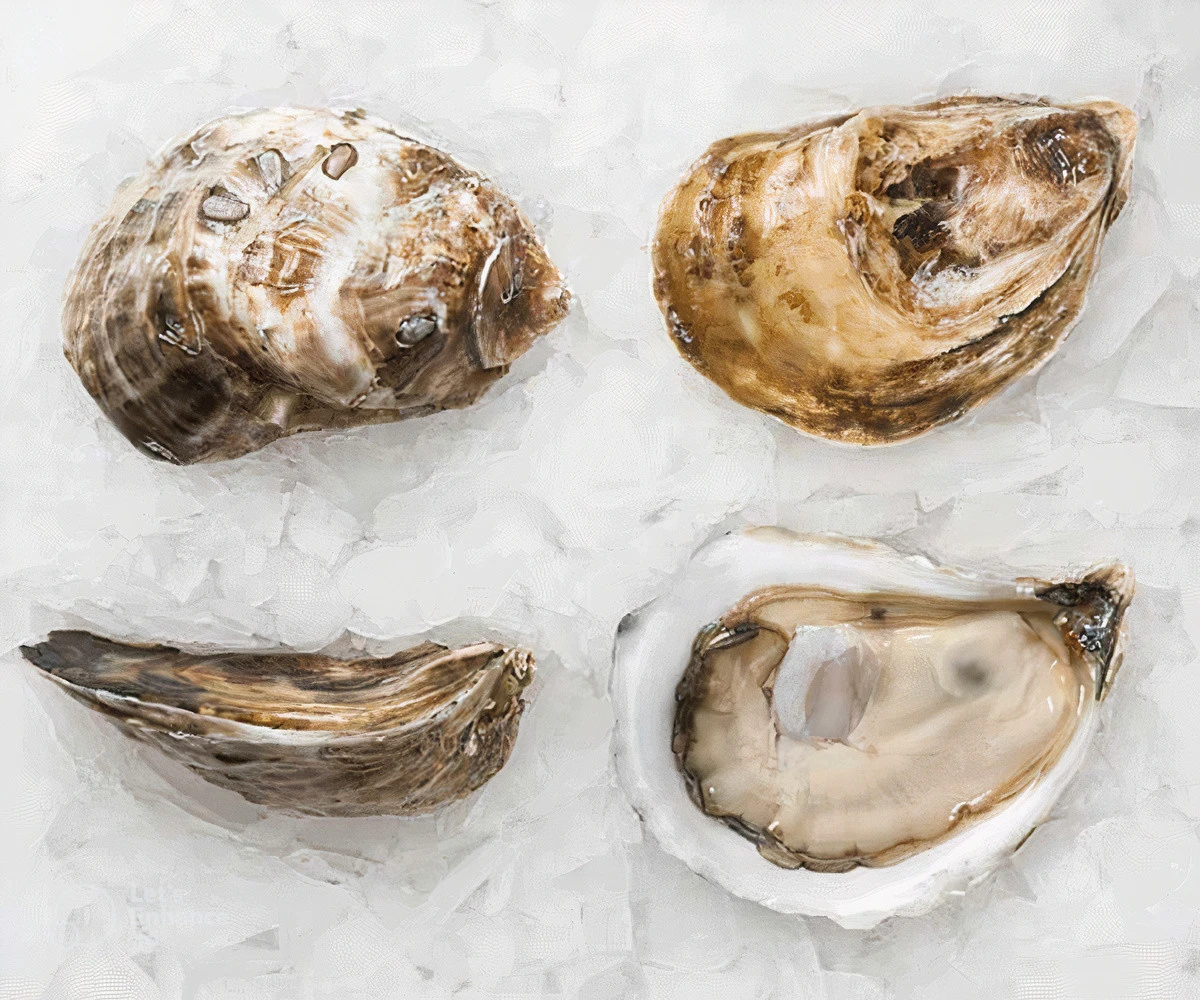
The stock is Crassostrea virginica raised through farmed, tidal upweller to bagged cage culture. Market selects typically measure three to three-and-a-half inches. Shells cup deeply from tumbling in strong tidal currents.
On the half shell the line reads Briny + Clean with salinity near 28 ppt. Sweet and salty notes build through the slurp with a rich, velvety texture. The finish stays clean and balanced without lingering metal.
About Signature Oyster Farm
Signature Oyster Farm has farmed oysters in Katama Bay since 2006. It is run by Ryan Smith, who grew up on the Vineyard as the son of a commercial fisherman. With help from his wife Julia, the business has become a full family endeavor.

Julia assists with marketing and organizing their new Oyster Farm Tours. The farm sells oysters year-round in Boston and to distributors all over the country. Local sales reach restaurants and businesses in Oak Bluffs, Vineyard Haven, and Edgartown.
Signature Oyster Farm also promotes Oyster Farm Tours for visitors who want a fun, educational look at cultivation. Overall, the family-owned business has delivered delicious and healthy oysters from Katama Bay since 2006. They prioritize quality over quantity in every hand-picked selection.
Their unique cultivation method and strategic location in Katama Bay contribute to the exceptional flavor of their oysters. Hand-picked selections meet consistent size and shape standards before they ship. That discipline keeps the Katama Bay line reliable on raw bars year-round.
How Did Katama Bay Oysters Get Their Name?
The Katama Bay name appears on tags tied to oysters grown in Edgartown, Massachusetts. That town sits on the south shore of Martha’s Vineyard. Buyers see the label on menus and shellfish tags across the Northeast.
Katama Bay is the trade label distributors and raw bars use for this oyster line. The word Katama comes from the Wampanoag language and means crab-fishing place. The label links the oyster to that Martha’s Vineyard bay rather than a single lease block.
Katama Bay Oysters Information

Eastern oyster
If you like Katama Bay Oysters, then check out these similar varieties!
Location
Katama Bay is located in Edgartown, Massachusetts, on the south shore of the island of Martha’s Vineyard. The bay opens on the eastern side of Chappaquiddick island. Cold Atlantic water flushes the lease sites throughout the tide cycle. For another New England Eastern cup with a distinct regional profile, see Cape Porpoise Oysters .
Deep waters and strong currents provide ideal growing conditions for Eastern oysters here. Salinity runs near 28 ppt in this Atlantic-fed embayment. That salinity shapes the bold, briny character chefs expect from the line.
Signature Oyster Farm works off-bottom cages in these tidal flows. Tumbling hardens shells and deepens cups before harvest. Year-round tags are common because the farm sells through Boston and island restaurants alike.
Suggested Beverage Pairings
Billecart-Salmon Brut Réserve brings crisp effervescence beside Katama Bay delicate brininess. Fine mousse creates impeccable pairing for Martha’s Vineyard deep-water cups.
Westport River Winery Sauvignon Blanc offers crisp refreshing acidity beside Katama Bay salty flavor. Local Massachusetts white complements Edgartown deep-water half shells.
Lamplighter Rabbit Rabbit Double IPA matches hop intensity with Katama Bay salty cups. Strong IPA contrasts Martha’s Vineyard brine with bold New England craft character.
Mezcal Negroni brings smoky bitter depth beside Katama Bay deep-water oyster. Campari and vermouth contrast Katama Bay cups with savory complexity.
Hendrick’s Gin Martini brings dry floral botanicals beside Katama Bay vegetal notes. Classic gin martini pairs cleanly with Martha’s Vineyard half-shell presentation.
Where Can I Buy Katama Bay Oysters?
- Island Creek Oysters — Katama Signature — Online shop listing Katama Signature oysters from Edgartown, Massachusetts, with chilled shipping when in season.
- Fortune Fish & Gourmet — Wholesale and retail seafood distributor offering farm-raised Katama Bay oysters with delivery options in their service area.
- Signature Oyster Farm — Direct from the Martha’s Vineyard grower; contact for island restaurant supply, tours, and local pickup in Edgartown.
- Browne Trading Company — Portland, Maine distributor sourcing Northeast farm oysters including Martha’s Vineyard tags when listed for New England delivery.
References
- Island Creek Oysters:. Web. Accessed 30 May 2026. https://shop.islandcreekoysters.com/products/katama-signature-oysters-from-edgartown-ma?_pos=1&_psq=katama%20&_ss=e&_v=1.0&variant=41564171272342
- Fortune Fish & Gourme. Web. Accessed 30 May 2026. https://www.fortunefishco.net/products/katama-bay-oysters
Discover more from The Oyster Encyclopedia
Subscribe to get the latest posts sent to your email.