


Chef’s Notes
Mason Bostwick · Executive Chef
Eastern oyster
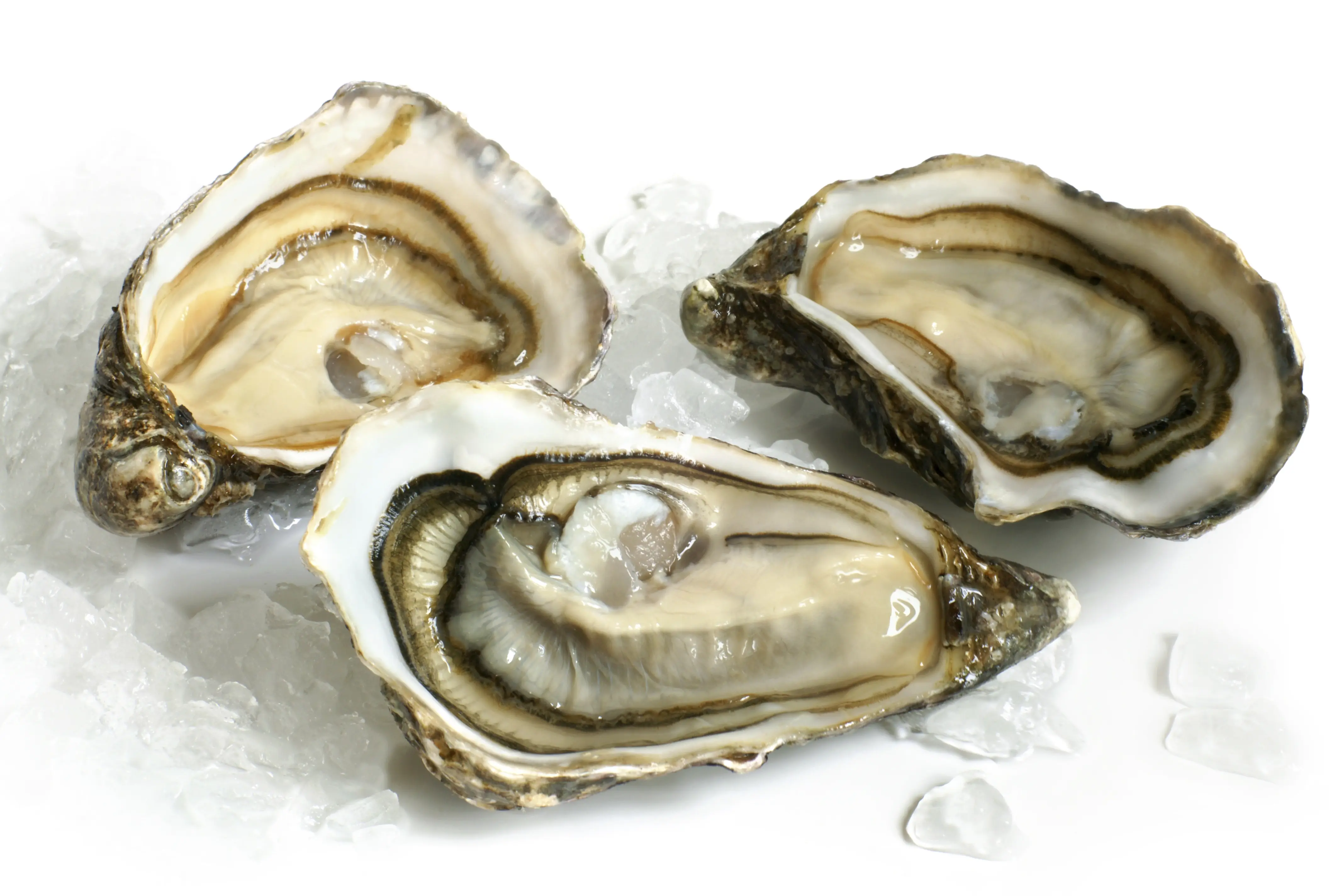
Cape Porpoise from Cape Porpoise Harbor in Kennebunkport reads briny-sweet and medium-bodied with a clean mineral finish. A three-to-four-year grow-out in cold Maine water builds deep cups and plump, sweet meat. A dependable year-round Eastern for half-shell service.
Flavor chart
Chef palate read
Shuckability
Shell & line performance
When I buy it
I look for Cape Porpoise cups out of Cape Porpoise Harbor in Kennebunkport, where cold Maine water and a three-to-four-year grow-out build deep cups and plump, sweet meat. They run year-round, so I want heavy, tightly closed shells full of clear liquor.
How I serve it
Raw on the half shell, served ice-cold, to show off the briny-sweet balance and clean mineral finish of a Cape Porpoise. A squeeze of lemon or a light mignonette is plenty — the plump, sweet meat carries the plate.
What to watch for
Reject cups with dry or milky liquor, cracked shells, or off odors after warm holding.
My read
Clean brine up front, then the plump, cold-water sweetness that Maine glycogen builds over a three-to-four-year grow-out, closing on a crisp mineral finish. A well-balanced, medium-bodied Eastern from Cape Porpoise Harbor that eats above its mild billing.
What Are Cape Porpoise Oysters?
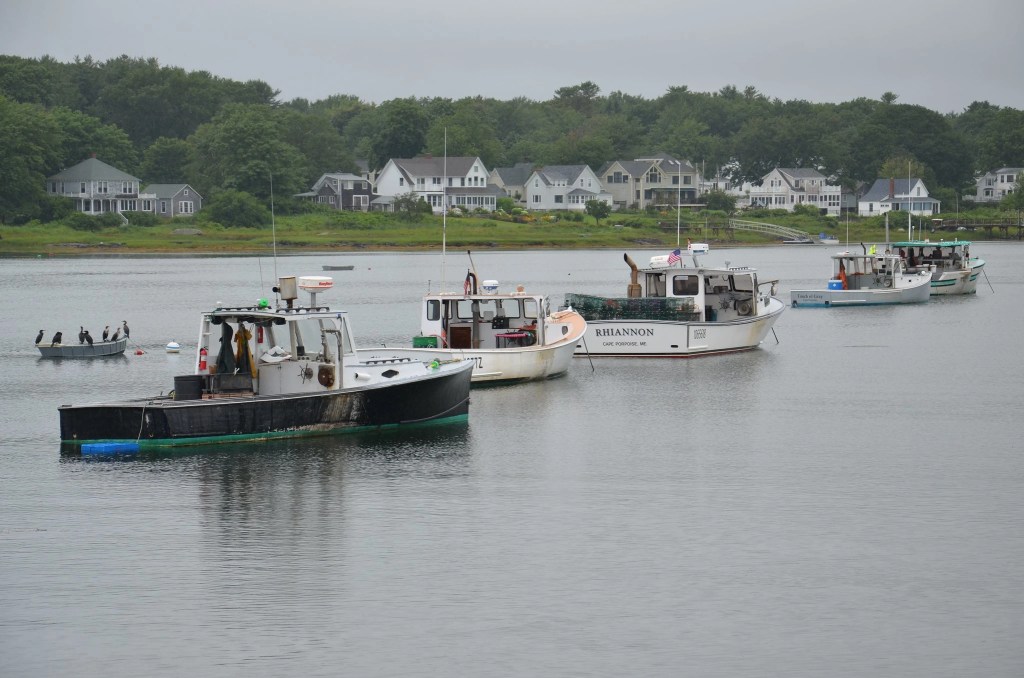
Cape Porpoise oysters stand out in Maine’s rich oyster landscape. Their deep, cup-shaped shells and distinctive flavor profile are noteworthy. This flavor emerges from the nutrient-rich waters of Cape Porpoise Harbor in Kennebunkport. The strong tidal currents in this working fishing village create ideal conditions for oyster development.
They flush the waters and deliver a steady stream of nutrients. This contributes to their unique taste 4. These Maine treasures take 3-4 years to reach market size. This is significantly longer than their southern counterparts.
Southern counterparts typically mature in just one year 2. The extended growth period in the frigid waters allows Cape Porpoise oysters to develop a complex flavor profile. They store glycogen during winter months, resulting in exceptionally plump, sweet meat 2. The harbor maintains salinity between 25-30 ppt, contributing to their medium-bodied texture and briny-sweet balance.

How Did Cape Porpoise Oysters Get Their Name?
Cape Porpoise Oysters are named after the Cape Porpoise Harbor in Kennebunkport, Maine. This coastal area is known for its rich maritime history and bountiful marine life. The harbor has long supported local fisheries and aquaculture, contributing to its reputation as a seafood haven.
The name highlights the oysters’ origins and emphasizes their connection to the pristine waters of Cape Porpoise. The moniker reflects not only their geographical roots but also the community’s dedication to sustainable aquaculture. That geographic tie anchors the brand on every wholesale tag and menu listing from Kennebunkport.
About The Cultivation Process
Farmers cultivate Cape Porpoise oysters using suspended culture methods in Cape Porpoise Harbor. They place stock in mesh bags or trays along the natural sea floor. This gear keeps oysters in the nutrient-rich water column where tidal currents flush the harbor.
Grow-out runs three to four years before oysters reach market size. That timeline is longer than southern farms but builds deeper cups and fuller meat. The suspended approach lets oysters feed naturally on the water’s nutrients while remaining protected from predators.
Follow Them
Visit the Cape Porpoise Lobster Company website for Maine shellfish shipping, wholesale lobster and oyster listings, and Kennebunkport harbor pickup options. Browne Trading Company publishes a Maine oyster guide with regional grow-out notes and seasonal availability for Cape Porpoise Harbor cups. The Maine Oyster Company aggregates farm tags at themaineoystercompany.com for home delivery across New England when Cape Porpoise stock is listed.
Cape Porpoise Oysters Information

Eastern oyster
If you like Cape Porpoise Oysters, then check out these similar varieties!
Location
Cape Porpoise oysters thrive in the nutrient-rich waters of Cape Porpoise Harbor in Kennebunkport, Maine 1. This working harbor provides an ideal environment for oyster cultivation. Strong tidal currents continuously flush the waters. They deliver essential nutrients to the growing oysters. For another farmed Pacific with a distinct regional profile, see Katama Bay Oysters.
The location’s cold waters contribute significantly to the oysters’ development. However, they slow the growth process to 3-4 years compared to warmer regions 2. This extended growing period proves beneficial, allowing the oysters to develop deeper cups, fuller bodies, and more complex flavor profiles.
The harbor maintains an optimal salinity level of 25-30 ppt, creating perfect conditions for oyster development. Those salinity levels match the 25-30 ppt range noted in the flavor profile. Cold Maine water shapes that longer timeline throughout the harbor.
The natural ecosystem of Cape Porpoise Harbor supports oyster growth through its strong tidal movements. These movements ensure consistent water circulation and deliver nutrients. Farmers use suspended culture methods in the working harbor.
They place oysters in mesh bags or trays on the natural sea floor. This approach allows the oysters to benefit from the harbor’s natural nutrient flow while remaining protected from predators. The harbor’s maritime community has long supported fisheries and aquaculture alongside oyster cultivation.
Suggested Beverage Pairings
County Line Rosé pours dry and bright, its edgy acidity framing the briny-sweet balance of a Cape Porpoise. The light red-fruit lift cuts the plump, sweet meat without adding sweetness of its own. A clean local pour for a Kennebunkport raw bar.
Valdespino Fino Ynocente, served well-chilled, brings a bone-dry, saline nuttiness that echoes the brine of a Cape Porpoise. Its dryness lets the oyster’s mild sweetness and mineral finish come forward. Pour it in a copita between half-shell bites.
Allagash True Pilsner snaps with clean Saaz hop bitterness and a light malt backbone beside a Cape Porpoise. Its crispness rinses the briny liquor between cups without covering the sweet, medium-bodied meat. A Maine-brewed pour built for coastal oyster service.
The Shape of Curiosity marries High West bourbon with Valdespino fino sherry over apple, lemon, and honey notes. Its soft sweetness and gentle acidity ride alongside the briny-sweet balance of a Cape Porpoise rather than overpowering it. A creative cocktail option for a Kennebunkport raw-bar menu.
A dry Hendrick’s gin martini leads with cool cucumber and botanicals that lift the mild, briny-sweet profile of a Cape Porpoise. Served ice-cold, its clean bite mirrors the oyster’s crisp mineral finish. Add a lemon twist for a little extra brightness.
Where Can I Buy Cape Porpoise Oysters?
You can buy Cape Porpoise Oysters from the following sources:
- Cape Porpoise Lobster Company — Kennebunkport seafood company shipping fresh Maine shellfish, including Cape Porpoise Harbor oysters, lobster, and clams online.
- Browne Trading Company — Portland distributor sourcing Maine oysters from regional farms with wholesale and retail delivery across New England.
- The Maine Oyster Company — Online aggregator listing Maine farm oysters by tag with seasonal home delivery when Cape Porpoise stock is available.
- Island Creek Oysters — Duxbury-based retailer and distributor carrying Northeast farm tags, including Maine cups, for shipping and raw-bar supply.
References
- “Maine Oyster Guide.” Browne Trading Company, 18 Oct. 2017, brownetrading.com/blogs/blog/maine-oyster-guide.
- “The Village of Cape Porpoise in Maine.” Kristy & New England, kristynewengland.com/cape-porpoise-kennebunkport-maine.
- Jacobsen, Rowan. “Oyster Cultivation.” OysteRater, 2024, www.oysterater.com/about/oyster-cultivation.
- WRN Studio. “Cape Porpoise Oysters.” WRN Studio Seafood Guide, 2024.
Discover more from The Oyster Encyclopedia
Subscribe to get the latest posts sent to your email.