
Chef’s Notes
Mason Bostwick · Executive Chef
Fine de Claire Oysters — Fine de Claire oysters are among the most recognizable names in French oyster culture. Unlike typical oysters grown entirely at sea, these oysters go through an additional finishing process. They spend several weeks in… These oysters are prized for their refined, oceanic taste with a clean finish. They are not as meaty or plump as some deep-water varieties. Instead, Fine de Claires offer a light,…
Flavor chart
Chef palate read
Shuckability
Shell & line performance
When I buy it
Look for Fine de Claire Oysters in peak season when conditions are optimal.
How I serve it
On the half shell with minimal garnish — let the oyster speak.
What to watch for
Mild salinity with clean finish. Reject any with broken shells or milky liquor.
My read
Strong minerality — mild brine and mineral finish. A solid farmed pacific oyster.
Quick Facts
- Refined French Finish: Fine de Claire oysters are refined in shallow salt ponds for their signature briny-sweet flavor.
- Flavor Profile: Expect light salinity, a crisp vegetal finish, and a clean, oceanic aftertaste.
- Matured, Not Grown: These oysters are matured for 28 days in French “claires” after ocean harvesting.
- Appearance: Green-gilled hues often emerge from the presence of Navicula bluephila algae in the ponds.
- Popular in Europe: They are the most exported oyster from France, especially prized in seafood platters.
What Are Fine de Claire Oysters?
Fine de Claire oysters are among the most recognizable names in French oyster culture. Unlike typical oysters grown entirely at sea, these oysters go through an additional finishing process. They spend several weeks in nutrient-rich salt ponds, called “claires,” before reaching market. This process enhances their flavor and presentation.

These oysters are prized for their refined, oceanic taste with a clean finish. They are not as meaty or plump as some deep-water varieties. Instead, Fine de Claires offer a light, briny bite with more shell liquor and a slightly crisp texture. Their flavor suits oyster beginners and connoisseurs alike.
Fine de Claires are not a specific breed but a label of refinement. Farmers select oysters from Marennes-Oléron Bay and refine them using traditional methods. The controlled salinity and algae content of the ponds help shape both their taste and green-hued gills, making them a standout on seafood menus worldwide.
How Did Fine de Claire Oysters Get Their Name?
The term “Fine de Claire” comes from the French word “claire,” meaning a shallow salt pond used for oyster finishing. These man-made basins were originally salt pans converted into maturation beds for oysters. They became essential to the Marennes-Oléron oyster refinement industry in southwestern France.
“Fine” in this context indicates the oyster’s classification based on size and flesh index. French oyster grading standards assign the “Fine” label to oysters with a moderate meat content. When combined with the “de Claire” finishing method, the name “Fine de Claire” signifies both size and refinement process.
The Cultivation Process
Fine de Claire oysters are farmed oysters, but their hallmark lies in their post-harvest refinement. Farmers typically grow them in the Atlantic Ocean near the Marennes-Oléron basin. Once matured to market size, the oysters are transferred to the claires for final refinement.
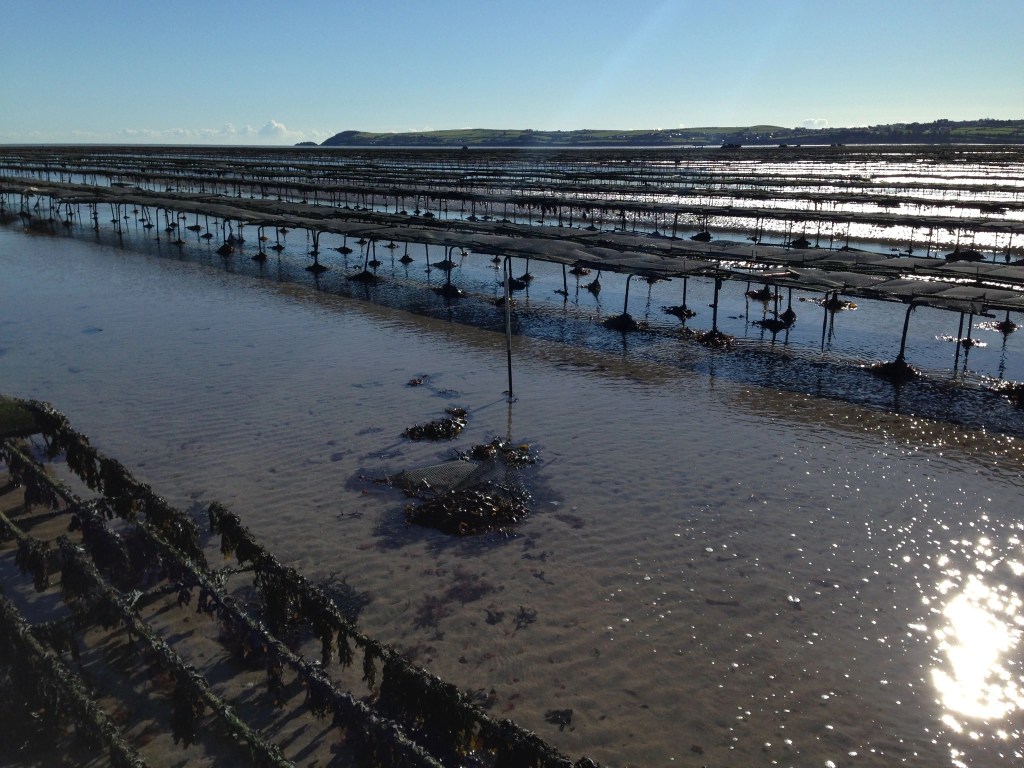
These claires are ancient salt ponds with controlled salinity and rich microalgae populations. Farmers like David Hervé and the Gillardeau family have perfected this process over generations. The oysters remain in the claires for 2 to 4 weeks, allowing them to filter the pond water and absorb flavor.
Farmers monitor the ponds carefully. The salinity, algae levels, and water quality are adjusted as needed to ensure consistency. Some claires encourage Navicula bluephila algae growth, which can tint the oyster’s gills green—a mark of premium quality in France.
About The Marennes Oléron Organization
The Marennes Oléron organization is a renowned collective of oyster producers based in the Marennes-Oléron basin, France’s largest and most historic oyster-farming region. This group unites hundreds of local oyster farmers who specialize in producing four main types of oysters: Fine de Claire, Fine de Claire Verte, Spéciale de Claire, and Pousse en Claire.

Their reputation is built on a commitment to traditional finishing methods—especially the use of shallow clay ponds, or claires—which impart distinct flavors, textures, and colors to their oysters.
This collective stands out for its rigorous quality standards and dedication to authenticity. The Marennes Oléron organization was the first in the world to earn the “Label Rouge” certification for a seafood product, awarded to their Fine de Claire Verte oysters. This distinction highlights their leadership in sustainable aquaculture and their focus on maintaining the highest product quality. The organization also carefully monitors every stage of production, from oyster selection to maturation, ensuring that each oyster reflects the unique marine terroir of the region.
The Marennes Oléron group prioritizes environmental stewardship and the preservation of local heritage. Their producers use time-honored techniques passed down through generations, balancing innovation with respect for nature. As a result, Marennes Oléron oysters are celebrated for their aromatic complexity, firm texture, and long, balanced finish—making the region a benchmark for excellence in the world of oysters.

Follow Them
Discover the authentic taste of Marennes Oléron oysters—crafted by generations of passionate producers and certified for exceptional quality. Taste tradition and excellence with every shell.
Fine de Claire Oysters Information

Appearance: fluted, oval-shaped shells with light gray to ivory tones. Their gills often show a distinctive green tint from algae in the Claires. The shell interior is smooth and pearly white.
Flavor Profile: Lightly briny with a crisp, oceanic freshness. They offer subtle notes of seaweed, cucumber, and a clean mineral finish. The texture is smooth, with a slightly firm bite.