


Chef’s Notes
Mason Bostwick · Executive Chef
Pacific oyster
Deer Creek oysters come off Hood Canal cobble beaches where intertidal wave action hardens round, deep cups. Penn Cove Shellfish ships the line with crisp Puget Sound brine and a sweet melon finish at roughly 28 ppt. I reach for them when I want a sturdy beach-grown cup that shucks clean on the raw bar.
Flavor chart
Chef palate read
Shuckability
Shell & line performance
When I buy it
I look for Deer Creek bands from Hood Canal cobble beaches, where Penn Cove Shellfish and affiliated growers beach-culture stock for two to three years. They run year-round with salinity near 28 ppt and wave-hardened shells — confirm the tag says Deer Creek, not a generic Puget Sound lot.
How I serve it
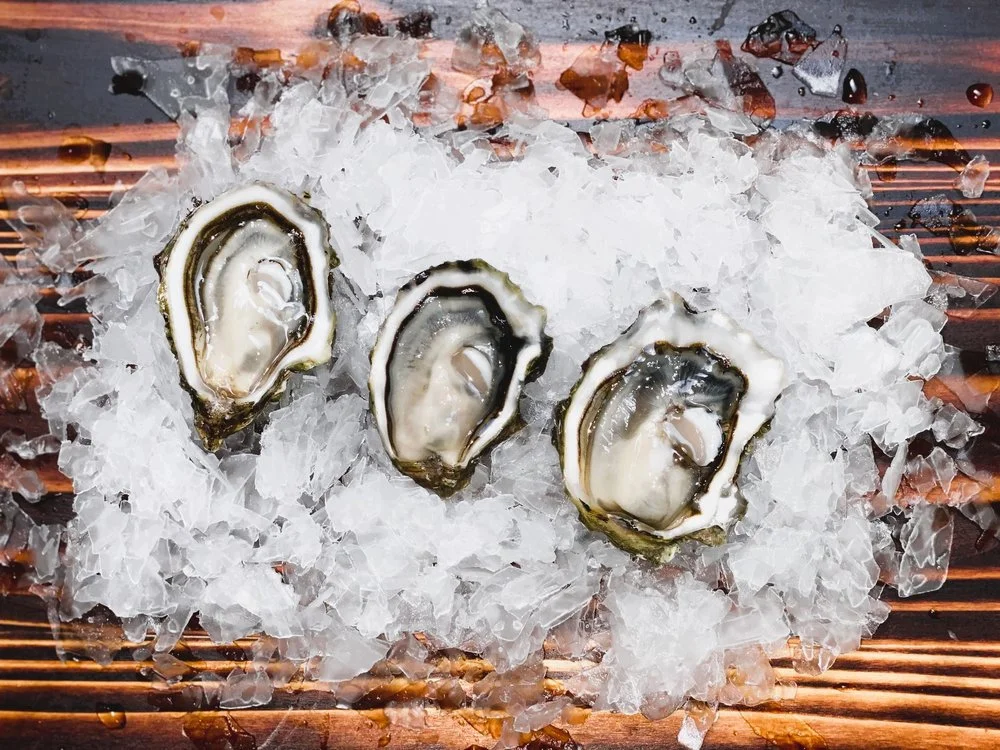
Raw on crushed ice with virgin liquor intact. A Deer Creek cup carries crisp brine and a subtle sweet melon note — lemon only, no heavy mignonette.
What to watch for
Spawn-season milky liquor on Pacific oysters in warm months. Wave-hardened shells should show a rugged fluted rim and deep cup — reject gaping or stagnant-smelling lots after warm holding.
My read
Deer Creek is a Hood Canal beach classic — hard, sturdy shells from cobble intertidal culture with clean brininess, mild mineral punch, and that sweet melon finish Puget Sound buyers expect.
What Are Deer Creek Oysters?
Deer Creek Oysters are farmed Pacific oysters (Crassostrea gigas) raised on the cobble beaches of Puget Sound. They grow in the Hood Canal, in the heart of Pacific Northwest oyster country. Growers use an intertidal beach culture process that hardens shells through wave action on cobble substrate. That method yields the round, deep cups buyers expect from Hood Canal beach stock.
Penn Cove Shellfish and affiliated growers farm Deer Creek stock for roughly two to three years before harvest. The intertidal process toughens each oyster, leaving exceptionally hard and sturdy shells ideal for shucking. Shells read rugged and fluted with clean exteriors from life on Hood Canal cobble beaches. Meats present plump and full with a bright, classic half-shell presentation.
On the half shell the line reads full meat with crisp, clean brininess upfront from Puget Sound waters. Mild minerality and a subtle sweet melon note balance the salinity over plump, creamy meats. Salinity on typical tags runs near 28 ppt. The finish stays clean and refreshing rather than muddy or overly sharp.
How Did Deer Creek Oysters Get Their Name?
Deer Creek Oysters take their trade name from Deer Creek. The significance of the name “Deer Creek” lies in the oysters’ origin and the unique characteristics of that intertidal site. Retail and wholesale lists pair the Deer Creek label with Hood Canal and Puget Sound as the stated origin. That pairing helps chefs confirm they received the Washington beach oyster they ordered.
The intertidal culture process toughens Deer Creek Oysters, leaving them with hard, sturdy shells ideal for shucking. Buyers often associate the name with those durable cups and the clean melon finish typical of Hood Canal beach stock. The name therefore signals both a place on the Washington coast and a particular growing style. Over time Deer Creek has come to stand for round, wave-hardened oysters from Puget Sound cobble beaches.
The Puget Sound provides a distinct “merroir” — the effect of the environment on oyster flavor. Their unique growing environment sets these oysters apart from other West Coast lines. The Deer Creek label marks stock cultivated where tidal exchange and cobble substrate define the cup. Tags and distributor manifests carry that name when Hood Canal beach oysters ship to raw bars nationwide.
About Penn Cove Shellfish
Penn Cove Shellfish is the oldest and largest mussel farm in the United States. In 1996, the company formed a joint venture with Coast Seafoods Company, America’s largest oyster farm. The company’s mission has always been to be the premier producer and provider of the finest sustainably farmed shellfish products. Deer Creek Oysters are among the oyster lines associated with this operation.

Penn Cove Shellfish has promoted sustainable, high-quality shellfish farming across the Pacific Northwest since its establishment in 1975. Their practices earn a “Best Choice” rating on several seafood ranking guides. Please note that Penn Cove Shellfish may not be the only farm cultivating Deer Creek oysters on Puget Sound beach grants.
Follow Them
Visit the Penn Cove Shellfish website for Deer Creek and Hood Canal oyster lines from Coupeville headquarters. Follow Instagram and X for harvest and distribution updates on Puget Sound beach stock. Coupeville headquarters sits at 106 N Sherman Rd on the map in the Location section below.
Deer Creek Oysters Information

Pacific oyster
If you like Deer Creek Oysters, then check out these similar varieties!
Location
Deer Creek Oysters are cultivated on the cobble beaches of the Puget Sound, specifically in the Hood Canal, Washington. Hood Canal sits within the broader Puget Sound estuary, in the heart of Pacific Northwest oyster country. Growers use intertidal beach culture on cobble substrate typical of Washington’s premier shellfish bays. Penn Cove Shellfish operates from Coupeville and ships stock grown across these waters. For another farmed Pacific with a distinct regional profile, see Mirada Bay Oysters.
The intertidal beach cultivation process subjects oysters to wave action that hardens their shells on Hood Canal cobble beaches. That exchange toughens each cup and keeps exteriors clean and sturdy from tidal movement. Salinity in these waters typically reads near 28 ppt on Deer Creek tags. The steady tidal flush contributes to the crisp brininess and mild mineral finish diners taste on the half shell.
The Puget Sound provides a distinct “merroir” that influences the taste and texture of Deer Creek Oysters. Their unique growing environment sets them apart from other West Coast oyster lines raised in deeper or tray-only systems. Cobble beaches in the Hood Canal channel tidal nutrients and oxygenated water past each bed. That geography defines the round, deep cups and sweet melon finish listed in the information box above.
Penn Cove Shellfish marks its Coupeville headquarters at 106 N Sherman Rd on distributor maps and seafood guides. Haggen and Balducci’s list Deer Creek stock alongside other premium Pacific Northwest oysters from these waters. Buyers across the region look to Hood Canal and Puget Sound tags when sourcing Washington beach oysters.
Suggested Beverage Pairings
Veuve Clicquot Brut Yellow Label brings crisp toasty notes beside Deer Creek Hood Canal brininess. Fine bubbles and acidity refresh palate between plump Puget Sound beach-oyster bites. Classic Champagne for crisp clean West Coast cups.
Domaine de la Louvetrie Muscadet offers bright citrus and mineral undertones beside Deer Creek clean whole meats. Loire acidity enhances mild sweet melon note without overpowering cobble-substrate cups. Sur-lie white for Hood Canal raw bars.
Guinness Draught brings creamy texture and roasted coffee beside Deer Creek briny flavor. Rich stout contrasts crisp Puget Sound salinity on plump beach-grown half shells. Classic counterpoint to clean refreshing finish.
Hendrick’s gin martini highlights cucumber beside Deer Creek clean flavor profile. Rose and cucumber botanicals complement mild minerality and sweet melon on Hood Canal cups. Ice-cold martini for Puget Sound oyster service.
Cucumber mint sparkler with muddled cucumber, mint, sparkling water, and citrus accompanies Deer Creek without alcohol. Crisp cooling mocktail suits clean refreshing finish on beach-cultured Hood Canal half shells.
Where Can I Buy Deer Creek Oysters?
You can buy Deer Creek Oysters from the following sources:
- Penn Cove Shellfish — Wholesale and retail shellfish from Coupeville, including Deer Creek and Hood Canal oyster lines.
- Haggen — Deer Creek dozen live when listed in Pacific Northwest seafood cases.
- Balducci’s — Premium seafood counter carrying Deer Creek oysters when in season.
References
- Haggen — Deer Creek Oysters. Web. Accessed 30 May 2026. https://www.haggen.com/shop/product-details.970079875.html
- Balducci’s — Deer Creek Oysters. Web. Accessed 30 May 2026. https://www.balduccis.com/shop/product-details.970093644.html
Discover more from The Oyster Encyclopedia
Subscribe to get the latest posts sent to your email.