



Chef’s Notes
Mason Bostwick · Executive Chef
Eastern oyster
Dodge Cove oysters come off Muscongus Bay Aquaculture’s Damariscotta River lease southeast of Dodge Point. Bottom-finished after suspended grow-out, they build thick mottled shells with deep cups and a clean citrus brine. I reach for them when I want Maine’s oldest farm line — restrained salinity, lemony lift, sweet fall-winter plumpness.
Flavor chart
Chef palate read
Shuckability
Shell & line performance
When I buy it
I look for Dodge Cove bands from Muscongus Bay Aquaculture on the Damariscotta River — bottom-finished stock from the Dodge Point lease, typically March through January on distributor tags. Fall and winter lots run plump and sweet after glycogen storage in Maine cold water; confirm the tag says Dodge Cove, not a generic river lot.
How I serve it
Raw on crushed ice with virgin liquor intact. Dodge Cove cups read clean brine with bright citrus lift and a creamy sweet finish — lemon only, no heavy mignonette.
What to watch for
Spawn-season milky liquor on Eastern oysters in warm months. Thick black-and-white mottled shells should cup deep with dense meats — reject gaping or stagnant-smelling lots after warm holding.
My read
Dodge Cove is Maine aquaculture history — Muscongus Bay bottom-finished Damariscotta cups with restrained brine, lemony lift, and a sweet clean close that defines mid-coast Eastern oysters.
What Are Dodge Cove Oysters?
Dodge Cove oysters are farmed Eastern oysters (Crassostrea virginica) raised on Muscongus Bay Aquaculture leases in Maine’s Damariscotta River estuary. Dodge Cove Marine Farm began in 1977 and remains the state’s longest-running oyster venture. Stock finishes on protected bottom ground near Dodge Point in Newcastle, Lincoln County. Wholesalers tag the line as Dodge Cove with Damariscotta River as the stated harvest water.
On the half shell they show thick, mottled shells with deep cups and dense ivory meats that present well on the raw bar. Suspended culture followed by bottom-finishing south of Hog Island builds the rugged shell and rounded interior distributors expect. Opened cups read near 28 ppt salinity with a clean briny burst and bright citrus lift from tidal exchange. Chefs often note that restrained brine and lemony clarity set these cups apart from heavier Eastern lines.
The unique taste emerges from slow maturation in Maine’s cold Damariscotta waters, where stock typically needs three to four years to reach market size. That extended grow-out builds complex flavor and glycogen stores that keep meats plump and sweet through fall and winter harvests. The estuary mixes fresh river flow with Gulf of Maine tides, creating the salinity swing behind the line’s creamy, lightly sweet finish on the half shell.
How Did Dodge Cove Oysters Get Their Name?
Dodge Cove Oysters take their trade name from Dodge Cove Marine Farm on Maine’s Damariscotta River. Dick Clime and Gil Jaeger founded the operation in 1977 after pioneering shellfish aquaculture work in that river corridor. Industry records and Maine working-waterfront archives recognize it as the state’s longest-running oyster farm venture. The Dodge Cove label therefore marks oysters grown under that farm’s Damariscotta leases rather than a generic river lot.
The brand name ties to the farm’s geography southeast of Dodge Point in Newcastle, Lincoln County. Maine Department of Marine Resources lease filings place Dodge Cove Marine Farm operations in that protected estuary reach of the Damariscotta. Dodge Point Preserve sits on the rocky mid-coast shoreline that frames the growing site. Retail and wholesale lists pair the Dodge Cove tag with Damariscotta River as the stated origin for these Eastern oysters.
Muscongus Bay Aquaculture acquired Dodge Cove Marine Farm from Clime and Jaeger in 2007. The company continues to finish stock on the same Damariscotta bottom leases under the Dodge Cove and Pemaquid lines. Over time the trade name has come to signal thick-shelled, citrus-bright cups from Maine’s oldest working farm team. Chefs and distributors still look for the Dodge Cove band when sourcing mid-coast Eastern oysters.
About Dodge Cove Marine Farm
Tonie Simmons is known as the queen of Maine aquaculture. She leads Dodge Cove’s oyster cultivation operations. They cultivate oysters on their 30-acre property in the Damariscotta River. Her dedication to producing premium oysters has established Dodge Cove as a cornerstone of Maine’s aquaculture industry.

Operations
Muscongus Bay Aquaculture owns and operates Dodge Cove Marine Farm, Maine’s oldest oyster farm. The company maintains a comprehensive operation that includes a hatchery, nursery, and farming facilities. Their process starts with oyster spawning in the hatchery.
It continues through their FLUPSY (floating upweller system) and nursery sites. The process concludes with bottom-finishing in the Damariscotta River. That hatchery-to-harvest cycle supports the plump, market-size oysters sold year-round.
Cultivation Method
The farm employs a unique cultivation approach, combining suspended culture with bottom-finishing techniques just south of Hog Island. This method produces oysters with distinctive characteristics – thick shells, deep cups, and dense texture. Their harvesting process involves skilled divers who carefully retrieve the oysters from the ocean floor, ensuring premium quality.
Legacy and Impact
The operation she leads has evolved into one of Maine’s most sophisticated aquaculture enterprises. Under her guidance, Dodge Cove has maintained its position as Maine’s oldest oyster farm. It now operates as part of Muscongus Bay Aquaculture. The farm’s comprehensive approach includes managing a complete production cycle from hatchery to harvest.

Follow Them
Visit the Dodge Cove Marine Farm website and Muscongus Bay Aquaculture for Damariscotta River harvest and ordering from Edgecomb headquarters. Follow Instagram for harvest news from the Dodge Point lease team. Edgecomb hatchery and nursery operations supply bottom-finished stock to raw bars and wholesale buyers across the Northeast.
Dodge Cove Oysters Information

Eastern oyster
If you like Dodge Cove Oysters, then check out these similar varieties!
Location
Dodge Cove oysters thrive in Maine’s Damariscotta River, specifically southeast of Dodge Point in Lincoln County. The farm operates on a 12.422-acre lease area where the shoreline features rocky terrain with forested and residential uplands. Water depths in this location range from 6 to 12.5 feet at mean low water. For another farmed Eastern from the same river system, see Damariscotta River Oysters.
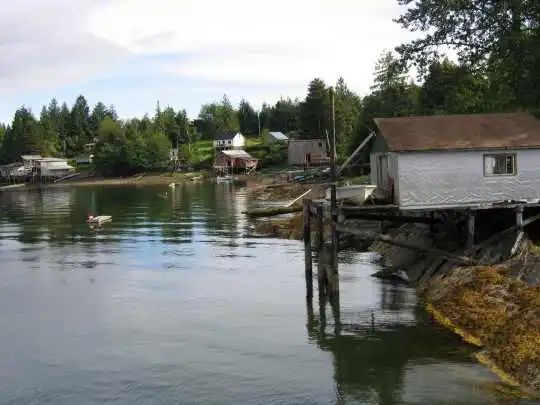
Those depths create ideal conditions for oyster cultivation on the lease. The Damariscotta River’s unique geography contributes significantly to oyster quality. Unlike other New England coastal areas, Maine’s coast features long, rocky fingers that form protected estuaries where freshwater rivers meet the Gulf of Maine.
These tidal coves provide natural shelter from Maine’s strong tides and reduce winter ice severity on the lease. That protected estuary mix creates stable sea beds at optimal growth depths and helps explain the oysters’ briny, citrus-forward profile on the half shell. Chefs often credit that Dodge Point reach for the clean lemony lift that defines mid-coast Eastern cups.
Strong tidal movements move plankton, nutrients, and trace minerals through the water column while cold Maine temperatures slow maturation. Dodge Cove stock typically needs three to four years to reach market size, building the complex flavors and winter glycogen stores distributors expect. Those slow-growing Damariscotta bottom-finished cups remain a benchmark for restrained brine and sweet fall-winter plumpness.
Suggested Beverage Pairings
Hendrick’s gin martini brings subtle cucumber notes beside Dodge Cove briny profile. Clean crisp finish enhances natural salinity without overpowering delicate melon-like close. Refreshing martini for Maine half-shell service.
Guinness Draught brings smooth creamy texture beside Dodge Cove briny character. Roasted notes balance oyster sweetness while bitterness harmonizes with natural salinity on plump cups.
William Fèvre Chablis offers mineral-rich character from Burgundy marine-fossil soils beside Dodge Cove oceanic qualities. Natural acidity from cooler climate complements citrus notes on the half shell.
French 75 combines gin botanicals with champagne effervescence beside Dodge Cove complex flavor. Citrus elements complement lemony undertones on creamy Maine cups. Sophisticated sparkling cocktail for raw-bar service.
Cloudy Bay Sauvignon Blanc offers crisp lively character beside plump creamy Dodge Cove oysters. Bright acidity and citrus create refreshing pairing that enhances clean finish on the half shell.
Where Can I Buy Dodge Cove Oysters?
You can buy Dodge Cove Oysters from the following sources:
- Island Creek Oysters — Ships fresh Dodge Cove oysters from Edgecomb, Maine nationwide with overnight cold-chain packaging.
- Harbor Fish Market — Premium live Dodge Cove oysters sold by the dozen with shell-on shipping.
- Muscongus Bay Aquaculture — Purchase from the Damariscotta River source at Edgecomb; call (207) 529-4100 for wholesale and shipping.
Stay Connected with The Oyster Encyclopedia!
Follow us on social media to get the latest updates, oyster recipes, and behind-the-scenes glimpses into the world of oysters:
Stay tuned for exclusive content, oyster trivia, and more! Engage with our vibrant community of oyster enthusiasts by liking, commenting, and sharing our posts. Your support helps us continue providing valuable oyster knowledge to fellow seafood lovers worldwide.
References
- Browne Trading Co. — Maine Oyster Guide. Web. Accessed 4 Jul 2026. https://brownetrading.com/blogs/blog/maine-oyster-guide
- Clime, Dick. — Dodge Cove Marine Farms. The Winding Road to Oyster Aquaculture. Working Waterfront Archives, 1 Sep 2004. Web. Accessed 4 Jul 2026. http://www.workingwaterfrontarchives.org/2004/09/01/the-winding-road-to-oyster-aquaculture/
- Dodge Cove Marine Farm — Dodge Cove Oysters. Web. Accessed 4 Jul 2026. https://www.dodgecove.com/
- Maine Department of Marine Resources — Dodge Cove Marine Farm Site Report. Web. Accessed 4 Jul 2026. https://www.maine.gov/dmr/sites/maine.gov.dmr/files/inline-files/SITEREPORT_07.10.2023_DodgeCoveMarineFarm_DodgePoint_DamariscottaRiver_Newcastle.pdf
- Muscongus Bay Aquaculture — Dodge Cove Marine Farm. Damariscotta River Oysters. Web. Accessed 4 Jul 2026. https://oystersofthedamariscotta.com/dodge-cove-marine-farm
- Simmons, Tonie. — Dodge Cove Acquisition. East Coast Shellfish Growers Association Newsletter, Oct 2019. PDF. Accessed 4 Jul 2026. https://ecsga.org/wp-content/uploads/2019/10/ECSGA_NL_v3-19.pdf
- Island Creek Oysters — Dodge Cove Edgecomb Maine. Web. Accessed 4 Jul 2026. https://shop.islandcreekoysters.com/products/dodge-cove-edgecomb-maine
- Harbor Fish Market — Live Oysters. Web. Accessed 4 Jul 2026. https://harborfish.com/product/live-oysters/
Discover more from The Oyster Encyclopedia
Subscribe to get the latest posts sent to your email.