



Chef’s Notes
Mason Bostwick · Executive Chef
Pacific oyster
Denman Island oysters come off Baynes Sound beaches where bag-to-beach culture yields thick, rough shells and plump meats. Growers finish stock in twelve to eighteen months with salinity near 24–26 ppt and a clean sweet cup. I reach for them when I want an approachable BC Pacific with moderate brine and that subtle watermelon finish.
Flavor chart
Chef palate read
Shuckability
Shell & line performance
When I buy it
I look for Denman Island bands from Baynes Sound growers using bag-to-beach culture — Fanny Bay/Taylor Shellfish and regional farms finish stock on Denman Island beaches for twelve to eighteen months. Salinity runs 24–26 ppt with clean sweet cups and a watermelon finish — confirm the tag reads Denman Island, not a generic BC lot.
How I serve it
Raw on crushed ice with virgin liquor intact. Denman Island cups read clean and sweet with moderate brine and a subtle watermelon finish — lemon only, no heavy mignonette.
What to watch for
Spawn-season milky liquor on Pacific oysters in warm months. Thick rough shells should cup deep with plump meats — reject gaping or barnacle-crusted lots held too long off the beach.
My read
Denman Island is a Baynes Sound classic — bag-to-beach Pacific oysters with thick shells, clean sweetness, moderate brininess, and that distinctive watermelon finish from eastern Vancouver Island waters.
What Are Denman Island Oysters?
Denman Island oysters originate from the waters near Denman Island in Baynes Sound. The island sits on the eastern side of Vancouver Island in British Columbia. This area is known for its clean, pristine water ideal for oyster cultivation. Local farmers and aquaculture companies manage these shellfish from spat collection to market size.
The cultivation combines traditional and modern aquaculture practices used across Baynes Sound. Initially, oysters in this region were beach-grown on intertidal shores. More recent practices include a bag-to-beach method for finishing growth. Growers now limit beach time to avoid overly hard shells and barnacles on the cups.
Denman Island oysters carry thick, rough shells that hold full, plump meats on the half shell. On the plate they read clean and sweet with moderate brininess and a subtle watermelon finish. Salinity in their habitat runs near 24–26 ppt according to regional growing data. Growers typically farm them for twelve to eighteen months before harvest.
How Did Denman Island Oysters Get Their Name?
The Denman Island trade name comes directly from Denman Island in Baynes Sound, British Columbia. The island lies in the narrow forty-kilometer channel between Vancouver Island and the mainland. Retail and wholesale lists pair this label with Baynes Sound as the stated origin for these oysters.
Denman Island sits within British Columbia’s most prolific oyster farming region. The pristine coastal waters around the island provide abundant nutrients and support sustainable shellfish farming. That geography gives the name a clear regional meaning for chefs and distributors sourcing Pacific Northwest stock.
The Denman Island label therefore marks oysters cultivated in a favorable environment with a long farming tradition. Farmers in the surrounding sound have raised shellfish in these nutrient-filled waters for many years. Over time the name has come to signal clean, sweet oysters with a distinctive watermelon finish from eastern Vancouver Island waters.
About Fanny Bay Oysters
Fanny Bay Oysters began 40 years ago with the Hadden family farming shellfish in Baynes Sound, British Columbia. Three local British Columbia oyster farmers started the company, and it quickly became renowned for its oysters. The Fanny Bay oysters were one of the first British Columbia oysters that gained widespread distribution and popularity.

The company expanded to cultivate other shellfish, including clams and mussels but remained most famous for their oysters. They are sustainable from start to finish, raising their oyster seed and nurturing it through the whole cultivation process. This integrated approach supports the bag-to-beach and beach culture methods used for Denman Island area stock.
In 2007, Taylor Shellfish Farms acquired Fanny Bay Oysters, adding them to their family of farms. The Taylors sought areas with better water quality for oyster farming. Water quality issues in Washington State drove the acquisition. They found these conditions in the cold coastal waters of Canada.
Fanny Bay Oysters has become Canada’s largest shellfish producer by fully integrating shellfish farming operations. They pride themselves on providing top-quality products and being stewards of the marine environment. Their Baynes Sound farms sit near the Denman Island crossing, placing them at the heart of this growing region.
Follow Them
Visit the Fanny Bay Oysters website for Denman Island and Baynes Sound oyster lines. Follow Instagram and X for harvest updates. The Buckley Bay Ferry Terminal seafood shop sells Denman Island area oysters to the public.
Denman Island Oysters Information

Pacific oyster
If you like Denman Island Oysters, then check out these similar varieties!
Location
Denman Island oysters are cultivated on Denman Island, situated on the eastern coast of Vancouver Island, British Columbia. The island farms lie within Baynes Sound, a protected channel between Denman and Vancouver Island. This placement puts growers in one of Canada’s most active shellfish producing regions. For another farmed Pacific with a distinct regional profile, see Phantom Creek Oysters.
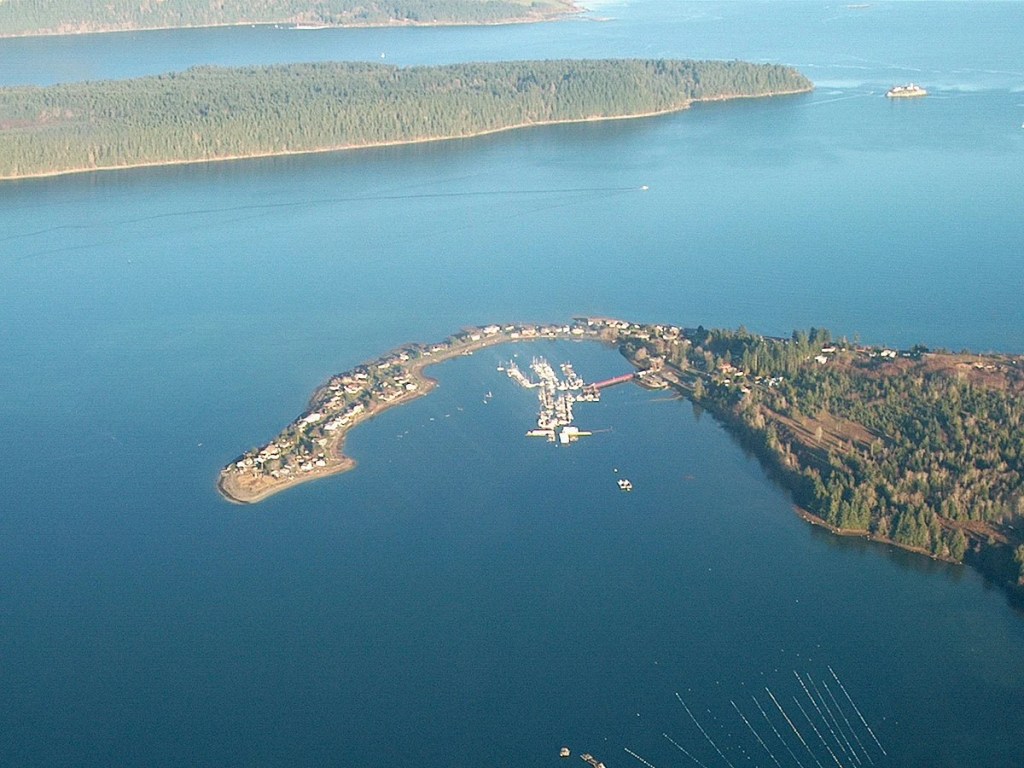
Baynes Sound provides an ideal environment for oyster cultivation thanks to nutrient-rich waters and moderate salinity levels. The sound’s connection to the Strait of Georgia ensures steady influx of clean saline water for nutrition and growth. Temperate climate and protective island geography shield oysters from harsh weather and strong currents.
Sustainable farming practices are a hallmark of the region, focusing on ecological balance and oyster health. Farmers utilize bag-to-beach cultivation and floating gear to optimize growth conditions and diet exposure. Supportive community and research institutions continuously improve oyster farming methods across the sound.
Thus Baynes Sound remains a premier location for high-quality oysters with exceptional flavor and texture. Denman Island farms benefit directly from this shared water body and regional management culture. Buyers sourcing Denman Island oysters receive stock shaped by these coastal conditions and farmer practices.
Suggested Beverage Pairings
Allagash White’s citrus notes, coriander, and Curacao orange peel pair well with Denman Island oysters. This beer’s light and refreshing profile makes it an excellent match for the oysters’ delicate taste.
Oyster Bay Sauvignon Blanc from Marlborough has vibrant tropical fruit and freshly cut grass notes. This profile pairs well with the clean and sweet flavor of Denman Island oysters. Crisp acidity helps cut through the oysters’ richness.
Guinness Draught provides smooth creamy contrast to Denman Island oyster texture. Roasty stout flavors offer a pleasant counterpoint to salinity. The combination brings out the best in both beer and British Columbia half shells.
MaiMai Sauvignon Blanc brings light acidity and earthy notes beside Denman Island sweetness. Crisp New Zealand white balances briny depth on Gulf Islands cups. Harmonious blend reminiscent of root-vegetable undertones in the liquor.
A Paloma with light tequila provides refreshing citrus beside Denman Island creamy texture. Grapefruit juice slices through richness and enhances subtle cup flavors. Effervescence and acidity make an invigorating half-shell pairing.
Where Can I Buy Denman Island Oysters?
You can buy Denman Island Oysters from the following sources:
- Fanny Bay Oysters Seafood Shop — Buckley Bay Ferry Terminal shop for Denman Island crossing, stocking Baynes Sound oysters including Denman Island lines.
- Mac’s Oysters Ltd. — Baynes Sound shellfish grown between Denman Island and Vancouver Island, including Denman Island stock.
References
- Fanny Bay Oysters Seafood Shop — Denman Island Oysters. Web. Accessed 30 May 2026. https://www.fannybayoysters.com/location/seafood-shop
- Mac’s Oysters Ltd. — Denman Island Oysters. Web. Accessed 30 May 2026. https://macsoysters.com/31-2/
Discover more from The Oyster Encyclopedia
Subscribe to get the latest posts sent to your email.