


Chef’s Notes
Mason Bostwick · Executive Chef
European flat oyster
Bouzigues — Bouzigues — Strong minerality — clean. A solid farmed european flat oyster.
Flavor chart
Chef palate read
Shuckability
Shell & line performance
When I buy it
Look for Bouzigues Oysters in autumn when salinity peaks.
How I serve it
On the half shell with minimal garnish — let the oyster speak.
What to watch for
Full brine with clean finish. Reject any with broken shells or milky liquor.
My read
Strong minerality — clean. A solid farmed european flat oyster.
What Are Bouzigues Oysters?
Bouzigues oysters are a prized variety cultivated exclusively in the Étang de Thau, a large Mediterranean lagoon near the village of Bouzigues in southern France. They are farmed using the tables élevées method, where oysters are suspended on ropes hanging from trestles just below the water surface. This method protects them from sediment and predators while allowing efficient filter feeding on abundant plankton, resulting in a firm, meaty texture with balanced salinity and vegetal notes 241.
Unlike Atlantic oysters, Bouzigues oysters benefit from the lagoon’s unique environment—a blend of seawater and freshwater with high salinity (35–38 ppt) and minimal tidal movement. This environment supports the development of thick shells, consistent cup depth, and a distinctive briny, slightly iodized flavor with hazelnut undertones 243. Growers raise them as European flat oysters (Ostrea edulis), the native species farmed across the Étang de Thau.
Bouzigues oysters are prized for their clean cup and bold marine character at the raw bar. Peak harvest runs year-round, with many producers favoring autumn through early spring when meat fills the shell. That steady supply has made them a fixture on menus from Sète to Paris and in specialty seafood shops abroad.
How Did Bouzigues Oysters Get Their Name?
The oysters are named after the village of Bouzigues, located on the northern shore of the Étang de Thau. This small Mediterranean community sits at the heart of France’s lagoon oyster trade. Diners worldwide recognize the place name on menus and market tags.
Oyster farming began here in the early 20th century (around 1925) with the innovative technique of attaching young oysters to ropes suspended in the lagoon waters—a necessity due to the lack of tides in the lagoon 25. That rope-suspension approach defined how growers worked the shallow pond. Over time, the name “Bouzigues oysters” became synonymous with oysters farmed in this traditional Mediterranean lagoon environment.
The Cultivation Process
Farmers raise Bouzigues oysters on ropes suspended from steel or wooden trestles (tables élevées) just below the water surface. This suspension culture method, unique to the Mediterranean lagoon, allows oysters to remain permanently immersed, promoting even growth and protecting them from sediment and predators. Growers typically allow a two- to three-year grow-out before the shell reaches market size.
The ropes are regularly monitored and rotated to ensure uniform size and shell shape. This careful handling yields oysters with firm meat, mineral-rich flavor, and deep cups. The practice also enables year-round harvesting, so chefs can plate Bouzigues oysters outside traditional R-month windows 246.

About TSA Les Demoiselles de Bouzigues
TSA Les Demoiselles de Bouzigues is a well-known cooperative of oyster farmers based in the village of Bouzigues, France. Formed in the late 20th century, the cooperative’s goal is to unite traditional shellfish producers under a shared label focused on quality, sustainability, and heritage.

The name “Les Demoiselles de Bouzigues” honors the women who historically played key roles in the region’s oyster farming. Today, the group includes several families working side by side to preserve and promote this artisanal craft.
The cooperative manages logistics, branding, and distribution, while each farmer independently raises their oysters. Together, they maintain high standards by following best aquaculture practices, including careful rope rotation, consistent size grading, and frequent water quality testing. They harvest oysters year-round, with peaks from autumn to early spring.
TSA also prioritizes education and transparency. They host tours, tastings, and workshops that help visitors understand the Bouzigues method and the ecological value of the Étang de Thau. This approach builds trust and keeps the legacy of Bouzigues oysters alive
Follow Them
Discover more about TSA Les Demoiselles de Bouzigues by visiting their official website and following them on social media. See how tradition and taste come together in every oyster.
Bouzigues Oysters Information
European flat oyster
Oyster: Bouzigues
Species: European Flat (Ostrea edulis)
Cultivation Method: Farmed; 2 to 3 years grow-out period
Size: 2.5” – 4”
Seasonality: Year-round (October to April peak)
Culture Method: Grown on ropes suspended from raised trestles. Regular rotation ensures uniform size and shell shape.
Salinity: 35–38 ppt (typical for Étang de Thau waters)
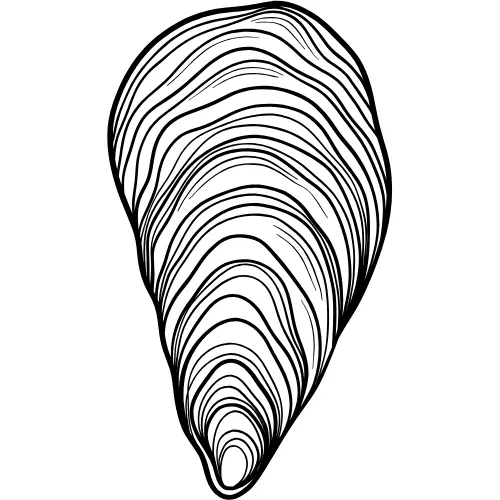
Appearance: thick, irregular shells with pronounced ridges and a slightly cupped shape. Their exterior varies in color from gray to greenish-brown, often with pink or purple highlights. The interior shell is smooth and ivory-white with a glossy finish.
Flavor Profile:a bold, briny flavor with a crisp saline bite. They offer subtle notes of hazelnut, seaweed, and a vegetal finish. The meat is firm, juicy, and leaves a clean, lingering aftertaste.
If you like Bouzigues Oysters, then check out these similar varieties!
Location
Bouzigues oysters are cultivated exclusively in the Étang de Thau, the largest lagoon on France’s Mediterranean coast, spanning about 7,500 hectares. The pond stretches behind the coastal towns of Sète, Marseillan, and Bouzigues in the Hérault department. Port de Loupian and nearby harbors serve as common landing points for farmed shellfish from the basin.
This unique location allows for a delicate balance of saline ocean water and nutrient-rich freshwater, creating an ideal environment for oyster farming. Canal links to the Mediterranean feed the lagoon while rivers and rainfall add plankton-rich freshwater. That steady mixing supports the dense phytoplankton schools that Bouzigues oysters filter from the water column.
Shallow depths and limited tidal fluctuation keep oyster gear submerged without the pounding surf found on open Atlantic coasts. Salinity in the basin typically holds between 35 and 38 parts per thousand, close to open-sea levels. Regional water-quality monitoring and EU aquaculture standards help protect shellfish health across the pond.
Environmental Factors
The lagoon supports dense populations of phytoplankton, the oysters’ primary food source. Shallow depths and high sunlight exposure promote rapid plankton growth, especially in spring and autumn. These conditions lead to fast oyster development and enhance flavor complexity. The constant food supply results in plump, meaty oysters with a distinct briny intensity.
Salinity levels in Étang de Thau typically range from 35 to 38 parts per thousand. These stable levels mirror open-sea conditions while allowing oysters to filter feed without stress. The mild Mediterranean climate also plays a role. Warm summers, mild winters, and limited tidal fluctuation extend the growing season and reduce mortality rates.
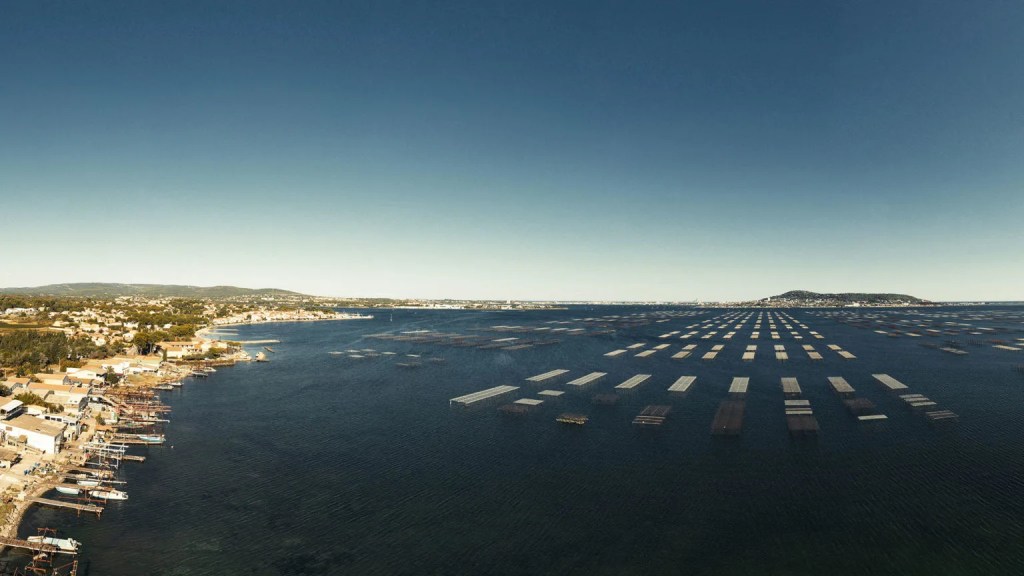
The location’s natural protection from ocean turbulence enables suspended rope cultivation. Calm waters help oysters grow with deeper cups and more uniform shells. Regional water quality monitoring and EU aquaculture standards further support oyster health and sustainability. This unique mix of environmental features makes the Étang de Thau one of the most productive and respected oyster-growing regions in France1247.
This guide is part of the Raw Bar Bible — chef-level technique, safety, and gear so you can shuck and serve oysters with confidence.
Suggested Beverage Pairings
This crisp white wine from nearby vineyards offers citrus and saline notes that mirror the oyster’s briny freshness. Its acidity cuts through the oyster’s rich texture, enhancing each bite.
This Loire Valley Sauvignon Blanc delivers minerality and herbal sharpness. It highlights the vegetal finish of Bouzigues oysters without overwhelming their subtle nutty depth.
Dry and elegant, this Champagne provides effervescence and acidity that balance the oyster’s bold brine. It refreshes the palate between bites, making it perfect for a platter.
This slightly sweet ale with floral and spice notes complements the oyster’s salt and hazelnut tones. Its soft carbonation doesn’t overpower the delicate shellfish flavor.
Made with gin, Cointreau, Lillet Blanc, lemon juice, and a dash of absinthe, this classic cocktail has a citrusy zing and botanical complexity. It adds contrast to the oyster’s marine character while cleansing the palate.
Where Can I Buy Bouzigues Oysters?
- Real Oyster Cult – This vendor offers rotating selections of premium oysters, including Bouzigues when in season. Orders ship overnight in eco-friendly, chilled packaging to preserve freshness.
- Maison Boutarin – A French gourmet supplier that occasionally lists Bouzigues oysters during peak months. They ship within France and the EU, with options for curated seafood boxes.
- Poissonnerie Paon – A trusted French fishmonger based in Sète, near the Étang de Thau. They sell Bouzigues oysters online with direct-to-consumer delivery throughout France.
- Oysters-Express – Specializing in French oysters, this online shop ships Bouzigues oysters to many European countries. Orders include traceability info and suggested storage tips.
References
- IFREMER – Institut Français de Recherche pour l’Exploitation de la Mer. “Étang de Thau.” IFREMER, www.ifremer.fr. Accessed 26 May 2025.
- Tourisme Archipel de Thau. “Oyster Farming in Thau Lagoon.” Thau Méditerranée, www.thau-mediterranee.com. Accessed 26 May 2025.
- Hérault Tribune. “Bouzigues: Le berceau de l’ostréiculture.” Hérault Tribune, www.herault-tribune.com. Accessed 26 May 2025.
- Marine Regions. “Salinity of Mediterranean Waters.” MarineRegions.org, www.marineregions.org. Accessed 26 May 2025.
- Wine Enthusiast Magazine. “Picpoul de Pinet and Seafood Pairing.” Wine Enthusiast, http://www.winemag.com. Accessed 26 May 2025.
- Les Demoiselles de Bouzigues. Official Website, http://www.lesdemoisellesdebouzigues.fr. Accessed 26 May 2025.
- Domaine Felines Jourdan. Picpoul de Pinet, www.felines-jourdan.com. Accessed 26 May 2025.Henri Bourgeois. Sancerre Les Baronnes, www.henribourgeois.com. Accessed 26 May 2025.
- Delamotte Champagne. Brut NV, www.champagne-delamotte.com. Accessed 26 May 2025.Brasserie d’Achouffe. La Chouffe Blonde, www.achouffe.be. Accessed 26 May 2025.
- Difford’s Guide. “Corpse Reviver #2.” Difford’s Guide, www.diffordsguide.com. Accessed 26 May 2025.
- Real Oyster Cult. Online Store, www.realoystercult.com. Accessed 26 May 2025.
- Maison Boutarin. Boutique en ligne, www.maisonboutarin.fr. Accessed 26 May 2025.
- Poissonnerie Paon. Huîtres de Bouzigues, www.poissonnerie-paon.fr. Accessed 26 May 2025.
- Oysters-Express. French Oyster Shipping, http://www.oysters-express.com. Accessed 26 May 2025.
Discover more from The Oyster Encyclopedia
Subscribe to get the latest posts sent to your email.