


Chef’s Notes
Mason Bostwick · Executive Chef
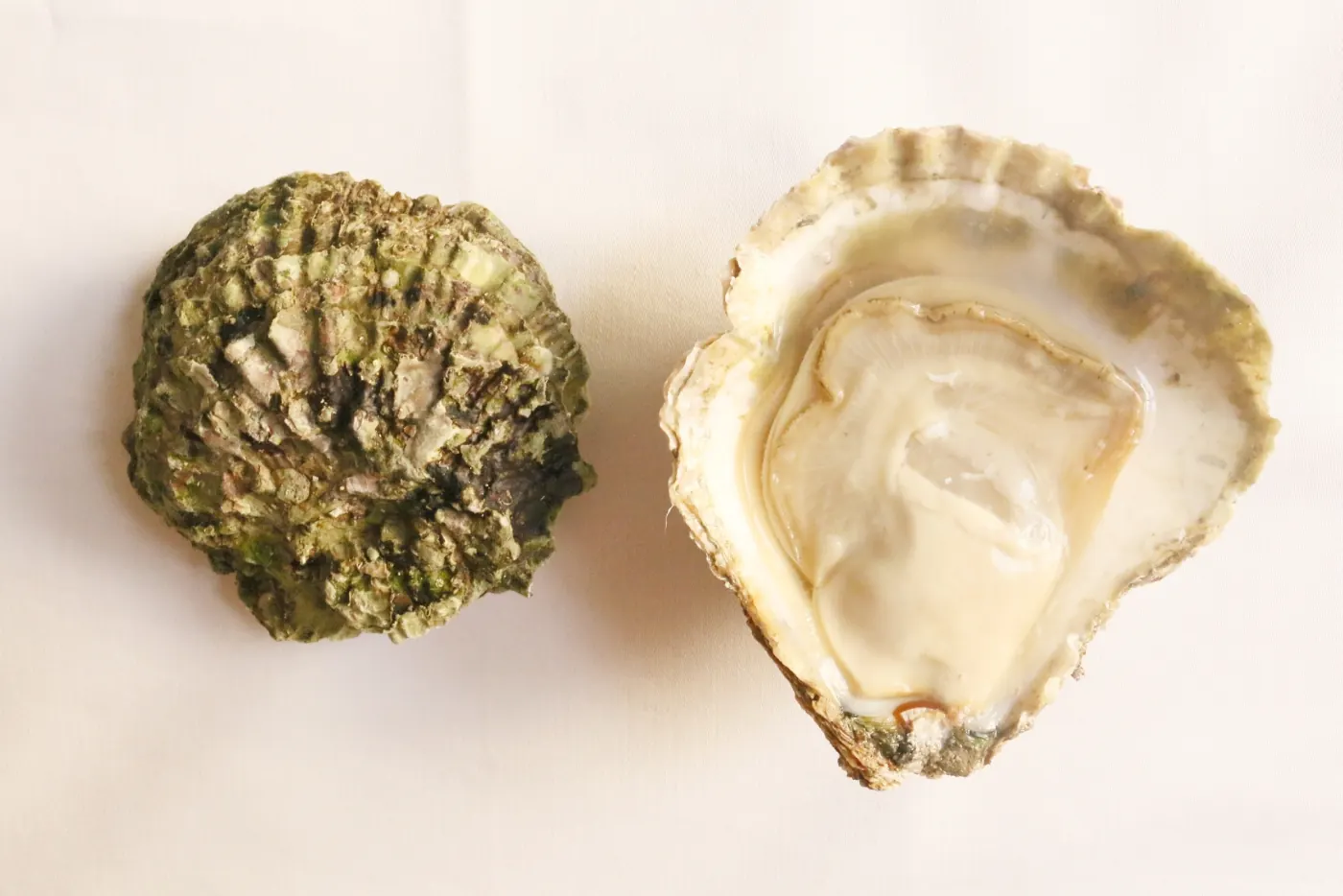
European flat oyster
Fal Native — Wild Ostrea edulis from the River Fal Estuary PDO. Bright brine, cucumber lift, and a coppery close from sail-boat dredge harvests.
Flavor chart
Chef palate read
Shuckability
Shell & line performance
When I buy it
Ask for Fal Native or River Fal PDO tags from October through March, not a generic Cornish native lot. Prefer sail-dredge fishery packs tied to Fal Oyster Ltd or licensed Fal oystermen. Confirm harvest week when winter weather slows landings.
How I serve it
Plate Fal Native flats on crushed ice with virgin liquor intact. Skip heavy mignonette so cucumber and copper stay readable. Menu copy should cite River Fal PDO when the tag supports it.
What to watch for
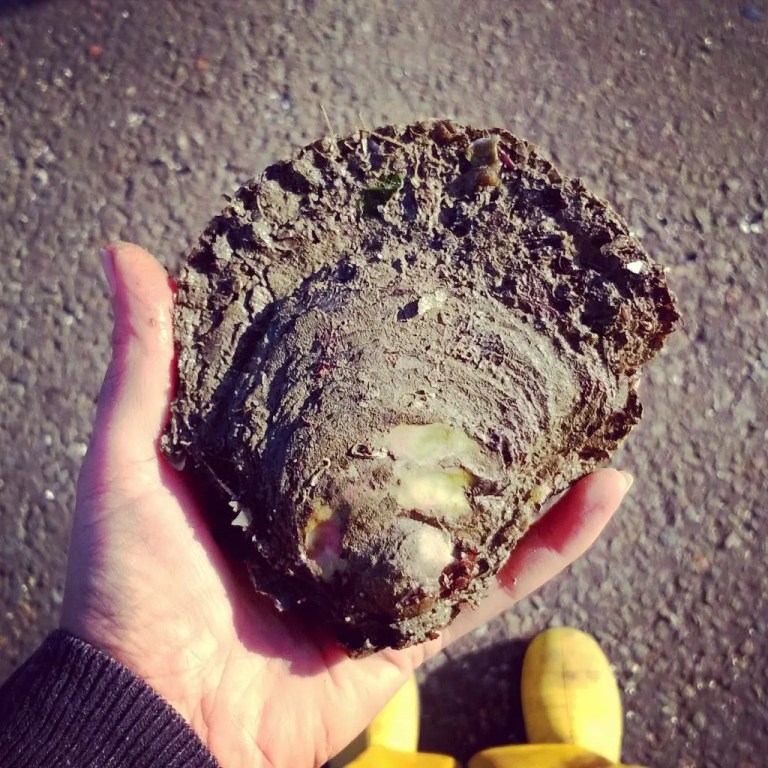
Wild flats run irregular shells with firmer meat than Pacific cups. Reject cracked lips or milky liquor after warm holding. Flat hinges take patience — budget line time for denser River Fal shells.
My read
Fal Native is the last traditional sailing-fleet native fishery on the Fal. Bright brine, melon-cucumber mid-palate, coppery earthy finish. Treat it as a seasonal PDO specialty, not a year-round Pacific substitute.
What Are Fal Native Oysters?
Fal Native Oysters stand out because they grow wild in a unique estuarine environment that few oysters can claim. Unlike farmed oysters, these natives develop naturally in the River Fal Estuary’s nutrient-rich waters. This slow, wild growth creates a firmer texture and a more complex flavor profile than many cultivated oysters. Their natural development also means they reflect the distinct characteristics of their environment, making each oyster a true taste of Cornwall’s coastal waters.
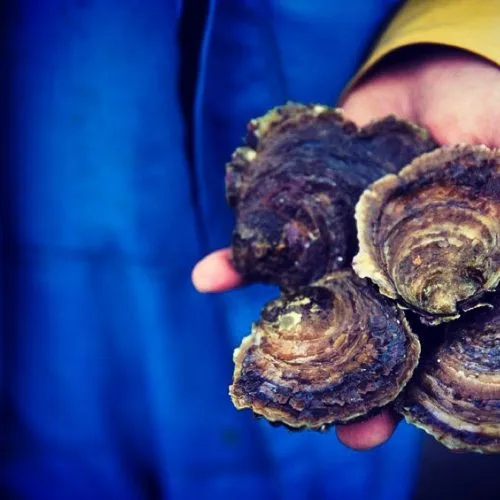
The traditional harvesting methods further distinguish Fal Native Oysters. Fishermen use sail or oar-powered boats, avoiding mechanized equipment that could damage oyster beds. This hands-on approach preserves the delicate ecosystem and maintains the fishery’s sustainability. The seasonal harvesting window from October to March ensures the oysters mature fully and the population remains healthy, which is rare among oyster fisheries worldwide.
Fal Native Oysters also carry a Protected Designation of Origin (PDO), which legally restricts their name to oysters harvested only from the River Fal. This status guarantees authenticity and protects the cultural heritage tied to these oysters. It also means consumers receive a product with a consistent quality and provenance, unlike many oysters sold under generic labels. This combination of wild origin, traditional methods, and legal protection makes Fal Native Oysters truly unique in the oyster world.
How Did Fal Native Oysters Get Their Name?
Fal Native Oysters take their name from the River Fal Estuary, the only place in the world where they are harvested. The estuary’s name is synonymous with a centuries-old oyster fishery that remains vital to the region’s identity. Cornwall merchants began using the Fal label to distinguish these wild natives from Pacific imports sold elsewhere.
The term “Native” highlights that these oysters are indigenous to the area, as opposed to introduced or farmed species. Over generations, the reputation of Fal Native Oysters has grown, making their name a mark of authenticity and quality. That word signals buyers they are getting true Ostrea edulis from subtidal Fal beds.
The Protected Designation of Origin status further ties the oyster’s identity to its unique environment. Only oysters harvested from the Fal Estuary can be sold as Fal Native Oysters, ensuring their legacy and exclusivity. The PDO name now protects both the fishery and the cultural heritage tied to sail-powered dredging on the Fal.
Wild Harvest on the River Fal
Fal Native Oysters are exclusively wild-caught. Fishermen in the River Fal Estuary use lightweight dredges, which they tow by hand from sail or oar-powered boats. This sustainable approach protects the delicate oyster beds and supports long-term ecological health.
Harvesting is strictly seasonal, limited to October through March. Oysters that do not meet the minimum size are returned to the water, supporting population stability. The slow growth rate, often several years, results in a firmer, more flavorful oyster.

Challenges include unpredictable weather and the slow maturation process. Despite these obstacles, local fishermen’s dedication keeps the tradition alive and the oyster population healthy. Licensed oystermen also lead restoration efforts to enhance native oyster numbers across the estuary.
Follow Them
Follow Fal Native Oysters through Fal Oyster Ltd in Mylor for PDO Cornish Native and River Fal harvest notes. Their Fal Oyster PDO page explains sail-boat gathering on the estuary. Updates also appear on @FalOyster when the winter fishery is open. Ask UK fishmongers for River Fal PDO tags rather than generic Cornish native lots.
Fal Native Oysters Information

European flat oyster
If you like Fal Native Oysters, then check out these similar varieties!
Location
Fal Native Oysters are not farmed but wild-harvested exclusively from the River Fal Estuary in Cornwall, England. The estuary stretches inland from Falmouth, one of the world’s deepest natural harbors. That sheltered reach creates the subtidal beds where these PDO oysters have thrived for centuries.
This protected waterway provides ideal conditions for natural oyster beds to thrive. The estuary features a unique mix of fresh and saltwater, creating a nutrient-rich environment that supports robust oyster development. Strict seasonal limits and sail-only dredging rules help preserve that balance year after year.
The Fal Estuary’s sheltered geography shields oyster beds from harsh ocean conditions while maintaining excellent water circulation. This balance allows oysters to feed efficiently on the abundant phytoplankton without expending excessive energy fighting currents. The estuary’s substrate-a combination of mud, gravel, and sand-provides perfect anchoring points for oysters to attach and grow undisturbed.
Tidal movements in the Fal Estuary deliver a consistent supply of nutrients and oxygen to the oyster beds. The water’s high mineral content contributes to the oysters’ distinctive flavor profile. Additionally, the estuary’s relatively stable temperature range throughout the year creates favorable conditions for the European flat oyster species to develop at a natural pace.

The strict environmental protections and harvesting regulations in place for the Fal Estuary have preserved water quality and prevented overharvesting. Traditional harvesting methods using only sail or oar-powered boats minimize disruption to the ecosystem. This careful management has allowed the wild oyster population to sustain itself for centuries, making the Fal Estuary one of the most productive natural oyster habitats in Europe.
Suggested Beverage Pairings
Cornish bubbles cut the bright brine on Fal Native Oysters without masking cucumber lift. Fine mousse resets the coppery finish between wild River Fal cups. Serve ice-cold beside October–March PDO lots.
Smooth malt softens the earthy copper close on Fal Native Oysters from the Fal Estuary. Moderate bitterness keeps wild brine readable on firm flat meats. A Cornish amber ale for cold-season raw-bar pours.
Cucumber botanicals echo the vegetal mid-palate on Fal Native Oysters. An extra-dry martini keeps River Fal minerality forward. Sip between shells so gin does not drown the copper finish.
Bright acidity lifts the salty opening on Fal Native Oysters from Cornwall. Minerality mirrors wild estuarine cups before melon and cucumber notes. Keep the pour cold for PDO half-shell service.
Creamy roast stout contrasts firm Fal Native Oyster meats from sail dredges. Bitterness frames the coppery depth without flattening River Fal brine. Classic stout pairing for winter native flats.
Where Can I Buy Fal Native Oysters?
- Simply Oysters – Simply Oysters offers live Cornish Native Oysters, including Fal Natives, in a range of sizes. They ship oysters cleaned and purified for freshness, with next-day delivery available across mainland UK.
- Fal Oyster Ltd. – Fal Oyster Ltd. specializes in wild Cornish Native Oysters from the River Fal Estuary, holding Protected Designation of Origin certification. They sell directly to customers and deliver across the UK.
- The Cornish Fishmonger – The Cornish Fishmonger supplies fresh Cornish Native Oysters sourced from local estuaries. Oysters are vacuum-packed for freshness and shipped nationwide, with next-day delivery on qualifying orders.
- Bones Entertainment – Bones Entertainment provides Native Cornish Oysters by the dozen, sourced from Falmouth and nearby waters. They offer both unopened and shucked oysters, as well as oyster knives for convenience.
References
- Simply Oysters. “Cornish Native Oysters” (includes Fal Native / River Fal stock). Simply Oysters, www.simplyoysters.com/cornish-native-oysters/. Accessed 1 May 2025.
- Fal Oyster Ltd. “Shop — Fal Native / Cornish Native Oysters from the River Fal.” Fal Oyster Ltd., www.faloyster.co.uk/shop/. Accessed 1 May 2025.
- “Cornish Native Oysters.” The Cornish Fishmonger, thecornishfishmonger.co.uk/oysters/cornish-native-oysters.html. Accessed 1 May 2025.
- “Native Cornish Oysters.” Bones Entertainment, bonesentertainment.co.uk/product/native-cornish-oysters/. Accessed 1 May 2025.
- “Camel Valley Brut.” Camel Valley Vineyard, www.camelvalley.com. Accessed 1 May 2025.
- “Doom Bar Amber Ale.” Sharp’s Brewery, www.sharpsbrewery.co.uk/beers/doom-bar. Accessed 1 May 2025.
- “Hendrick’s Gin.” Hendrick’s Gin, www.hendricksgin.com. Accessed 1 May 2025.
- “Picpoul de Pinet.” Les Costières de Pomerols, www.lescostieresdepomerols.com. Accessed 1 May 2025.
- “Guinness Draught.” Guinness, www.guinness.com/en/our-beers/guinness-draught. Accessed 1 May 2025.
Discover more from The Oyster Encyclopedia
Subscribe to get the latest posts sent to your email.