



Chef’s Notes
Mason Bostwick · Executive Chef
Pacific oyster
Lindisfarne — Holy Island trestles — Gentle North Sea brine with buttery melon and metallic-sweet finish. A slow-grown Pacific cup from the National Nature Reserve mudflats.
Flavor chart
Chef palate read
Shuckability
Shell & line performance
When I buy it
Order from Lindisfarne Oysters Ltd after the 42-hour depuration cycle — Ross Farm ships year-round with Saturday UK delivery when intertidal tides allow.
How I serve it
Half shell with lemon and nothing else — the melon-cucumber core and metallic-sweet finish carry the plate on their own.
What to watch for
Look for deeply cupped grey-brown shells with full liquor and a clean metallic-sweet swallow. Reject cracked cups or milky liquor after warm holding.
My read
Gentle brine, buttery melon, and a silky mineral finish — less salt-forward than many British Pacifics, with real Holy Island character.
What Are Lindisfarne Oysters?
Lindisfarne oysters stand out for their unique cultivation environment and flavor profile. Grown in the tidal flats of Lindisfarne, Northumberland. Unlike many other British oysters, Lindisfarne oysters offer a bold taste without the pronounced saline.
The slow-growing conditions of the cold North Sea contribute to the oyster’s crisp texture and lingering aftertaste. This extended maturation allows the oysters to develop a subtly sweet and nutty flavor, setting them apart from the faster-growing. Their unique “lazy” growth in shallow.
Adding to their distinction, Lindisfarne oysters come from one of the world’s oldest oyster farming sites. The combination of historical cultivation methods, a protected natural reserve setting. Chefs often note a buttery melon finish that sets them apart from sharper, salt-forward British oysters on the half shell.
How Did Lindisfarne Oysters Get Their Name?
Lindisfarne Oysters derive their name from Holy Island, also known as Lindisfarne, where they spawn. The island is famous for its medieval monastery and rich maritime history. Historical records show that in 1381, monks from Lindisfarne Priory purchased a boatload of oysters. The name “Lindisfarne Oysters” honors this long-standing tradition and the unique terroir of the island’s coastal waters.
Over the centuries, the oyster beds have passed through various hands. The Sutherland family revived commercial oyster farming in 1989, continuing the Lindisfarne name and legacy 5 7. Today the brand still signals Holy Island heritage and Northumberland coastal character on menus across the United Kingdom.
About Lindisfarne Oysters Ltd
Lindisfarne Oysters are cultivated by Lindisfarne Oysters Ltd, a family-run company based at Ross Farm near Holy Island in Northumberland. John and Heather Sutherland founded the company in 1989 after discovering old oyster shells on their land at low tide. In 2003, their son Christopher Sutherland and his wife Helen took over the business, continuing its tradition of hands-on.
The Sutherland family still manages daily work on the same intertidal shoreline where monks once harvested shellfish. The company operates within the Lindisfarne National Nature Reserve. Oysters begin life in a hatchery and, once they reach a small size.
Lindisfarne Oysters Ltd maintains high standards of quality and safety. Their oysters carry the Northumberland County Council EHO Healthmark and are members of the Shellfish Association of Great Britain. The tides shape the company’s operations, requiring workers to regularly clean, grade, and turn the oysters for optimal growth.
Follow Them
Visit the Lindisfarne Oysters Ltd website for Ross Farm ordering, depuration schedules, and Holy Island farm background. Follow the Sutherland family operation on Facebook and Instagram for trestle harvest photos and Northumberland tide-window updates. Discover Seafood UK profiles the farm’s 700-year shellfish heritage at Discover Seafood. That profile covers grow-out and sustainability on the National Nature Reserve site.
Lindisfarne Oysters Information

Pacific oyster
If you like Lindisfarne Oysters, then check out these similar varieties!
Location
Farmers cultivate Lindisfarne oysters on the seashore within the Lindisfarne National Nature Reserve. The oysters grow in mesh bags placed on intertidal trestles. This location provides a pristine, unspoiled environment that is protected from industrial activity. The reserve setting limits disturbance while supplying steady tidal exchange across the mudflats. For another farmed Pacific with a distinct regional profile, see Blackwater Native Oysters.
Environmental Factors
Several environmental factors make this site ideal for oyster farming. The intertidal zone experiences regular tidal movements. Salinity levels typically range from 32 to 35 parts per thousand. That range supports Pacific oyster health and flavor development. Cool North Sea temperatures slow growth, allowing firmer texture and more concentrated flavor over three to four years.
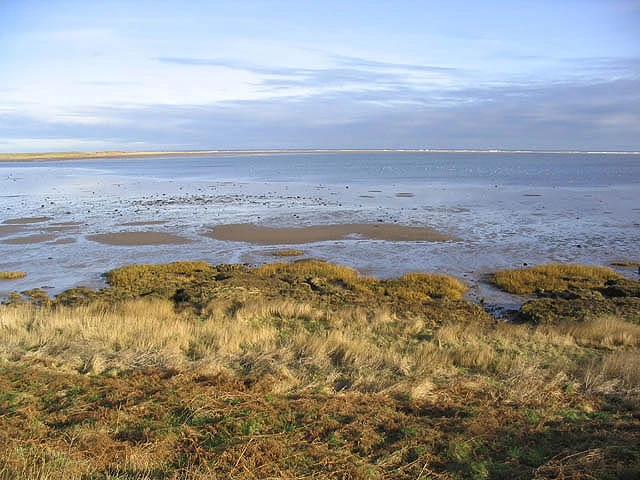
The firm, sandy-mud seabed offers stability for trestles and mesh bags while minimizing sedimentation that could smother the oysters. Free water exchange, minimal pollution, and low disease pressure allow the shellfish to thrive. Together, clean water, ideal salinity, and nutrient-rich currents support the crop.
Suggested Beverage Pairings
Veuve Clicquot Brut brings crisp acidity and fine bubbles beside Lindisfarne sweet-salty Holy Island cups. Citrus and green apple contrast enhances natural Northumberland sweetness.
William Fèvre Chablis Premier Cru offers bright tangy acidity and mineral notes beside Lindisfarne briny profile. Unoaked Burgundy highlights subtle Holy Island sweetness cleanly.
Allagash White delivers subtle citrus beside Lindisfarne green melon and cucumber notes. Light Belgian wheat beer refreshes without overpowering delicate Northumberland cups.
Valdespino Family Manzanilla Sherry mirrors Lindisfarne high salinity with briny saline qualities. Dry sherry acidity cuts richness and enhances Holy Island tasting experience.
Hendrick’s Gin Martini brings cucumber and floral botanicals beside Lindisfarne delicate flavors. Crisp clean finish contrasts brininess and mineral Northumberland finish refreshingly.
Where Can I Buy Lindisfarne Oysters?
You can buy Lindisfarne Oysters from the following sources:
- Lindisfarne Oysters Ltd — Order direct from Ross Farm with 42-hour depuration, chilled UK dispatch, and Saturday delivery when tides allow.
- Butcher & Catch — UK seafood retailer shipping fresh Lindisfarne Pacific cups from Holy Island with insulated mainland delivery.
- The Whitby Catch — North Yorkshire fishmonger listing live Lindisfarne oysters for coastal UK customers seeking Northumberland stock.
- The Berwick Shellfish Co. — Berwick-upon-Tweed shellfish merchant carrying local Lindisfarne oysters alongside other Northumberland coast half-shell options.
Stay Connected with The Oyster Encyclopedia!
Follow us on social media to get the latest updates, oyster recipes, and behind-the-scenes glimpses into the world of oysters:
Stay tuned for exclusive content, oyster trivia, and more! Engage with our vibrant community of oyster enthusiasts by liking, commenting, and sharing our posts. Your support helps us continue providing valuable oyster knowledge to fellow seafood lovers worldwide.
References
- Lindisfarne Oysters. Lindisfarne Oysters Official Website. https://www.lindisfarneoysters.co.uk/ Accessed April 27, 2025.
- The Whitby Catch. Live Lindisfarne Oysters. https://www.thewhitbycatch.co.uk/shop/shellfish/live-lindisfarne-oysters/ Accessed April 27, 2025.
- The Berwick Shellfish Co. Local Lindisfarne Oysters. https://berwickshellfish.com/collections/oysters Accessed April 27, 2025.
- Butcher & Catch. Lindisfarne Oysters. https://www.butcherandcatch.co.uk/lindisfarne-oysters/ Accessed April 27, 2025.
Discover more from The Oyster Encyclopedia
Subscribe to get the latest posts sent to your email.