


Chef’s Notes
Mason Bostwick · Executive Chef
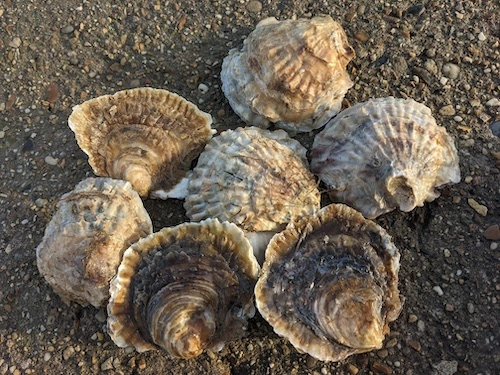
European flat oyster
Blackwater Native from the Blackwater Estuary reads bold brine with sweet, nutty undertones and a clean finish. Rack-and-bag culture in Essex creeks yields deep-cupped Ostrea edulis over a four-to-five-year grow-out. A benchmark UK native flat for R-month raw service.
Flavor chart
Chef palate read
Shuckability
Shell & line performance
When I buy it
I order Blackwater Natives off the Tollesbury and Mersea Island grounds during the R-months, September through April. I want CEFAS-purified flats with tightly closed, heavy shells and full liquor after their four-to-five-year grow-out.
How I serve it
Raw on the half shell, ice-cold, with nothing more than a squeeze of lemon. A bold, mineral Ostrea edulis like this earns a bare plate — mignonette only if a guest asks.
What to watch for
Reject shells with ammonia or iodine off-aromas, broken cups, or milky liquor. Buy in R-months (September through April) for peak native-flat condition.
My read
Bold oceanic brine up front, then the sweet, nutty, faintly metallic middle that marks a proper native flat, closing clean and crisp. One of the UK’s benchmark Ostrea edulis — a 500-year Essex estuary tradition in the shell.
What Are Blackwater Native Oysters?
Blackwater Native Oysters, cultivated in the nutrient-rich waters of Tollesbury and Mersea Island, represent some of the finest oysters in the world. These oysters belong to the species Ostrea edulis , also known as European flat oysters, which are renowned for their delicate texture and complex flavor profile. Their cultivation in the Blackwater Estuary benefits from centuries of oyster farming tradition, dating back over 500 years.
What sets Blackwater Native Oysters apart is their exceptional quality and flavor. The estuary’s unique combination of high salinity, abundant plankton, and tidal flows creates the perfect environment for these oysters to thrive. This results in a briny taste with sweet and nutty undertones that distinguish them from other varieties.
Blackwater Native Oysters are also celebrated for their sustainability. They are farmed using environmentally friendly methods that enhance water quality and preserve marine ecosystems. Their availability is limited to months with an “R” (September to April), ensuring optimal freshness and flavor.
How Did Blackwater Native Oysters Get Their Name?
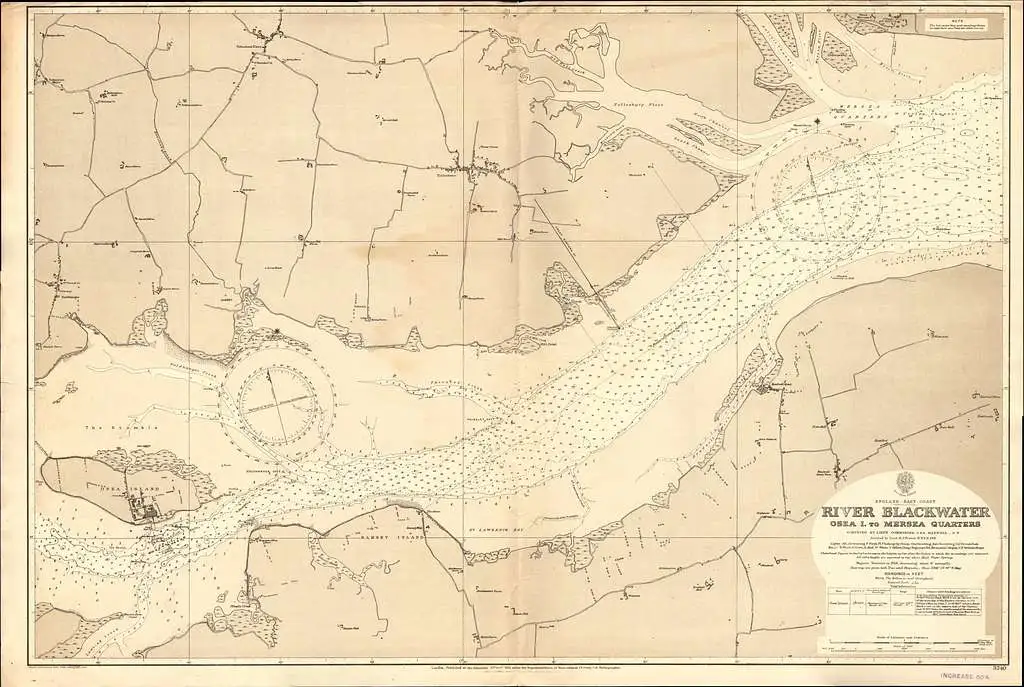
The name “Blackwater Native Oysters” reflects their origin in the Blackwater Estuary, located in Essex, England. The estuary’s name comes from its dark, nutrient-rich waters, which provide an ideal habitat for oyster cultivation. These waters have supported oyster farming for centuries, making the name synonymous with high-quality shellfish.
The term “Native” distinguishes these oysters as part of the Ostrea edulis species, which is indigenous to European waters. This differentiates them from Pacific Rock oysters (Crassostrea gigas), another variety cultivated in the same region. The emphasis on “Native” underscores their historical and ecological significance as a traditional British delicacy.
About Blackwater Oysters Ltd.
Blackwater Oysters is a privately owned company managed by William Baker, who has extensive experience in the oyster industry. William learned his trade in the late 1970s working for one of the oldest oyster farming families in Essex.
Since the early 1980s, he has managed his own oyster business and is a former director of a large oyster organization. His expertise is well recognized on the local waterfronts in West Mersea and Tollesbury, where he is known not only as an oysterman but also as a businessman and sailor. William is involved in organizing traditional working-boat sailing events and the West Mersea oyster dredging match, which showcases his deep connection to the local maritime culture 1.
Blackwater Oysters also runs a privately owned depuration plant in Tollesbury, where the oysters are cleaned, stored, and packed for market. This facility is crucial for ensuring the quality and safety of the oysters by using filtration and purification processes. The company’s goal is to continue providing premium quality oysters in a sustainable environment, drawing on William Baker’s 40 years of experience in the industry 3.

The region where Blackwater Oysters operates is historically significant for oyster cultivation. The Essex estuaries, including the Blackwater, have been designated as a Marine Conservation Zone (MCZ) since 2013, aiming to restore native oyster populations. This initiative involves collaboration between oystermen, government, conservationists, and academia to create self-sustaining oyster populations. The Blackwater oyster fishery plays a role in this conservation effort by providing mature oysters for translocation to restoration sites 2.
Follow Them
Ready to dive into the world of premium oysters? Check out Blackwater Oysters Ltd‘s official website at blackwateroysters.co.uk to explore their range of Native and Pacific Gigas oysters. Stay updated on their latest news and behind-the-scenes insights by following their social media profiles. Experience the rich history and quality of Essex’s finest oysters today!
About Blackwater Oysters
Farmers cultivate Blackwater Native Oysters on Mersea Island and around Tollesbury in Essex. Their farmed program uses rack, bag, or bottom culture in nutrient-rich estuary creeks. Growers allow each oyster four to five years to reach market size. Sustainable practices support water quality across the Blackwater Estuary. These methods align with a farming tradition that spans more than five hundred years.
Purification at a CEFAS-approved facility in Tollesbury ensures safety before sale. Harvest follows the classic months-with-an-R rule from September through April. That schedule keeps each native flat oyster at peak freshness for chefs and retail buyers. The limited window also protects spawning stock across Mersea Island grounds.
Follow Them
Follow Blackwater Oysters in Tollesbury for native-flat availability and CEFAS-purified harvest updates through the R-month season. Richard Haward’s Oysters on Mersea Island posts market dates and generations of Blackwater Estuary history. Both growers share seasonal news from the Essex creeks where these flats mature. Check their pages before ordering to confirm current stock and shipping windows.
Blackwater Native Oysters Information

European flat oyster
If you like Blackwater Native Oysters, then check out these similar varieties!
Location
Farmers cultivate Blackwater Native Oysters in the Blackwater Estuary, located in Essex, England. The estuary sits on the east coast where Tollesbury and Mersea Island anchor the historic growing grounds. Dark, nutrient-rich creeks flow through this sheltered system and feed farmed native flats. For another UK native flat with a distinct regional profile, see Colchester Native Oysters.
This estuary spans areas around Tollesbury and Mersea Island, which are renowned for their long history of oyster farming. The estuary’s sheltered creeks provide a stable environment for oyster growth while protecting them from harsh weather conditions. These locations have supported oyster cultivation for over 500 years, blending tradition with modern sustainable practices.
Environmental Factors
The Blackwater Estuary offers several environmental factors that make it ideal for oyster farming. Its brackish waters, created by the mixing of freshwater from rivers and seawater from the North Sea, are rich in nutrients and plankton. These conditions provide a consistent food source for oysters, promoting healthy growth. Additionally, the estuary’s high salinity levels, approximately 30–35 ppt, enhance the oysters’ briny flavor and contribute to their robust shell development.
Tidal movements play a crucial role in maintaining water quality and ensuring optimal oxygen levels. The constant ebb and flow prevent stagnation and distribute nutrients evenly throughout the estuary. Shallow waters also allow sunlight to penetrate easily, encouraging plankton blooms that sustain the oysters year-round. Combined with stable water temperatures, these factors create an environment where oysters can thrive.

The estuary’s natural protection and nutrient-rich waters ensure that Blackwater Native Oysters grow to their full potential. High salinity near 30–35 ppt shapes their bold briny character throughout each season. These environmental advantages support robust shell development and the sweet, nutty finish chefs expect from native flats. That distinctive profile makes Blackwater Natives highly sought after by seafood enthusiasts worldwide.
This guide is part of the Raw Bar Bible — chef-level technique, safety, and gear so you can shuck and serve oysters with confidence.
Suggested Beverage Pairings
The bright acidity and fine bubbles of this English sparkler lift the briny, nutty character of Blackwater Natives. Its crisp finish mirrors the oyster’s clean, mineral aftertaste for a harmonious match.
The citrus and green-fruit notes of this Kentish white balance the bold salinity of Blackwater Natives while echoing their sweet undertones. The wine’s minerality highlights the oyster’s clean estuary freshness.
The creamy texture and roasted malt flavors contrast beautifully with the briny sharpness of Blackwater Natives. The stout’s subtle bitterness balances the oyster’s nutty finish.
The herbal, cucumber notes of a Hendrick’s martini play against the bold brine of Blackwater Natives and lift their sweet, nutty middle. Its clean, crisp character echoes the oyster’s refreshing finish.
This Suffolk pale ale’s light bitterness and citrus undertones pair naturally with the sweet, nutty flavor of Blackwater Natives from just down the Essex coast. Its effervescence cleanses the palate between each shell.
Where Can I Buy Blackwater Native Oysters?
- Blackwater Oysters — Native Oysters — Direct from the Tollesbury grower; CEFAS-purified natives shipped in season (September through April).
- Richard Haward’s Oysters — Mersea Island merchant listing Essex native flats from historic Blackwater Estuary grounds.
- Simply Oysters — UK retailer carrying Mersea and Essex native oysters when seasonal stock is listed online.
- London Farmers Markets — Black Water Oysters — Seasonal London market stall for Blackwater native flats from Tollesbury and Mersea Island.
References
- Blackwater Oysters Official Website. “Our Oysters.” Accessed March 24, 2025. https://blackwateroysters.co.uk/.
- Richard Haward’s Oysters. “Mersea Oysters.” Accessed March 24, 2025. https://www.richardhawardsoysters.co.uk/.
- Simply Oysters. “Mersea Native Oysters.” Accessed March 24, 2025. https://www.simplyoysters.com/.
- Mersea Museum. “Oyster Culture and Dredging.” Accessed March 24, 2025. https://merseamuseum.org.uk/.
- Packing Shed Trust. “History of Tollesbury & Mersea Oysters.” Accessed March 24, 2025. https://packing-shed-trust.org/.
- Maldon Oyster Company. “Where Tradition Meets Innovation.” Accessed March 24, 2025. https://www.maldonoyster.com/.
- London Farmers Markets. “Producer: Black Water Oysters.” Accessed March 24, 2025. https://www.lfm.org.uk/producers/black-water-oysters/.
Discover more from The Oyster Encyclopedia
Subscribe to get the latest posts sent to your email.