



Chef’s Notes
Mason Bostwick · Executive Chef
Eastern oyster
Elm Grove oysters come wild off the Elm Grove reef in East Galveston Bay. High-salinity cups read clean and briny near 28 ppt with a crisp mineral close. I reach for them when I want a Texas Eastern with ruffled shell and real East Bay brine.
Flavor chart
Chef palate read
Shuckability
Shell & line performance
When I buy it
I look for Elm Grove reef tags from Jeri’s Seafood out of Smith Point — East Galveston Bay wilds at about 3–4 inches and high brine. Winter and cool-season lots should feel heavy with deep cups and clean liquor from the southern East Bay reefs.
How I serve it
Raw on crushed ice with liquor intact. Elm Grove cups open briny then clean and mineral — lemon only, no heavy sauce on this East Galveston Eastern.
What to watch for
Ruffled shells should still close tight with clear liquor. Reject gaping cups, cracked hinges from dredge handling, or milky meats after warm spells on Galveston Bay.
My read
Elm Grove is Jeri’s East Galveston Bay wild Eastern — high-salinity reef cups with clean brine, mineral lift, and the scalloped shells tasters remember as Rare Elm Grove Ruffles when currents cooperate.

What Are Elm Grove Oysters?
Elm Grove Oysters are wild Eastern oysters from the Elm Grove reef in East Galveston Bay, Texas. They belong to Crassostrea virginica, the species behind most Gulf and Atlantic half-shell programs. The reef sits in the bay’s southern reach, where high salinity and strong currents shape both shell and meat. Harvesters bring them to market from natural beds without rack culture or farming.
On the half shell the line reads clean and crisp, with salinity near 28 ppt. A bold briny opening gives way to balanced sweetness and subtle mineral undertones. The finish lingers without heaviness, which suits raw bars and simple seafood plates alike. Chefs often serve them with minimal garnish so the cup speaks for itself.
Shells show beautifully scalloped or ruffled edges from current exposure on the reef. They run larger than typical Gulf oysters, with deep cups and distinctive textured faces. That ruffling signals fast water and high salinity rather than farm-tumbled shell. The look often draws as much attention on the raw bar as the flavor in the cup.
How Did Elm Grove Oysters Get Their Name?
Elm Grove oysters take their name from the Elm Grove reef in East Galveston Bay, Texas. This naming reflects a revival of place-based oyster appellations in the region, echoing late-1800s Gulf Coast practice. The reef’s southern position in East Galveston Bay gives these oysters a brinier edge than many upper-bay beds. Buyers see the name on menus and case tags as a geographic guarantee.
High-salinity water and strong currents shape the oysters’ scalloped or ruffled shells. Some producers market especially striking specimens as Rare Elm Grove Ruffles. That label helps diners understand the merroir behind the cup. It also sets Elm Grove apart from other Galveston Bay trade names on the same map.
Wild Harvest and Cultivation
Harvesting Elm Grove Oysters
Elm Grove oysters, like other wild oysters in Galveston Bay, are harvested using traditional methods passed down on the Texas coast. Commercial crews often rely on dredges when depth and regulations allow efficient reef work. Tongers and hand-pickers still appear in shallower edges when selective harvest makes sense. The overview below shows how these oysters typically reach the market.

- Dredging: Many commercial oyster harvesters use dredges, which are motorized devices that scrape oysters from the reef bottom. This method is efficient for collecting large quantities of oysters.
- Tonging: Some harvesters may use specialized tools called tongs to collect oysters. These long-handled tools allow oystermen to reach down and grab oysters from shallower waters.
- Hand-picking: In some cases, particularly in shallow areas or for smaller-scale harvesting, oysters may be collected by hand.
Jeri’s Seafood, a major harvester in Galveston Bay, oversees quality control and distribution from reefs including Elm Grove. They employ sustainable practices, including recycling shell back to the reefs to support future sets. That shell-return program helps the company grow more than 70% of its harvest over time. Elm Grove oysters often move through this supply chain before reaching restaurants and retail cases.
Texas remains one of the last states that still harvests oysters from natural beds like the Elm Grove reef. The Texas Parks and Wildlife Department regulates the fishery to keep harvests sustainable. Size limits require oysters to reach at least 3 inches before legal take. Bag limits and seasonal rules further protect the reef while keeping product on the market.
Follow Them
Follow Jeri’s Seafood for Elm Grove and other Galveston Bay reef oysters from Smith Point, Texas. Call 409-355-2243 for retail and wholesale shellstock when East Bay reefs are open. Their about page covers the Nelson family reef stewardship and shell-return program behind this appellation.
Elm Grove Oysters Information

Eastern oyster
If you like Elm Grove Oysters, then check out these similar varieties!
Location
Elm Grove oysters thrive on the Elm Grove reef in East Galveston Bay, Texas. This natural habitat supports wild oyster populations without human cultivation. The reef sits in the bay’s southern reach, where salinity runs higher than many upper-bay beds. That position shapes both shell texture and the briny cup buyers expect.
East Galveston Bay’s southern region offers strong conditions for oyster development. High salinity levels give these oysters their signature briny taste. Strong currents shape their distinctive ruffled shells, making them visually unique on the half shell. Plankton abundance and year-round moderate temperatures support steady growth across seasons.
The Elm Grove reef structure creates an ideal oyster habitat with attachment points for young oysters. The reef protects oysters from many predators and increases population stability. Its elevation in the water column exposes oysters to optimal flow and food delivery. Calcium-rich, well-oxygenated water supports shell formation and overall reef health.
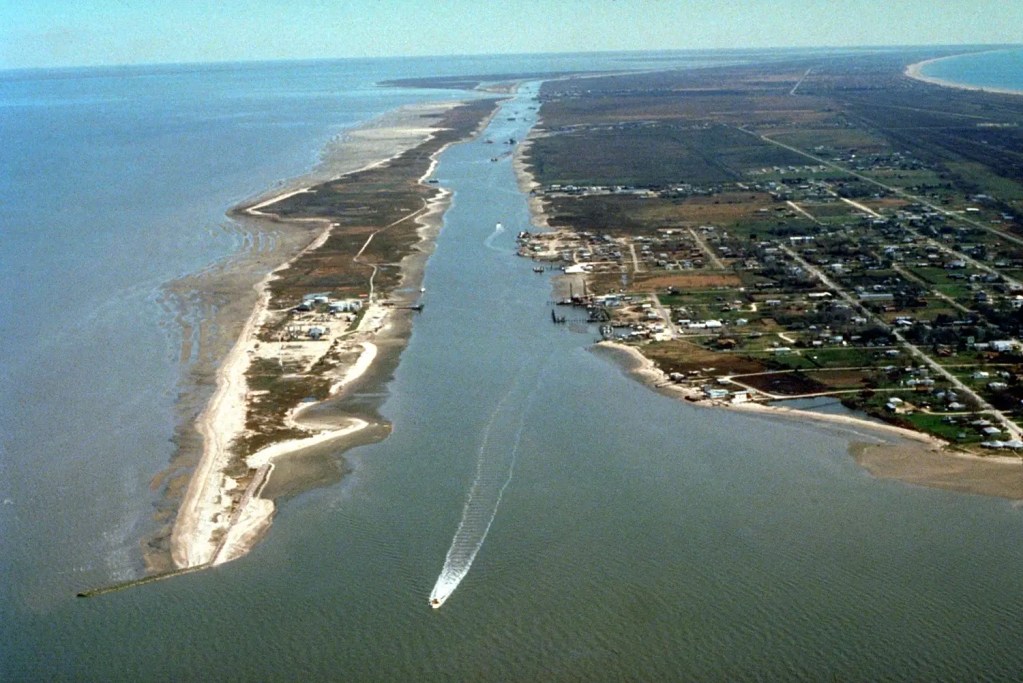
Seasonal variations in Galveston Bay benefit Elm Grove oysters across the calendar. Winter brings colder waters that enhance flavor and texture in the cup. Summer warmth speeds growth rates on the reef. River inflows add nutrients that round out the bay’s food web and keep the profile interesting year-round.
Suggested Beverage Pairings
This crisp, mineral-driven white wine complements the briny flavor of Elm Grove oysters. Its high acidity and subtle citrus notes enhance the oysters’ sweetness without overpowering their delicate taste.
This light, zesty Muscadet cuts the East Bay brine in Elm Grove oysters without masking the cup. Lees aging adds a soft yeast note that matches their clean mineral close. Keep the pour cold beside the half shell.
The creamy texture and roasted flavors of Guinness provide a pleasant contrast to the briny, sweet Elm Grove oysters. The stout’s slight bitterness helps cleanse the palate between bites.
Hendrick’s cucumber and rose notes sit beside the clean sweetness in Elm Grove oysters. An extra-dry martini with lemon keeps the East Galveston brine bright. Sip between shells so the gin does not drown the cup.
Saison Dupont’s dry sparkle cuts the body of Elm Grove oysters from East Galveston Bay. Peppery farmhouse notes answer their mineral finish. Pour it cold next to a dozen when you want beer instead of white wine.
Where Can I Buy Elm Grove Oysters?
You can buy Elm Grove oysters from the following sources:
- Jeri’s Seafood — Primary harvester and distributor for Elm Grove reef oysters from East Galveston Bay; call 409-355-2243 for wholesale and retail shellstock.
- Jeri’s Retail Counter — Lists fresh in-shell sacks and hand-shucked packs from Jeri’s Galveston Bay harvest, including Elm Grove when that reef is open.
References
- Jeri’s Seafood. “Our World is Your Oyster.” Jeri’s Oysters, jerisoysters.com. Accessed 13 July 2026.
- Jeri’s Seafood. “About Us.” Jeri’s Oysters, jerisoysters.com/about. Accessed 13 July 2026.
- Walsh, Robb. “A Dozen Galveston Oysters from 12 Different Reefs.” Robb Walsh, 5 Apr. 2011, robbwalsh.com. Notes Rare Elm Grove Ruffles from East Galveston Bay.
- Texas Parks and Wildlife Department. “Oysters.” TPWD, tpwd.texas.gov. Accessed 13 July 2026.
- Jeri’s Seafood. “Retail.” Jeri’s Seafood, jerisseafood.com/retail. Accessed 13 July 2026.
Discover more from The Oyster Encyclopedia
Subscribe to get the latest posts sent to your email.