

Quick Facts
- Creuse oysters are the most popular oyster in France, accounting for nearly 95% of national production.
- Their scientific name is Crassostrea gigas, commonly known as the Pacific oyster.
- These oysters mature quickly, usually in 2 to 3 years.
- Creuse oysters are available year-round and prized for their briny, slightly fruity flavor.
- The rough, deeply cupped shell makes them easy to recognize at market.
What Are Creuse Oysters?
Creuse oysters are bivalve mollusks and one of the world’s most farmed oysters. They stand out for their adaptability, fast growth, and robust nature. Unlike native flat oysters, Creuse oysters thrive in a wide range of environments, especially brackish coastal waters. Their thick, jagged shells protect plump, bright meat with a crisp ocean taste. The farming popularity of Creuse oysters has created a consistent supply, making them affordable and easy to find throughout the year.
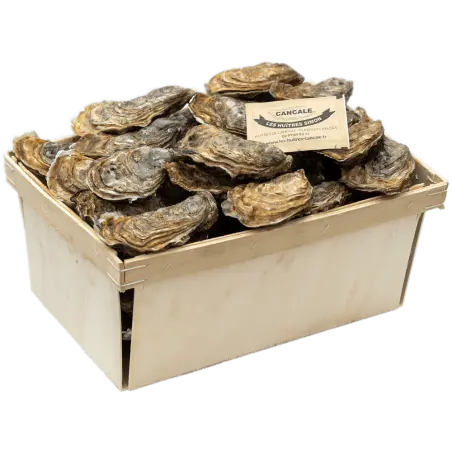
Their remarkable ability to filter water sets Creuse oysters apart. A single oyster can filter up to 50 gallons of water per day. This improves water quality for other marine life and helps sustain balanced ecosystems. Creuse oysters also grow to market size in just two to three years, much faster than many other oyster species. This fast growth supports large-scale, sustainable production for markets around the world.
Unlike other oyster varieties, Creuse oysters adapt well to cultivation using both bottom and table farming techniques. Their genetic diversity and disease resistance make them reliable for oyster farmers from the North Sea to the Mediterranean. These traits, combined with a highly prized flavor, keep Creuse oysters at the heart of oyster culture in France, the Netherlands, and beyond.
How Did Creuse Oysters Get Their Name?
The name “Creuse” comes from the French word for “hollow” or “cupped.” This refers to the oyster’s signature deep bowl-shaped lower shell, which holds its juicy meat. This hollow contrasts with the round, flatter appearance of the native “plate” oyster. The characteristic shape, easy to spot at a glance, became the defining feature for the Creuse oyster’s name.
Creuse oysters were originally introduced to France from the Pacific Ocean in the twentieth century. French growers turned to Creuse oysters after disease and overfishing devastated native oyster stocks. Over time, they became the most prevalent farmed oyster in Europe. Today, the word “Creuse” in an oyster’s name instantly references the variety’s unique shape and its successful adaptation in European waters.
The Cultivation Process
Most Creuse oysters are farmed in the wild, open waters of France and the Netherlands. The cultivation process begins when tiny oyster “spat” are attached to collectors or placed in hatcheries. Once large enough, these juveniles are transferred to either seabed plots or mesh bags atop steel tables in estuarine areas. The bottom culture method lets oysters mature naturally, exposing them to shifting tides and a wide variety of food sources.
Farmers in places like Zeeland (Netherlands) and Marennes-Oléron (France) monitor oysters closely throughout the two to three year grow-out phase. Advanced tracking and careful handling help prevent overcrowding and disease. Regular tidal flushing and nutrient-rich currents support steady, healthy growth. These dedicated farmers, often part of family-run businesses, adapt time-honored traditions to modern environmental and quality standards.

About The Various Farmers
For generations, French oyster farming families have shaped the Marennes-Oléron region into the epicenter of Creuse oyster production. The Gillardeau family stands as one of the most recognized names in the business. Founded in 1898, Gillardeau has built a reputation for excellence over four generations. They combine traditional know-how with innovative farming methods, producing Spéciales and Fine de Claire oysters that are celebrated by chefs around the world. Their careful use of finishing ponds, or “claires,” imparts a distinct taste that sets their oysters apart.
Nearby, the Lambert family of Huîtres Lambert continues a hands-on tradition started in 1974. Operating out of Bourcefranc-le-Chapus, the Lamberts believe in close attention to each stage of oyster growth, from spat to harvest. They are known for their adherence to Label Rouge standards, which guarantee premium quality, flavor, and traceability. The Poget family, based in La Tremblade, has cultivated oysters since 1947. Their daily routines mix heritage techniques with sustainable practices, always focused on preserving the local ecosystem. These families maintain long-held ties to their coastal communities, passing down expertise and a passion for oysters that shows in every harvest.
Creuse Oysters Information
Oyster: Creuse
Species: Crassostrea gigas (Pacific oyster)
Cultivation Method: Farmed, using bottom and table techniques
Size: 2–4 inches, most often classified as #3
Seasonality: Year-round availability
Culture Method: Grown on seabeds or in mesh bags on tables in estuarine waters
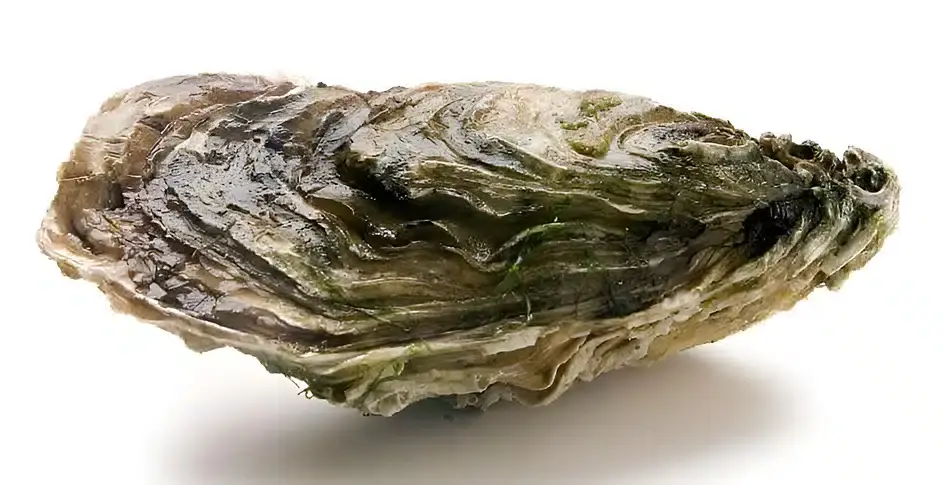
Appearance: Have deeply cupped, rough, and jagged shells that range in color from dusky brown to gray. Their interior reveals plump, glossy meat that is cream to pale gray, often with a slight reflective sheen
Flavor Profile: Bright and briny, offering subtle hints of fresh melon and cucumber. Their finish is clean, with a gentle touch of salt and lingering mineral notes. The texture is plump and juicy, amplifying their natural sweetness and ocean freshness.
If you like Cruese Oysters, Then Check Out These Similar Varieties!
Location
Creuse oyster farmers cultivate their oysters mainly along France’s Atlantic coast, with the Marennes-Oléron basin standing out as the country’s most historic and productive region.
Additional notable cultivation areas include Normandy and Brittany, where generations of local farmers manage expansive estuarine beds and shallow clay-lined salt ponds called “claires.” These regions offer both the natural resources and cultural traditions supporting thriving oyster production year after year.
Environmental Factors
Environmental factors in these areas dramatically support oyster growth. Twice-daily tidal flows bring in fresh seawater, packed with oxygen and phytoplankton—essential food and nutrients for growing oysters. The shallow depth of the ponds lets sunlight warm the water, spurring the growth of microalgae and plankton. Mild maritime climates keep temperature shifts minimal and stress low, so oysters grow steadily through every season. Salinity levels remain stable thanks to the mix of ocean tides and freshwater river inputs, giving the oysters their characteristic texture and clean, briny flavor.
These unique physical conditions make the basin remarkably beneficial for oyster cultivation. Clean, nutrient-rich waters steadily circulate, while the clay pond bottoms enhance mineralization and flavor complexity. Protected by natural inlets and careful management, these regions avoid harsh currents or pollution, keeping oyster beds healthy and productive. Regional expertise, passed down through generations, ensures meticulous care at every stage—allowing each harvest to reflect the marine richness of the Atlantic coast.

Together, this blend of natural tidal flow, mineral-rich environments, consistent salinity, and local farming traditions creates the perfect formula for cultivating prosperous Creuse oyster crops. The synergy of environment and tradition secures the Marennes-Oléron and coastal Normandy and Brittany fame as the world’s top spots for superior oysters
Suggested Beverage Pairings
- Valdespino Manzanilla Sherry – This dry sherry’s saline minerality and subtle nutty character accentuate the briny flavor and delicate sweetness of Creuse oysters. The higher acidity and savory finish create a distinctive combination that amplifies complexity, making it an extraordinary match for the oyster’s layered taste.
- Boon Oude Geuze (Belgian Lambic Beer) – Boon Oude Geuze delivers tart, funky effervescence and bold acidity. Its lively bubbles and sour citrus flavors cut through the oyster’s richness, boosting the oceanic freshness and leaving the palate refreshed and ready for more.
- North Fork Daiquiri (featuring Matchbook Distilling Co. rum) – Crafted with bright lime juice and locally-distilled rum, the North Fork Daiquiri offers a punch of acidity and a hint of sweetness. This cocktail plays up the oyster’s briny qualities and subtle fruit notes while keeping the overall pairing vibrant and mouthwatering.
- Allagash White (Belgian-Style Wheat Beer) – Allagash White introduces orange peel, coriander, and a hint of clove. These spice and citrus notes bring out the natural sweetness and melon tones in Creuse oysters, offering a playful spin and a refreshing finish with each sip and slurp.
- The Paloma (with Espolòn Tequila Blanco and fresh grapefruit) – Fresh grapefruit juice, Espolòn Tequila Blanco, and a salted rim make the Paloma a zesty, invigorating cocktail for oysters. This pairing provides a blast of acidity and fizziness, both of which brighten the oyster’s subtle sweetness and saline snap, making every bite stand out.
Where Can I Buy Creuse Oysters?
- AlPassoFood – Buy Oysters Creuse De Carantec Online – This vendor ships Creuse De Carantec oysters from Brittany to destinations throughout Europe, using insulated packaging for freshness.
Stay Connected with The Oyster Encyclopedia!
Follow us on social media to get the latest updates, oyster recipes, and behind-the-scenes glimpses into the world of oysters:
Stay tuned for exclusive content, oyster trivia, and more! Engage with our vibrant community of oyster enthusiasts by liking, commenting, and sharing our posts. Your support helps us continue providing valuable oyster knowledge to fellow seafood lovers worldwide.
References
- “Buy Oysters Creuse De Carantec Online.” AlPassoFood, 14 Jan. 2025, www.alpassofood.com/en/prodotto/ostriche-creuse-de-carantec/.
- “Buy French oysters online – HONEST CATCH.” Honest Catch, 16 Nov. 2024, honest-catch.com/en/products/oyster-open.
- “Marennes d’Oléron hollow oyster | Khachane.” Khachane, 30 Mar. 2022, khachane.be/en/products/huitre-creuse-marennes-oleron.
- “Oysters | Very Gourmand French Grocery.” Very Gourmand, www.verygourmand.com/gb/2442-oysters.
- “Oyster Fine de Claire Marennes Oleron N° 2×48.” Longino & Cardenal, www.shoplongino.hk/oyster-fine-de-claire-marennes-oleron-n-2×48.
- “Fine de Claire Oysters No.2 – 12pcs | Fresh French Oysters Cyprus.” Very Shellfish, 21 Feb. 2025, www.very-shellfish.com/products/fine-de-claire-n2-12pcs-box.
- “Speciales De Claire Marennes Oleron Oyster.” Classic Fine Foods, 14 May 2025, classicfinefoods.co.uk/seafood/63-speciales-de-claire-marennes-oleron-oyster.html.
- “Buy Fines de Claire Marennes-Oleron Oysters N.4.” Zouf.biz, 17 Sept. 2024, www.zouf.biz/products/fines-de-claire-marennes-oleron-oysters-n-4.
- “Buy French Oysters Online.” AlPassoFood, www.alpassofood.com/en/ostriche-francesi/.
- “Huîtres Lagarre : Oyster farmer in Marennes-Oléron.” Huîtres Lagarre, www.huitres-lagarre.com/en.
- “Ostréiculteurs depuis 1879 – Chironfils.” Chironfils, 31 Jan. 2019, chironfils-huitres.com/?lang=en.
- “Oysters – Adri & Zoon.” adrienzoon.com, adrienzoon.com/en/product/oysters/.
- “La Fine de Claire Verte | Marennes Oléron Oysters.” Marennes Oléron, www.huitresmarennesoleron.info/UK-fine_de_claire_verte.html.
- “Marennes-Oléron oysters PGI | Taste France Magazine.” Taste France Magazine, 31 Oct. 2020, www.tastefrance.com/us/french-products/seafood/marennes-oleron-oysters-pgi.
- “Six Unique Ways to Enjoy Oysters.” Forbes, 26 July 2015, www.forbes.com/sites/jeanneobriencoffey/2015/07/27/six-unique-ways-to-enjoy-oysters/.
- “Pairing Cocktails and Naked Oysters.” Pangea Shellfish Company, 16 May 2020, www.pangeashellfish.com/blog/pairing-oysters-and-cocktails.
- “The Best Oyster and Beer Pairings – Allagash Brewing Company.” Allagash, 29 July 2020, www.allagash.com/discover/pairings-recipes/the-best-oyster-and-beer-pairings/.
- “Field Notes: Shucking the French love of oysters – Ron’s Fish and Trips.” Ron’s Fish and Trips, 17 Jan. 2019, fishandtrips.home.blog/2019/01/18/field-notes-shucking-the-french-love-of-oysters/.
References
- “Zeeland Creuse – World of Oysters.” World of Oysters, 2024.
- “The Exclusive Oyster – Mooijer-Volendam,” Mooijer-Volendam, 2023.
- “How to Choose your Oysters – M&C Asia,” 2021.
- “Oysters Menorca – Zeeuwse Creuse.”
- “l’huître creuse | Marennes Oléron Oysters,” 2019.
- “The Art of Ordering Oysters in France,” French Entrée, 2025.
- “Oysters – Premier Seafarmers by Nature,” 2025.
- “Oyster farming in Zeeland,” Ace Oysters, 2023.
- “Oyster farming techniques – France Naissain,” 2024.
- “All about oysters – Living the life in Saint-Aignan,” 2011.
- “Our Top Picks for Oyster Beverage Pairings – Lobsters Online.”
- “The 6 Best Drinks to Pair With Oysters,” Food52, 2023.
- “Oysters – Cherrystone Aqua-Farms,” 2020.
- “DELIVERY THIS WEEK – Island Creek Oysters,” 2025.
- “Shop Seafood Delivery – Shoalwater Seafood,” 2019.
- “Fresh Oysters in the Shell – Crab Dynasty.”
Discover more from The Oyster Encyclopedia
Subscribe to get the latest posts sent to your email.