


Quick Facts
- Species: Eastern oyster (Crassostrea virginica).
- Origin: Cape Porpoise, Maine.
- Water Body: Cold Atlantic waters of the Gulf of Maine.
- Cultivation: Farmed in coastal Maine environments.
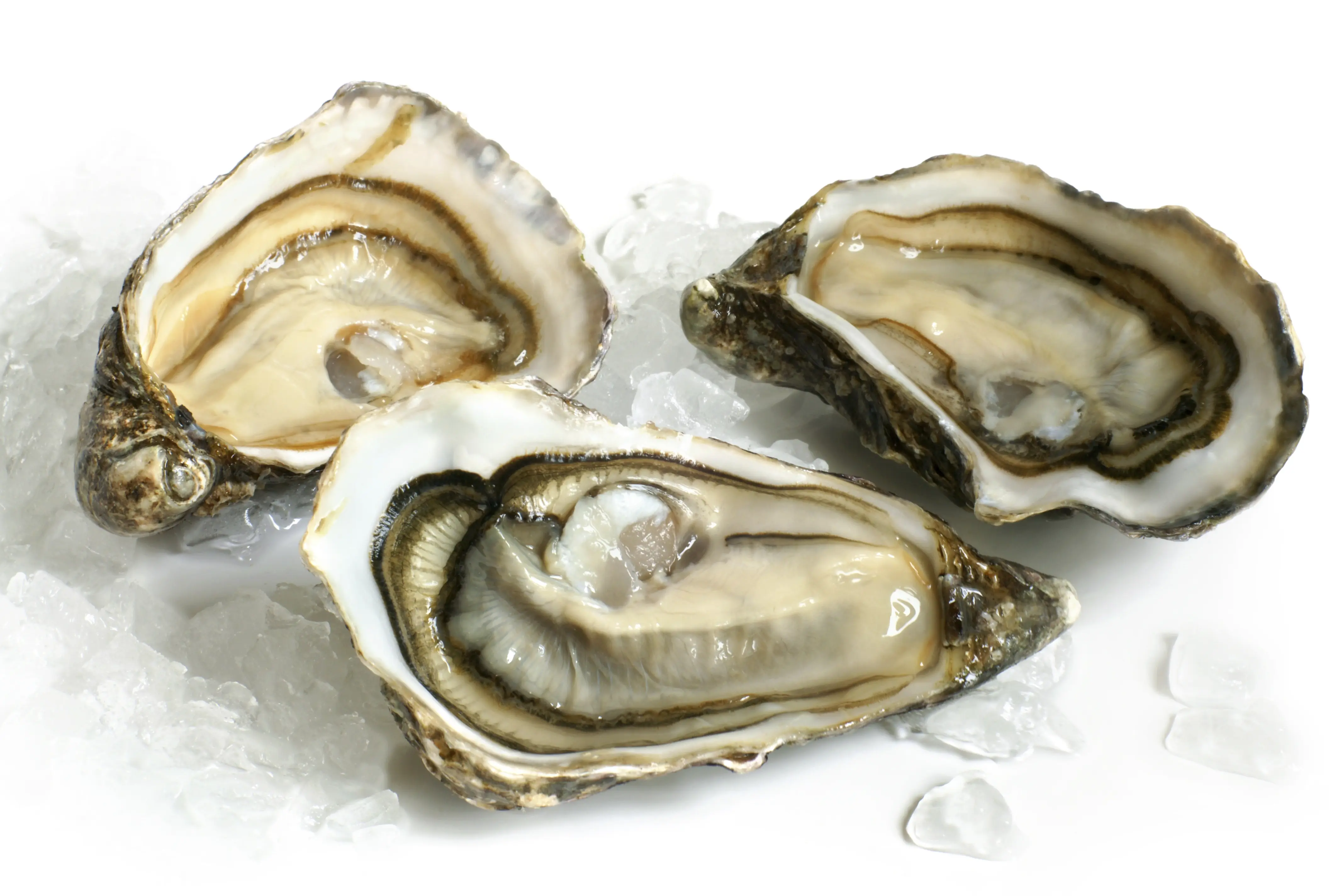
- Size: Medium oysters with balanced cup and meat.
- Seasonality: Available year-round.
- Shell: Thick, rugged shells typical of cold-water oysters.
- Flavor: Clean brine with strong mineral notes and a crisp, refreshing finish.
Flavor Chart
Clean brine with a mineral-forward finishShuckability
Cold-water shells with moderate toughnessWhen I buy it
When I want a clean, mineral-forward oyster that represents Maine’s cold-water profile.
How I serve it
Ice cold, well-drained, with lemon on the side to sharpen the finish.
What to watch for
Thicker shells can slow you down — find the hinge clean and protect the liquor.
My read
Cold-water brine, strong mineral backbone, crisp and refreshing finish.
What Are Cape Porpoise Oysters?
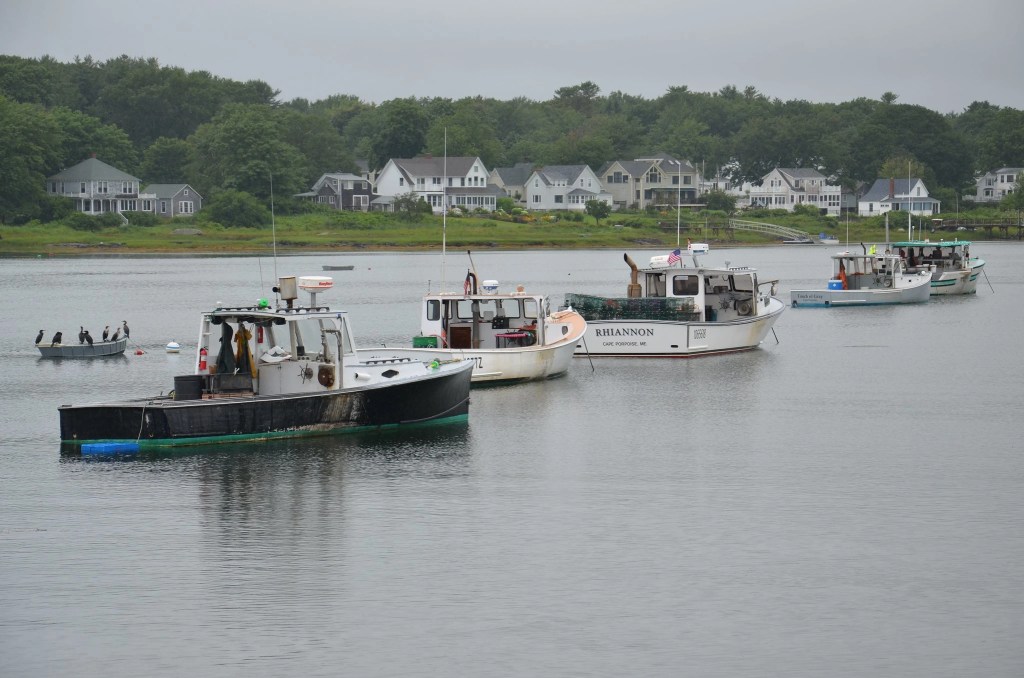
Cape Porpoise oysters stand out in Maine’s rich oyster landscape. Their deep, cup-shaped shells and distinctive flavor profile are noteworthy. This flavor emerges from the nutrient-rich waters of Cape Porpoise Harbor in Kennebunkport. The strong tidal currents in this working fishing village create ideal conditions for oyster development. They flush the waters and deliver a steady stream of nutrients. This contributes to their unique taste 4.
These Maine treasures take 3-4 years to reach market size. This is significantly longer than their southern counterparts. Southern counterparts typically mature in just one year 2. The extended growth period in the frigid waters allows Cape Porpoise oysters to develop a complex flavor profile. They store glycogen during winter months, resulting in exceptionally plump, sweet meat 2.
The oysters’ environment in Cape Porpoise Harbor creates a perfect balance of salinity, measuring between 25-30 ppt. This balance contributes to their medium-bodied texture. It also results in a harmonious blend of briny and sweet flavors. Farmers use suspended culture methods to cultivate these oysters. This allows them to feed naturally on the water’s nutrients. This enhances their distinctive taste and texture.

How Did Cape Porpoise Oysters Get Their Name?
Cape Porpoise Oysters are named after the Cape Porpoise Harbor in Kennebunkport, Maine. This coastal area is known for its rich maritime history and bountiful marine life. The harbor has long supported local fisheries and aquaculture, contributing to its reputation as a seafood haven.
The name highlights the oysters’ origins and emphasizes their connection to the pristine waters of Cape Porpoise. The moniker reflects not only their geographical roots but also the community’s dedication to sustainable aquaculture.
Cape Porpoise Oysters Information
Oyster: Cape Porpoise
Species: Eastern oyster (Crassostrea virginica)
Cultivation Method: Farmed oysters for 3 years.
Season: Year-round
Size: 2.5-3.5″
Culture Method: Place oysters in special tanks to stimulate breeding. Manipulate the temperature and amount of food to cause the oysters to spawn. Once oysters breed, the fertilized eggs will become free-swimming larvae. Then, Bottom cultured in mesh bags or trays.
Salinity: 25-30 ppt
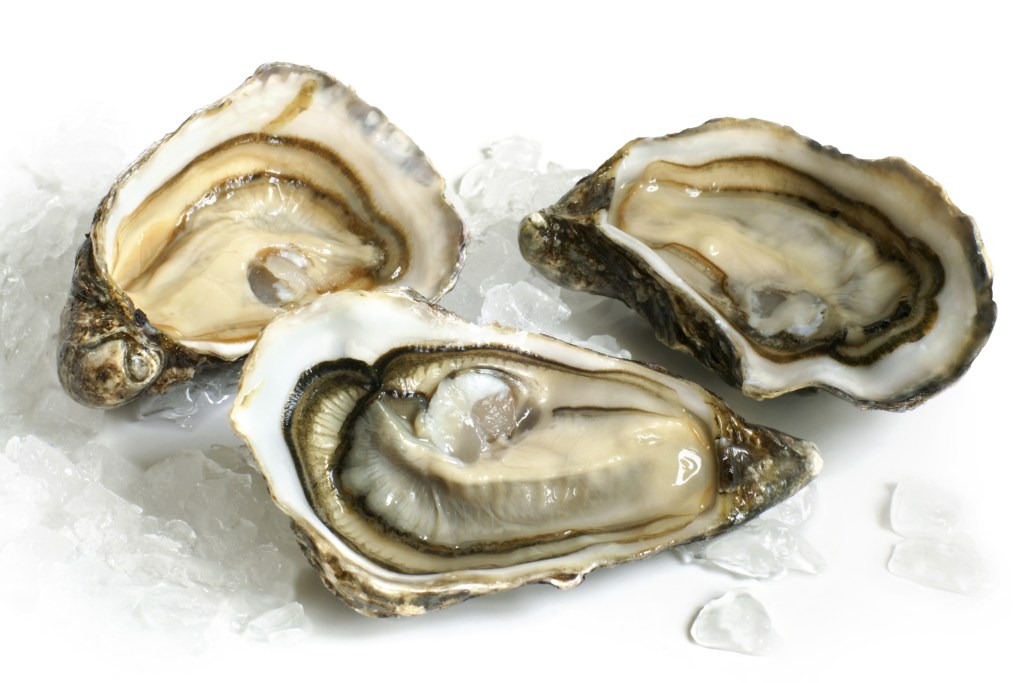
Appearance: Medium to large in size. Deep, cup-shaped shells that are rough and irregular in texture. The shells are often dark and rough. Prominent ridges that run from the hinge to the outer edge of the shell.
Flavor Profile: Medium-bodied with a briny and slightly sweet flavor. The oyster has a full-bodied texture with a briny and sweet taste that is well-balanced.
If you like Cape Porpoise oysters, then check out these similar varieties
- Amelia River Oysters
- Gold Doubloon Oysters
- Dutch Island Oysters
- Mayflower Point Oysters
- Moondancer Oysters
Location
Cape Porpoise oysters thrive in the nutrient-rich waters of Cape Porpoise Harbor in Kennebunkport, Maine 1. This working harbor provides an ideal environment for oyster cultivation. Strong tidal currents continuously flush the waters. They deliver essential nutrients to the growing oysters.
The location’s cold waters contribute significantly to the oysters’ development. However, they slow the growth process to 3-4 years compared to warmer regions 2. This extended growing period proves beneficial, allowing the oysters to develop deeper cups, fuller bodies, and more complex flavor profiles. The harbor maintains an optimal salinity level of 25-30 ppt, creating perfect conditions for oyster development .
The natural ecosystem of Cape Porpoise Harbor supports oyster growth through its strong tidal movements. These movements ensure consistent water circulation and deliver nutrients. Farmers use suspended culture methods. They place oysters in mesh bags or trays on the natural sea floor . This approach allows the oysters to benefit from the harbor’s natural nutrient flow while remaining protected from predators.
Suggested Beverage Pairings
- County Line Rosé -This wine is crafted specifically for oysters. It offers edgy acidity and bright aromatics. These qualities enhance the briny profile of Cape Porpoise oysters.
- Valdespino Fino Ynocente Sherry – Served slightly chilled, this sherry’s crisp minerality perfectly matches the oysters’ natural salinity.
- Pilsner – Light, crisp pilsner-style beers cut through the saltiness. They provide a balanced flavor profile. This profile won’t overpower the oysters’ delicate taste.
- Shape of Curiosity (Bourbon and Fino Sherry blend) – Apples, lemon, and honey combine to soften the intense salinity. These ingredients complement the oysters’ natural sweetness 4.
- Classic Gin Martini with Hendrick’s Gin – The cucumber notes in Hendrick’s Gin create an ideal pairing with the oysters. Its herbal notes also contribute to this perfect combination. The briny, sweet profile of the oysters is enhanced, especially when served ice cold.
Where to Buy Cape Porpoise Oysters
If you’re looking to buy Cape Porpoise oysters, here are some options to consider:
- Cape Porpoise Lobster Company: This company offers a variety of fresh Atlantic seafood, including Maine shellfish, and sells them online.
- Local Restaurants: Cape Porpoise is a coastal village in Maine known for its seafood. You can check with local seafood restaurants in Cape Porpoise.
- Seafood Markets: You can check with local seafood markets in Cape Porpoise to see if they carry Cape Porpoise oysters.
It’s worth noting that availability may vary depending on the season and location. It’s best to check with the seller to confirm availability and pricing.
References
- “Maine Oyster Guide.” Browne Trading Company, 18 Oct. 2017, brownetrading.com/blogs/blog/maine-oyster-guide.
- “The Village of Cape Porpoise in Maine.” Kristy & New England, kristynewengland.com/cape-porpoise-kennebunkport-maine.
- Jacobsen, Rowan. “Oyster Cultivation.” OysteRater, 2024, www.oysterater.com/about/oyster-cultivation.
- WRN Studio. “Cape Porpoise Oysters.” WRN Studio Seafood Guide, 2024.
Discover more from The Oyster Encyclopedia
Subscribe to get the latest posts sent to your email.
My real-world read
Cape Porpoise oysters are straight Maine energy — cold water, clean brine, and that sharp mineral edge that finishes crisp and refreshing. They lean more into structure than sweetness, which makes them feel super clean and easy to keep eating.