



Chef’s Notes
Mason Bostwick · Executive Chef
Eastern oyster
Amelia River — Amelia River — Amelia River is a wild Florida estuary story worth a short tableside note. Brackish exchange off Fernandina Beach yields approachable cups rather than punchy Gulf brine. I reach for them when I want tender Virginica with buttery sweetness and a… clean finish.
Flavor chart
Chef palate read
Shuckability
Shell & line performance
When I buy it
Ask for Amelia River tags tied to Fernandina Beach and Nassau County lots. Wild beds shift with season and rainfall, so confirm harvest week with your Gulf or Southeast distributor. Cups should feel plump with tight…
How I serve it
Plate on crushed ice with virgin liquor intact. The mild buttery note fades under heavy mignonette or sweet vinegar. One-line menu copy can cite Amelia River and Fernandina Beach without over-explaining wild harvest…
What to watch for
Spawn-season milky liquor can appear on Eastern oysters in warm months. Shorten hold times through midsummer even when supply looks steady. Wild bed oysters can pick up sediment odors after coastal storms. Smell each…
My read
Amelia River is a wild Florida estuary story worth a short tableside note. Brackish exchange off Fernandina Beach yields approachable cups rather than punchy Gulf brine. I reach for them when I want tender Virginica…
What Are Amelia River Oysters?
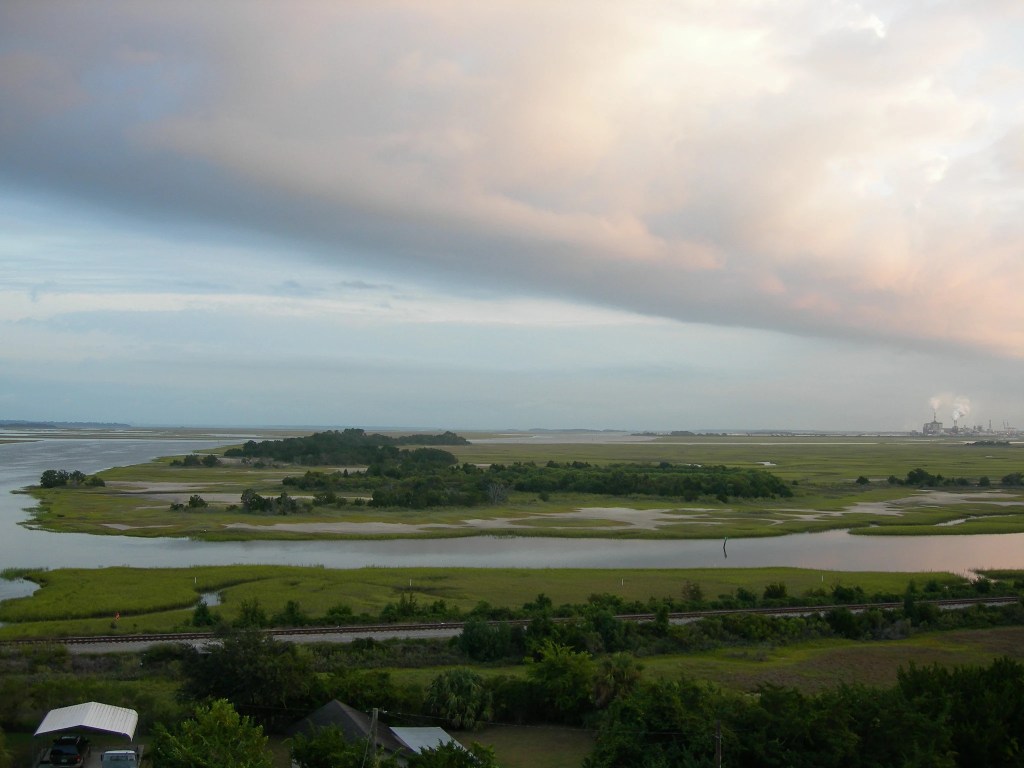
The Amelia River oysters are a unique and prized delicacy, setting them apart from other oysters. One key factor contributing to their distinctiveness is their habitat. The Amelia River, located in Fernandina Beach, Florida, provides a specific environment for these oysters to thrive. The river’s brackish waters, a mix of fresh and saltwater, create a perfect balance for the oysters to grow.
This unique blend of water types gives the oysters a distinct flavor profile that is sweet and savory. Another factor that sets Amelia River oysters apart is their growth rate. These oysters are known to increase, which allows them to develop a more complex flavor profile. This rapid growth happens because the nutrient-rich waters of the Amelia River provide plenty of food for the oysters.
As a result, the oysters can filter more water and absorb more nutrients, leading to a more robust flavor. The cultural significance of Amelia River oysters also plays a significant role in their uniqueness. The area has a long history of oyster harvesting, with many local families involved in the industry for generations. This cultural heritage appears in how the oysters are harvested and prepared.
Many local restaurants and chefs take great pride in showcasing the oysters in traditional dishes. This blend of cultural significance and unique environmental conditions makes the Amelia River oysters a special delicacy. Wild-caught Crassostrea virginica from off-bottom natural beds carry that Fernandina Beach heritage in every half shell.
How Did Amelia River Oysters Get Their Name?
The Amelia River, located in Fernandina Beach, Florida, is the mouth of the St. Mary River, which begins in the Okefenokee Swamp in Georgia and flows into the Atlantic Ocean. This unique environment mixes fresh and saltwater. It contributes to the distinct flavor profile of the oysters grown there.
The cultural significance of Amelia River oysters is also deeply rooted in the area’s history. The island has been controlled by eight different countries, earning it the nickname Isle of the Eight Flags. This diverse history has shaped the local culture, which is reflected in the way the oysters are harvested and prepared. The Amelia River name on every menu ties those oysters directly to this Fernandina Beach estuary.
Wild Harvest on the Amelia River
Amelia River oysters are wild-caught from natural beds rather than farmed on lines or in bags. Licensed harvesters hand-pick them from off-bottom reefs along the brackish estuary. That wild harvest method keeps each oyster on the same substrate where it filtered Amelia River water for its full growout.
Hand-picking from natural beds preserves shell shape and meat quality that tumbling cannot replicate on wild Eastern oysters. The approach reflects generations of local practice tied to Fernandina Beach and Nassau County shellfish tradition. Year-round availability on the half shell still tracks peak salinity from September through April on many local menus.
Follow Them
Visit Shuckers Oyster Bar & Grill in Fernandina Beach for local Amelia River oysters on the half shell and harbor-side raw-bar service. Amelia Island tourism publishes seafood dining guides at ameliaisland.com with oyster bars and waterfront restaurants across Nassau County. The St. Marys Riverkeeper tracks estuary health and shellfish habitat along the Amelia River mouth and Georgia–Florida border waters. Mobile Oyster Company lists Amelia River stock for Gulf and Southeast wholesale buyers at oystersalabama.com when seasonal tags are available.
Amelia River Oysters Information

Eastern oyster
If you like Amelia River Oysters, then check out these similar varieties!
Location
Amelia River oysters grow in the Amelia River estuary off Fernandina Beach on Florida’s Atlantic coast. Amelia Island sits in Nassau County where licensed harvesters pull wild Eastern oysters from natural beds. Crews also work nearby tributaries that share the same brackish exchange with the Saint Marys River system.
The region blends Atlantic saltwater with freshwater influence from the St. Marys River and coastal marshes. That brackish mix supports wild Crassostrea virginica on off-bottom reefs rather than farm lines. Salinity near thirty parts per thousand frames the mild, buttery cups chefs expect from Northeast Florida estuary Virginica.
The river mouth connects to the Okefenokee Swamp watershed through the Saint Marys River before opening to the Atlantic. Nutrient flow from that system feeds phytoplankton blooms that wild oysters filter along Fernandina Beach shorelines. Rainfall and river discharge can shift salinity across seasons on these natural beds.
Living shoreline projects along the Amelia River use oyster shell and marsh plantings to reduce erosion and improve water quality. The St. Marys Riverkeeper and the University of North Florida have supported reef restoration that benefits wild harvest habitat. Those efforts help maintain substrate where Amelia River oysters settle and grow before reaching raw-bar size.
Suggested Beverage Pairings
Rombauer Chardonnay adds buttery texture beside Amelia River briny edge. Tropical fruit and vanilla contrast mineral notes while keeping each slurp smooth and luxurious. Serve chilled for Florida Atlantic raw bars featuring Fernandina Beach cups.
Lagunitas IPA brings bold hops and citrus beside Amelia River clean sweetness. Effervescence cuts salinity while highlighting fresh oceanic taste on the half shell. A craft beer match for Northeast Florida estuary Virginica.
Taittinger Brut adds bright acidity and fine bubbles beside Amelia River briny depth. Citrus and toasty almond notes enhance sweetness while cleansing the palate between bites. Serve very cold on Amelia Island raw-bar flights.
An Espolòn Reposado margarita adds tangy lime beside Amelia River natural salinity. Earthy tequila complements minerality while a light salt rim frames sweetness. Serve on the rocks for zesty half-shell pairings.
A Belvedere vodka martini adds crisp purity beside Amelia River delicate liquor. Chilled sharpness enhances freshness while lemon twist adds aromatic lift. Serve extra dry for minimalist raw-bar service.
This guide is part of the Raw Bar Bible — chef-level technique, safety, and gear so you can shuck and serve oysters with confidence.
Where Can I Buy Amelia River Oysters?
You can buy Amelia River Oysters from the following sources:
- Mobile Oyster Company — Gulf and Southeast distributor listing Amelia River oysters for wholesale and retail buyers when seasonal tags are available.
- Boonedocks Oyster Co. — Online shellfish retailer shipping Amelia River oysters by the dozen or bag with size grades for home delivery.
- Shuckers Oyster Bar & Grill — Fernandina Beach waterfront restaurant serving local Amelia River oysters on the half shell with harbor views on Amelia Island.
- Amelia Island — Regional tourism hub listing Nassau County seafood restaurants and oyster bars that feature Amelia River cups on seasonal menus.
References
- “Top 10 Spots Every ‘Sea’ Foodie Should Visit on Amelia Island.” Amelia Island, https://www.ameliaisland.com/blog/top-10-spots-every-sea-foodie-should-visit-on-amelia-island/. Accessed 23 Nov. 2024.
- “Top 10 Amelia Island Restaurants with Scenic Water Views.” Amelia Island, https://www.ameliaisland.com/blog/top-10-amelia-island-restaurants-with-scenic-water-views/. Accessed 23 Nov. 2024.
- “The 10 Best Oysters in Amelia Island (Updated November 2024).” Tripadvisor, https://www.tripadvisor.com/Restaurants-g34341-zfd10922-Amelia_Island_Florida-Oysters.html. Accessed 23 Nov. 2024.
- “The 15 Best Spots for Oysters in Amelia Island.” Wanderlog, https://wanderlog.com/list/geoCategory/1535979/best-oysters-in-amelia-island. Accessed 23 Nov. 2024.
- “Seafood Restaurant | Shuckers Oyster Bar & Grill | Fernandina Beach.” Shuckers Oyster Bar & Grill, https://www.shuckersamelia.com/. Accessed 23 Nov. 2024.
- “Where to Eat to Beat the Monday Blues.” Amelia Island, https://www.ameliaisland.com/blog/where-to-eat-to-beat-the-monday-blues/. Accessed 23 Nov. 2024.
Discover more from The Oyster Encyclopedia
Subscribe to get the latest posts sent to your email.