

Chef’s Notes
Mason Bostwick · Executive Chef
Eastern oyster
Bigger Butter — Bigger Butter — Strong minerality — clean and versatile. A solid long-line eastern oyster.
Flavor chart
Chef palate read
Shuckability
Shell & line performance
When I buy it
Look for Bigger Butter Oysters in winter when conditions are optimal.
How I serve it
On the half shell with minimal garnish — let the oyster speak.
What to watch for
Mild salinity with creamy finish. Reject any with broken shells or milky liquor.
My read
Strong minerality — clean and versatile. A solid long-line eastern oyster.
What Are Bigger Butter Oysters?
Bigger Butter Oysters stand apart from their counterparts due to their exceptional size and remarkable flavor profile. These oysters, native to the pristine waters of the Pacific Northwest, can reach an impressive 6 inches or more in length, dwarfing the typical 2 to 4 inch range of most oysters. Their substantial size not only makes them visually striking but also contributes to their distinct texture.
The plump, meaty flesh of Bigger Butter Oysters offers a luxurious mouthfeel that is both tender and succulent. This characteristic, combined with their rich, creamy taste and a delightful buttery finish, makes them a true delicacy. Their unique flavor results from the nutrient-rich waters they thrive in, influenced by the region’s diverse ecosystem.
Beyond their excellent taste and size, Beyond their exceptional flavor and size, Bigger Butter Oysters are also esteemed for their sustainability. Environmentally friendly methods cultivate them, enhancing the local ecosystem’s health and ensuring a consistent supply of high-quality oysters for generations. Murder Point Oyster Co. farms them year-round on Alabama’s Gulf Coast using an off-bottom longline system.
How Did Bigger Butter Oysters Get Their Name?
The Bigger Butter name markets Murder Point Oyster Co.’s largest Alabama cups by flavor cue rather than a separate farm LLC. The Zirlott family farms both lines in Bayou La Batre using shared methods on the same lease footprint. The trade label tells chefs to expect an oversized Murder Point profile before they open the carton. Carton bands use Bigger Butter when oysters clear the farm’s top-end size grade.
Murder Point carries local folklore tied to a 1927 lease dispute, while Bigger Butter speaks directly to butter-rich meat and extra length. The bigger line is often described as the big brother SKU in distributor copy. It is held longer on the farm to build plump, succulent flesh. The name is descriptive marketing rather than a geographic or cultivar tag.
About Murder Point Oyster Co.
The Zirlott family runs Murder Point Oyster Co. from Bayou La Batre, Alabama, farming both Murder Point and Bigger Butter lines on shared leases. They control the entire process from hatchery to harvest, making them one of the few vertically integrated oyster farms on the Gulf Coast. Grow-out takes 12 to 16 months before oysters reach market size.
Bigger Butter oysters share the same off-bottom longline system adapted from Australian methods. Suspended baskets keep shells off the seafloor and build plumper, cleaner cups. The family has worked Gulf waters for five generations, transitioning from fishing and shrimping into oyster farming.
What is the difference between Bigger Butters and Murder Points?
Bigger Butter oysters are essentially larger versions of the popular Murder Point oysters. They are both farmed by the Zirlott family at Murder Point Oyster Co. in Bayou La Batre, Alabama. The key differences are:
- Size: Bigger Butter oysters can reach up to 6 inches in length. On the other hand, regular Murder Point oysters are around 2.5-2.75 inches.
- Flavor: Both have a rich, creamy, buttery taste. Contrarily, the Bigger Butter oysters may have an even more pronounced buttery flavor due to their larger size.
- Texture: The plump, meaty flesh of the Bigger Butter oysters offers an extra luxurious and succulent mouthfeel compared to the regular Murder Points.
The Bigger Butter is the “big brother” to the Murder Point. It is raised with the same careful farming methods and passion by the Zirlott family. It is allowed to grow larger to provide an amplified buttery flavor and texture experience.
About Murder Point Oyster Company
The family-owned Murder Point Oyster Company, based in Bayou La Batre, Alabama, dedicates itself to crafting the finest oysters with a distinctive buttery flavor known as “butter love.” The company has been working the natural resources of the Gulf of Mexico for five generations, transitioning from traditional fishing and shrimping to specializing in oyster farming. Their commitment to quality and sustainability has made Murder Point Oysters a sought-after delicacy in the culinary world.

The name “Murder Point” originates from a historical event in 1927, where a dispute over an oyster lease led to a fatal shooting at Myrtle Point, which has since been known as Murder Point. This intriguing backstory adds a layer of local folklore to the brand, encapsulated in their slogan, “Oysters worth killing for”.
Murder Point Oysters are raised using the off-bottom method borrowed from Australia. This method involves suspending juvenile oysters in baskets above the seafloor. It promotes cleaner shells and plumper meat by preventing the oysters from sitting in mud.
Additionally, this method allows for better control over their growth environment. The oysters are known for their creamy, buttery taste, which sets them apart from other Gulf oysters. Bigger Butter oysters use the same off-bottom longline gear noted in the cultivation details on this page.
Murder Point Oysters have gained popularity among chefs and food enthusiasts, featured in fine dining establishments and seafood expos. The company’s dedication to quality has positioned Murder Point Oyster Company as a leading figure in the American oyster farming scene. Additionally, its unique story and sustainable practices contribute to its strong reputation.
Follow Them
Discover the exceptional taste of Murder Point Oysters and join the community of oyster enthusiasts! Follow us on Twitter, Facebook, and Instagram for the latest updates, mouth-watering photos, and special offers!
Bigger Butter Oysters Information

Eastern oyster
Species: Crassostrea virginica (Eastern oyster)
Cultivation Method: Farmed by the Zirlott family at Murder Point Oyster Co. in Bayou La Batre, Alabama. They control the entire process from hatchery to harvest, making them one of the few vertically integrated oyster farms. This process takes 12 to 16 months.
Seasonality: Available year-round, peak season typically in the fall and winter.
Size: 6″+
Culture Method: An off-bottom longline system adapted from Australian methods. The baskets suspend the oysters above the seafloor, allowing better control over their growth environment.
Salinity: 23-28 ppt

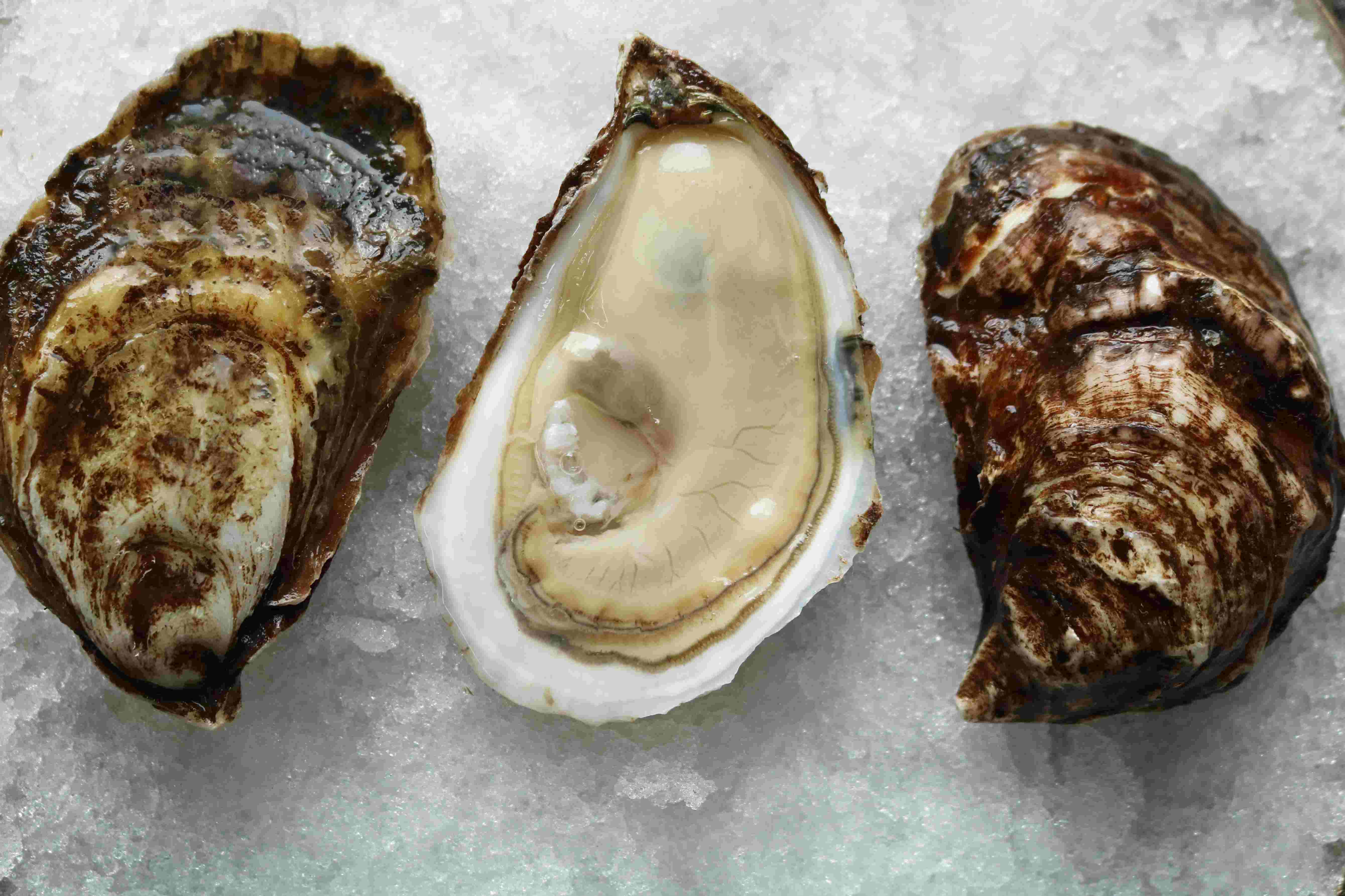
Appearance: large, deep-cupped shells with a clean, sturdy look typical of farmed Eastern oysters. Their shells are usually rough and elongated, often showing muted shades of gray, tan, and green on the outside with a smooth, pale interior. Inside, the meats appear very plump and full, sitting in a generous pool of clear oyster liquor.
Flavor Profile: Rich and buttery, with a smooth, creamy mouthfeel that coats the palate. Their salinity is moderate, balanced by a gentle sweetness and subtle notes of fresh seaweed. The finish is long and mellow, with soft mineral and umami tones rather than sharp brine.
Location
The Zirlott family cultivates bigger Butter oysters at Murder Point Oyster Co. in Bayou La Batre, Alabama. They raise Bigger Butter on off-bottom longline leases in Portersville Bay and nearby Alabama coastal waters.
The waters off the coast of Alabama are particularly around Bayou La Batre. They provide ideal conditions for oyster farming and growth. This is due to several key factors.
The mixture of fresh and saltwater in the bays and estuaries creates the perfect salinity range for oysters to thrive. Oysters require a specific brackish environment. The influx of freshwater from rivers and saltwater from the Gulf of Mexico creates this ideal balance.
Environmental Factors
The coastal waters are also rich in nutrients from rivers like the Mobile and Tensaw Rivers. These nutrients, such as nitrogen and phosphorus, provide the essential food source for oysters to filter and grow. The protected bays and estuaries provide sheltered environments.
Examples include Portersville Bay, Grand Bay, and the Mississippi Sound. These environments protect the oysters from harsh open ocean conditions. They also allow for good water circulation.
The warm Gulf Coast climate allows for year-round oyster farming and growth. This is unlike colder northern regions where oyster growth slows or stops during winter. The diverse coastal ecosystem, including marshes, seagrass beds, and barrier islands, contributes to the overall health and productivity of the oyster grounds.
A combination of factors has made the Alabama Gulf Coast region. In particular, Bayou La Batre is an ideal location for both wild oyster harvesting and the development of sustainable oyster farming operations like Murder Point Oyster Co. Murder Point Oyster Co. harvests Bigger Butter oysters from these productive Alabama waters year-round.
This guide is part of the Raw Bar Bible — chef-level technique, safety, and gear so you can shuck and serve oysters with confidence.
Suggested Beverage Pairings
This wine’s bright acidity and citrus-mineral character cut through the buttery texture while echoing the oyster’s saline notes. Its lean, zippy profile keeps the finish crisp instead of heavy, making each oyster feel refreshing.
Chablis offers flinty minerality, green apple, and high acidity that highlight the oyster’s sweetness and gentle umami. The wine’s lean frame contrasts nicely with the rich mouthfeel, sharpening flavor detail without overwhelming it.
Fine bubbles and firm acidity lift the creamy texture of Bigger Butters while cleansing the palate between bites. Subtle brioche and citrus notes add complexity that plays well with the oyster’s mellow, lingering finish.
Its zesty lime, grapefruit, and herbal notes create a bright counterpoint to the oyster’s richness. The assertive acidity and clean, dry finish keep the pairing energetic, especially if you add lemon or mignonette.
A classic gin martini made with a citrus-forward gin like Tanqueray No. Ten mirrors the oyster bar style of pairing spirits and oysters. The drink’s juniper, citrus, and chilled, clean snap underline the briny-sweet character of Bigger Butters without adding heaviness.
Where Can I Buy Bigger Butter Oysters?
- Murder Point Oyster Co – Murder Point Oyster Co. offers their signature Bigger Butter oysters, known for their rich, creamy, buttery flavor. They are farmed sustainably in the nutrient-rich waters of the Gulf of Mexico.
References
- Murder Point Oyster Co. Web. Accessed 30 May 2026. http://murderpointoysters.com
Discover more from The Oyster Encyclopedia
Subscribe to get the latest posts sent to your email.