



Chef’s Notes
Mason Bostwick · Executive Chef
Eastern oyster
Admiral — Fort Morgan, Mobile Bay — Briny Gulf opening with cucumber-clean finish and creamy Eastern cup depth. A tumbled bottom-culture virginica from Admiral Shellfish Company.
Flavor chart
Chef palate read
Shuckability
Shell & line performance
When I buy it
Order Admiral bands from Admiral Shellfish Company at 1237 Highway 180, Gulf Shores. Ask Joe Ingraham for Fort Morgan bottom-culture stock, not a generic Mobile Bay lot. Look for tumbled teardrop shells with full liquor.
How I serve it
Half shell with lemon and light mignonette — the cucumber-clean brine and creamy Mobile Bay finish carry the plate on their own.
What to watch for
Look for deeply cupped, light-green tumbled shells with full liquor and a clean cucumber-cream swallow. Reject cracked cups or milky liquor after warm holding.
My read
Briny Gulf opening, cucumber-clean mid-palate, and a creamy Eastern finish — a dependable Alabama virginica with real Fort Morgan character.
What Are Admiral Oysters?
Admiral Oysters are farmed Eastern oysters from Admiral Shellfish Company off Fort Morgan, Alabama. Chris Nelson and Ric Ricciardone raise Crassostrea virginica where Mobile Bay meets the Gulf of Mexico. The leases sit on the historic fort peninsula. The line is one of twelve commercial oyster farms along Alabama’s Gulf Coast and bays.
Crews grow stock in bottom culture on a clean sandy bay floor. Steady tidal energy comes from the open bay mouth. Warm Gulf water can bring cups to market size in six to twelve months, faster than cold-water Eastern lines. Tumbling builds teardrop shells with flat tops, deep cups, and light green or brown outer color.
Liquor opens with pleasant brine at twenty to twenty-five parts per thousand salinity. A cucumber-clean mid-palate gives way to savory cream on the swallow. Chefs menu Admiral bands when they want a premium Alabama virginica with Fort Morgan character. They are not wild dredged Gulf bulk stock.
How Did Admiral Oysters Get Their Name?
Admiral Oysters get their name from the naval and maritime history of the area where they’re grown. They are cultivated off the coast of Fort Morgan. That historic military fort has guarded the entrance to Mobile Bay since the early 1800s. The name “Admiral” is a nod to that naval heritage. The farm wanted strength, discipline, and command of the waters on the oyster itself.
The name reflects place, history, and identity, not a marketing gimmick. It marks a Gulf oyster rooted in a strategically important coastal landmark. That landmark carries deep maritime significance. Chris Nelson and Ric Ricciardone later built Admiral Shellfish Company on that legacy.
They have farmed off the same fort-protected coast since 2009. The farm motto quotes Admiral David Farragut: Damn the torpedoes. He won the Battle of Mobile Bay just west of these leases. The title marks oysters from waters where Mobile Bay meets the Gulf, not a generic Gulf label.
About Admiral Shellfish Company
Chris Nelson and Ric Ricciardone run Admiral Shellfish Company, one of the oldest farms in the area since 2009. Ricciardone raised oysters off his dock in Mobile Bay as part of an Auburn University project. This led him to explore the commercial possibilities, ultimately partnering with Nelson to form Admiral Shellfish Company.
The company grows fresh raw oysters for the premium half-shell market. They focus on reflecting the pristine coastal habitat in which they cultivate the product. Admiral Shellfish Company is one of the twelve commercial oyster farms along Alabama’s Gulf Coast and bays. They offer a premium option to the more common wild oysters harvested by dredging.
High-end restaurants in Alabama and the Gulf states, including Florida, Louisiana, and Texas, primarily consume the company’s oysters. Additionally, Bon Secour Fisheries’ store and Ahi Seafood Market in Fairhope are steady retail outlets for their products. The company invests much time in custom-crafting the shell of their oysters. That work produces a flatter top and a deeper cup.
The cups are easier to shuck and hold more liquor. Farm manager Joe Ingraham handles sales from the Fort Morgan site at 1237 Highway 180. Crimson Bay Seafood also lists the lot beside Bon Secour Fisheries.
Follow Them
Visit the Admiral Shellfish Company website for Fort Morgan farm background, wholesale contacts, and bottom-cultured half-shell ordering from Mobile Bay. Follow the Alabama Gulf grower on Facebook and Instagram for harvest photos and shell-craft updates from the Fort Morgan peninsula. Admiral Shellfish is one of twelve commercial oyster farms along Alabama’s Gulf Coast and bays. Crews raise tumbled Eastern cups for premium raw-bar service across the Southeast.
Admiral Oysters Information

Eastern oyster
If you like Admiral Oysters, then check out these similar varieties!
Location
Admiral Shellfish Company cultivates oysters off the coast of Fort Morgan, Alabama. That is where Mobile Bay meets the Gulf of Mexico. This location, at the southernmost part of Mobile Bay, is approximately 40 miles from the Mobile River. The farm sits among one of twelve commercial oyster operations along Alabama’s Gulf Coast and bays.
The environmental factors that make this location ideal for oyster growth are numerous. Salinity here averages 20–28 parts per thousand. That is higher than typical 10–15 ppt in Mobile Bay and lower than the Gulf’s 35 ppt. This salinity level contributes to the oysters’ briny flavor, often compared to northeastern Atlantic oysters. The water quality and depth at this location are also perfect for raising succulent oysters.
The substrate of the bay floor at this location acts like a beach, with little to no detritus present. This clean, sandy bottom is beneficial for oyster growth. Strong energy from Mobile Bay and tidal agitation near the Gulf mouth build larger cups and meatier bodies. Warm water here can bring oysters to market size in as little as six months. Colder regions like Prince Edward Island often take three to four years.
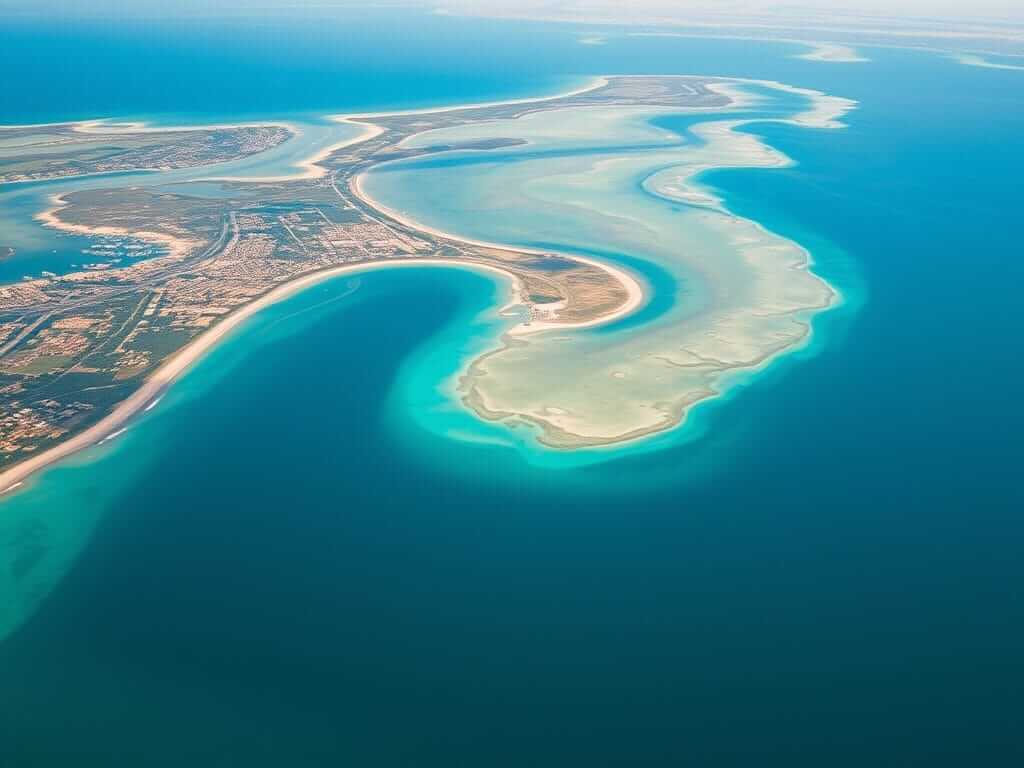
These environmental factors merge to create what P.J. Waters, associate professor at Auburn’s School of Fisheries, calls the “sweet spot” for oyster farming. The location receives salt water as it wraps around Fort Morgan. It stays salty even when other parts of the bay become fresher. This consistency in salinity, combined with the other favorable conditions, makes this location highly beneficial for oyster growth and prosperity.
Suggested Beverage Pairings
Bollinger Special Cuvée brings firm acidity and fine bubbles to Admiral oysters’ Mobile Bay brine. Toasted brioche and citrus frame the cucumber-clean Gulf finish on the swallow. Classic sparkling service for Fort Morgan virginica cups.
William Fèvre Chablis offers flinty minerality and lean citrus beside Admiral salinity. Unoaked structure keeps delicate liquor forward on the half shell. Chablis remains a reliable match for Alabama Gulf Eastern oysters.
Château de la Ragotière Muscadet adds saline citrus and lees texture to Admiral oysters. High acidity refreshes the palate between briny Gulf bites. Loire whites suit clean Alabama raw-bar programs.
A dry Hendrick’s martini with cucumber and rose notes complements Admiral cup sweetness. Botanical lift highlights brine without heavy vermouth sweetness. Serve ice-cold with a lemon twist.
Westbrook White Thai witbier brings gentle spice and citrus beside Admiral creamy Gulf mineral finish. Light body and effervescence cleanse Mobile Bay salinity between shells. Craft beer option for guests skipping wine.
This guide is part of the Raw Bar Bible — chef-level technique, safety, and gear so you can shuck and serve oysters with confidence.
Where Can I Buy Admiral Oysters?
You can buy Admiral Oysters from the following sources:
- Admiral Shellfish Company — Order direct from the Fort Morgan farm via sales email or phone for bottom-cultured Mobile Bay half-shell stock.
- Bon Secour Fisheries — Bon Secour Fisheries distributes Admiral oysters through its Alabama seafood store and wholesale programs across the Gulf states.
- Ahi Seafood Market — Fairhope retail market on the Eastern Shore carrying local Gulf oysters including Admiral bands for advance Thursday pickup.
- Oysters XO — Oysters XO ships Admiral oyster packs distributed through Bon Secour Fisheries with FedEx Express cold-chain delivery.
References
- Admiral Shellfish Company. “Damn the torpedoes — half shell fresh raw oysters.” Admiral Shellfish Company, Gulf Shores, AL. Web. Accessed August 2026. https://admiralshellfishcompany.com/
- Oysters Alabama. “Admiral Shellfish Company.” Oysters Alabama. Web. Accessed August 2026. https://www.oystersalabama.com/admiral-shellfish-company
- Coastal Alabama Ecotourism. “Admiral Shellfish (Oyster Farm).” Web. Accessed August 2026. https://coastalalabamaecotourism.com/experiences/admiral-shellfish-oyster-farm/
- sales@admiralshellfishcompany.com. Web. Accessed 30 May 2026. mailto:sales@admiralshellfishcompany.com
- Info@oystersxo.com. Web. Accessed 30 May 2026. mailto:Info@oystersxo.com
Discover more from The Oyster Encyclopedia
Subscribe to get the latest posts sent to your email.