

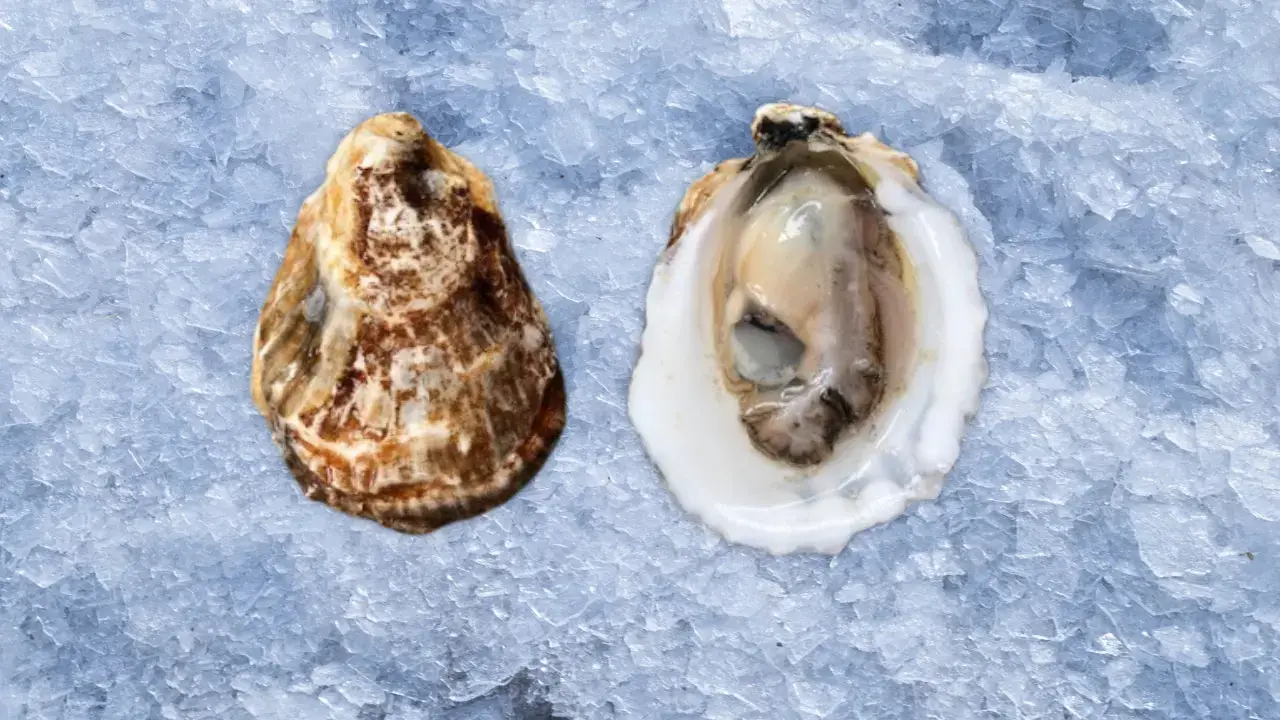

My real-world read
Beach Babe Oysters are a crowd-pleaser — mild up front, gently sweet, and finishing with a clean briny snap. If I’m building a mixed raw bar and I want something that keeps beginners happy while still tasting “real,” this is an easy pick. Serve them cold, drained, and mostly naked. Lemon is fine — heavy sauces just cover what makes them good.
Quick Facts
- Origin: Cultivated in Washington’s Hood Canal in clean, mineral-rich waters.
- Species: Pacific oyster (Crassostrea gigas).
- Flavor: Mild and sweet with a delicate briny finish—ideal for raw service.
- Size: Typically 2–3 inches for a perfect single-bite experience.
- Season: Available year-round, peak flavor in colder months.
Flavor Chart
Chef palate readShuckability
Shell & line performanceWhen I buy it
When I need an approachable oyster that still tastes clean and balanced for a big raw bar spread.
How I serve it
Naked on ice, fully drained. Optional lemon or a micro-mignonette (light vinegar, no sugar).
What to watch for
Keep them cold and don’t let them sit in pooled meltwater. Clean liquor + fresh ocean smell only.
My read
Easygoing oyster: mild brine, gentle sweetness, clean finish. Great “first dozen” pick.
What are Beach Babe Oysters?
Beach Babe oysters are a unique delicacy from Narragansett Bay, Rhode Island. These small cocktail oysters pack a powerful punch of flavor in their compact 2 – 2.5″ size. Their deep cups hold plump meats that deliver an intense brine. This makes them a favorite among oyster enthusiasts seeking a bold taste experience.
Their limited availability sets Beach Babe oysters apart, typically offered only during the peak summer months. This seasonal exclusivity enhances their allure. They become a sought-after treat for those who appreciate the fleeting nature of culinary treasures. Their name evokes images of sun-soaked beaches and carefree summer days, perfectly capturing the essence of these petite bivalves.
The farming practices used to cultivate Beach Babe oysters contribute to their distinct characteristics. Salt Water Farms grows these oysters in the sparkling tidal flows of Narragansett Bay. They benefit from the nutrient-rich waters. Additionally, carefully managed cultivation techniques enhance their quality. The result is a consistently high-quality oyster. It offers a perfect balance of salty brine and a sweet finish. This makes them an ideal choice for raw bars. They are also a great option for seafood platters.

How Did Beach Babe Oysters Get Their Name?
Beach Babe oysters got their name as a playful reference to their summer availability and connection to beach culture. The Beach Babe name cleverly combines the oysters’ seasonal nature, coastal origin, and small size. This results in a catchy, summer-themed brand. It stands out in the oyster market.
About American Mussel Harvesters
American Mussel Harvesters, Inc. (AMH) was founded in 1986 with humble beginnings, starting with just one phone, truck, and mussel boat. The company established a few core ideas and committed to providing high-quality shellfish. Over the years, AMH has become one of North America’s largest producers of mussels, expanding its offerings to include clams and oysters.

AMH operates farms in Narragansett Bay and Rhode Island Sound, where they cultivate their shellfish using sustainable and ecologically sensitive practices. The company has formed strategic alliances with independent shellfish farmers, allowing them to focus on growing while AMH handles the marketing and distribution. This collaboration ensures a steady supply of fresh, flavorful shellfish that meets the high standards of their Restaurant Ready® line.
The company’s commitment to sustainability extends to its processing facilities, which have significantly reduced freshwater consumption and implemented water recirculation systems. AMH’s dedication to quality and sustainability has made it a trusted supplier for restaurants and seafood enthusiasts, providing live shellfish that are both delicious and environmentally friendly
Follow Them
Stay up-to-date on when these sought-after oysters will be released by following American Mussel Harvesters on Facebook and Instagram. You won’t miss your chance to get a batch of these rich, briny beauties with their distinctive dark shells and harmonious blend of bold and sweet flavors. Head to their website now to learn more about Midnight Kiss and American Mussel Harvesters’ full range of premium oyster varieties. Don’t let this fleeting opportunity to experience oyster perfection pass you by!
Beach Babe Oysters Information
Oyster: Beach Babe Oysters
Species: Crassostrea virginica (Eastern oyster)
Cultivation Method: Tray-grown
Size: 2 – 2.5 inches (small cocktail size)
Seasonality: Available during peak summer months
Culture Method: Grown in suspended trays in Narragansett Bay
Salinity: Approximately 28-32 ppt
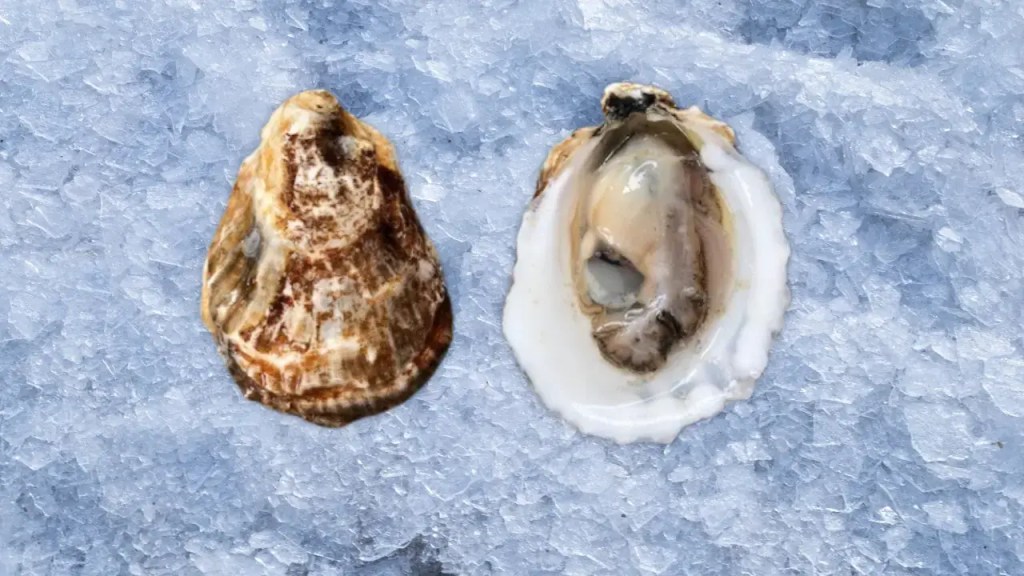
Appearance: Deep cups and compact size, typically measuring 2 – 2.5 inches. They have plump meats that fill their small but sturdy shells. The oysters’ appearance is characterized by their petite, cocktail-sized form, making them visually appealing on the half-shell.
Flavor Profile: A powerful burst of saltiness. Their flavor evolves into a delicate balance of brine and sweetness as you savor them. The taste experience concludes with a crisp, clean finish, leaving a pleasant salty aftertaste that beckons for more.
If you like these oysters, then check out some other similar varieties
Location
Beach Babe oysters are cultivated in Narragansett Bay, Rhode Island. Specifically, they are grown in the East Passage of the bay, which is the channel between Jamestown and Aquidneck Island.
The East Passage provides ideal conditions for oyster growth. Its deep waters reach up to 50 feet. Strong tidal flows wash plankton over the oyster cages, providing abundant food for the oysters. This constant flow of nutrient-rich water supports rapid growth and flavor development.
Narragansett Bay’s environmental characteristics make it highly suitable for oyster cultivation. The bay maintains salinity levels between 28-32 parts per thousand, which falls within the optimal range for oyster growth. The bay also experiences significant water exchange with Rhode Island Sound, bringing in large volumes of nutrient-rich water daily.
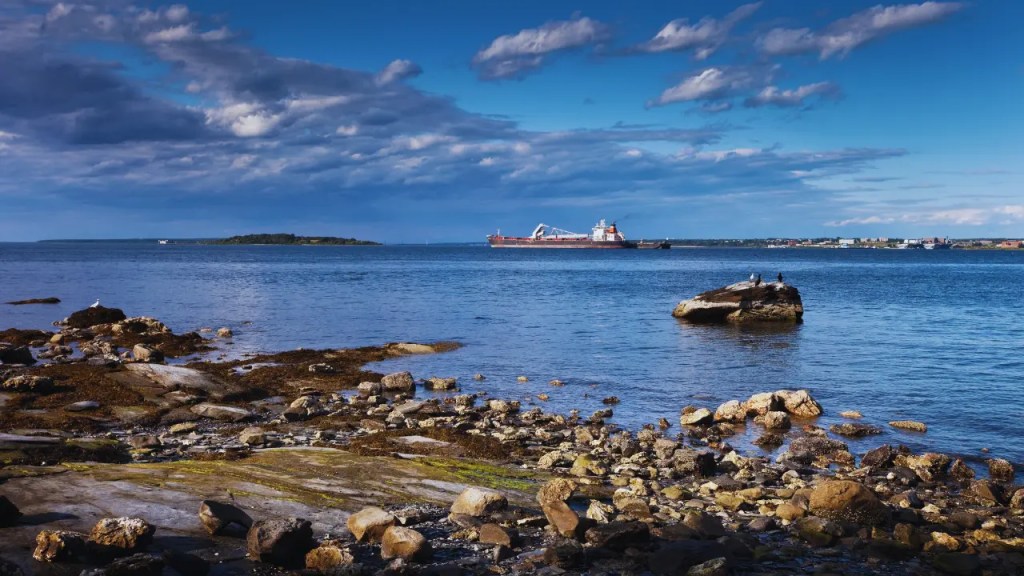
Water temperatures in Narragansett Bay also support oyster growth. Oysters typically spawn when temperatures exceed 68°F in early summer. This temperature pattern allows for a productive growing season. Optimal salinity and abundant nutrients create an ideal environment. Strong water circulation and suitable temperatures further benefit Beach Babe oysters. These conditions enable them to thrive and develop their distinctive characteristics.
This guide is part of the Raw Bar Bible — chef-level technique, safety, and gear so you can shuck and serve oysters with confidence.
Suggested Beverage Pairings
- Billecart-Salmon Champagne’s – The crisp acidity and fine bubbles complement the oysters’ brininess. Its yeasty notes add depth to the pairing, enhancing the overall flavor experience.
- Domaine de la Pépière’s Muscadet – offers bright citrus and mineral notes that match the oysters’ salinity. This wine’s high acidity cuts through the oysters’ richness, creating a balanced and refreshing combination.
- Guinness Draught Stout – Guinness provides a creamy texture that contrasts nicely with the oysters’ brininess. Its roasted flavors and slight bitterness offer an interesting counterpoint to the oysters’ sweetness.
- Hendrick’s Gin Martini’s – The botanical notes, especially the cucumber, complement the oysters’ delicate flavors. The gin’s crispness and the cocktail’s chilled temperature enhance the oysters’ freshness.
- Txomin Etxaniz Txakoli’s – The light effervescence and zesty citrus notes pair well with the oysters’ briny profile. This wine’s high acidity and mineral character mirror and amplify the oysters’ natural flavors.
Where Can I Buy Beach Babe Oysters?
- American Mussel Harvesters: They sell Beach Babe oysters in 25-count packages for $31.25. You can order them online through their website
References
- Hama Hama Oyster Company. Beach Blonde Oysters. Hama Hama Oyster Company, https://hamahamaoysters.com. Accessed 9 Nov. 2024.
- Taylor Shellfish Farms. Our Farms & Products: Beach Blonde Oysters. Taylor Shellfish Farms, https://taylorshellfishfarms.com. Accessed 9 Nov. 2024.
- Washington State Department of Ecology. Hood Canal Water Quality and Tidal Information. Washington State Department of Ecology, https://ecology.wa.gov. Accessed 9 Nov. 2024.
- Northwest Indian Fisheries Commission. Salinity and Water Quality in Hood Canal: Environmental Factors Supporting Shellfish Aquaculture. Northwest Indian Fisheries Commission, https://nwifc.org. Accessed 9 Nov. 2024.
Discover more from The Oyster Encyclopedia
Subscribe to get the latest posts sent to your email.