

Quick Facts
- Origin: Rock Hole Oysters are raised in bottom cages. They grow off the sandy bottom of Rock Hole Creek, a branch of the Little Wicomico River in Virginia.
- Flavor Profile: These oysters offer a fabulous salinity and texture. They have a sweet taste and mild salinity. The finish is very clean.
- Cultivation Method: They are cultivated using bottom cages. This method protects them from predators. It allows them to develop their distinctive flavor.
- Availability: Rock Hole Oysters are available year-round, as modern farming techniques have made the traditional “R month” rule obsolete.
- Freshness: To check for freshness, tap two oysters together – they should sound solid like rocks. A hollow sound indicates the oyster may be bad.
What Are Rock Hole Oysters?
Rock Hole Oysters stand out as a distinctive variety. They are cultivated in the unique environment of Rock Hole Creek, a branch of the Little Wicomico River 5. These oysters are raised using bottom cages. This method allows them to develop their characteristic flavor profile. The cages protect them from predators and environmental hazards.
The merroir of Rock Hole Creek imparts a special quality to these oysters. They have a fabulous salinity and texture that sets them apart from other varieties 5. Unlike more common oysters such as Pacific or Atlantic varieties, Rock Hole Oysters deliver a taste. This taste is closely tied to their specific growing location. This unique flavor profile makes them a sought-after delicacy for oyster enthusiasts.
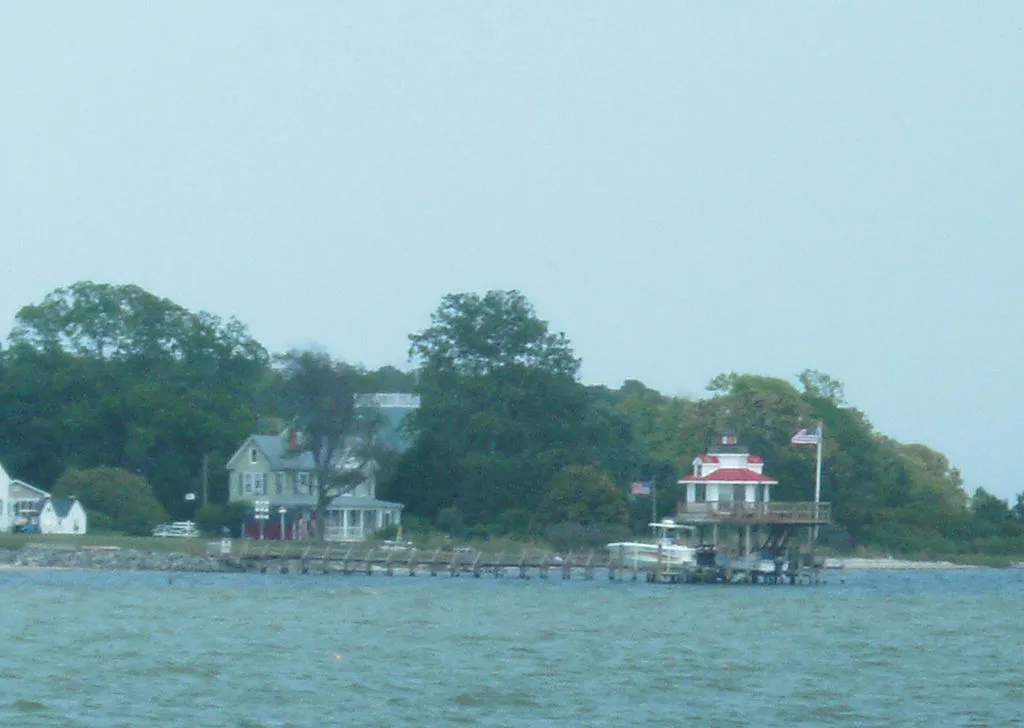
What makes Rock Hole Oysters truly unique is their limited availability and the care taken in their cultivation. Each oyster is clean, healthy, and delicious, reflecting the pristine conditions of their habitat 5. Attention to quality is crucial. The oysters’ distinct flavor profile makes them a favorite among repeat customers. These customers appreciate the consistent excellence of this lesser-known variety.
How Did Rock Hole Oysters Get Their Name?
Rock Hole Oysters get their name from their unique cultivation location. It is Rock Hole Creek, a branch of the Little Wicomico River in Virginia 26. Unlike some oyster varieties with more colorful naming origins, Rock Hole Oysters have a straightforward name. They are named after the geographical feature where they are raised.
Cultivation Method
Rock Hole Oysters are cultivated using a bottom cage method. They grow in Rock Hole Creek, a branch of the Little Wicomico River in Virginia. This cultivation technique combines elements of both bottom culture and off-bottom culture methods, providing unique benefits to the oysters.
Initial Stages
The oysters begin their life cycle as larvae in hatcheries. They grow until they reach the appropriate size. Then, they are placed in bottom cages off the sandy bottom of Rock Hole Creek 1. These cages are designed to protect the young oysters from predators while allowing them to develop their distinctive flavor profile
Growth and Development
As the oysters grow, they remain in these bottom cages, which offer several advantages:
- Protection: The cages shield the oysters from predators and environmental hazards 1.
- Water Flow: The design allows for optimal water circulation, ensuring the oysters receive ample nutrients and oxygen 2.
- Natural Environment: Being close to the bottom, the oysters experience conditions similar to wild oysters. This similarity contributes to their unique taste 1.
Advantages of Bottom Cage Method
Cleanliness: The cages keep the oysters off the muddy bottom, resulting in cleaner oysters that require less processing
Flavor Development: The proximity to the creek bottom imparts a special quality to the oysters. This gives them their fabulous salinity and texture.
Shell Strength: The interaction with the environment helps develop stronger shells compared to fully suspended methods 6.
About Little Wicomico Oyster Company
Little Wicomico Oyster Company cultivates Blackberry® oysters. This family-owned business, based in Heathsville, Virginia, has been raising oysters in the Chesapeake Bay region since 1930 2. The Cockrell family has deep roots in the area, dating back to the 16th century. They have worked the Bay’s bounty for four generations 8.
The company specializes in the Eastern oyster, including their Blackberry® variety. They use sustainable methods to raise these oysters. The oysters grow in bottom cages inshore of Blackberry Hang Oyster Reef in the Chesapeake Bay 10. The Blackberry® oysters are available year-round and are known for their medium-sized shells, lovely taste, and mild salinity 10.
Little Wicomico Oyster Company operates with a strong commitment to sustainability and quality. They use the pristine waters of the Little Wicomico River. This river flows into the Chesapeake Bay. These waters are used to cultivate their oysters 8. The current owner and operator, Myles Cockrell, represents the fourth generation of the family business 2.
The company’s heritage is deeply intertwined with the local waterways. This includes Cockrell Creek, which flows into the Great Wicomico River 8. This connection to the land and water informs their approach to oyster farming, emphasizing sustainable practices and high-quality products 28.

Follow Them
Discover the taste of tradition and quality by exploring Little Wicomico Oyster Company’s offerings. Visit their official website to browse their selection of premium oysters, including the renowned Blackberry variety.
Rock Hole Oysters Information
Oyster: Rock Hole Oysters
Species: Crassostrea virginica (Eastern oyster)
Cultivation Method: Farmed for 18-
Size: Approximately 2.5-3 inches
Seasonality: Available year-round
Culture Method: Raised in bottom cages off the sandy bottom of Rock Hole Creek.
Salinity: 30-34

Appearance: Clean, healthy-looking oysters with strong shells. They typically measure approximately 2.5-3 inches in size
Flavor Profile: a sweet taste with a pronounced briny flavor and a very clean finish. They have a fabulous salinity and texture that provides a balanced experience on the palate. The oysters deliver a harmonious blend of sweetness and brininess, culminating in a refreshing and crisp aftertaste.
If you like Rock Hole oysters, then check out these similar varieties!
Location
Rock Hole Oysters are cultivated in Rock Hole Creek, a branch of the Little Wicomico River in Virginia 510. This location provides a unique environment that supports oyster growth and prosperity. The oysters are raised using a bottom cage method. They are placed in cages off the sandy bottom of the creek 510.
The environmental factors of Rock Hole Creek contribute significantly to the oysters’ growth and quality. The creek’s merroir, or aquatic terroir, imparts a distinctive flavor profile to the oysters. The sandy bottom of the creek allows for optimal water circulation, ensuring the oysters receive ample nutrients and oxygen 3. The tidal flow provides a steady water movement. This non-turbulent movement is essential for oyster growth. It supports the fattening and reproduction of oysters 7.
The salinity of the water in Rock Hole Creek is another crucial factor supporting oyster growth. This range of salinity is favorable for the Eastern oyster (Crassostrea virginica), the species cultivated as Rock Hole Oysters 37. The balance of fresh and saltwater in this estuarine environment creates ideal conditions for oyster growth and flavor development.

The sandy bottom, tidal flow, and suitable salinity levels contribute to Rock Hole Creek’s exceptional suitability for oyster growth. These environmental factors make it an exceptionally beneficial location. The bottom cage cultivation method used here allows the oysters to interact closely with their environment. It protects them from predators. As a result, the oysters develop strong shells and a distinctive flavor profile 510.
Suggested Beverage Pairings
- Tongue Thai’d – This cocktail blends Thai chili-infused vodka with fresh pineapple juice and ginger liqueur. Its tropical flavors and subtle heat complement the oysters’ briny profile, creating an exciting contrast.
- Blood in the Water – A spicy Bloody-Mary-meets-Michelada cocktail featuring mezcal and a fortified jalapeño syrup. Its bold flavors stand up well to the oysters’ salinity, especially if they’re fried.
- Allagash White – This Belgian-style wheat beer offers citrus notes and spiciness. These flavors enhance the oysters’ sweet and briny flavors. They do so without overpowering them.
- Imperial Opal – A delicate cocktail featuring La Clandestine Absinthe Blanche and Varnelli L’Anise Secco. Its herbaceous and anise notes complement the oysters’ light floral finish.
- Soju – This Korean spirit has a clean, neutral flavor profile. It allows the oysters’ unique taste to shine. It also provides a refreshing palate cleanser between bites.
Where Can I Buy Rock Hole Oysters?
- Little Wicomico Oyster Company – This is the primary source for Rock Hole Oysters. They are cultivated in Rock Hole Creek, a branch of the Little Wicomico River 110.
- Fortune Fish & Gourmet – They offer Rock Hole Oysters as part of their East Coast oyster selection 4.
Stay Connected with The Oyster Encyclopedia!
Follow us on social media to get the latest updates, oyster recipes, and behind-the-scenes glimpses into the world of oysters:
Stay tuned for exclusive content, oyster trivia, and more! Engage with our vibrant community of oyster enthusiasts by liking, commenting, and sharing our posts. Your support helps us continue providing valuable oyster knowledge to fellow seafood lovers worldwide.
References
- Fortune Fish & Gourmet. “Oysters – East Coast | Rock Hole.” Fortune Fish & Gourmet, www.fortunefishco.net/oysters-east-coast/rock-hole. Accessed 26 Dec. 2024.
- “Oyster.” Wikipedia, Wikimedia Foundation, 22 Nov. 2024, en.wikipedia.org/wiki/Oyster.
- “Rock oyster aquaculture.” Business Queensland, Queensland Government, 6 Feb. 2024, www.business.qld.gov.au/industries/farms-fishing-forestry/fisheries/aquaculture/species/rock-oyster.
- Little Wicomico. “Rock Hole Oysters.” Little Wicomico, 11 Dec. 2024, lwoysters.com/products/rock-hole-oysters.
- “The Five Species of Oyster.” Chefs Resources, www.chefs-resources.com/seafood/oysters/the-5-oyster-species/. Accessed 26 Dec. 2024.
- “Whale Rock Oysters.” Chefs Resources, 3 Oct. 2015, www.chefs-resources.com/seafood/oysters/atlantic-oysters/whale-rock-oysters/.
- White Stone Oysters. “Best Chesapeake Oyster l Buy Oysters Online.” White Stone Oysters, www.whitestoneoysters.com. Accessed 26 Dec. 2024.
- Panin, Alexander. “Rock Hole oysters from Virginia.” LiveJournal, 11 July 2021, alexander-panin.livejournal.com/827908.html.
- Fortune Fish & Gourmet. “LIVE OYSTERS.” Fortune Fish & Gourmet, www.fortunefishco.net/Assets/oyster-descriptions-2016.pdf. Accessed 26 Dec. 2024.
- “OysterFinder.” The Oyster Guide, www.oysterguide.com/oyster-finder/. Accessed 26 Dec. 2024.
Discover more from The Oyster Encyclopedia
Subscribe to get the latest posts sent to your email.