

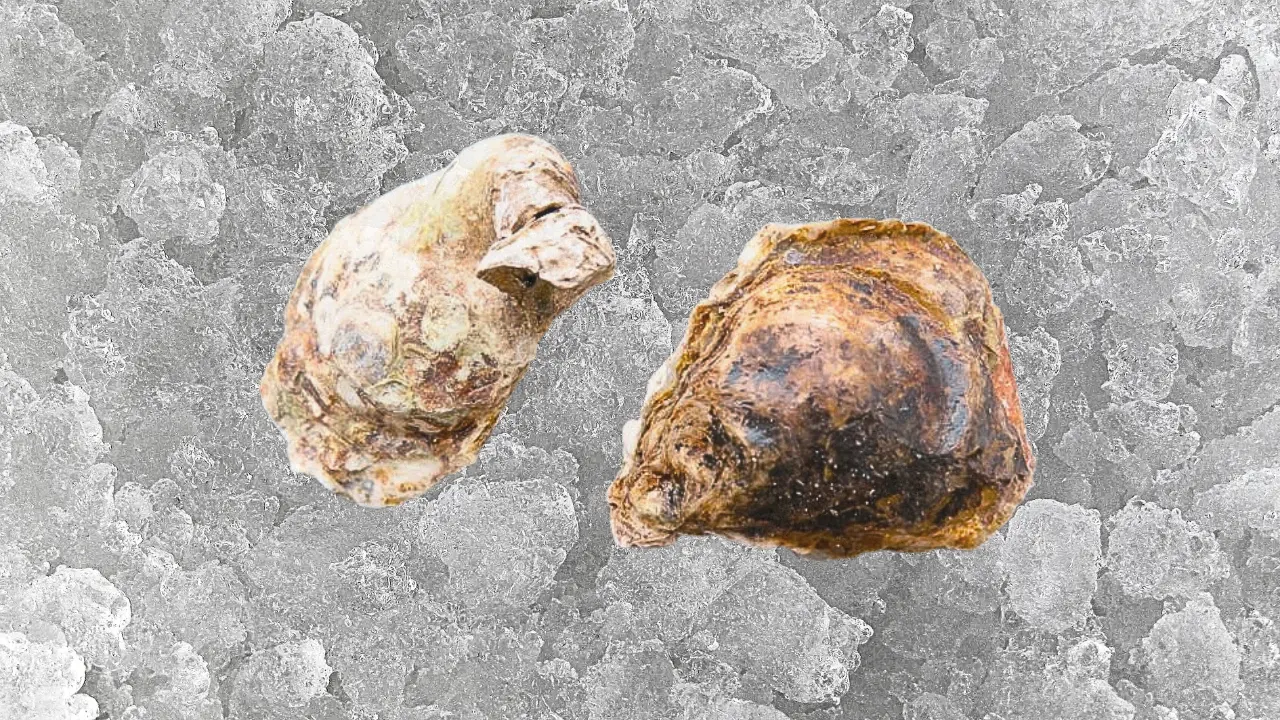
Pine Island oysters have a rich history dating back to 1887. They are sustainably “ranched” in Long Island’s Oyster Bay and are harvested by dredge. Plankton-rich tidal bay nurtures them and they grow like wild oysters on the hard bay floor for three years. For many years, the people of New York have considered the oysters to be a treasure of their region, and they have been an integral part of the area’s heritage.
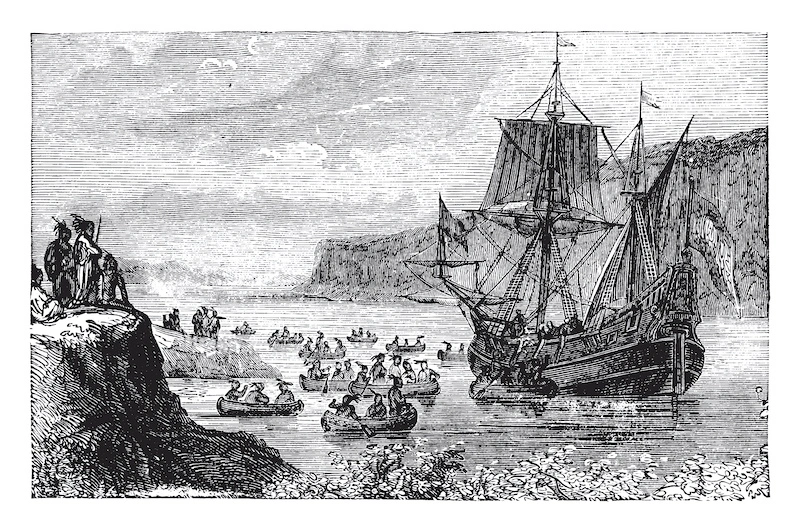
Flowers and Sons Inc. cultivates Pine Island oysters through a sustainable oyster farming process called “ranching” in Long Island’s Oyster Bay. The hatchery, nursery, and bottomland are all located nearby, allowing for a comprehensive and localized cultivation process. The oyster farmers grow the oysters in a plankton-rich tidal bay and allow them to mature for three years on the hard bay floor, similar to wild oysters. Boats equipped with vacuum dredges have been harvesting them since the 1930s. In this method, the workers shoot the oysters onto conveyor belts, sort them, and cull them, resulting in a unique and flavorful oyster.
About Flower and Son’s Inc.
Flowers & Sons, the cultivators of Pine Island oysters, are recognized as the last of the old-time New York oystermen. Since the 1960s, they have sustainably raised them in Long Island’s Oyster Bay.The company has a longstanding history in oystering, with a multi-generational tradition of oyster cultivation. The hatchery, nursery, and bottomland are all located nearby, allowing for a comprehensive and localized cultivation process.
Flowers & Sons has been around for several years. They have had to adapt to changes in the oyster industry. To stay successful, they established a thriving oyster hatchery. The company’s hatchery grows millions of tiny oysters each year with the help of a few prize oyster specimens. The oysters’ natural instinct to reproduce plays a significant role in this process. The farmers rear these oysters. They do this by growing algae in 3,000-gallon tubs. Then, they release them to join their relatives at the bottom of Oyster Bay. This process, refined over 30 years, has been crucial to the company’s success.
Additionally, the company transitioned from traditional hunter-gathering to oyster farming by launching the first commercial oyster hatchery on Long Island in 1962. This shift to aquaculture has been instrumental in ensuring the company’s continued presence and success in the oyster industry
How Did State Regulations Impact The Oyster Industry in New York City?
State regulations have significantly impacted the oyster industry in New York City. Historically, overfishing and sewage contamination led to the city’s decline and closure of oyster beds. The dumping of untreated sewage into the harbor until the 1970s, along with environmental changes and acidity affecting oyster larvae, contributed to the decline of oyster populations.
State regulations have also played a role in limiting oyster restoration projects, as there are concerns about poached oysters ending up on dinner plates and potentially harming consumers. These regulations have affected the scale of oyster restoration activities in the area. New Jersey banned such activities in closed waters, and New York sparingly issued permits for small-scale restoration projects. Overall, state regulations have been a significant factor in shaping the oyster industry in New York City, impacting both commercial oyster harvesting and restoration efforts.
Pine Island Oysters Information
Name: Pine Island
Species: Crassostrea Virginica
Cultivation Method: An 18-24-month “ranching” process involves sustainable oyster farming in Long Island’s Oyster Bay. Boats have been harvesting them since the 1930s. typically by vacuum dredge.
Culture Method: Culturing occurs nearby via hatcheries, nurseries, and bottomlands. Keeping the entire bottom-culture process local.
Seasonality: Year Round
Size: 3-4″
Salinity: 25-30 ppt
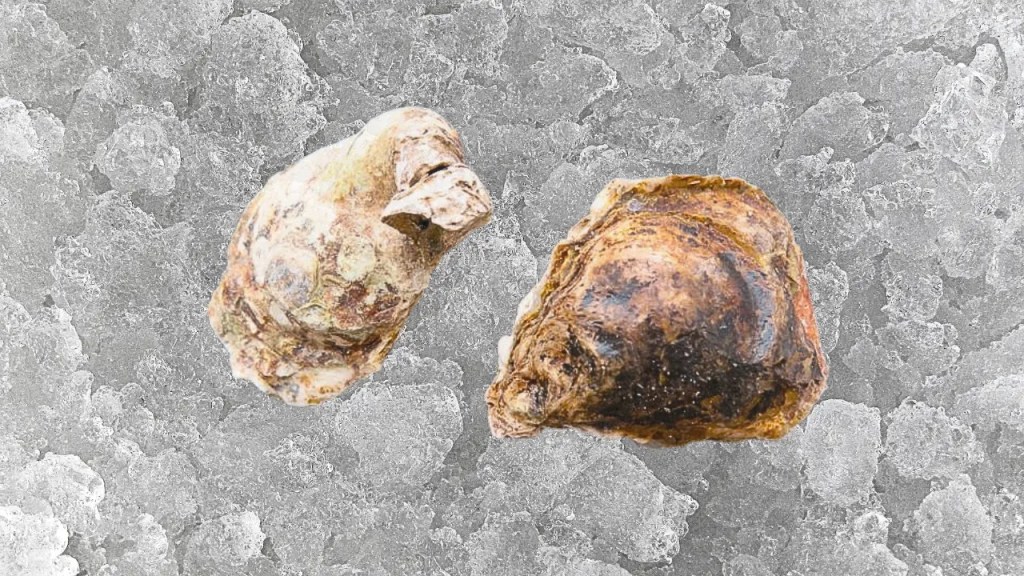
Appearance: Large, ridged shells with a deep-cups.Their strong shells and full meats are what they are known for, similar to Blue Point oysters.
Flavor Profile: described as sweet, salty, and succulent, with a flavorful and rich brine and a mineral finish.
Location
The growers cultivate Pine Island oysters in the plankton-rich tidal bay of Long Island’s North Shore, more specifically in Oyster Bay, Long Island.
Suggested Beverage Pairing
- Champagne: A crisp, dry champagne such as Blanc de Blancs or Brut Champagne. The effervescence and acidity of champagne complement the briny and succulent flavors of the oysters, creating a refreshing contrast.
- Muscadet: A classic choice for oyster pairings, Muscadet Sevre et Maine is a dry, light-bodied white wine with high acidity and mineral notes, which harmonize with the oysters’ salinity.
- Gin Martini with Lemon Twist: The botanicals in gin and the citrus twist of a gin martini can enhance the sweet and salty flavors of the oysters, while the dryness of the martini serves as a palate cleanser.
- Vodka: A high-quality, chilled vodka can intensify the oysters’ flavor and provide a clean, neutral contrast, allowing the oysters’ taste profile to shine.
- Cucumber Mint Sparkler– A refreshing and herbaceous non-alcoholic option, the cucumber and mint flavors in sparkling water or mocktail can complement the oysters’ taste without overwhelming them.
Where Can I Buy Pine Island Oysters?
- Fortune Fish & Gourmet: They offer Pine Island oysters, describing them as sweet, salty, and succulent, grown in the plankton-rich tidal bay of Long Island’s North Shore.
- Oysterater: This platform provides information about Pine Island oysters, highlighting their characteristics and origin. While it doesn’t directly sell the oysters, it’s a useful resource for enthusiasts.
- Island Seafood Market: This market offers Pine Island oysters among its selection of fresh local seafood, including grouper, snapper, mullet, and other varieties.
Discover more from The Oyster Encyclopedia
Subscribe to get the latest posts sent to your email.