

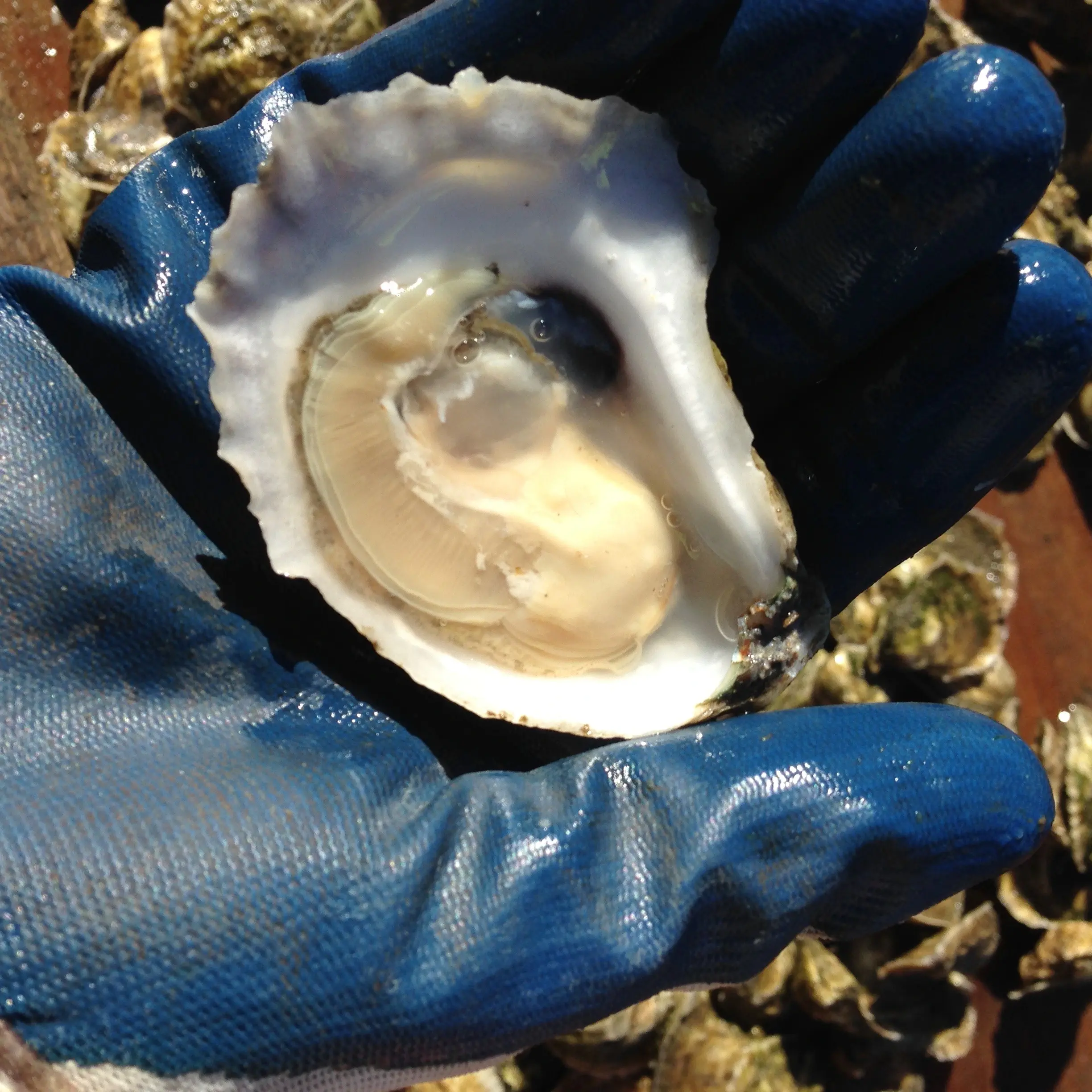
Perky Sea Cup oysters are a unique and sought-after variety that stands out from other oysters due to their exceptional flavor profile and cultivation process. These oysters are grown in the pristine waters of the Stono River in South Carolina, where they are carefully hand-raised to ensure a high-quality product. The result is a salty and sweet oyster with a delicate balance of flavors that sets them apart from other varieties.
One of the key factors contributing to Perky Sea Cups’ distinctiveness is their unique cultivation method. Unlike wild oysters, which are often subject to environmental fluctuations and variable water quality, Perky Sea Cups are grown in controlled environments that mimic the natural conditions of the ocean. These conditions allow the oysters to grow consistently, producing a more uniform flavor and texture. Additionally, the oysters are regularly monitored and harvested at the peak of freshness, ensuring they are always at their best when they reach the consumer.
The Perky Sea Cups’ unique flavor profile is also a significant factor in their popularity. These oysters are known for their high salinity, giving them a bold, salty flavor balanced by notes of sweetness and a hint of earthiness. This complex flavor profile makes them a versatile ingredient that can be enjoyed raw, grilled, or in various dishes. Whether you’re an oyster fan or just looking to try something new, Perky Sea Cups are sure to impress with their exceptional taste and quality.
How Did Perky Sea Cups Get Their Name?
“Perky Sea Cups” is a pun, referring to a female breast. The name “Perky Sea Cups” is likely a playful reflection of their size and quality, and the oyster farmers likely laughed when coming up with the name.
The Perky Sea Cup oysters got their name due to their exceptional size and unique characteristics. These oysters are the largest, exceeding three inches in length, which sets them apart from other varieties.

About Charleston Oyster Farm
Charleston Oyster Farm, located in Charleston, South Carolina, has a rich history that dates back to 2013. Local fishermen and entrepreneurs with a passion for sustainable aquaculture founded the farm. They recognized the potential for oyster farming in the Cooper River and saw an opportunity to create a sustainable and environmentally friendly business. Initially, the farm started with a small operation, focusing on cultivating oysters using traditional methods.
The farm promotes healthy ecosystems, environmental awareness, and local mariculture while restoring the ever-fading working waterfront along the Southeast. They achieve this by farming fantastically flavored, sustainable, salty local oysters. Charleston Oyster Farm uses local seed from Lady’s Island Oysters in Beaufort, SC, and employs open cage systems to ensure maximum flow and healthy ecosystems. The farm also separates oysters by size using a “grader/sorter/tumbler” to prevent bio-foul and encourage strong shell growth.
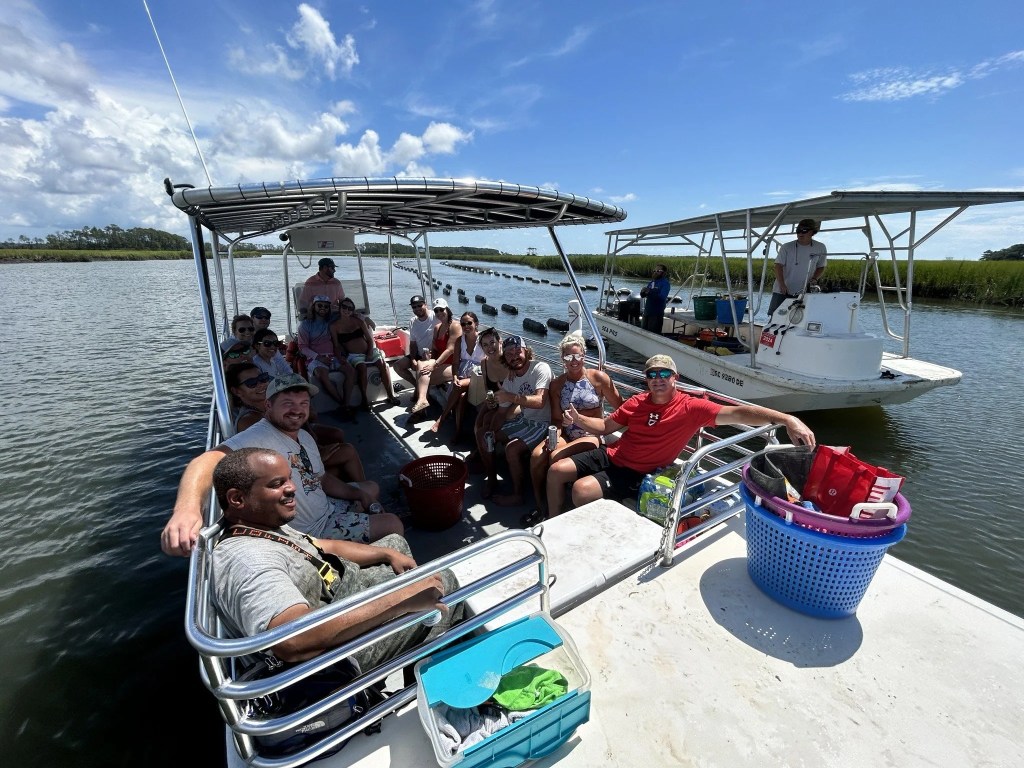
Charleston Oyster Farm is deeply involved in the local community, working closely with local chefs, culinary institutions, and conservation organizations to raise awareness about the importance of sustainable aquaculture and the role oysters play in maintaining healthy ecosystems. The farm participates in local events and workshops, such as Oysterfest at the South Carolina Aquarium, and collaborates with organizations like Oyster South, a nonprofit that aims to connect communities and provide resources to support oyster farmers. Additionally, the farm supplies oysters to local restaurants, including The Darling Oyster Bar, which sources its oysters directly from the farm.
The farm’s commitment to sustainability and community involvement has earned it recognition and respect in the industry. Charleston Oyster Farm’s oysters, such as the “Perky Sea Cups,” are known for their unique flavor profiles and are highly sought by local restaurants and consumers. The farm’s efforts have also contributed to the growth of the local economy and the promotion of environmentally friendly practices in the aquaculture industry.
Perky Sea Cup Oysters Information
Oyster: Perky Sea Cup
Species: Crassostrea virginica (Eastern Oyster)
Cultivation Method: Farmed for 12-18 months.
Size: Typically 3-4″
Seasonality: Available year-round, with peak freshness from October to April
Culture Method: Bottom-planted in the Stono River, South Carolina, where they are regularly monitored and harvested at the peak of freshness
Salinity: 32-34 ppt


Appearance: Perky Sea Cup oysters have a smooth, grayish-white shell with a deep, rounded cup shape. The shell’s exterior is often covered with barnacles and other marine growth, while the interior is a creamy white.
Flavor Profile: Perky Sea Cup oysters are known for their unique flavor profile, which includes notes of vegetal and earthy flavors accompanied by a high salinity that gives them a bold, briny taste.
Location
The farmers cultivate Perky Sea Cups oysters in the pristine waters of the Stono River, located in South Carolina. This region provides an ideal environment for oyster growth, with a combination of factors supporting these bivalves’ health and prosperity.
One critical environmental factor that makes the Stono River an ideal location for oyster cultivation is its salinity. The river’s high salinity, typically around 32-34 parts per thousand (ppt), is perfect for oysters, which thrive in brackish waters with a mix of fresh and saltwater.
Another critical factor is the water temperature, which ranges from 50°F to 80°F (10°C to 27°C) throughout the year. This temperature range allows the oysters to grow consistently, with optimal growth occurring during the warmer months. The Stono River’s water quality is also exceptional. The river boasts low levels of pollutants and sedimentation. Thus ensuring that the oysters are free from contaminants and can grow cleanly.
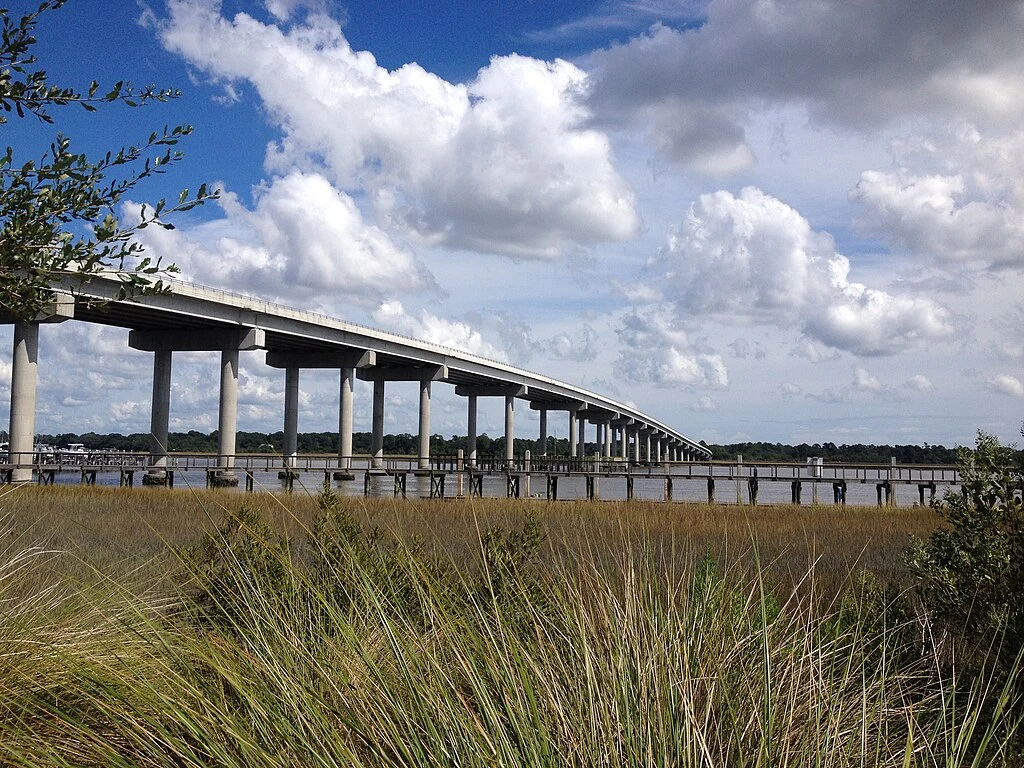
The Stono River’s tidal patterns also play a crucial role in oyster growth. Regular tidal cycles bring fresh nutrients and oxygen, supporting the oysters’ metabolic processes and promoting healthy growth. The river’s soft, muddy bottom also provides a suitable substrate for the oysters to attach themselves to. Therefore, this allows them to filter feed and thrive. These environmental factors make the Stono River ideal for cultivating Perky Sea Cup oysters.
Suggested Beverage Pairing
- Allagash White – This Belgian-style white ale complements the salty flavor of East Coast oysters. It has a crisp, refreshing taste. Subtle spices enhance the oyster’s natural flavors without overpowering them.
- Champagne Blanc de Blancs – This champagne’s effervescence and acidity cut through the oysters’ richness. At the same time, its delicate fruit notes complement their saltiness. On the other hand, the champagne’s minerality also enhances the oyster’s natural flavors.
- Muscadet – This dry and crisp white wine from the Loire Valley is a classic pairing for oysters. It has high acidity and mineral notes that balance the oyster’s saltiness, creating a refreshing and harmonious taste experience.
- Paloma – This grapefruit-based cocktail pairs well with creamy West Coast oysters. The citrus and tequila in the Paloma cut through the richness of the oysters. At the same time, the grapefruit’s sourness enhances their natural flavors.
- Gueuze Tilquin – This Belgian lambic beer blends aged and young lambic. It offers a tart and fruity flavor profile. As a result, its acidity and minerality complement the saltiness of oysters, while its fruit notes enhance their natural flavors.
Where Can I Buy Perky Sea Cup Oysters?
Charleston Oyster Farm is the first oyster farm in Charleston, South Carolina. They offer a “marsh to table” approach, directly delivering fresh, local, and salty raw oysters to your dock or doorstep. You can find more information about their farm, mission, and products on their website.
Stay Connected with The Oyster Encyclopedia!
Follow us on social media to get the latest updates, oyster recipes, and behind-the-scenes glimpses into the world of oysters:
Stay tuned for exclusive content, oyster trivia, and more! Engage with our vibrant community of oyster enthusiasts by liking, commenting, and sharing our posts. Your support helps us continue providing valuable oyster knowledge to fellow seafood lovers worldwide.
Discover more from The Oyster Encyclopedia
Subscribe to get the latest posts sent to your email.