

Quick Facts
- Origin: Peachtree Oysters originate from Virginia’s Little Wicomico River, specifically near Peachtree Point.
- Flavor Profile: These oysters offer a unique combination of medium salinity, sweetness, and fruity undertones. They have a distinctive buttery taste. The strong finish sets them apart.
- Cultivation Method: Brought up using off-bottom cage cultivation, ensuring optimal growing conditions and consistent quality.
- Species: Peachtree Oysters are Eastern Oysters (Crassostrea virginica), the native oyster species of the Chesapeake Bay region.
- Availability: You can purchase Peachtree Oysters directly from Little Wicomico Oyster Company. They are also available through select distributors like Fortune Fish & Gourmet.
What Are Peachtree Oysters?
Peachtree Oysters are harvested from Virginia’s Little Wicomico River. They offer a distinctive culinary experience. This sets them apart from other oyster varieties 1. These oysters boast a unique flavor profile, combining medium salinity with a delightful sweetness and fruity undertones 1. The addition of mild earthy notes creates a complex taste that captivates oyster enthusiasts and newcomers alike.
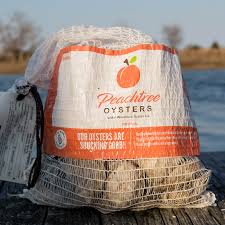
What truly distinguishes Peachtree Oysters is their buttery taste and strong finish 1. This combination of flavors provides a luxurious mouthfeel that lingers on the palate, making each bite a memorable experience. The oysters’ ability to balance elegance with exquisite taste makes them a sophisticated addition to any dining occasion 10.
Grown using sustainable methods, Peachtree Oysters reflect the careful stewardship of their aquatic environment 6. The off-bottom cage cultivation near Peachtree Point ensures optimal growing conditions, resulting in consistently high-quality oysters 5. Paying close attention to detail in the farming process gives the oysters their unique characteristics. It also helps maintain the delicate balance of their ecosystem.
How Did Peachtree Oysters Get Their Name?
The name “Peachtree” evokes Southern charm and the peach orchards for which the region is famous. Little Wicomico Oyster Company likely chose the name to reflect the cultural and natural richness of the area.
The peach hue of the oyster shells could also have inspired the name. It aligns with the company’s branding of showcasing local delicacies with an artistic touch.
The combination of regional pride and the aesthetic of the oysters themselves makes the name both meaningful and marketable.
The Cultivation Process
Peachtree oysters are farmed by Little Wicomico Oyster Company using sustainable aquaculture practices. The farm operates in the Little Wicomico River, a location known for its clean, brackish waters. This balance of saltwater from the Chesapeake Bay and freshwater from nearby tributaries creates an optimal growing environment.
The oysters are cultivated in floating cages to enhance water flow around them. This method ensures healthy growth and uniform shape. After 12-18 months of growth, the oysters are harvested at their peak size and flavor. Little Wicomico Oyster Company is dedicated to eco-friendly practices, preserving the natural ecosystem while producing high-quality oysters.
About Little Wicomico Oyster Company
Little Wicomico Oyster Company cultivates Blackberry® oysters. This family-owned business, based in Heathsville, Virginia, has been raising oysters in the Chesapeake Bay region since 1930 2. The Cockrell family has deep roots in the area, dating back to the 16th century. They have worked the Bay’s bounty for four generations 8.
The company specializes in the Eastern oyster, including their Blackberry® variety. They use sustainable methods to raise these oysters. The oysters grow in bottom cages inshore of Blackberry Hang Oyster Reef in the Chesapeake Bay 10. The Blackberry® oysters are available year-round and are known for their medium-sized shells, lovely taste, and mild salinity 10.
Little Wicomico Oyster Company operates with a strong commitment to sustainability and quality. They use the pristine waters of the Little Wicomico River. This river flows into the Chesapeake Bay. These waters are used to cultivate their oysters 8. The current owner and operator, Myles Cockrell, represents the fourth generation of the family business 2.
The company’s heritage is deeply intertwined with the local waterways. This includes Cockrell Creek, which flows into the Great Wicomico River 8. This connection to the land and water informs their approach to oyster farming, emphasizing sustainable practices and high-quality products 28.

Follow Them
Discover the taste of tradition and quality by exploring Little Wicomico Oyster Company’s offerings. Visit their official website to browse their selection of premium oysters, including the renowned Blackberry variety.
Peachtree Oysters Information
Oyster: Peachtree Oysters
Species: Eastern Oyster (Crassostrea virginica)
Cultivation Method: Farmed, grow-out period of 12-18 months
Size: Medium-sized, typically 3-4 inches
Seasonality: September through April
Culture Method: Floating cage system for uniform shell development and optimal growth
Salinity: 17-23 ppt

Appearance: smooth, compact shells with a soft peach-toned hue and slight natural ridges. Their shells often display a subtle sheen, reflecting their clean growing environment. The edges are neatly formed, making them visually appealing and distinct.
Flavor Profile: medium salinity with a delightful sweetness and fruity undertones. These oysters are characterized by their distinctive buttery taste and strong finish, which creates a luxurious mouthfeel. Mild earthy notes complement the overall flavor, adding depth to the taste experience.
If you like Peachtree Oysters, then check out these similar vairieties!
Location
Peachtree Oysters are cultivated in Virginia’s Little Wicomico River, specifically near Peachtree Point 36. This location offers ideal conditions for oyster growth and prosperity, contributing to the unique characteristics of these prized bivalves.
The Little Wicomico River is a small tidal tributary of the Chesapeake Bay. It is located approximately 60 miles northeast of Richmond, Virginia 4. This waterway is known as a “trap” estuary, which means it has favorable hydrodynamics for oyster larval retention. The water movement in this area aids the circulation of larvae. This movement also allows the eventual settling of larvae generated by spawning oysters within the river’s reef network 4. This natural phenomenon enhances the oysters’ ability to reproduce and maintain a healthy population.
The environmental factors that make this location beneficial for oyster growth include water quality, salinity, and tidal patterns. The Little Wicomico River’s ecosystem provides a medium salinity range, which is ideal for oyster development 3. Additionally, the area’s large tidal fluctuations contribute to the oysters’ growth and flavor profile 2. These tides ensure a constant flow of nutrient-rich water. This flow provides ample food for the oysters. It also helps to maintain water quality.
The off-bottom cage cultivation method used for Peachtree Oysters further enhances their growth and quality 6. This technique allows for optimal water flow around the oysters. It ensures they receive a steady supply of nutrients. The process also protects them from predators and sedimentation.
The Little Wicomico River’s natural characteristics combine with the growers’ careful farming practices. Together, they produce oysters with a distinctive buttery taste. These oysters also have a strong finish. Their complex flavor profile includes sweetness, fruity undertones, and mild earthy notes 3.
Suggested Beverage Pairings
- Blood Orange Radler – This blend of beer and blood orange juice is refreshing. It offers a perfect balance of sweetness and acidity. The citrusy notes complement the oysters’ brininess, while the light effervescence cleanses the palate.
- Feta-Brine Martini – This savory twist on a classic martini uses feta brine for a tangy kick. The salty, umami flavors of the feta-infused drink enhance the oysters’ natural salinity, creating a harmonious pairing.
- Suze Tonic – This French-inspired cocktail combines the bitter herbal liqueur Suze with tonic water. The drink’s earthy, citrusy notes and slight bitterness provide an interesting contrast to the oysters’ sweet and briny flavors.
- Mezcal-based Cocktail – This cocktail is smoky and fruity. It’s made with mezcal, Luxardo, and Punt e Mes. It can intensify the flavors of mineral-rich oysters. The combination creates a complex, steak-like mouthfeel with notes of smoke, mushroom, and wood.
- Oyster Caesar – This Canadian twist on a Bloody Mary incorporates clam juice. It is topped with a freshly shucked oyster. The spicy and briny mixture offers a bold flavor experience that complements the oysters’ natural taste.
Where Can I Buy Peachtree Oysters?
- Little Wicomico Oyster Company: This company provides the primary source for Peachtree Oysters. They raise these oysters in off-bottom cages near Peachtree Point in Virginia’s Little Wicomico River. You can purchase them directly from their website.
- Fortune Fish & Gourmet: This company distributes Peachtree Oysters and provides detailed information about their flavor profile.
Stay Connected with The Oyster Encyclopedia!
Follow us on social media to get the latest updates, oyster recipes, and behind-the-scenes glimpses into the world of oysters:
Stay tuned for exclusive content, oyster trivia, and more! Engage with our vibrant community of oyster enthusiasts by liking, commenting, and sharing our posts. Your support helps us continue providing valuable oyster knowledge to fellow seafood lovers worldwide.
References
- Fortune Fish & Gourmet. “Peachtree Oysters.” Fortune Fish & Gourmet, http://www.fortunefishgourmet.com/product/peachtree-oysters/. Accessed 30 Dec. 2024.
- Little Wicomico Oyster Co. “Peachtree Oysters.” Little Wicomico Oyster Co., http://www.littlewicomicooyster.com/peachtree-oysters. Accessed 30 Dec. 2024.
- Atlanta Fish Market. “Home Page.” Atlanta Fish Market, www.atlantafishmarket.com/. Accessed 30 Dec. 2024.
- Fulton Bay Seafood Corporation. “Home Page.” Fulton Bay Seafood Corporation, http://www.fultonbayseafood.com/. Accessed 30 Dec. 2024.
- Your Dekalb Farmers Market. “Home Page.” Your Dekalb Farmers Market, http://www.dekalbfarmersmarket.com/. Accessed 30 Dec. 2024.
Discover more from The Oyster Encyclopedia
Subscribe to get the latest posts sent to your email.