


Chef’s Notes
Mason Bostwick · Executive Chef
Eastern oyster
Mystic — Mystic — Strong minerality — buttery and slighly salty. A solid farmed eastern oyster.
Flavor chart
Chef palate read
Shuckability
Shell & line performance
When I buy it
Look for Mystic Oysters in peak season when salinity peaks.
How I serve it
On the half shell with minimal garnish — let the oyster speak.
What to watch for
Full brine with creamy finish. Reject any with broken shells or milky liquor.
My read
Strong minerality — buttery and slighly salty. A solid farmed eastern oyster.
Mystic oysters are a type of oyster that are harvested in the waters of Mystic, Connecticut. The Noank Aquaculture Cooperative grows them in Fisher Island Sound, off the Connecticut coast. Mystic oysters boast a distinct appearance, flavor, and sustainability.
Mystic Oysters, a company that has been pioneering the cultured method of farming oysters. since 1975, grows and harvests a type of oysters in the Mystic River estuary. in Connecticut, USA, which are known for their high quality,. sustainability, and unique flavor. They use innovative techniques to ensure the best possible oyster farming. They combine science and traditional methods to create healthy, delicious, and environmentally friendly oysters. Mystic oysters are fresh off the boat and are best raw or cooked in various dishes.

Eastern oyster
If you like Mystic Oysters, then check out these similar varieties!
What Are Mystic Oysters?
Mystic Oysters are wild Eastern oysters tied to cultivation in Fisher’s Island Sound, off the coast of Connecticut. More specifically, the oyster beds are located at the mouth of the Mystic River. Nutrient-rich waters mix with the oceanic waters at that estuary mouth.
The Noank Aquaculture Cooperative in Fisher Island Sound is responsible for cultivating the Mystic oysters. On the half shell the line reads buttery and slightly salty with salinity near 14–28 ppt. They grow to 3.5 inches or larger before harvest.
Large and unusually scallop-shaped shells show distinctive green coloring. The cooperative’s farmers carefully tend to the oysters throughout grow-out. They ensure each oyster reaches the perfect size and shape before harvesting.
How Did Mystic Oysters Get Their Name?
Mystic Oysters take their trade name from Fisher Island Sound. Buyers see that origin on tags and distributor manifests. The name also links the line to the Mystic River estuary in Connecticut.
Mystic oysters come from a farm called Mystic Oysters, which is located in the Mystic River estuary in Connecticut, USA. For over 40 years, they have been operating and cultivating more than 20 acres of oyster beds. They have about 20 acres of oyster beds, where they grow millions of oysters every year.
The Aquaculture Stewardship Council certified the farm for its sustainable practices. The Global Aquaculture Alliance also recognized those same standards on site. The farm is one of the country’s most respected and recognized oyster farms.
About the Farm
Mystic oysters come from a farm called Mystic Oysters, which is located in the Mystic River estuary in Connecticut, USA. For over 40 years, they have been operating and cultivating more than 20 acres of oyster beds. They have about 20 acres of oyster beds, where they grow millions of oysters every year.
The Aquaculture Stewardship Council and the Global Aquaculture Alliance certified the farm for its sustainable practices. The farm is one of the country’s most respected and recognized oyster farms. Buyers recognize the Mystic label on Northeast raw-bar lists.
About the Farm
Young oysters start in floating bags through an upwelling process with constant fresh seawater and food. Growers then transfer stock to the sandy, gravelly estuary bottom for bottom planting. Shells harden there and take a natural shape and color before harvest.
Harvesters handpick or dredge oysters once they have grown to the desired size of 3.5 inches or larger. Bottom culture on the estuary floor matches the cooperative’s wild-method tagging in chef decks. Year-round seasonality keeps Mystic oysters on menus across the Northeast.
Mystic Oysters Information
Oyster: Mystic
Species: Crassotrea Virginica
Cultivation Method: The upwelling process involves keeping young oysters in floating bags or nets that receive a constant supply of fresh seawater and food. In bottom planting, the growers transfer the oysters to the sandy and gravelly bottom of the estuary, where they grow and harden their shells. This also gives them a natural shape and color. Harvesters handpick or dredge the oysters once they have grown to the desired size.
Seasonality: Year Round
Size: 3.5″+
Culture Method: Bottom Culture on a sandy gravel-like estuary floor.
Salinity: 14 – 28 ppt
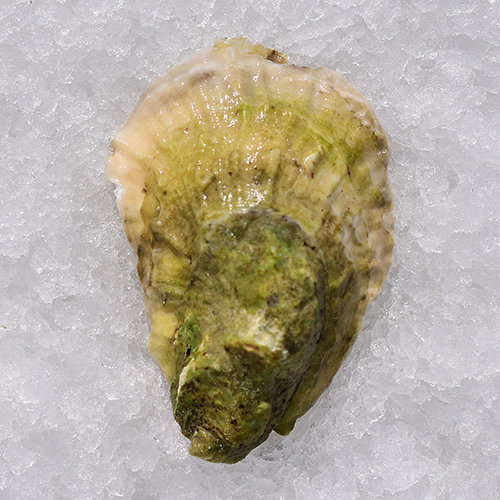
Appearance: Large and unusually scallop-shaped, with distinctive green shells. The cooperative’s farmers carefully tend to the oysters, ensuring they grow to the perfect size and shape before harvesting them.
Flavor Profile: gentle brine into a flinty finish; a slightly salty, fruity flavor. Some people may also find them buttery and bold.
Location
Mystic oysters are cultivated in the Fisher’s Island Sound, off the coast of Connecticut. More specifically, the oyster beds are located at the mouth of the Mystic River, where nutrient-rich waters mix with the oceanic waters. The Noank Aquaculture Cooperative in Fisher Island Sound is responsible for cultivating the Mystic oysters.
The Noank Aquaculture Cooperative operates from Groton, Connecticut on Fisher Island Sound. Map pins on this entry mark 100 Main Street in Groton as the cooperative hub. Salinity in the lease area runs about 14 to 28 ppt across tidal cycles.
Bottom culture on sandy gravel estuary floors shapes shell color and cup depth. Upwelling bags feed larvae before planters set stock on the bottom. Harvest crews handpick or dredge mature oysters year-round from those beds.
Suggested Beverage Pairings
Veuve Clicquot Brut Yellow Label brings crisp fizz and acidity beside Mystic salty cups. Champagne cuts through creaminess on Connecticut half shells.
Domaine de la Pépière Muscadet brings lime apple and lemon green fruit beside Mystic oysters. High acidity suits moderate Atlantic salinity on half shells.
Dolin Dry Vermouth served chilled brings herbal subtle bitterness beside Mystic cup flavor. French aperitif complements Connecticut raw-bar service surprisingly well.
Guinness Draught brings creamy roasted malt beside Mystic oysters. Rich stout viscosity enhances Connecticut cup taste with classic pub pairing depth.
Strawberry Lemonade brings bright citrus refreshment beside Mystic oysters. Non-alcoholic pairing suits designated drivers while complementing briny Connecticut cups.
Where Can I Buy Mystic Oysters?
Mystic — Contact the grower or regional seafood distributor for current availability.
References
- Mystic. Vendor listing referenced in Where Can I Buy section. Accessed 30 May 2026.
Discover more from The Oyster Encyclopedia
Subscribe to get the latest posts sent to your email.