

Quick Facts
- Kiliwa oysters are farmed by Baja Shellfish Company in Baja California.
- They feature a large, meaty size—perfect for grilling.
- The texture is crunchy, with a snappy bite and sweet finish.
- These oysters deliver flavor notes of cucumber, snap peas, and seaweed.
- Available year-round due to advanced aquaculture technology.
What Are Kiliwa Oysters?
Kiliwa oysters are grown by Baja Shellfish Company in the cool, clean waters near Ensenada, Baja California. These oysters are unique because of their large size, deep shell, and firm texture. Each oyster offers a thick, meaty bite, making them excellent both for grilling and serving raw. The water around Baja California provides a perfect mix of nutrients and salinity, helping these oysters to thrive. Kiliwa oysters are not only substantial in size, but they also maintain a fresh and crisp taste at any time of year.
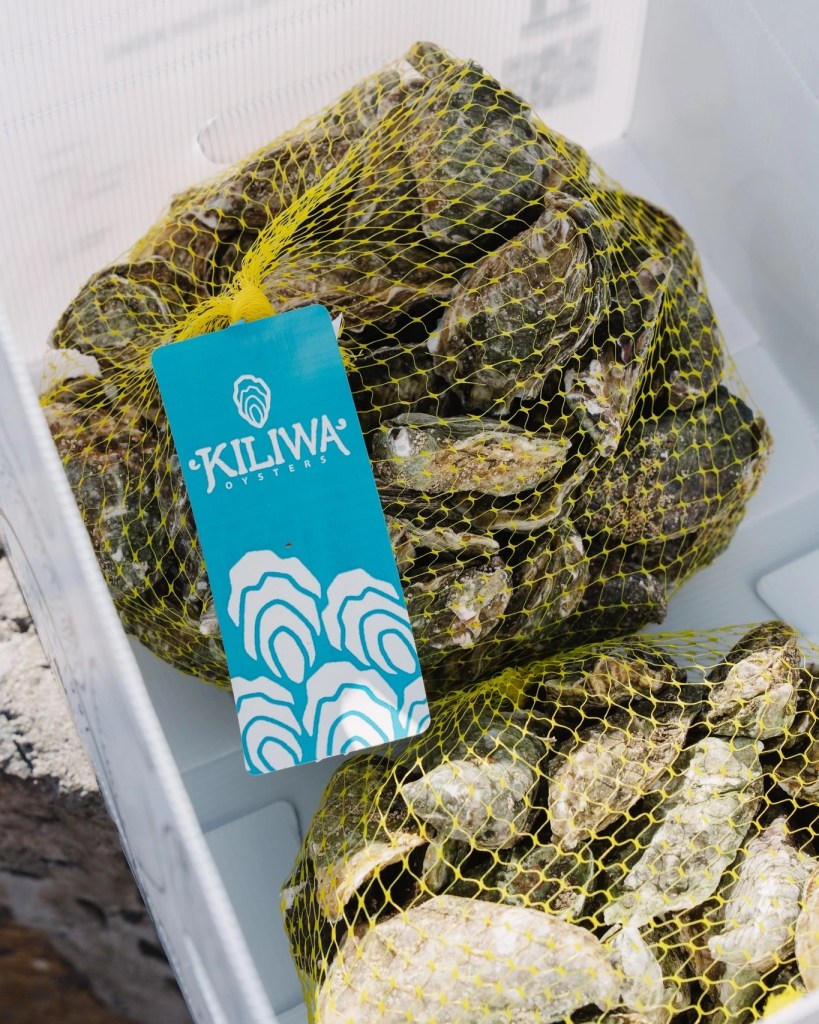
The flavor profile of a Kiliwa oyster sets it apart from others. With every bite, you get sweet notes combined with flavors of cucumber and seaweed. This makes them perfect for people who enjoy a fuller texture and complex flavors on the palate. The crunchy, snappy bite is a feature many oyster lovers find memorable and delightful. Unlike smaller or brinier oysters, Kiliwas provide a long, sweet finish. Their flavor remains bold, even when you grill them, which is rare for many oyster types.
What also makes these oysters special is the careful attention they receive at every stage of growth. Baja Shellfish Company manages the farm closely, checking for water quality and ensuring every oyster is clean and plump. Their team uses advanced methods to keep the oysters protected while allowing the natural conditions of the Pacific to do their job. The combination of science, tradition, and nature means each Kiliwa oyster delivers top-tier quality. As a result, Kiliwa oysters are a popular choice in fine dining and among chefs who care about flavor and consistency.
How Did Kiliwa Oysters Get Their Name?
The Kiliwa oyster pays homage to the Kiliwa people, an Indigenous group native to northern Baja California. The naming tradition at Baja Shellfish Farms honors regional history by highlighting the original land guardians. Similar to their famous Kumiai and Pai Pai oyster brands, Kiliwa celebrates Indigenous heritage and their profound connection to local ecosystems.
By naming the oysters after the Kiliwa, Baja Shellfish Farms emphasizes respect for both cultural ancestry and environmental stewardship. This recognition also connects the oyster to its source, reinforcing the unique identity and story behind each shell.
About Baja Shellfish Farms

Baja Shellfish Farms is a leading aquaculture company located near Ensenada, Baja California. Founded in 1991 by oceanologist Sergio Guevara, the company started as a small, focused effort to raise shellfish sustainably. From the beginning, its goal has been to produce high-quality oysters while protecting the surrounding marine environment. This commitment to sustainability and quality has earned Baja Shellfish Farms a strong reputation nationwide and internationally among seafood buyers and chefs alike.
The farm benefits from the nutrient-rich coastal waters influenced by cool upwelling currents from the Pacific Ocean. These natural conditions promote healthy growth and robust flavor in shellfish. Baja Shellfish Farms uses off-bottom culture systems, which suspend oysters in the water to keep them safe from predators and sediment. The farming gear is carefully positioned to maximize tidal flow, which strengthens oyster shells and supports consistent meat quality. Workers handle the oysters with care to ensure each one develops a deep cup and firm, plump texture.
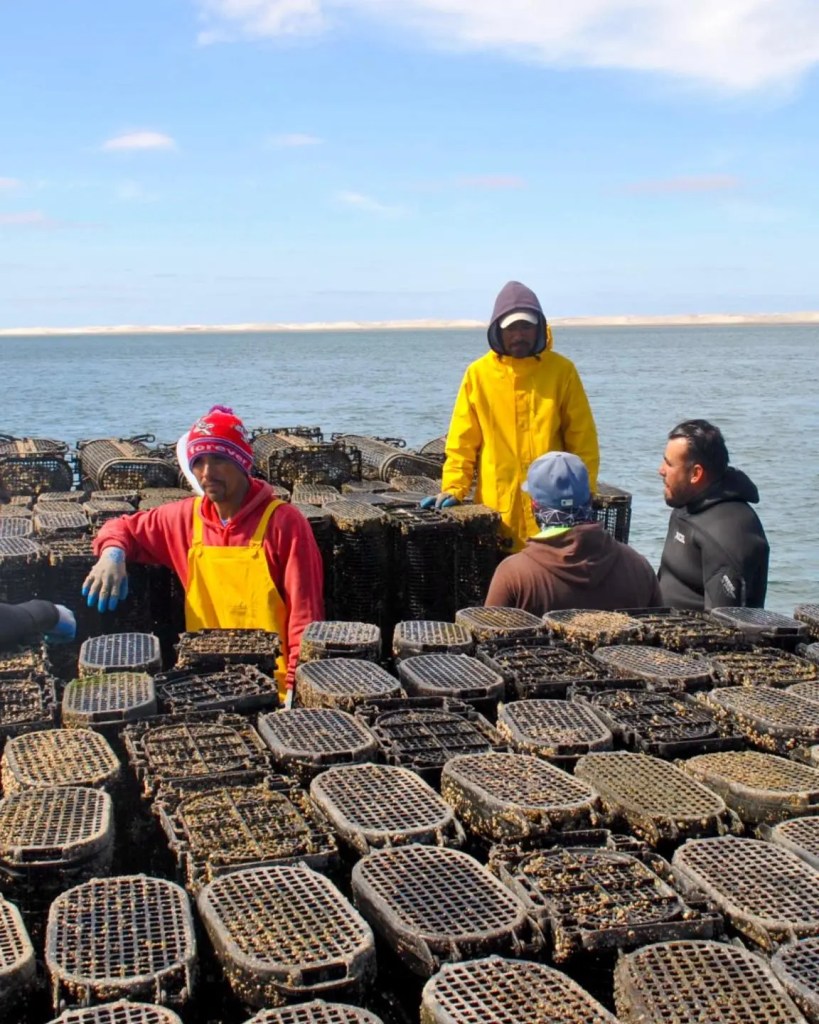
Baja Shellfish Farms runs daily operations with strict environmental safeguards. Staff monitor water quality regularly, checking salinity, pH, and potential contaminants to ensure clean conditions. They carefully time farming activities with changing tides, seasons, and plankton availability to keep oyster growth steady and healthy. The company also invests in scientific research, collaborating with oceanographers to improve farming techniques and sustainability practices. This blend of science, careful stewardship, and hands-on expertise has helped Baja Shellfish Farms position Kumiai oysters among the top premium shellfish varieties worldwide.
Follow Them
Dive deeper into the world of premium Kumiai oysters by visiting Baja Shellfish Farms online. Discover their sustainable farming journey, learn about their commitment to marine conservation, and stay updated on fresh oyster arrivals. Follow them on social media for exclusive behind-the-scenes looks, farming tips, and special offers. Experience the passion and care that goes into every oyster—check out Baja Shellfish Farms today and taste the difference straight from the Pacific!
Kiliwa Oysters Information
Oyster: Kiliwa Oyster
Species: Pacific Oyster (Magallana gigas)
Cultivation Method: Farmed for 20–22 months
Culture Method: They grow in racks and bags suspended in clean, nutrient-rich Pacific waters. This provides optimal nutrition, safety from predators, and superior shell polish.
Salinity: Range from 25–32 ppt,
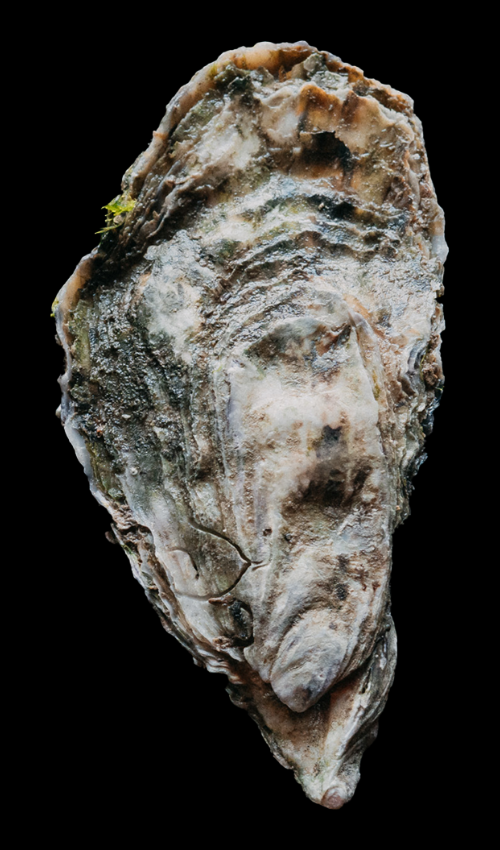
Appearance: deep, thick shells with a strong, heavy feel in the hand. The shells show off subtle ridges and a clean, polished look. Inside, each oyster displays a full, plump body with a glossy ivory sheen.
Flavor Profile: A crisp, crunchy texture with bright, fresh flavors. They offer sweet notes balanced with hints of cucumber and snap peas. A subtle seaweed essence rounds out the flavor, finishing with a clean, lingering sweetness
If you like Kiliwa Oysters, then check out these similar varieties!
Location
Farmers cultivate Kiliwa oysters in the clean, nutrient-rich waters of the Pacific Ocean near Ensenada, Baja California, Mexico.
This region benefits from strong ocean currents that bring cool, oxygenated water and ample plankton, which oysters feed on. The upwelling of deep ocean water creates a steady supply of nutrients critical for oyster health and growth.
Environmental Factors
The protected coastal bays where Kiliwa oysters grow experience stable salinity levels, typically ranging between 25 and 32 parts per thousand. This stable salinity environment helps oysters maintain robust shells and plump, healthy meat. The moderate water temperatures further favor oyster farming by providing a consistent growing season throughout the year.
The presence of tidal movement in this area helps keep the water fresh and clean, reducing the accumulation of sediment and pollutants. Additionally, the region’s relative isolation from heavy industrial activity and urban runoff minimizes contamination, maintaining excellent water quality. These factors contribute to the oysters’ clean, fresh flavor profile.

Moreover, the location’s protected status within marine reserves reduces overfishing and habitat destruction. This preservation ensures a stable ecosystem where oysters can thrive without significant environmental pressures. Baja Shellfish Company combines this naturally favorable environment with careful farming techniques, enhancing the oysters’ health and flavor. That’s why they taste as clean and bright as the ocean they come from.
Suggested Beverage Pairings
- Pacifico Clara (Beer) – Pacifico Clara’s light, crisp maltiness complements the fresh sweetness of Kiliwa oysters. Its clean finish enhances the oysters’ briny and vegetal notes without overpowering them.
- Chateau Ste. Michelle Dry Riesling (Wine) – This dry Riesling brings bright acidity and citrus flavors that cut through the oyster’s natural richness. The wine’s crisp, refreshing qualities balance the snappy texture of Kiliwa oysters.
- Michelada by Don Cheto (Cocktail) – The spicy and tangy flavors of this classic Mexican Michelada refresh the palate. It pairs well with grilled Kiliwa oysters, enhancing their sweet, smoky undertones with zesty boldness.
- Tanqueray No. Ten Gin Martini (Cocktail) – The botanicals in Tanqueray No. Ten lift the cucumber and vegetal notes in the oysters. The dryness of this martini refreshes the palate, making each bite taste clean and bright.
- La Marca Prosecco (Wine) – La Marca’s bubbles and light, fruity notes bring a celebratory feel to oyster eating. The sparkling wine’s crispness enhances the crunchy texture and sweet finish of the Kiliwa oyster.
Where Can I Buy Kiliwa Oysters
- Baja Shellfish Company – Baja Shellfish offers direct ordering through their official website. They package oysters carefully to ensure freshness during shipping, serving restaurants and wholesalers primarily in Mexico and the U.S.
- Pacific Seafood – This large seafood distributor frequently stocks Kiliwa oysters for U.S. customers. They provide reliable nationwide shipping and high-quality product handling.
- The Shellfish Affair – A San Diego-based oyster caterer and delivery service specializing in Baja oysters, including Kiliwa. They focus on fresh, fast delivery for consumers and events.
- Paia Fish Market – This vendor offers a selection of Baja oysters with nationwide delivery options. Availability of Kiliwa oysters may vary seasonally but quality and packaging remain consistent.
References
- Baja Shellfish Farms. “Premium Pacific Oysters – Baja Shellfish Farms.” Baja Shellfish Company, 2001, www.bajashellfish.com/oysters. Accessed 22 Aug. 2025.
- Baja Shellfish Farms | Mexico’s Premier Shellfish Producers. Baja Shellfish Company, 2001, www.bajashellfish.com. Accessed 22 Aug. 2025.
- FishChoice. “Baja Shellfish Farms | FishChoice.” FishChoice, fishchoice.com/business/baja-shellfish-farms. Accessed 22 Aug. 2025.
- NOAA Fisheries. “Pacific Oyster.” National Oceanic and Atmospheric Administration, 19 Mar. 2025, fisheries.noaa.gov/species/pacific-oyster. Accessed 22 Aug. 2025.
- Various Authors. “How I Pair Oysters with Wine, Beer, Spirits & Mocktails.” HowToEatOyster.com, 14 Mar. 2025, howtoeatoyster.com/oyster-blog/oyster-pairing-guide/. Accessed 22 Aug. 2025.
- Pacific Seafood. www.pacificseafood.com. Accessed 22 Aug. 2025.
- The Shellfish Affair. www.theshellfishaffair.com. Accessed 22 Aug. 2025.
- Paia Fish Market. www.paiafishmarket.com. Accessed 22 Aug. 2025.
Discover more from The Oyster Encyclopedia
Subscribe to get the latest posts sent to your email.